Overview
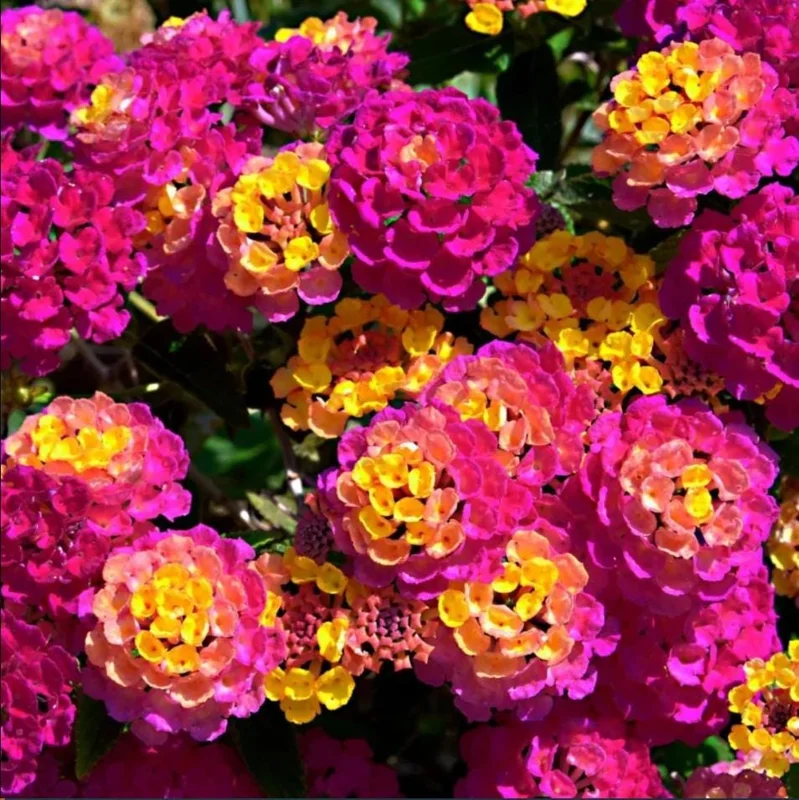
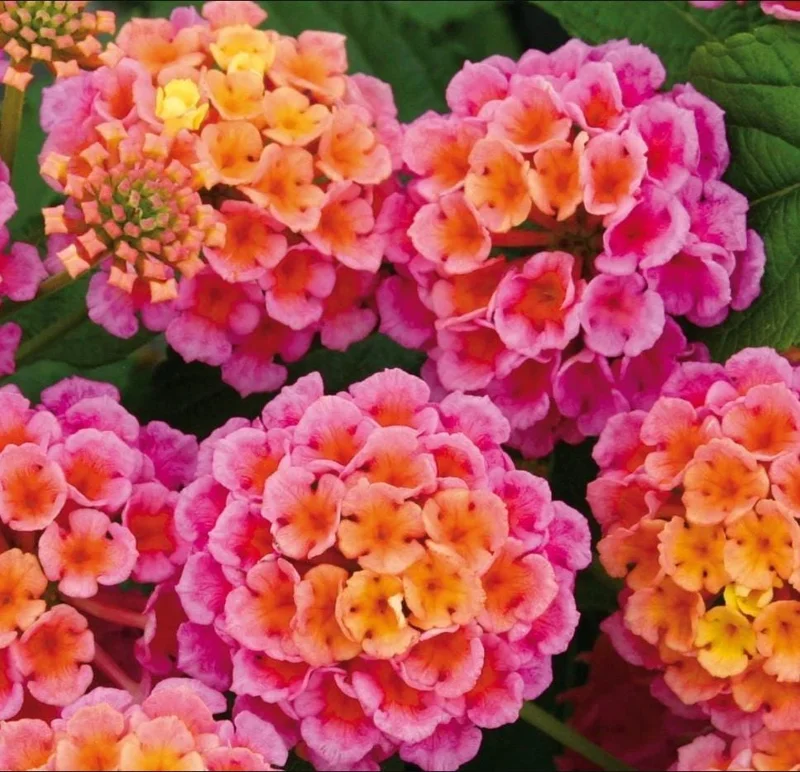
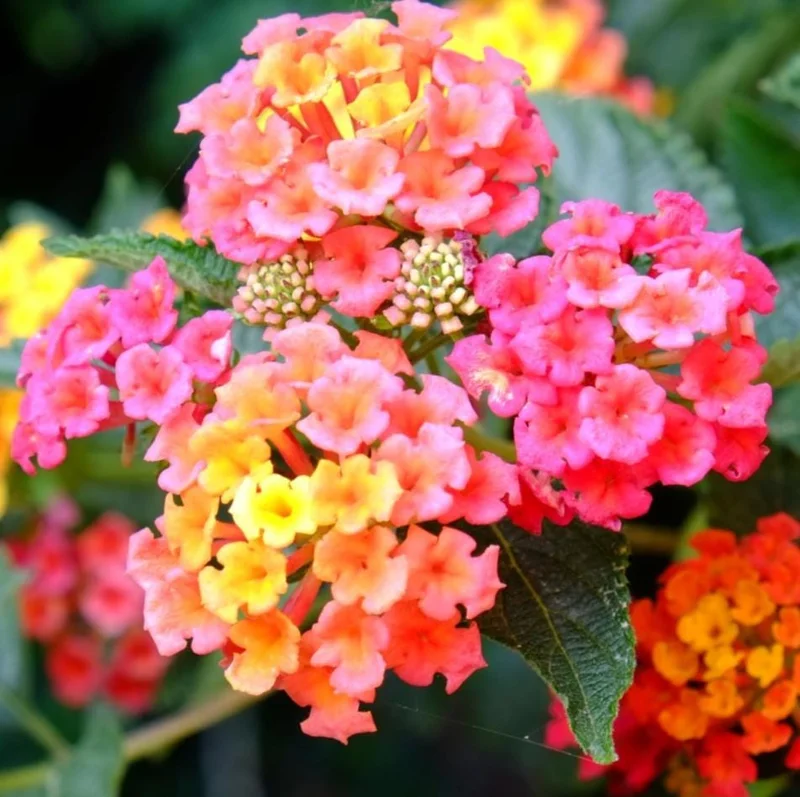
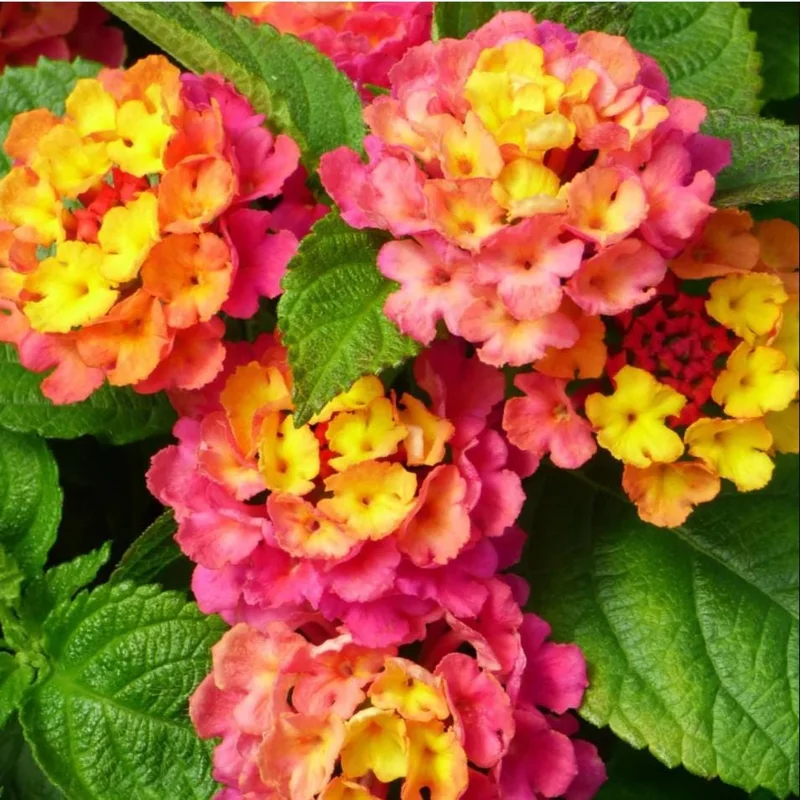
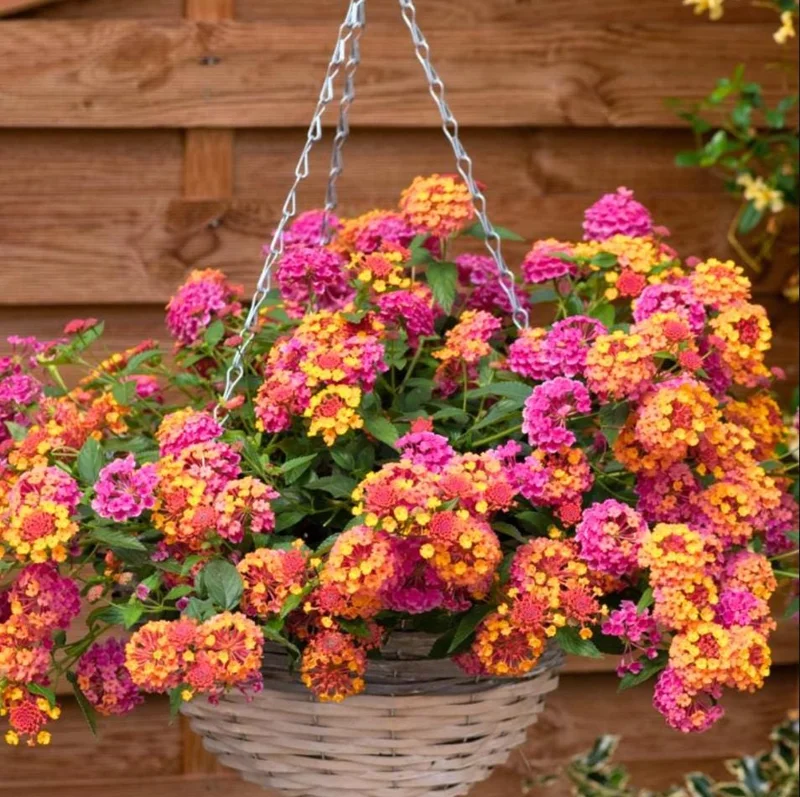
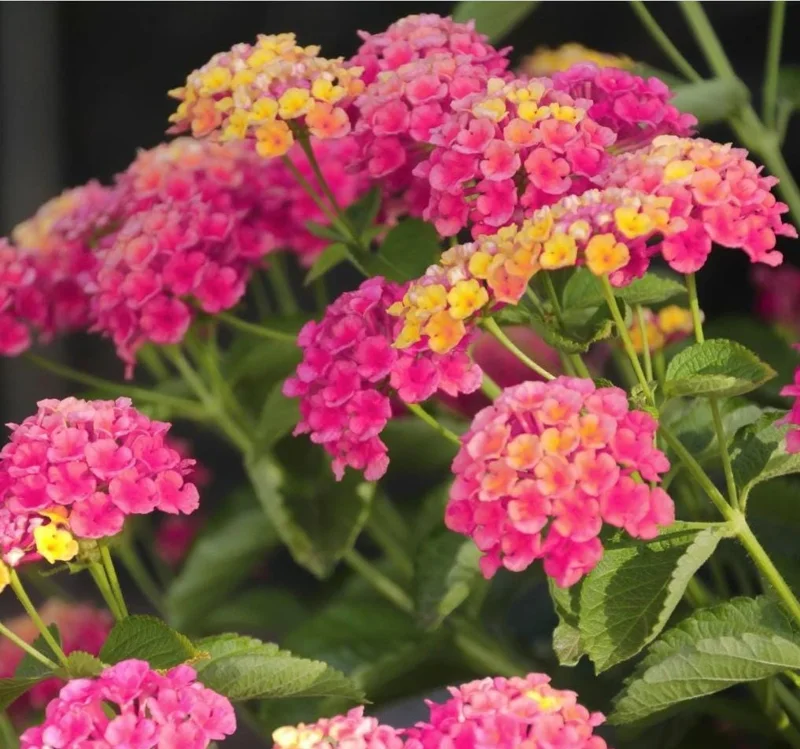
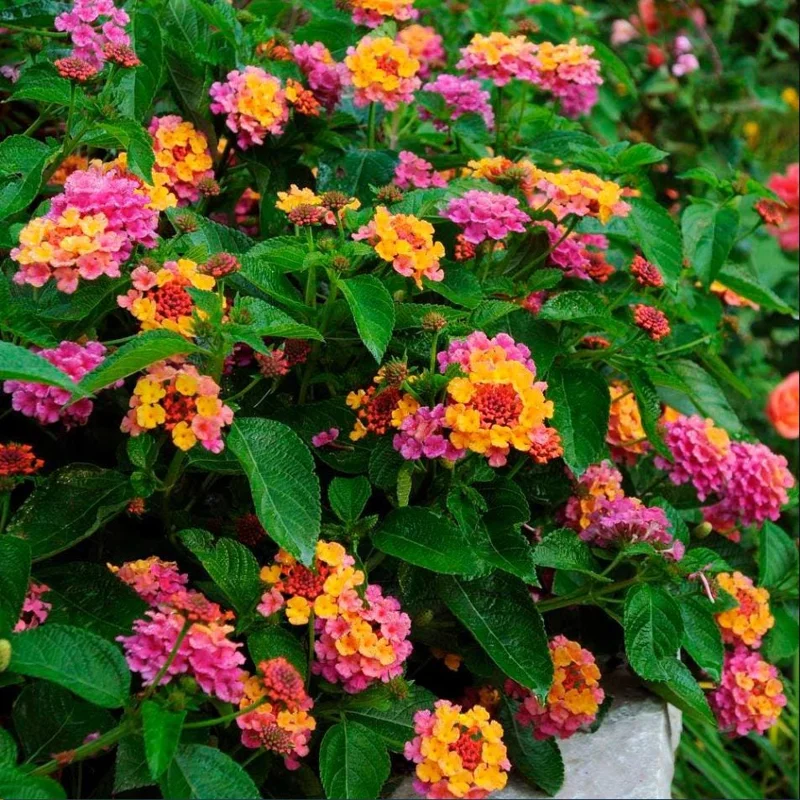
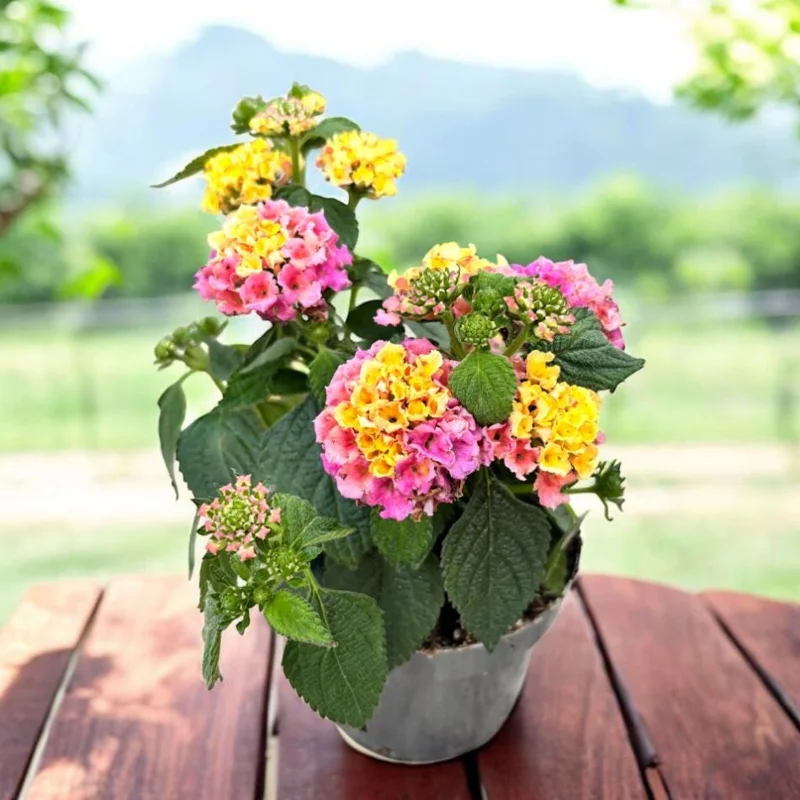
Transform your outdoor space with a stunning Lantana Rose live starter plant. Known for its clusters of vibrant, multi-colored flowers, Lantana camara ‘Rose’ adds a continuous splash of color from spring through fall. This particular variety, often simply called ‘Lantana Rose’, is a popular choice among gardeners for its vigorous growth and abundant blooms. As a perennial flowering plant, it returns year after year in warmer climates, providing reliable beauty. Our well-rooted starter plants are ready to establish quickly in your garden, promising a future of captivating blossoms. While your young plant may not be flowering upon arrival, it is healthy and poised to grow into a magnificent specimen, attracting butterflies and hummingbirds with its charm. This robust plant is perfect for those looking to add long-lasting, low-maintenance beauty to their landscape.
The Lantana Rose live starter plant is a versatile addition to various garden styles, including cottage gardens, xeriscapes, and container arrangements. Its ability to thrive in challenging conditions makes it a favorite for both experienced and novice gardeners. With proper care, this plant will reward you with a continuous display of rose-hued flowers, creating a lively and inviting atmosphere. Embrace the joy of growing lantana and watch your garden flourish with these resilient and beautiful plants.
Key Benefits
Investing in a Lantana Rose live starter plant brings numerous advantages to your garden and lifestyle. These plants are not only visually appealing but also offer practical benefits:
- Vibrant, Long-Lasting Blooms: Enjoy a continuous display of beautiful rose-colored flowers from spring until the first frost, providing extended seasonal interest. The prolific blooms are a hallmark of the perennial flowering lantana.
- Attracts Pollinators: The colorful flowers are a magnet for butterflies, bees, and hummingbirds, enhancing your garden’s biodiversity and ecological health.
- Drought-Tolerant: Once established, Lantana Rose is highly resilient to dry conditions, making it an excellent choice for water-wise gardening and reducing the need for frequent watering.
- Low Maintenance: This plant requires minimal fuss once settled, tolerating a range of soil conditions and thriving with basic care, perfect for busy gardeners.
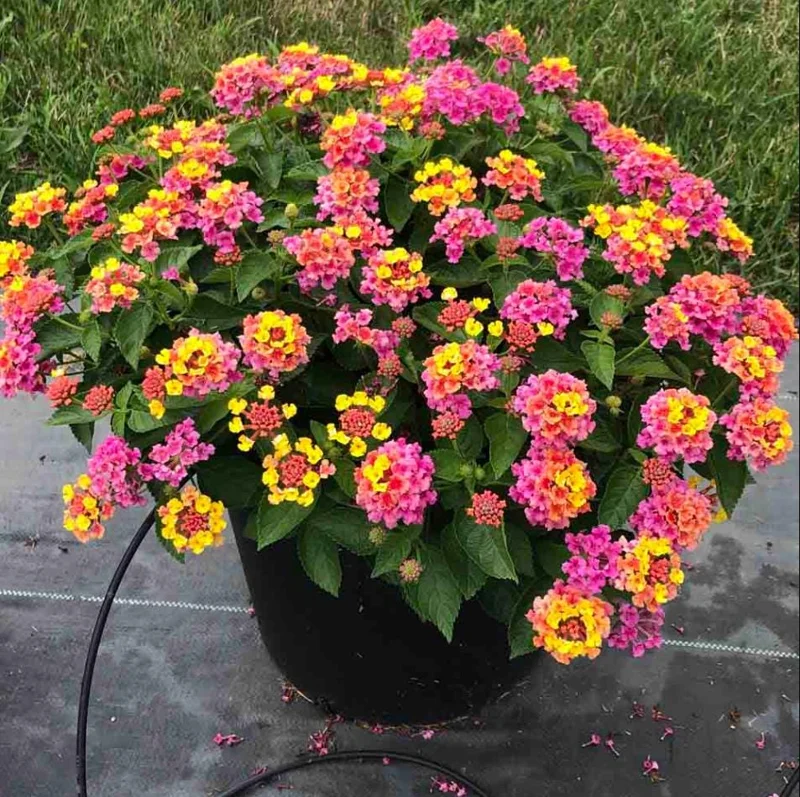
- Versatile Landscaping: Ideal for borders, ground cover, containers, hanging baskets, or mass plantings, adding flexibility to your garden design. It’s a fantastic outdoor lantana plant.
- Deer Resistant: Lantana is generally unpalatable to deer, offering a beautiful solution for gardens in areas prone to deer browsing.
- Heat Tolerant: Thrives in hot, sunny environments, making it suitable for regions with intense summer heat where other plants might struggle.
Plant Care & Growing Tips
Caring for your Lantana Rose live starter plant is relatively straightforward, ensuring a vibrant and healthy display. These plants are known for their resilience and ability to thrive in various conditions, especially warmth and sun. To ensure your plant flourishes, follow these essential care guidelines:
Sunlight Requirements: Lantana demands full sun to produce its most prolific blooms. This means at least 6-8 hours of direct sunlight daily. In shadier conditions, the plant may grow, but flowering will be significantly reduced. For optimal growth and a continuous burst of color, choose a location in your garden that receives ample sun exposure throughout the day. This strong sunlight also helps in developing a robust root system and preventing fungal issues.
Watering Schedule & Soil Moisture: While established Lantana is highly drought-tolerant, young starter plants and those in extreme heat periods prefer regular watering. Water deeply once or twice a week, allowing the top inch or two of soil to dry out between waterings. Avoid overwatering, as this can lead to root rot. During prolonged dry spells or heat waves, increase watering frequency. The goal is consistent moisture without sogginess. This practice is key for a healthy outdoor lantana plant.
Soil Type & Drainage: Lantana is not particularly fussy about soil, but it absolutely requires well-draining soil. It can tolerate a range of soil types, including sandy or loamy soils, as long as they do not retain excessive moisture. If you have heavy clay soil, amend it with organic matter like compost or sand to improve drainage. Good drainage is crucial to prevent waterlogging and ensure the plant’s health. The success of growing lantana from starter often depends on providing the right soil conditions from the beginning.
Temperature Range & USDA Hardiness Zone: Lantana is a tender perennial, typically hardy in USDA Zones 8-11. In these zones, it will return year after year. In colder zones (7 and below), it is usually grown as an annual or brought indoors for winter. It thrives in warm temperatures and does not tolerate frost. Protect young plants from unexpected cold snaps. Ideal growing temperatures are between 65°F and 85°F.
Fertilization: Lantana is not a heavy feeder. For most garden soils, a light application of a balanced, slow-release granular fertilizer in spring is sufficient. Too much nitrogen can promote foliage growth at the expense of flowers. For container-grown plants, a diluted liquid fertilizer every 4-6 weeks during the growing season can be beneficial. Always follow product instructions for application rates. Proper fertilization supports the vibrant blooms of your perennial flowering lantana.
Pruning: Light pruning can encourage bushier growth and more flowers. Deadhead spent blooms to encourage continuous flowering. In late winter or early spring, before new growth begins, you can prune back the plant by about one-third to encourage a fresh flush of growth and maintain a desirable shape. This is an important aspect of lantana plant care.
Size & Details
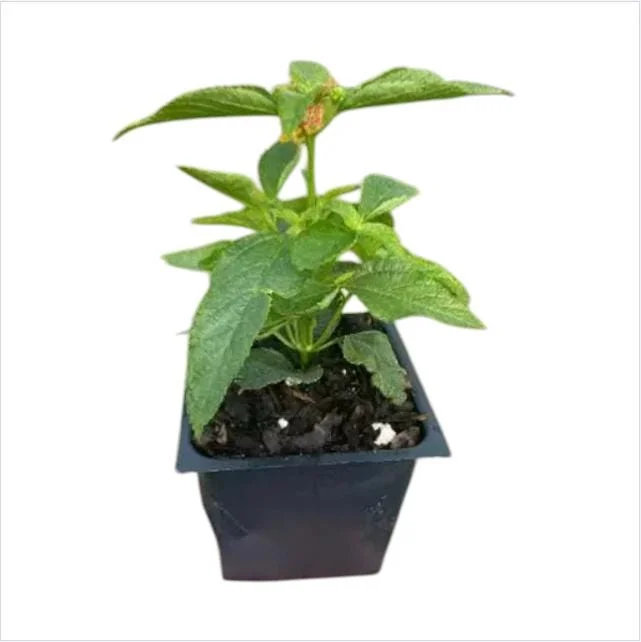
This offering is for one healthy Lantana Rose live starter plant, typically measuring 4 to 6 inches tall upon shipment. These young plants are well-rooted in soil, ready for transplanting into your garden or a larger pot. Starter plants are focused on developing a strong root system and foliage, so they may not have flowers or fruit at the time of delivery. With proper care and growing conditions, you can expect your lantana to begin flowering within its first growing season, usually within a few weeks to a couple of months after planting, depending on climate and care.
Once established, Lantana Rose can grow to a mature size of approximately 2-4 feet tall and wide, forming a dense, rounded shrub. Its growth rate is generally fast in ideal conditions. These plants are shipped without a pot to minimize shipping stress and cost, allowing for immediate planting upon arrival. Ensure you have a suitable planting location or container ready to give your new outdoor lantana plant the best start.
Frequently Asked Questions
- Q: How big does this plant get? A: Your Lantana Rose live starter plant typically arrives 4-6 inches tall. Once mature, it can reach a size of 2-4 feet in height and width, forming a beautiful, bushy perennial in favorable conditions.
- Q: Is this an indoor or outdoor plant? A: Lantana Rose is primarily an outdoor plant, thriving in full sun. While it can be overwintered indoors in colder climates, it is best suited for garden beds, containers, and landscaping outdoors.
- Q: How much sunlight does it need? A: This plant requires full sun, meaning at least 6-8 hours of direct sunlight per day, to produce the most abundant and vibrant blooms. Less sun will result in fewer flowers.
- Q: Is this plant easy to care for? A: Yes, Lantana Rose is considered a low-maintenance plant, especially once established. It is drought-tolerant and resilient, making lantana plant care relatively easy for gardeners of all experience levels.
- Q: What condition will it arrive in? A: You will receive one healthy, well-rooted starter plant, carefully packaged. It will be a young plant, with no flowers or fruit present upon arrival, focused on developing its root system.
- Q: When is the best time to plant this perennial flowering lantana? A: The best time to plant your Lantana Rose starter plant is in spring after all danger of frost has passed, or in early summer, allowing it ample time to establish before cooler weather.
- Q: Will it survive winter in my zone? A: Lantana Rose is hardy in USDA Zones 8-11, where it will typically return as a perennial. In colder zones, it is usually grown as an annual or brought indoors before the first frost.
- Q: Is this lantana plant toxic? A: Yes, all parts of the lantana plant, especially the berries, are considered toxic if ingested by humans or pets. It’s advisable to keep children and pets from consuming any part of the plant.
- Q: How do I encourage more blooms on my outdoor lantana plant? A: To encourage more blooms, ensure your plant receives full sun, water regularly during dry spells, and deadhead spent flowers. A light application of a balanced fertilizer in spring can also help.
- Q: What are the benefits of growing lantana from starter plants? A: Growing lantana from starter plants provides a head start compared to seeds, allowing for faster establishment and earlier blooming in your garden. You receive a healthy, actively growing plant ready for transplant.





Reviews
There are no reviews yet.