Overview
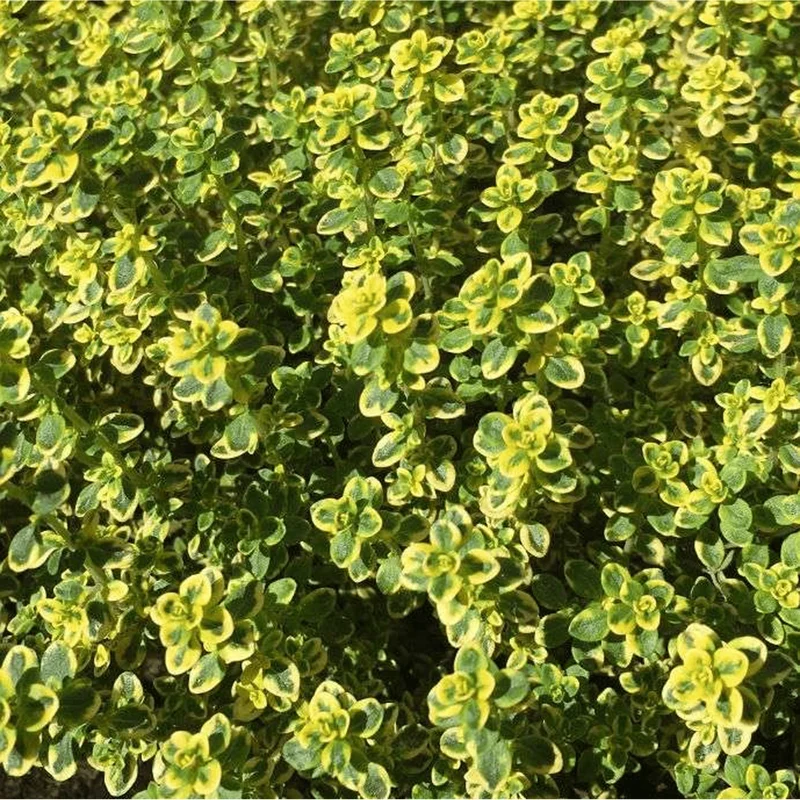
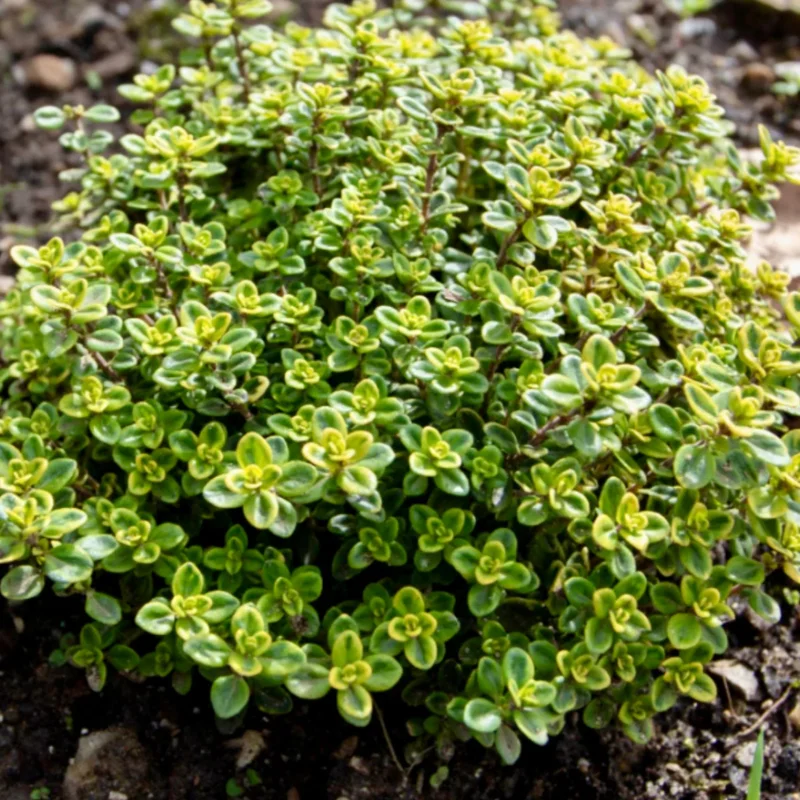
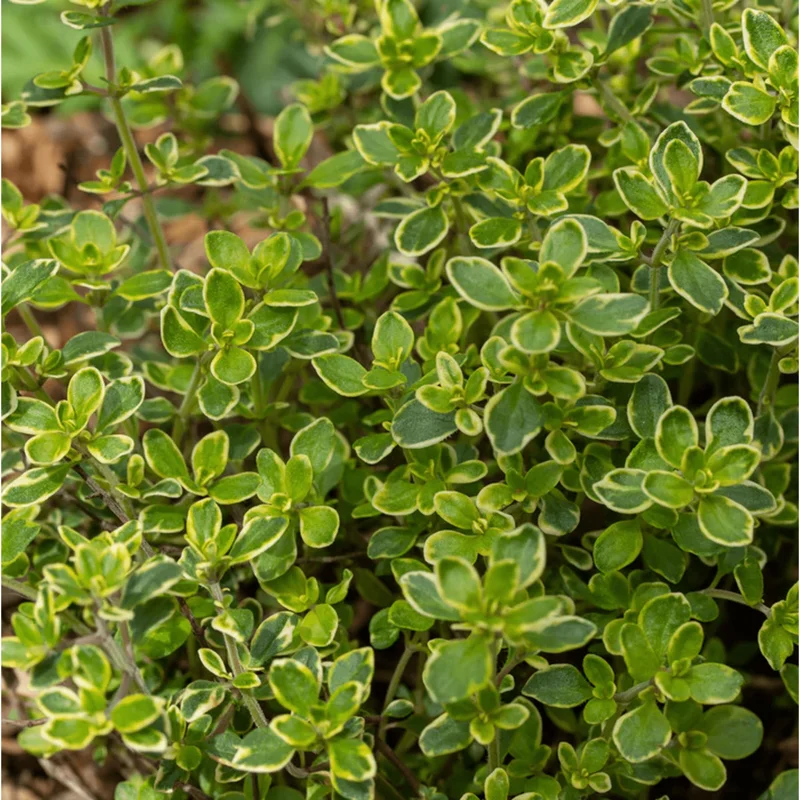
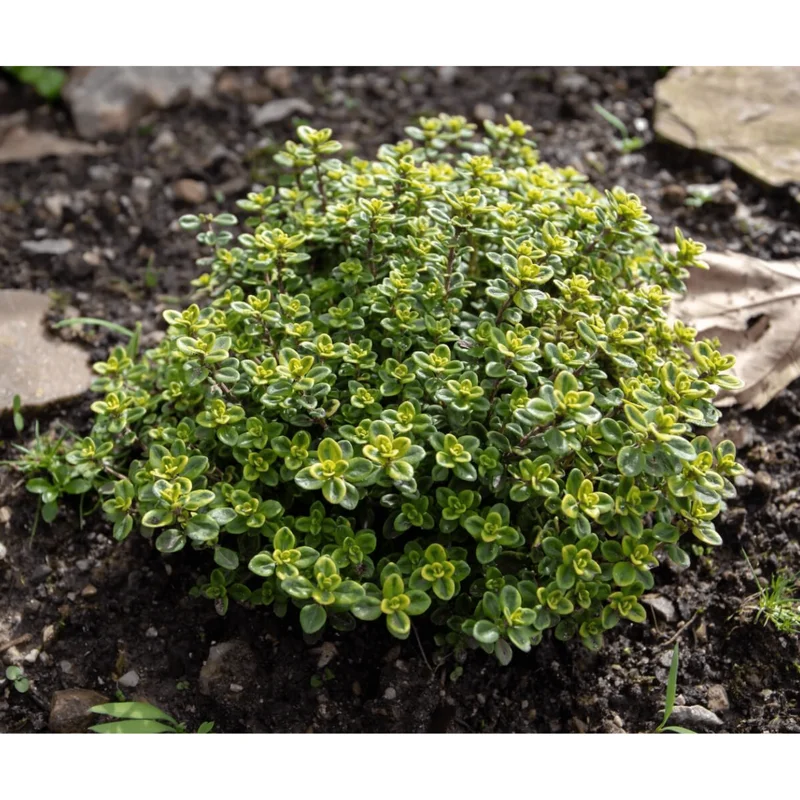
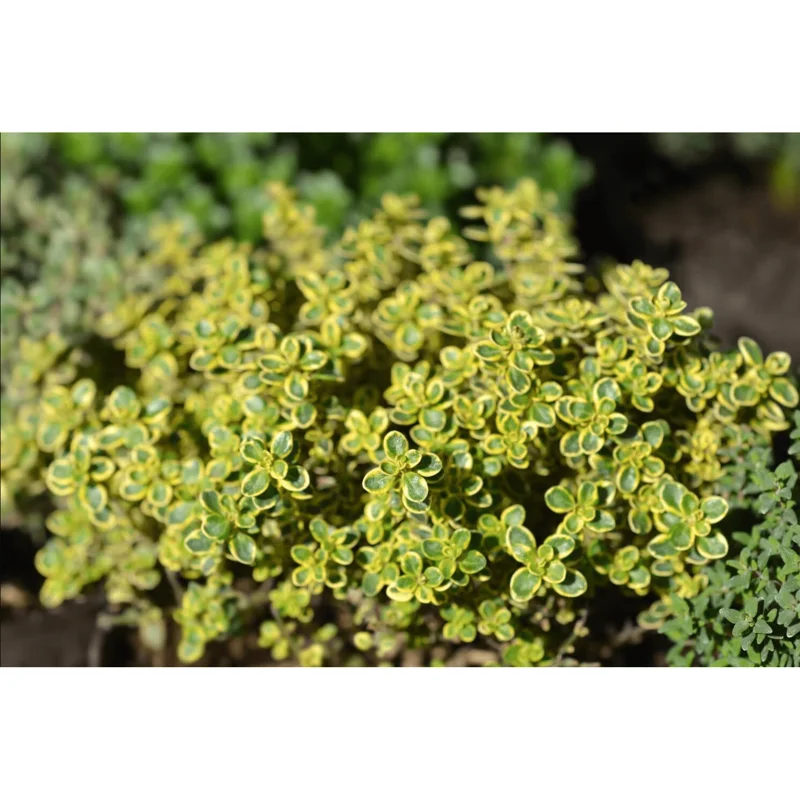
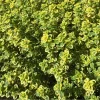
Introduce the delightful fragrance and flavor of lemon thyme live plant to your garden or kitchen with this convenient 3-pack of starter plants. Each plant measures between 4 to 9 inches tall, offering a robust foundation for a thriving herb patch. Lemon thyme live plant (Thymus x citriodorus) is a beloved perennial herb known for its distinct citrusy aroma and versatile culinary applications. This hybrid thyme variety is a cross between common thyme and large thyme, inheriting the best qualities of both parents. It’s an excellent choice for gardeners seeking a low-maintenance yet highly rewarding herb that can be enjoyed fresh or dried.
These lemon thyme herb plants are ideal for planting directly into your garden beds, herb spirals, containers, or even as an aromatic ground cover. Their compact growth habit and attractive foliage make them a beautiful addition to any landscape. Whether you’re an experienced gardener or just starting, these starter plants provide an easy way to cultivate a fresh supply of lemon thyme for cooking, aromatherapy, or simply to enjoy its pleasant scent.
Key Benefits
Cultivating lemon thyme live plant offers a multitude of advantages, from its sensory appeal to its practical uses in the kitchen. This resilient herb is not only easy to grow but also provides continuous enjoyment throughout the growing season.
- Aromatic & Culinary Delight: The primary benefit of lemon thyme live plant is its unique lemon-scented foliage, which adds a bright, zesty flavor to a wide array of dishes, including poultry, fish, vegetables, and desserts. It’s a staple for fresh herb use.
- Low Maintenance & Drought-Tolerant: Once established, lemon thyme herb is remarkably resilient. It requires minimal watering and care, making it an excellent choice for busy gardeners or those in drier climates.
- Attractive Ground Cover: Its low-growing, spreading habit makes it a fantastic choice for ground cover, especially in sunny, well-draining areas. It can help suppress weeds and adds visual interest to pathways and rock gardens.
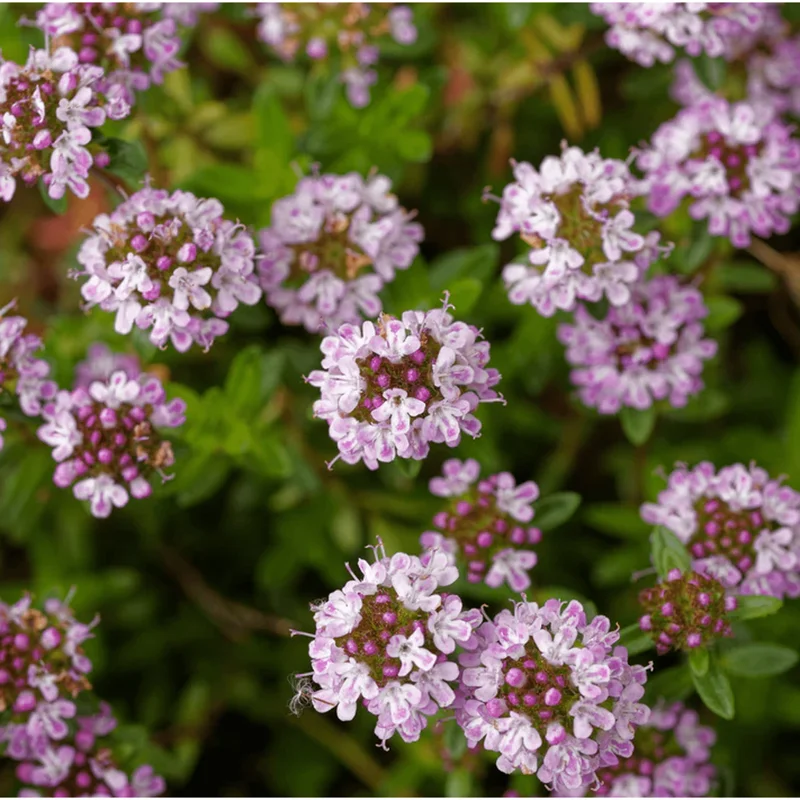
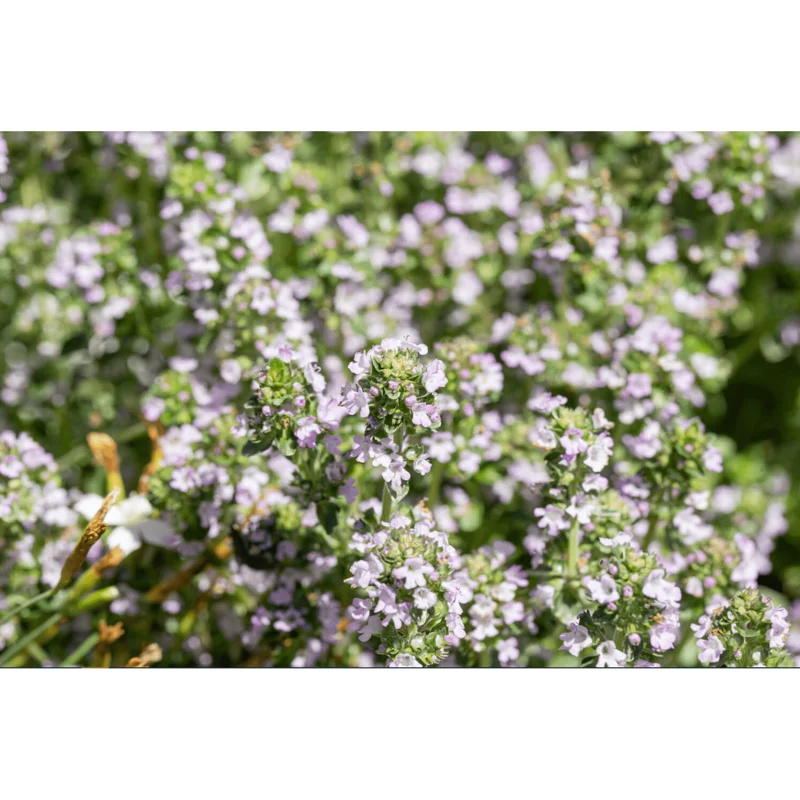
- Pollinator Attractor: When in bloom, lemon thyme produces small, delicate flowers that are highly attractive to bees and other beneficial pollinators, contributing to the health of your garden ecosystem.
- Fragrant Landscaping: Beyond its culinary uses, the delightful citrusy fragrance of lemon thyme live plant makes it a wonderful addition to sensory gardens or near seating areas where its aroma can be enjoyed.
- Pest Repellent Qualities: Some gardeners find that lemon thyme can help deter certain garden pests, offering a natural and organic approach to plant protection.
- Versatile Container Plant: Its compact size and trailing nature make it perfectly suited for growing in pots and containers, allowing you to enjoy fresh lemon thyme even on a patio, balcony, or windowsill.
Plant Care & Growing Tips
To ensure your lemon thyme live plant thrives, understanding its basic care requirements is essential. This hardy herb prefers conditions that mimic its Mediterranean origins, emphasizing well-draining soil and ample sunlight. For successful growing lemon thyme, consistent care during its establishment phase is crucial, followed by a more hands-off approach.
Sunlight: Lemon thyme live plant absolutely loves the sun. It requires full sun exposure, meaning at least 6 hours of direct sunlight per day, to produce its best flavor and maintain dense growth. In regions with intense summer heat, some afternoon shade might be beneficial, but generally, the more sun, the better. Ensure your planting location or container receives adequate light throughout the day.
Watering: When first transplanting your lemon thyme herb starter plants, keep the soil consistently moist but never waterlogged for the first few weeks to help them establish strong root systems. Once established, lemon thyme becomes quite drought-tolerant. Allow the top 2 inches of soil to dry out completely between waterings. Overwatering is a common cause of issues like root rot for this plant. In hot, dry weather, you may need to water more frequently, but always check the soil moisture first.
Soil: The most critical factor for growing lemon thyme successfully is well-draining soil. It cannot tolerate heavy, water-retentive soils. A sandy or gravelly loam with a neutral to slightly alkaline pH (6.5-7.5) is ideal. If planting in containers, use a good quality potting mix specifically formulated for herbs or succulents, often amended with perlite or sand to improve drainage. Good drainage prevents root rot and ensures healthy growth.
Temperature & Hardiness: Lemon Thyme is generally hardy in USDA Zones 5-9, though some varieties may tolerate Zone 4 with adequate winter protection. It prefers warm temperatures and can withstand light frosts. In colder climates, consider growing it in containers that can be moved indoors during winter. Protecting established plants with a layer of mulch can help them overwinter successfully.
Fertilization: Lemon thyme care does not typically require heavy feeding. In fact, too much fertilizer can diminish its flavor and fragrance. If your soil is poor, a light application of a balanced, all-purpose organic fertilizer in the spring can be beneficial. For container-grown plants, a diluted liquid feed once a month during the active growing season is sufficient. Avoid high-nitrogen fertilizers, which promote leafy growth at the expense of flavor.
Pruning: Regular pruning encourages bushier growth and prevents the plant from becoming woody and leggy. Pinch back the tips of young plants to promote branching. Harvest sprigs as needed for culinary use throughout the growing season. After flowering, trim back the plant by about one-third to encourage new growth and maintain its shape. This also helps in promoting continuous healthy development of your thymus x citriodorus.
Size & Details
This offering includes a pack of three individual lemon thyme live plant starter plants, each standing approximately 4 to 9 inches tall at the time of shipment. These young plants are ready for transplanting into your garden or preferred containers. The mature size of lemon thyme typically reaches about 6-12 inches in height with a spread of 12-18 inches, forming a dense, mat-like ground cover. Its growth rate is moderate, establishing itself well within the first growing season.
The plants are shipped without individual pots, often referred to as ‘no ship pot’ to optimize shipping and reduce waste, meaning they will arrive with their root ball intact, ready for immediate planting. Expect a continuous harvest of aromatic foliage throughout the spring and summer months. The small, delicate flowers typically appear in late spring to early summer, adding a touch of purple or pink to the green foliage. These plants are a perennial in suitable climates, providing years of enjoyment with proper lemon thyme care.
Frequently Asked Questions
- Q: How big does this plant get? A: Each lemon thyme live plant starter will arrive 4-9 inches tall. At maturity, it typically reaches 6-12 inches in height with a spread of 12-18 inches, forming a low, spreading mound.
- Q: Is this an indoor or outdoor plant? A: While thymus x citriodorus is primarily an outdoor plant, it can be grown indoors in a bright, sunny location with good air circulation and well-draining soil. It thrives outdoors in full sun.
- Q: How much sunlight does it need? A: Lemon thyme herb requires full sun, meaning at least 6 hours of direct sunlight per day, to achieve its best growth and flavor.
- Q: Is this plant easy to care for? A: Yes, growing lemon thyme is considered relatively easy, especially once established. It’s drought-tolerant and requires minimal fuss, making it suitable for beginners.
- Q: What condition will it arrive in? A: Your lemon thyme live plant will arrive as bare-root starter plants, carefully packaged to ensure their health. They will be ready for immediate planting upon arrival.
- Q: Can I use lemon thyme in cooking? A: Absolutely! Lemon thyme live plant is highly prized for its culinary versatility, adding a bright, citrusy flavor to a wide range of savory and sweet dishes.
- Q: How long until it blooms? A: Established lemon thyme plants typically bloom in late spring to early summer, producing small, attractive flowers that also attract pollinators.
- Q: What’s the best time to plant this lemon thyme? A: The best time for growing lemon thyme is in spring after the last frost, allowing it ample time to establish before the heat of summer or the cold of winter.
- Q: Will it survive winter in my zone? A: Lemon thyme is hardy in USDA Zones 5-9. In colder zones, it may require winter protection or can be grown as an annual or brought indoors.
- Q: Is lemon thyme pet-safe? A: Lemon thyme is generally considered non-toxic to pets, but ingesting large quantities of any plant can cause mild digestive upset. It’s always best to monitor pets around plants.





Reviews
There are no reviews yet.