Overview
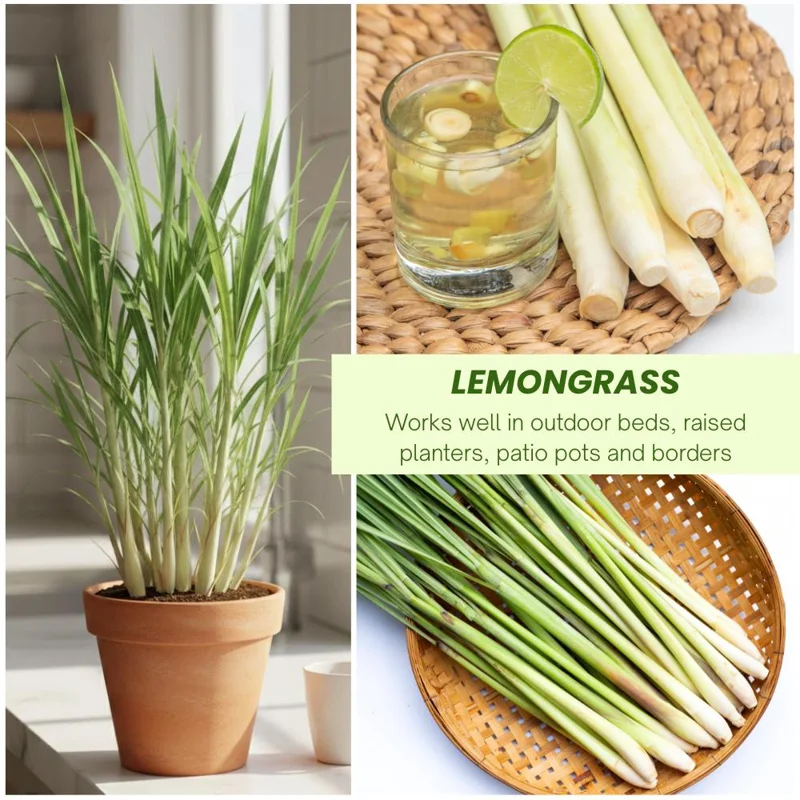
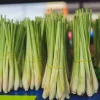
Bring the vibrant flavors and intoxicating aroma of the tropics to your home with a robust lemongrass live plant. This beautiful and versatile herb, scientifically known as Cymbopogon citratus, is a staple in many Asian cuisines and offers a refreshing, lemon-scented fragrance. Our lemongrass live plant arrives healthy and ready to thrive, typically standing 8-10 inches tall, making it an excellent addition to any edible garden or patio container. Whether you’re a seasoned gardener or a culinary enthusiast looking to grow your own ingredients, this plant provides both aesthetic appeal and practical utility. Its upright, grassy foliage adds a unique texture to garden spaces, while its stalks are prized for their distinctive citrusy, slightly gingery flavor in cooking. This plant is a fantastic choice for anyone interested in growing lemongrass at home.
The lemongrass live plant is renowned for its ease of cultivation, adapting well to various growing conditions as long as it receives adequate warmth and sunlight. It’s a perennial in warmer zones and can be grown as an annual or brought indoors during winter in cooler climates. Beyond its culinary uses, lemongrass is also appreciated for its ornamental value and its natural ability to deter certain insects, adding another layer of benefit to your garden. Enjoy the satisfaction of harvesting fresh lemongrass right from your backyard or balcony, ready to infuse your teas, soups, curries, and stir-fries with its unmistakable zest. This plant truly embodies the essence of a functional and beautiful garden.
Key Benefits
The lemongrass live plant offers a multitude of benefits, from enhancing your culinary creations to enriching your garden’s aesthetic and contributing to a healthier lifestyle. It’s a truly rewarding plant to cultivate.
- Culinary Versatility: Fresh lemongrass is an indispensable ingredient in Asian cooking, imparting a bright, citrusy, and slightly spicy flavor to soups, curries, teas, and marinades. Having a lemongrass live plant on hand means you always have access to this unique flavor.
- Aromatic Appeal: The plant emits a delightful, clean, and refreshing lemon scent, making it a wonderful addition to sensory gardens or near seating areas where its fragrance can be enjoyed.
- Natural Insect Repellent: Lemongrass contains citronella, a natural compound known for its insect-repelling properties, helping to keep mosquitoes and other pests at bay naturally.
- Easy to Grow: This resilient herb is relatively low-maintenance, thriving with minimal fuss once established, making growing lemongrass accessible even for beginner gardeners.
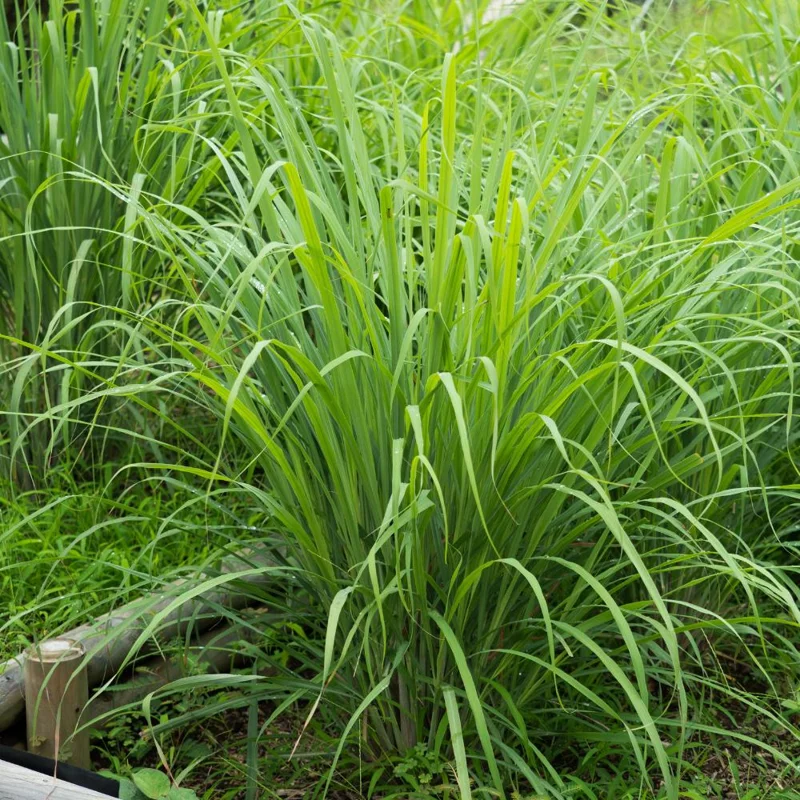
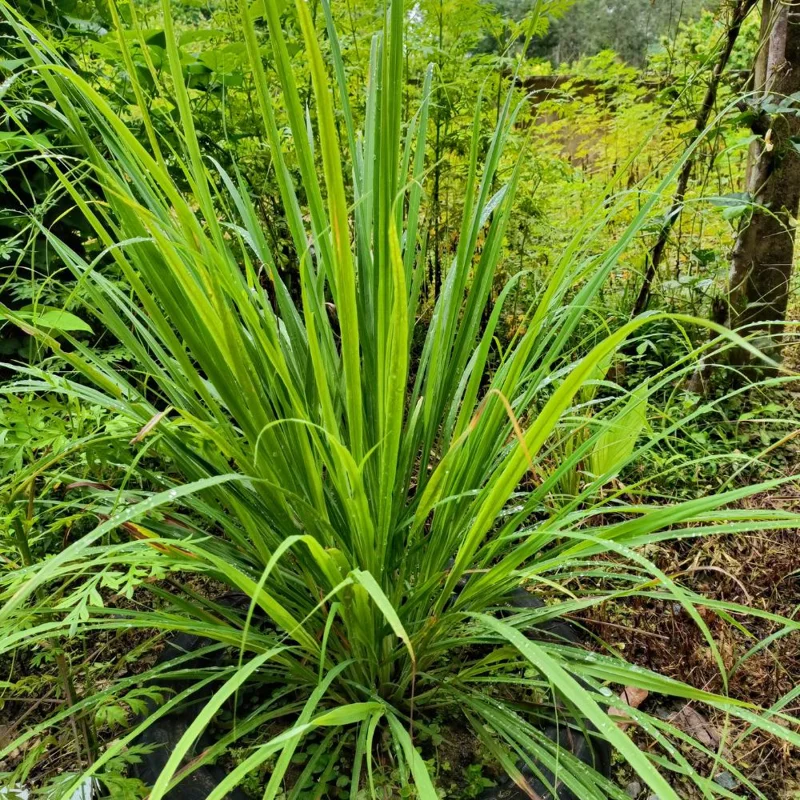
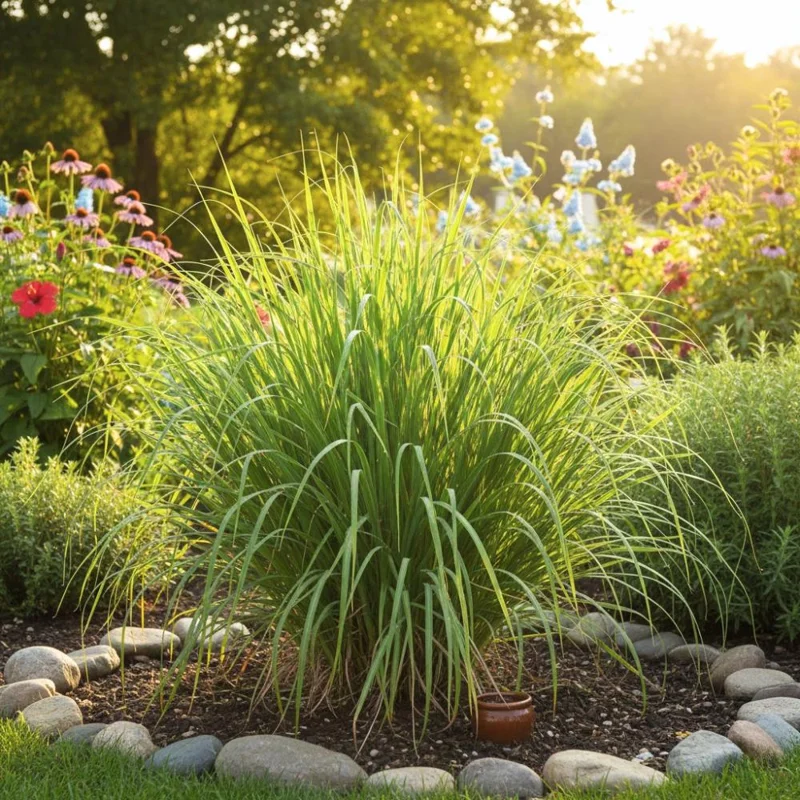
- Ornamental Value: With its graceful, upright grassy foliage, the lemongrass plant adds a distinct vertical element and texture to garden beds, borders, or container arrangements.
- Health Benefits: Lemongrass is often used in traditional medicine for its purported digestive, anti-inflammatory, and antioxidant properties, making it a healthful addition to your home garden.
- Container Friendly: Perfect for container planting, allowing you to grow it on patios, balconies, or bring it indoors during colder months, ensuring you can always enjoy your edible garden herb.
Plant Care & Growing Tips
Caring for your lemongrass live plant is straightforward, and with a few key considerations, you can ensure a vigorous and productive herb for many seasons. Lemongrass thrives in warm, sunny environments, mimicking its native tropical conditions. For optimal growth, aim to provide at least 6-8 hours of direct sunlight per day. In very hot climates, a little afternoon shade can prevent leaf scorch, but generally, the more sun, the better. When it comes to watering, lemongrass prefers consistently moist soil but not waterlogged conditions. Allow the top inch or two of soil to dry out slightly between waterings, especially for plants in containers, then water deeply until it drains from the bottom. Good drainage is crucial to prevent root rot.
The ideal soil for growing lemongrass is rich, well-draining, and slightly acidic to neutral (pH 6.0-7.0). Incorporating organic matter like compost into your garden bed or potting mix will provide essential nutrients and improve soil structure. Fertilize your lemongrass live plant every 4-6 weeks during the growing season (spring through fall) with a balanced liquid fertilizer or a slow-release granular fertilizer formulated for herbs. Reduce feeding during winter dormant periods. Lemongrass is generally pest-resistant, but occasionally, aphids or spider mites may appear; these can usually be managed with insecticidal soap or a strong spray of water. In USDA zones 9-11, lemongrass can be grown as a perennial outdoors. In colder zones, it’s best to grow it in a pot and bring it indoors before the first frost, placing it in a bright location with reduced watering.
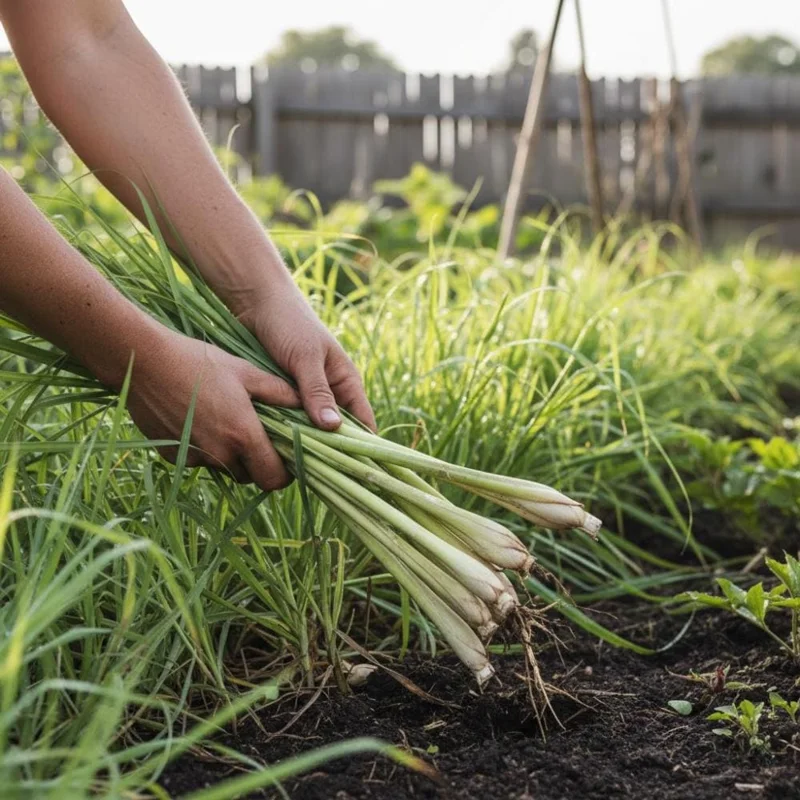
To encourage bushier growth and more stalks, you can harvest the outer stalks as needed by cutting them at the soil line. Regular harvesting also stimulates new growth. Keep an eye out for any yellowing leaves, which might indicate overwatering or a nutrient deficiency. Proper lemongrass plant care involves consistent warmth, ample sunlight, and regular moisture, ensuring a healthy and productive plant for your kitchen and garden. If you’re looking to buy lemongrass plant for culinary uses, understanding these care tips will ensure its success.
Size & Details
This offering is for a vibrant lemongrass live plant, typically measuring between 8 to 10 inches tall from the base of the plant to the tip of its tallest leaves upon arrival. It is shipped in a nursery pot, ready for transplanting into your garden bed or a larger container. The plant is robust and well-rooted, ensuring a strong start in its new environment. Lemongrass is a fast-growing herb, and with proper care, it can quickly reach mature heights of 3 to 5 feet tall and spread 2 to 3 feet wide within a single growing season, especially in ideal warm climates. This makes it an excellent choice for creating a lush, tropical feel in your garden or a substantial harvest for your culinary needs.
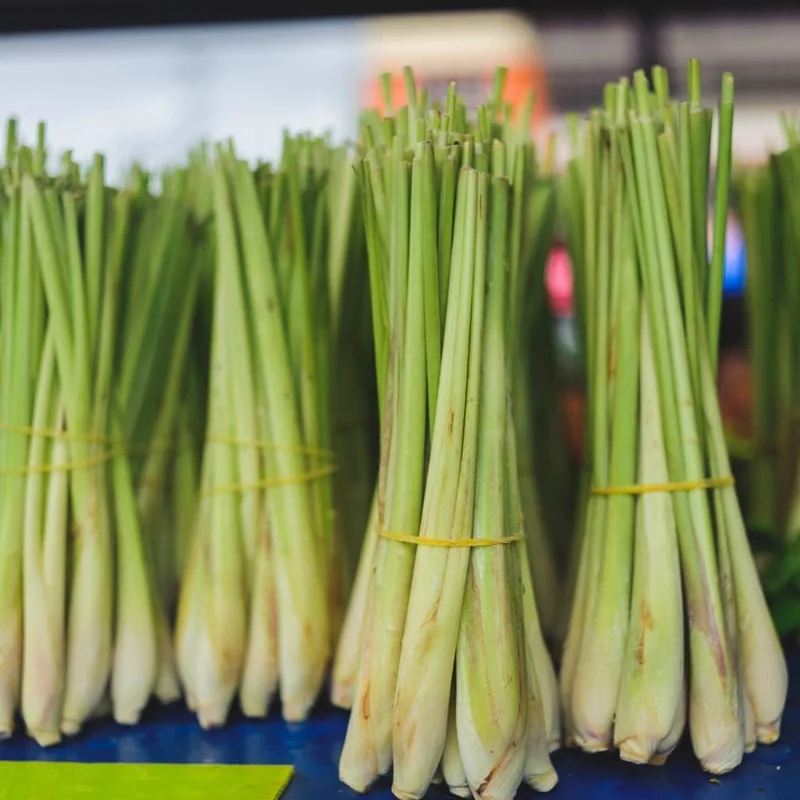
The plant develops strong, upright stems that are harvested for their flavorful lower portions. While exact growth rates vary based on climate and care, you can expect to begin harvesting young stalks within a few months of planting. Our plants are cultivated to be vigorous and healthy, providing a solid foundation for your edible garden herb project. The mature stalks are firm and fragrant, perfect for a wide range of recipes.
Frequently Asked Questions
- Q: How big does this plant get? A: This lemongrass live plant typically arrives 8-10 inches tall. With proper care, it can grow to a mature height of 3-5 feet and spread 2-3 feet wide in a single growing season, especially in warm climates.
- Q: Is this an indoor or outdoor plant? A: Lemongrass thrives outdoors in full sun in USDA zones 9-11. In colder climates, it can be grown as an annual outdoors or successfully grown in containers and brought indoors during winter.
- Q: How much sunlight does it need? A: For optimal growth and flavor, your lemongrass live plant requires at least 6-8 hours of direct sunlight per day. It loves warmth and bright light.
- Q: Is this plant easy to care for? A: Yes, growing lemongrass is generally considered easy. It’s a low-maintenance plant that primarily needs consistent warmth, ample sunlight, and regular watering. It’s a great choice for beginners.
- Q: What condition will it arrive in? A: Your lemongrass live plant will arrive healthy and well-rooted in a nursery pot, ready for transplanting into your chosen garden spot or a larger container.
- Q: Can I use lemongrass in cooking? A: Absolutely! This edible garden herb is highly prized for its unique citrusy, gingery flavor and is a key ingredient in many Asian cuisines, perfect for soups, curries, teas, and stir-fries.
- Q: What size pot does it come in? A: The plant is shipped in a standard nursery pot, typically a 4-inch or 6-inch size, suitable for its initial growth and safe transport. We recommend transplanting it into a larger pot or garden bed upon arrival.
- Q: When is the best time to plant? A: The best time to plant your lemongrass live plant is after all danger of frost has passed in spring, once soil temperatures have warmed up. If growing in containers, you can start it earlier indoors.
- Q: Will it survive winter in my zone? A: In USDA zones 9-11, lemongrass can overwinter outdoors as a perennial. In zones colder than 9, it needs to be brought indoors before the first frost or treated as an annual.
- Q: What’s the minimum temperature it can tolerate? A: Lemongrass is sensitive to cold. It generally cannot tolerate temperatures below 40°F (4°C) for extended periods and will suffer frost damage below 32°F (0°C).




Reviews
There are no reviews yet.