Overview
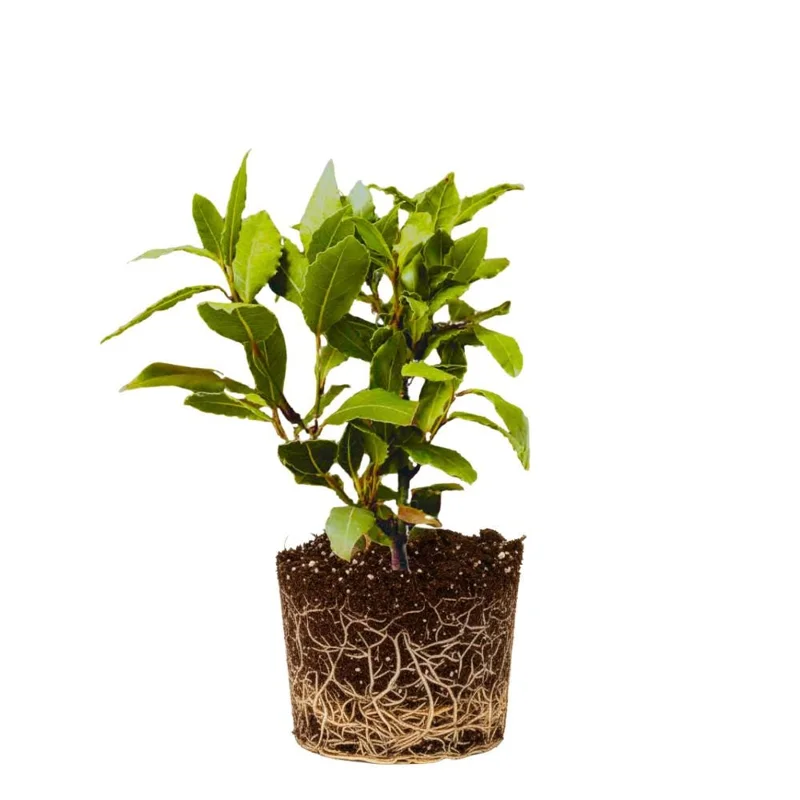
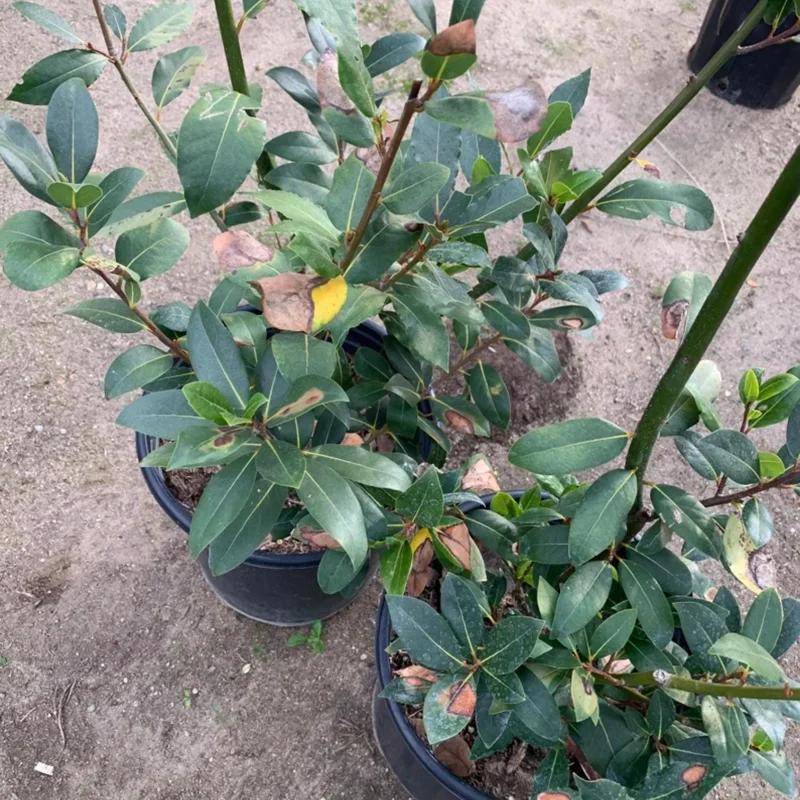
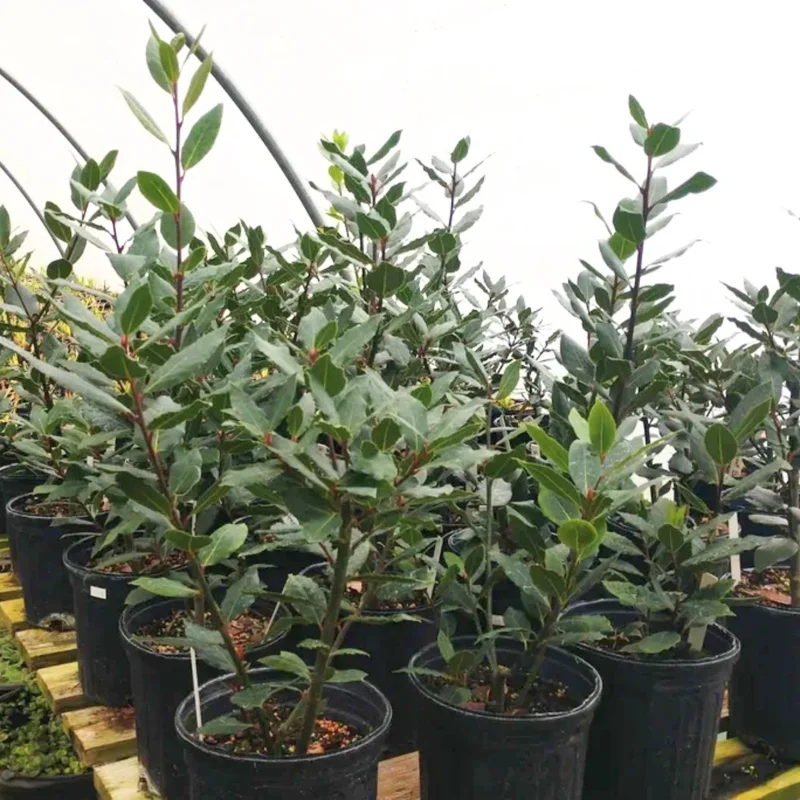
Introduce a touch of Mediterranean charm and culinary excellence to your home or garden with this exquisite bay leaf live plant. Also widely known as Bay Laurel or Laurus nobilis plant, this young specimen measures 4-6 inches tall, offering a perfect starting point for cultivating your own fresh bay leaves. Renowned for its aromatic foliage, the bay leaf is an indispensable herb in kitchens worldwide, lending a savory, slightly earthy flavor to soups, stews, sauces, and roasts. This live plant offers an endless supply of fresh leaves, surpassing the flavor and potency of dried alternatives. Whether you’re an experienced gardener or a budding chef, growing your own bay leaf plant is a rewarding endeavor that enhances both your culinary creations and your living space.
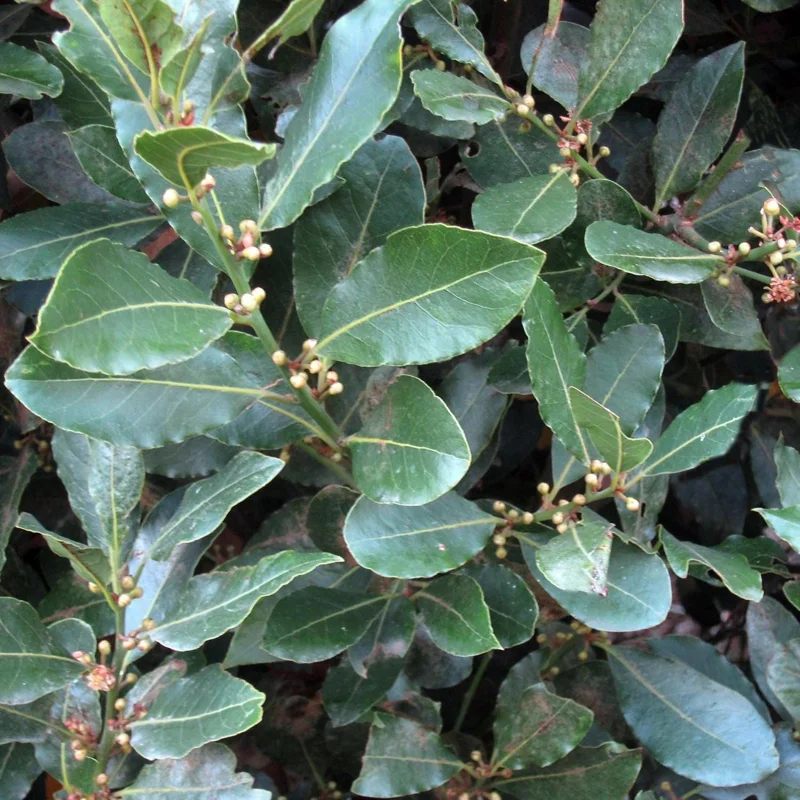
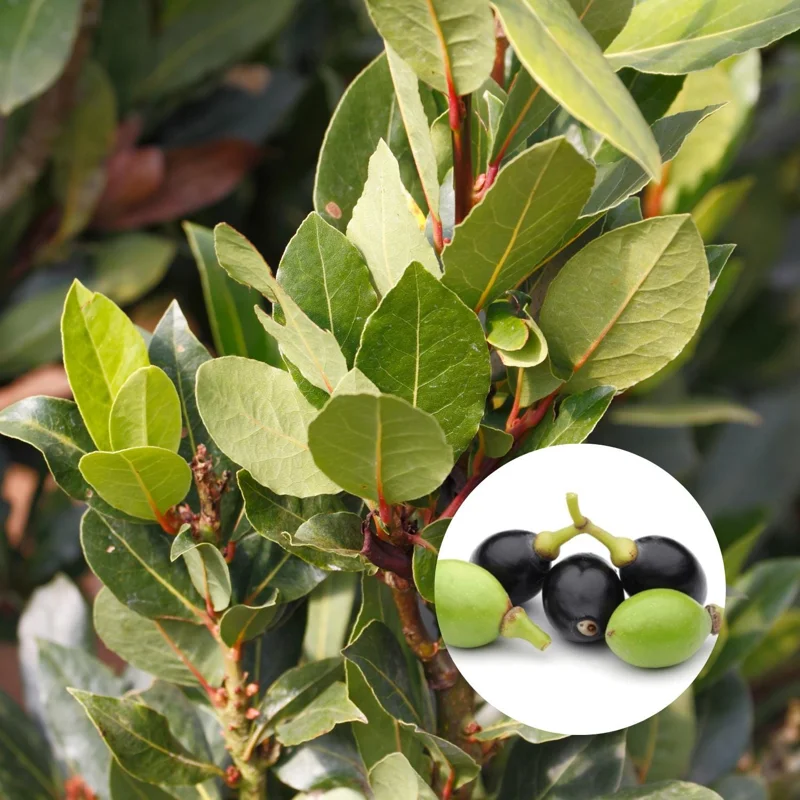
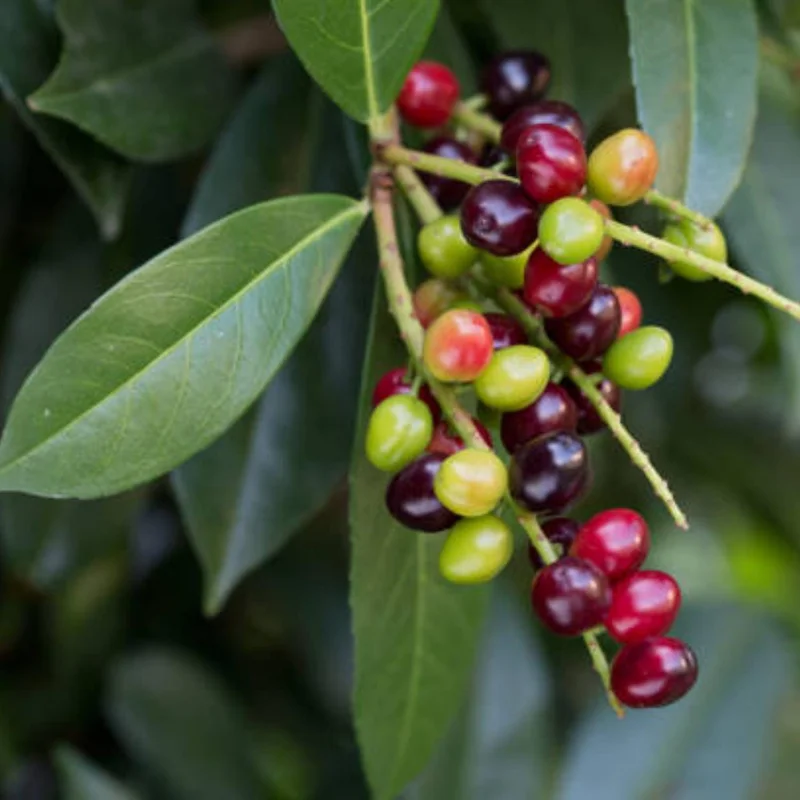
The Laurus nobilis plant is celebrated not only for its practical use but also for its ornamental appeal. Its glossy, dark green leaves and upright growth habit make it an attractive addition to any setting. This particular variety is grown for its robust nature and ease of cultivation, making it suitable for a wide range of environments. You can nurture it in a container on a sunny windowsill, allowing you to enjoy fresh bay leaves year-round, or integrate it into your outdoor garden where it can flourish into a magnificent shrub or small tree in warmer climates. Its adaptability and culinary value make it a must-have for anyone passionate about fresh ingredients and gardening.
Key Benefits
Owning a bay leaf live plant brings a multitude of benefits, from enhancing your cooking to beautifying your home. This versatile herb enriches your life in several practical and aesthetic ways.
- Fresh Culinary Ingredient: Enjoy an unlimited supply of fresh bay leaves for your kitchen. Fresh leaves offer a more intense and nuanced flavor compared to dried ones, elevating your dishes to a new level. The distinct herbal aroma is perfect for stews, soups, and marinades.
- Ornamental Appeal: With its elegant, glossy green foliage and structured growth, the Laurus nobilis plant serves as a beautiful decorative element. It can be pruned into various shapes, including topiary forms, adding sophistication to patios, balconies, or indoor spaces.
- Versatile Growing Options: This plant is highly adaptable, thriving in outdoor gardens in USDA Hardiness Zones 8–11 and performing exceptionally well as a container plant indoors in cooler regions. Its flexibility allows you to enjoy fresh bay leaves regardless of your local climate.
- Low Maintenance Herb: Once established, the bay leaf plant is relatively easy to care for, requiring moderate watering and good sunlight. It’s a robust plant that tolerates a range of conditions, making it suitable for busy gardeners.
- Air Purification Benefits: Like many plants, the culinary bay laurel contributes to a healthier indoor environment by improving air quality, making your living space fresher and more pleasant.
- Drought Tolerance: The bay leaf plant exhibits good drought tolerance once mature, reducing the frequency of watering needed, especially in established outdoor settings.
- Long-Term Investment: A well-cared-for bay leaf plant can provide fresh leaves for many years, proving to be a sustainable and economical source of this valuable herb.
Plant Care & Growing Tips
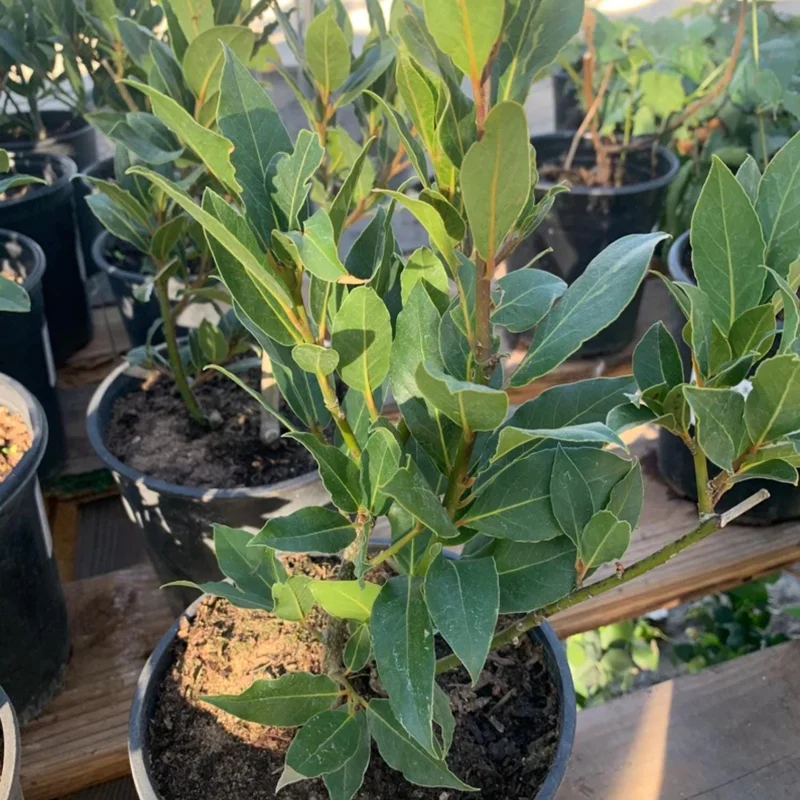
Caring for your bay leaf live plant is straightforward, ensuring a continuous supply of flavorful leaves for your culinary adventures. Understanding its basic needs for light, water, and soil will help your Laurus nobilis plant thrive. This plant prefers a location with ample sunlight, ideally receiving at least 6 hours of direct sun daily. While it can tolerate partial shade, full sun promotes denser foliage and more vigorous growth. When grown indoors, place it near a south or west-facing window to ensure it gets sufficient light. Rotate the pot periodically to encourage even growth.
Watering is crucial, but overwatering should be avoided. The bay leaf plant requires well-draining soil and prefers the soil surface to dry out slightly between waterings. Stick your finger about an inch into the soil; if it feels dry, it’s time to water. During hotter months, it may need more frequent watering, while in cooler periods or when indoors, reduce the frequency. Ensure your container has drainage holes to prevent root rot. A good quality potting mix designed for herbs or general houseplants with added perlite or sand for drainage works best. The plant is suitable for USDA Hardiness Zones 8–11 outdoors, but if you live in a colder climate, it must be brought indoors during winter to protect it from frost. To help grow bay leaf indoors, ensure it has a consistent temperature and is away from cold drafts.
Fertilize your bay leaf plant sparingly, typically once a month during the growing season (spring and summer) with a balanced liquid fertilizer diluted to half strength. Avoid fertilizing in fall and winter when the plant’s growth naturally slows. Pruning can be done to maintain its shape, control size, and encourage bushier growth. You can harvest leaves as needed, simply snipping them from the plant. Watch out for common pests like scale insects or mealybugs; address them promptly with insecticidal soap if they appear. Providing these basic conditions will ensure your culinary bay laurel remains healthy and productive.
Size & Details
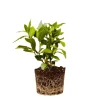
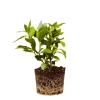
This offering is for a single bay leaf live plant, specifically a young specimen of Laurus Nobilis, measuring approximately 4-6 inches tall from the soil line. It is shipped without a pot, allowing you to choose the perfect container or integrate it directly into your garden. Upon arrival, we recommend potting it into a 6-inch diameter pot or larger, using a high-quality, well-draining potting mix. The plant exhibits an upright growth habit and, with proper care, can eventually reach several feet tall as a potted plant or significantly larger when planted in the ground in suitable climates.
The growth rate of the Laurus nobilis plant is moderate, allowing for easy management and shaping through regular pruning. Its firm, dark green leaves with a distinctive herbal aroma are ready for harvest as they mature. This plant is a long-lived perennial, providing years of fresh leaves. It performs best when given adequate space to grow, whether in a container or in a landscape bed. The robust root system ensures a healthy start, setting the stage for a thriving herb plant for your home or garden.
Frequently Asked Questions
- Q: How big does this plant get? A: This bay leaf live plant is currently 4-6 inches tall. When grown in a container, it can typically reach 2-6 feet tall, depending on pruning. In ideal outdoor conditions (USDA Zones 8-11), it can grow into a large shrub or small tree, reaching 10-20 feet or more.
- Q: Is this an indoor or outdoor plant? A: The Laurus nobilis plant is versatile. It can be grown outdoors in USDA Hardiness Zones 8-11 year-round. In cooler climates, it thrives as a container plant and should be brought indoors during winter to protect it from frost, making it perfect to grow bay leaf indoors.
- Q: How much sunlight does it need? A: A culinary bay laurel prefers full sun to partial shade, meaning it performs best with at least 6 hours of direct sunlight daily. If grown indoors, place it in the brightest spot available, such as near a south or west-facing window.
- Q: Is this plant easy to care for? A: Yes, the bay leaf plant is considered relatively easy to care for. It requires well-draining soil, moderate watering, and sufficient sunlight. It’s quite resilient once established, making it suitable for gardeners of all experience levels.
- Q: What condition will it arrive in? A: Your bay leaf live plant will arrive carefully packaged, healthy, and ready for planting. It is shipped without a pot, so you will need to prepare a suitable container or garden spot for it upon arrival.
- Q: Can I use bay leaf in cooking right away? A: Once your plant has settled and started producing new growth, you can begin harvesting leaves for culinary use. It’s best to allow the plant to establish itself for a few weeks after planting before harvesting heavily.
- Q: What type of soil does a bay leaf plant need? A: This plant thrives in well-draining soil. For container planting, use a high-quality potting mix amended with perlite or sand to improve drainage. For outdoor planting, ensure your garden soil is not overly heavy or waterlogged.
- Q: How often should I water my bay leaf plant? A: Water moderately, allowing the top inch of soil to dry out between waterings. Overwatering can lead to root rot. Adjust frequency based on temperature, humidity, and whether the plant is indoors or outdoors.
- Q: Is the bay leaf plant pet-safe? A: While bay leaves are used in cooking, some sources advise caution regarding pets. It’s generally recommended to keep ornamental plants out of reach of curious pets.
- Q: When is the best time to plant? A: If planting outdoors in suitable zones, spring or early fall are ideal. For container growing indoors, you can plant year-round.




Reviews
There are no reviews yet.