Overview
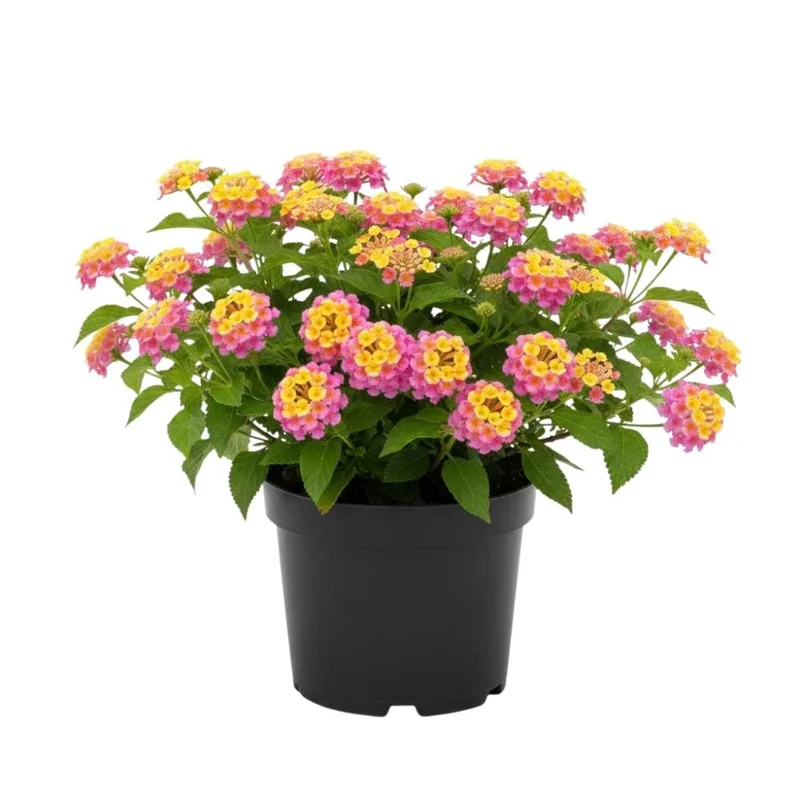
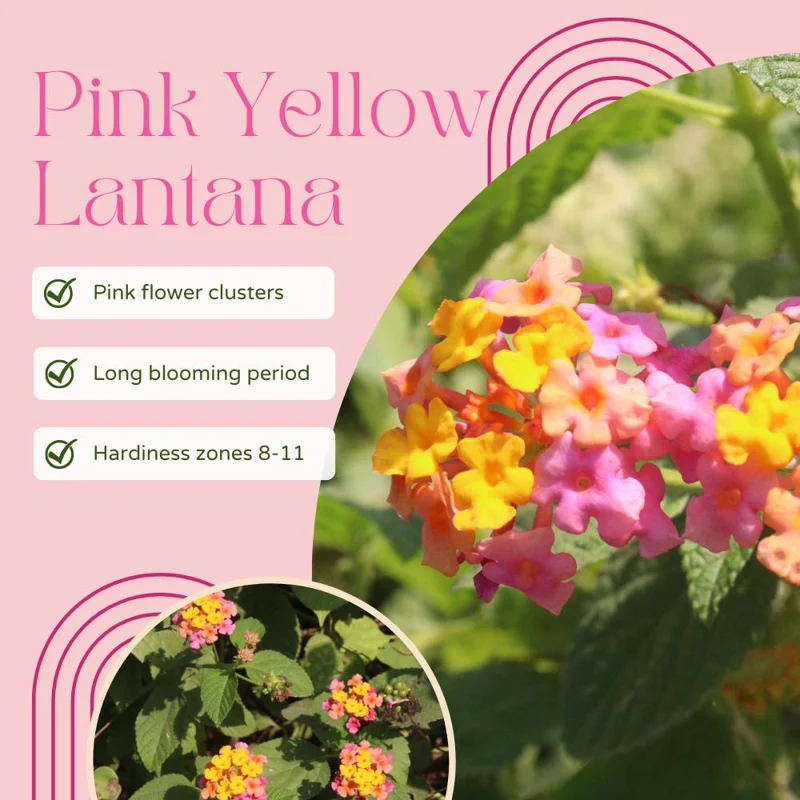
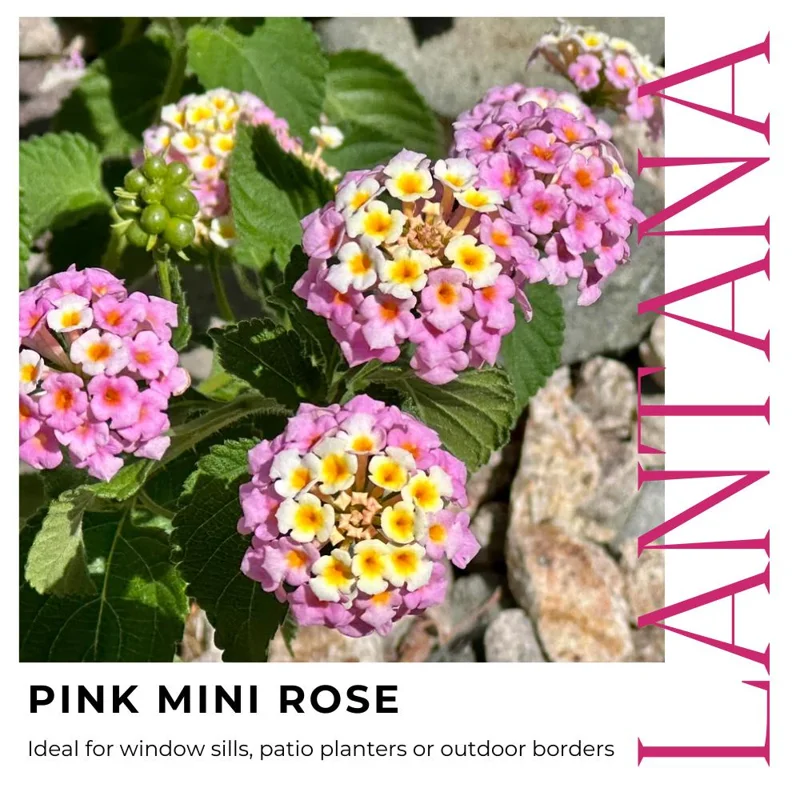
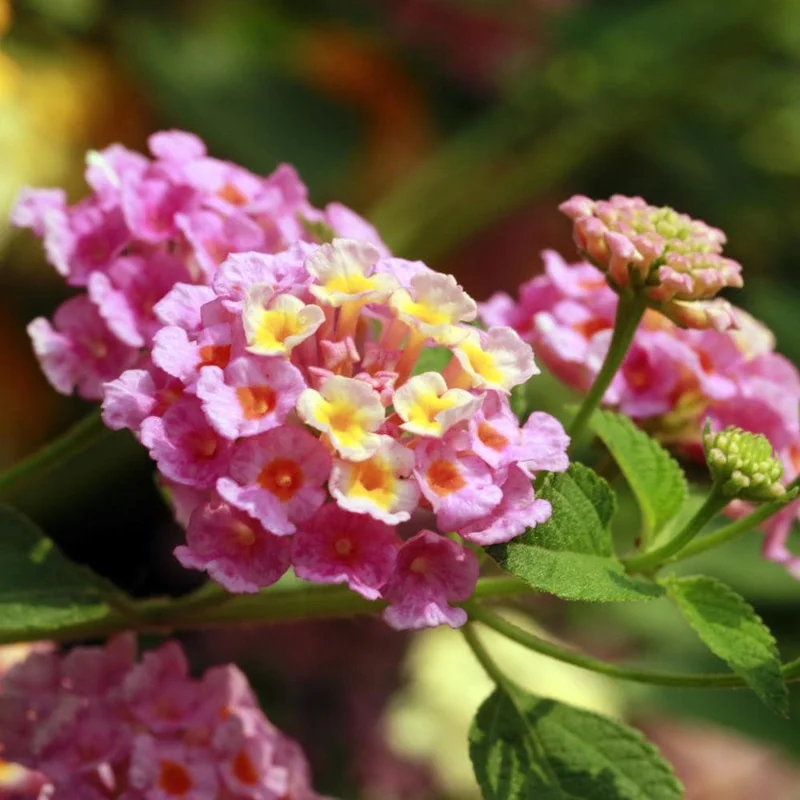
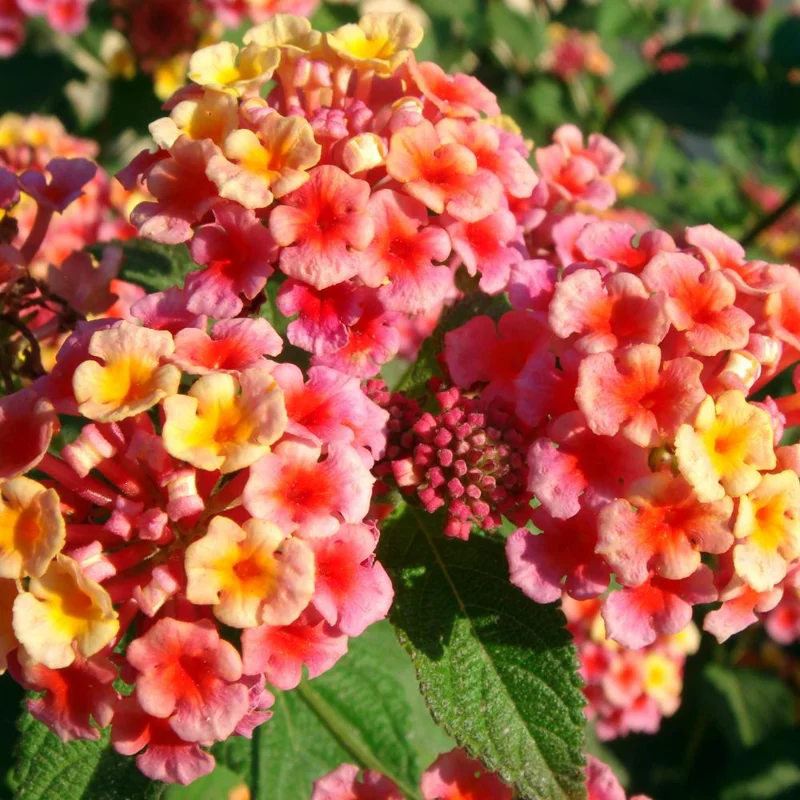
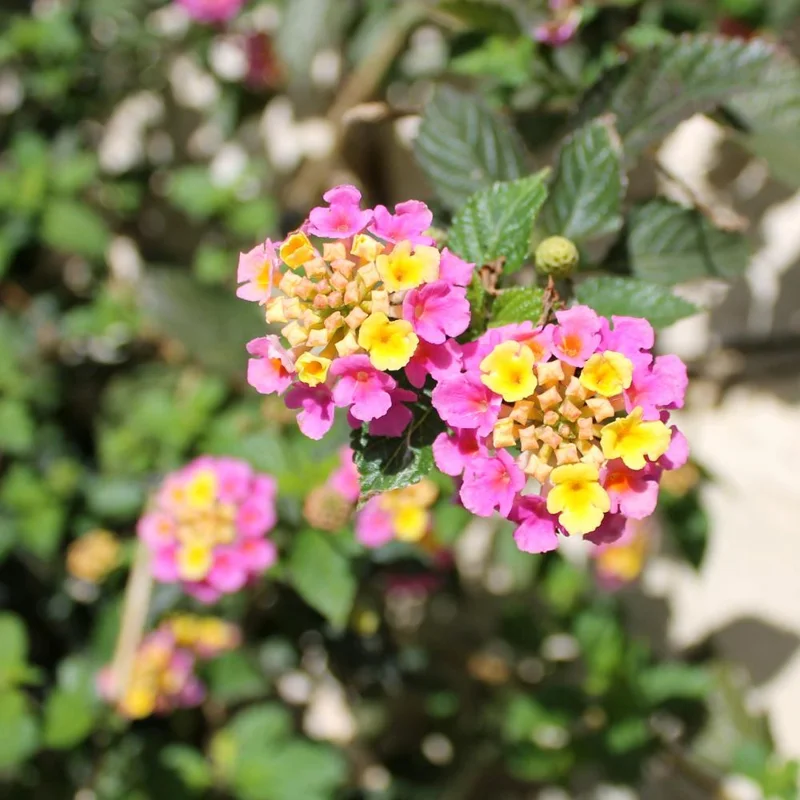
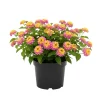
Introduce a burst of continuous color and natural beauty to your outdoor spaces with our exceptional yellow pink lantana plant. This vibrant live plant is a true garden favorite, known for its prolific blooming habit and attractive, multi-colored flowers that transition from yellow to pink as they mature. Ideal for gardeners looking to create stunning visual displays, this lantana variety features a graceful trailing growth habit, making it perfectly suited for ground cover, spilling over retaining walls, or enhancing the edges of raised beds. When you buy a live lantana for garden, you’re investing in a plant that not only beautifies your landscape but also attracts beneficial pollinators like butterflies, contributing to a healthier ecosystem. Our plants arrive healthy and ready to thrive in your garden, promising a season full of dynamic color.
The yellow pink lantana plant is a versatile and resilient choice for many climates. It’s particularly celebrated for its ability to withstand heat and drought once established, making it a low-maintenance option for busy gardeners. Its continuous flowering ensures that your garden remains lively and colorful from spring through fall. Whether you’re an experienced horticulturist or a beginner, this lantana offers an easy-to-grow solution for adding long-lasting charm. Its distinctive yellow and pink hues create a captivating visual effect, ensuring your garden stands out with minimal effort.
Key Benefits
Our yellow pink lantana plant offers numerous advantages that make it a standout choice for any garden. Its hardiness and beauty combine to provide an exceptional gardening experience:
- Continuous Bloom: Enjoy a spectacular display of yellow and pink flowers from spring until the first frost, ensuring your garden always looks lively and colorful. This consistent flowering makes it an excellent choice for sustained visual interest.
- Attracts Pollinators: The vibrant blooms are a magnet for butterflies, bees, and hummingbirds, turning your garden into a buzzing hub of activity and supporting local biodiversity. Planting a yellow pink lantana plant helps create a thriving ecosystem.
- Heat & Drought Tolerant: Once established, this plant is incredibly resilient to hot temperatures and periods of drought, making it an ideal choice for water-wise gardening and challenging climates. It’s a robust option for sunny locations.
- Versatile Trailing Habit: The elegant trailing lantana flowers are perfect for a variety of uses, including ground cover, hanging baskets, window boxes, and as a ‘spiller’ in mixed container arrangements. Its adaptable form allows for creative landscaping.
- Low Maintenance: This lantana requires minimal care, thriving with just basic watering and occasional feeding. It’s an excellent option for gardeners seeking beautiful results without extensive upkeep.
- Deer Resistant: While not entirely deer-proof, lantana is generally less appealing to deer than many other garden plants, offering some protection against browsing.
- Vibrant Color Palette: The unique blend of yellow and pink in its flowers adds a dynamic and cheerful element to any garden design, providing a striking contrast or harmonious blend with other plantings.
Plant Care & Growing Tips
Providing the right care for your yellow pink lantana plant will ensure it flourishes and provides abundant blooms throughout the season. Lantana is relatively low-maintenance, but understanding its specific needs will help it reach its full potential. This plant thrives in full sun, requiring at least 6-8 hours of direct sunlight per day to produce the most vibrant flowers. In hotter climates, a little afternoon shade can be beneficial to prevent scorching, but too much shade will reduce flowering. Ensure it is planted in a location where it can receive ample light.
When it comes to watering, lantana prefers well-draining soil and is quite drought-tolerant once established. Water thoroughly when the top inch or two of soil feels dry to the touch, then allow the soil to dry out slightly before watering again. Overwatering can lead to root rot, so it’s crucial to avoid soggy conditions. For new plants, consistent watering is important to help them establish strong root systems. A general-purpose, balanced fertilizer can be applied once a month during the growing season to encourage robust growth and continuous blooming. Pruning can be done in spring to shape the plant and remove any winter damage, and deadheading spent blooms will encourage more flowers.
This lantana plant care guide emphasizes its adaptability. Lantana is suitable for outdoor planting in USDA hardiness zones 8–11. In cooler zones, it can be grown as an annual or brought indoors as a lantana container plant during winter. It adapts well to various soil types, but good drainage is key. Amend heavy clay soils with organic matter to improve drainage. Keep an eye out for common pests like whiteflies or spider mites, though lantana is generally quite pest-resistant. With these simple tips, your lantana will be a showstopper.
Size & Details
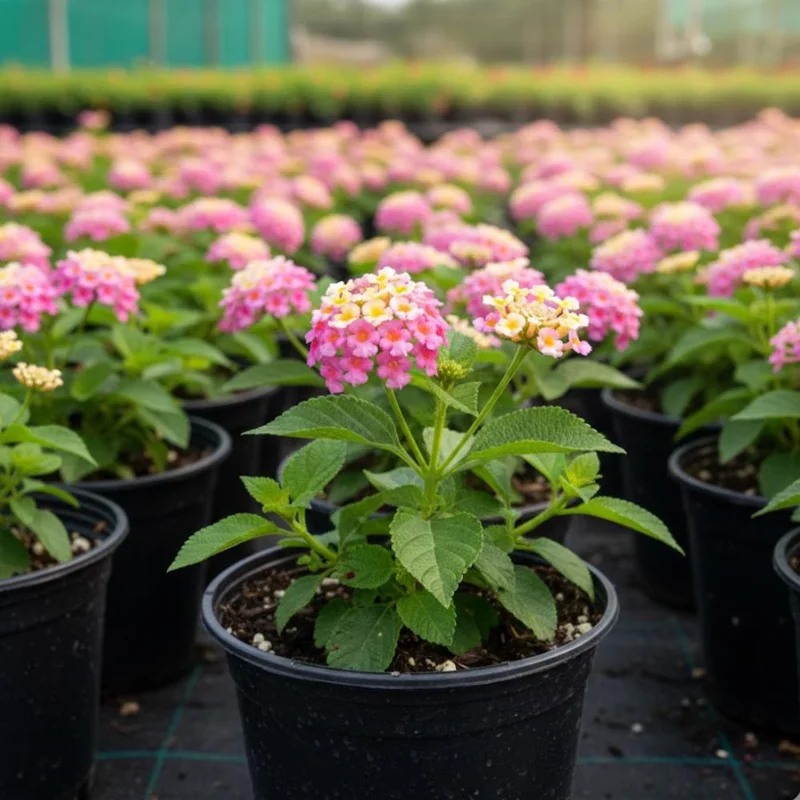
Our yellow pink lantana plant is provided as a healthy, actively growing starter plant, typically measuring 4 to 6 inches tall at the time of shipping. These plants are grown to ensure a strong root system, ready for transplanting into your garden or preferred container. The trailing growth habit means it will spread beautifully, making it an excellent choice for ground cover, hanging baskets, or as a ‘spiller’ component in mixed planters. Expect a moderate to fast growth rate, with the plant quickly filling out its space and beginning to flower profusely.
These plants are shipped in a nursery pot, carefully packaged to protect them during transit. Upon arrival, we recommend promptly unwrapping your plant and watering it if the soil feels dry. While the plant is compact at the starter stage, with proper care, it will develop into a robust and colorful specimen. The continuous blooming characteristic means you will enjoy its vibrant yellow and pink flowers throughout the entire growing season, from late spring until the first hard frost. This plant is a fantastic addition for adding consistent color and attracting pollinators to your outdoor living spaces.
Frequently Asked Questions
- Q: How big does this yellow pink lantana plant get? A: This yellow pink lantana plant is a starter plant, typically 4-6 inches tall upon arrival. With proper care, it can grow to a mature size of 1-3 feet tall and spread 3-6 feet wide, especially when grown as a trailing groundcover or in a large container.
- Q: Is this an indoor or outdoor plant? A: This lantana is primarily an outdoor plant, thriving in full sun. In USDA zones 8-11, it can be grown as a perennial. In cooler zones, it is often grown as an annual or can be overwintered indoors as a lantana container plant.
- Q: How much sunlight does it need? A: For optimal blooming, the yellow pink lantana plant requires at least 6-8 hours of direct sunlight per day. It performs best in full sun conditions, which encourages the most vibrant and abundant flowers.
- Q: Is this plant easy to care for? A: Yes, lantana is known for being very easy to care for. It’s drought-tolerant once established and thrives with minimal attention, making it an excellent choice for beginner gardeners or those seeking low-maintenance options.
- Q: What condition will it arrive in? A: Your live lantana for garden plant will arrive healthy and well-packaged in a nursery pot, ready for transplanting. We take great care to ensure the plant is protected during shipping.
- Q: When is the best time to plant trailing lantana flowers? A: The best time to plant trailing lantana flowers is in spring after all danger of frost has passed. This allows the plant ample time to establish its root system before the heat of summer.
- Q: Will it survive winter in my zone? A: The yellow pink lantana plant is perennial in USDA hardiness zones 8-11. In zones below 8, it will not survive winter outdoors and should be treated as an annual or brought indoors.
- Q: Does this lantana attract butterflies? A: Absolutely! The vibrant yellow and pink flowers of this lantana are highly attractive to butterflies, bees, and hummingbirds, making it a fantastic addition for a pollinator-friendly garden.
- Q: What kind of soil does it need? A: This plant prefers well-draining soil. It is adaptable to various soil types but will not tolerate soggy conditions. Amending heavy soils with compost can improve drainage.
- Q: Can I grow this as a lantana container plant? A: Yes, this lantana container plant thrives in pots and hanging baskets, especially given its trailing habit. Ensure the container has drainage holes and use a good quality potting mix.




Reviews
There are no reviews yet.