Overview
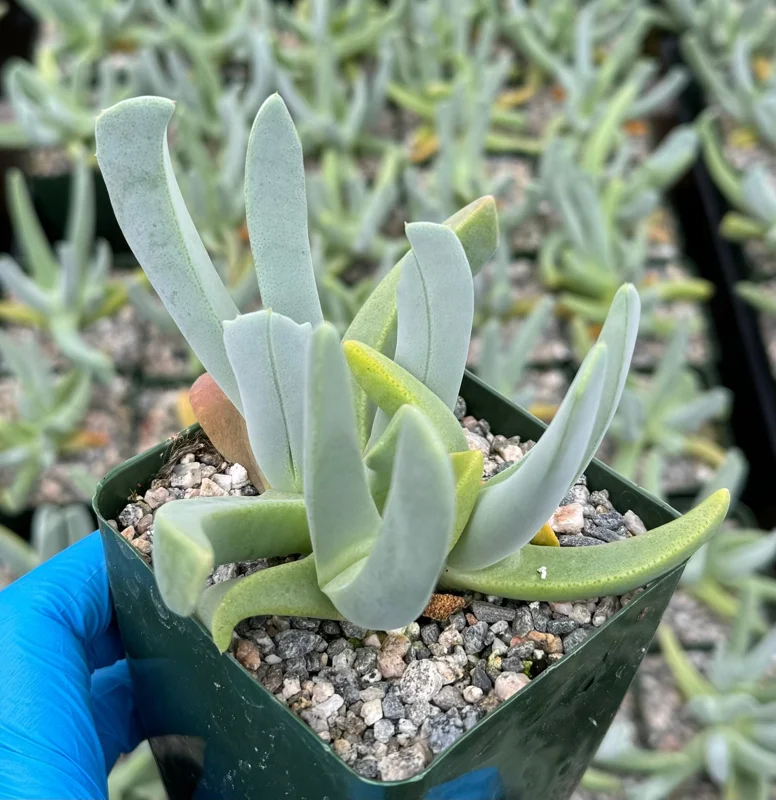
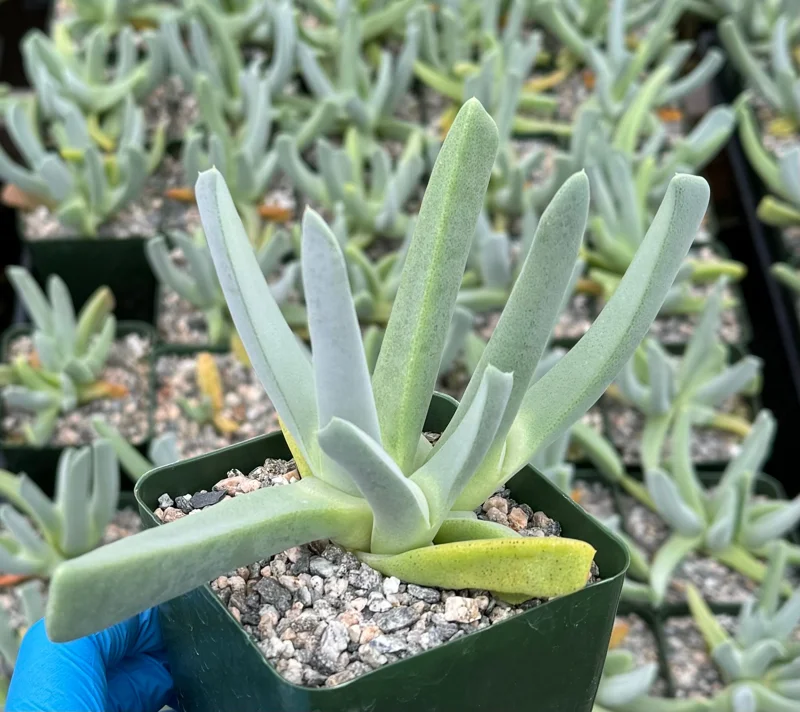
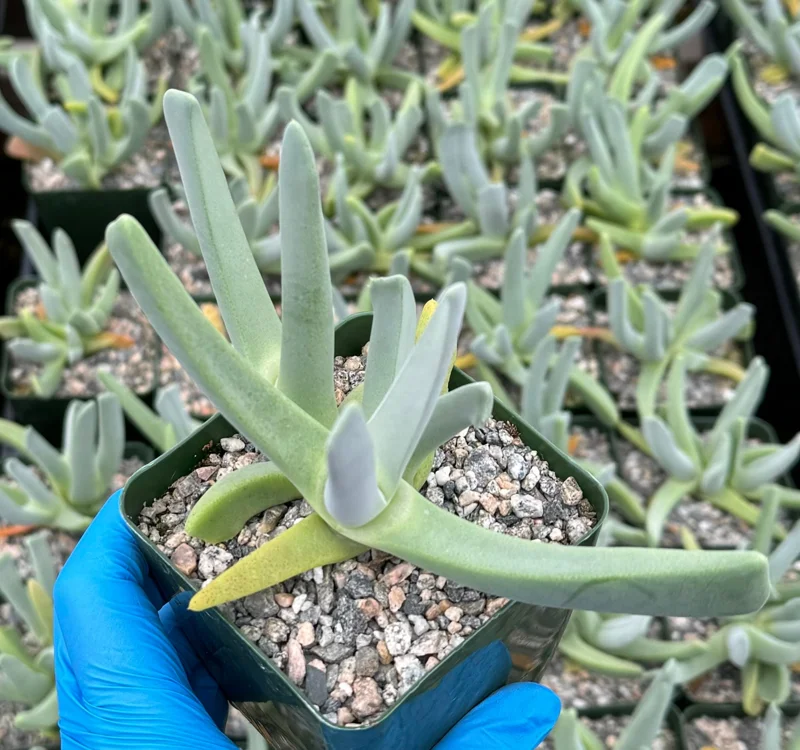
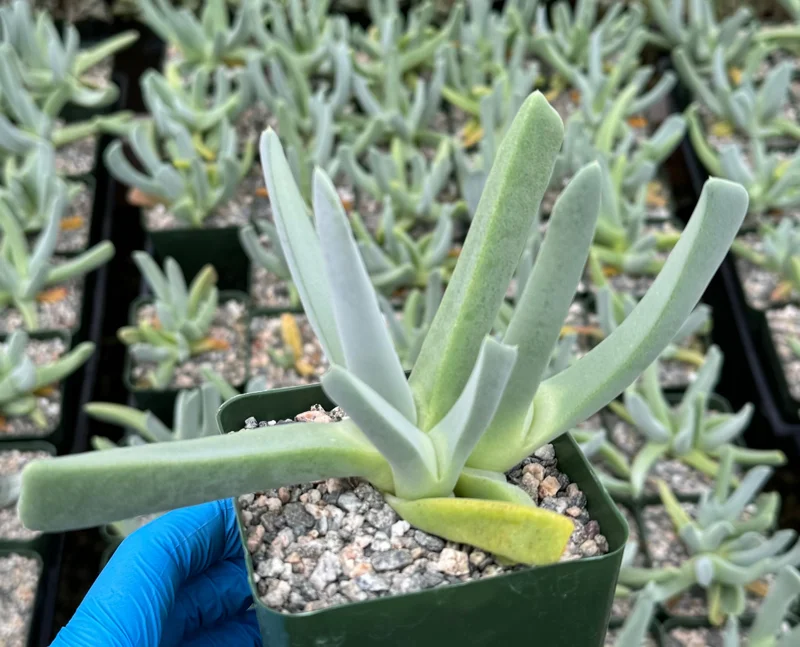
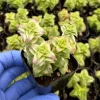
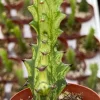
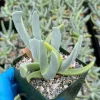
Introduce an extraordinary botanical specimen to your collection with the lobster claw live plant, scientifically known as Cheiridopsis candidissima. This fascinating succulent, native to the arid landscapes of South Africa, is celebrated for its truly unique foliage that strikingly resembles the claws of a lobster or crab. Each plant arrives as a healthy, thriving specimen, ready to bring its unusual beauty to your home or garden. The lobster claw live plant is not just a conversation starter; it’s also remarkably resilient and easy to care for, making it an excellent choice for both seasoned succulent enthusiasts and beginners alike. Its distinctive appearance and low-maintenance nature make it a standout choice among <strong_unique succulent plants.
The Cheiridopsis candidissima is a delightful addition to any succulent garden, rockery, or indoor plant display. Its intriguing form and texture provide a captivating visual element, drawing the eye with its unusual structure. This particular succulent thrives in conditions that mimic its natural habitat, making it an ideal choice for those seeking a plant that is both exotic and undemanding. The charm of the lobster claw live plant lies in its architectural leaves and potential for charming, daisy-like blooms, offering continuous interest throughout the year.
Key Benefits
The lobster claw live plant offers a multitude of benefits, making it a popular choice for plant lovers:
- Unique Ornamental Value: Its distinctive, claw-shaped leaves provide a truly unusual and captivating aesthetic, setting it apart from more common succulents. It’s a guaranteed conversation starter and a focal point in any plant arrangement.
- Low Maintenance: This succulent is incredibly forgiving and requires minimal attention, making it perfect for busy individuals or those new to plant care. Its drought-tolerant nature means it doesn’t need frequent watering.
- Drought-Tolerant: As a desert native, the lobster claw live plant is highly adapted to dry conditions, requiring infrequent watering. This makes it an ideal choice for xeriscaping or for those who tend to forget to water their plants.
- Striking Foliage: The thick, fleshy leaves are typically green or bluish-green, often with a powdery or waxy coating that gives them a frosted appearance, adding to their exotic appeal.
- Potential for Charming Flowers: In addition to its remarkable foliage, Cheiridopsis candidissima can produce small, daisy-like flowers in vibrant shades of yellow or orange, further enhancing its ornamental value.
- Compact Size: Growing to a manageable size, this succulent is perfect for windowsills, desks, small gardens, or as part of a larger succulent arrangement.
- Adaptable to Various Settings: While ideally suited for bright, indirect light, it can adapt to a range of indoor and outdoor conditions, providing flexibility in placement.
Plant Care & Growing Tips
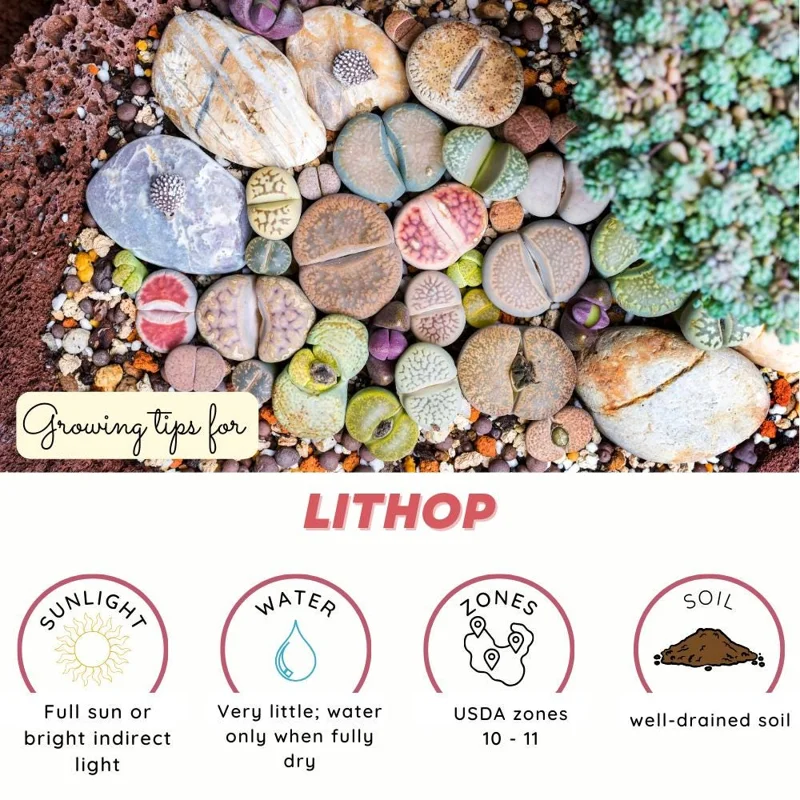
Providing proper Cheiridopsis candidissima care is straightforward, largely due to its resilient nature as a succulent. To ensure your lobster claw live plant thrives, focus on replicating its natural arid environment. Sunlight is crucial; it requires bright, indirect sunlight for at least 4-6 hours a day. Southern or western-facing windows are often ideal indoors. If placing it outdoors, ensure it receives morning sun and is protected from intense afternoon rays, which can scorch its delicate leaves. Good air circulation is also beneficial to prevent fungal issues.
Watering should be done sparingly. The most common mistake in succulent plant care is overwatering, which can lead to root rot. Allow the soil to dry out completely between waterings, typically every 2-4 weeks depending on humidity and temperature. During the winter months, when the plant is dormant, significantly reduce watering frequency to once a month or even less. When you do water, soak the soil thoroughly until water drains from the bottom of the pot, then discard any excess water. The right watering approach is key to thriving <strong_drought-tolerant succulents.
For soil, a well-draining succulent or cactus mix is essential. This prevents water from sitting around the roots. You can amend regular potting soil with perlite, pumice, or coarse sand to improve drainage. The lobster claw live plant prefers temperatures between 65-80°F (18-27°C) and can tolerate cooler temperatures down to about 40°F (4°C) if kept dry. It is generally hardy in USDA zones 9-11 for outdoor planting, but in colder climates, it should be brought indoors before the first frost. Fertilize sparingly, if at all; a diluted succulent fertilizer once in spring is usually sufficient. Repot only when the plant outgrows its current container, typically every 2-3 years, using fresh well-draining soil.
Size & Details
This offering includes one healthy lobster claw live plant, Cheiridopsis candidissima, carefully grown and shipped in a 4 inch pot. At the time of shipment, the plant typically stands approximately 3-5 inches tall, with a similar spread, depending on growth stage. This succulent is known for its slow to moderate growth rate, maintaining a compact and appealing form. It will arrive securely packaged to minimize stress during transit, ensuring it reaches your home in excellent condition. The plant is established in its nursery pot, providing a strong root system for easy transplanting or continued growth in its current container. Expect this plant to gradually mature, potentially expanding its cluster of unique foliage over time, and offering occasional blooms that add to its charm. Understanding lobster claw succulent care will help you enjoy this plant for many years.
Frequently Asked Questions
- Q: How big does this plant get? A: The lobster claw live plant typically grows to a compact size, usually reaching about 3-6 inches in height and spread. Its slow growth rate makes it ideal for small spaces or as a desk plant.
- Q: Is this an indoor or outdoor plant? A: Cheiridopsis candidissima can thrive both indoors and outdoors. If grown outdoors, it prefers warm climates (USDA zones 9-11) and protection from intense afternoon sun. Indoors, it needs bright, indirect light.
- Q: How much sunlight does it need? A: This succulent requires at least 4-6 hours of bright, indirect sunlight daily. Too little light can lead to etiolation (stretching), while too much direct, harsh sun can cause sunburn.
- Q: Is this plant easy to care for? A: Yes, the lobster claw live plant is considered very easy to care for, making it suitable for beginners. Its drought-tolerant nature and minimal needs contribute to its low-maintenance reputation, especially when you follow proper Cheiridopsis candidissima care guidelines.
- Q: What condition will it arrive in? A: Your lobster claw live plant will arrive as a healthy, established plant in a 4 inch pot, carefully packaged to ensure it reaches you in optimal condition, ready to be enjoyed.
- Q: How often should I water my lobster claw succulent? A: Water sparingly. Allow the soil to dry out completely between waterings, typically every 2-4 weeks. Reduce watering significantly in winter to prevent root rot, which is a common issue for <strong_drought-tolerant succulents.
- Q: What kind of soil is best for this plant? A: A well-draining succulent or cactus potting mix is ideal for the lobster claw live plant. This prevents water from pooling around the roots and encourages healthy growth.
- Q: Does the lobster claw succulent flower? A: Yes, Cheiridopsis candidissima can produce small, daisy-like flowers, typically in shades of yellow or orange. These blooms usually appear in clusters and add to the plant’s unique appeal.
- Q: Is the lobster claw plant pet-safe? A: While generally considered non-toxic, it’s always best to keep plants out of reach of pets to prevent any accidental ingestion that might cause mild digestive upset. Always research specific plant safety for your pets.
- Q: When is the best time to repot this succulent? A: Repotting is generally needed every 2-3 years, or when the plant has clearly outgrown its 4 inch pot. The best time to repot is in the spring or early summer, using fresh, well-draining succulent soil.




Reviews
There are no reviews yet.