Overview
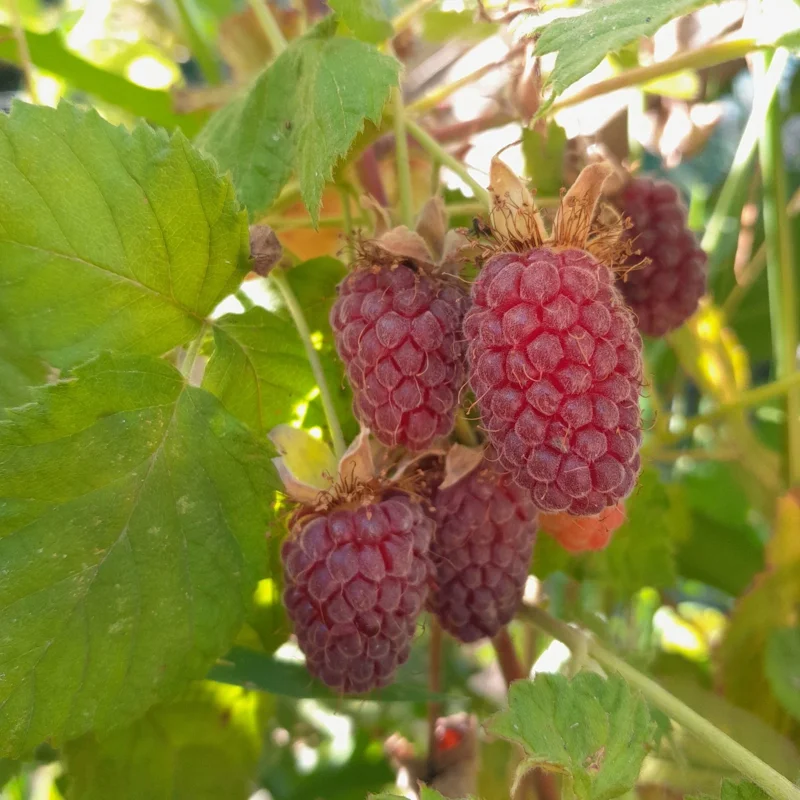
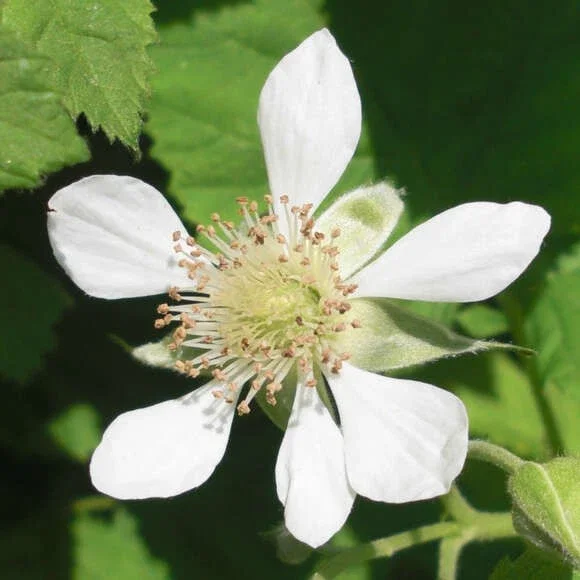
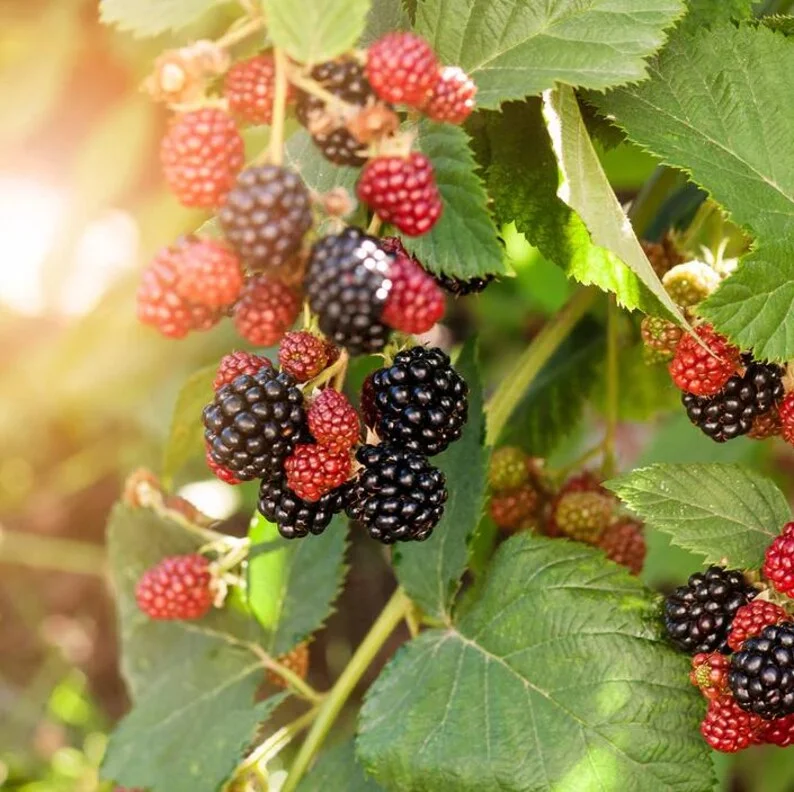
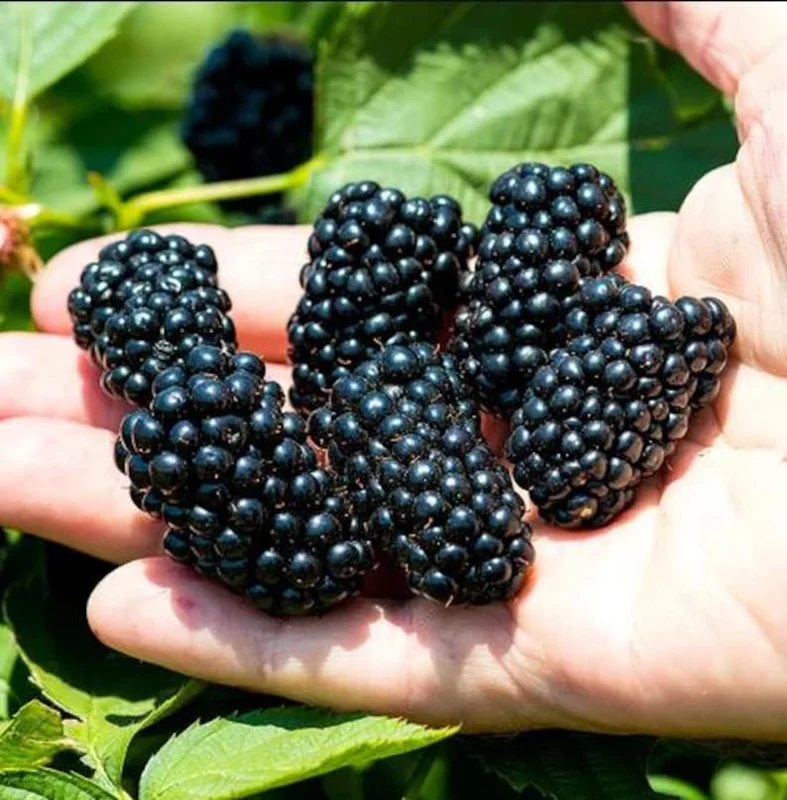
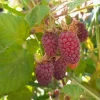
Introduce a delightful and productive addition to your garden with the loganberry live plant. This unique fruit, scientifically known as Rubus × loganobaccus, is a fascinating hybrid of a common raspberry and a Pacific blackberry, offering the best of both worlds. Our loganberry live plant arrives at least 4 inches tall, ready to establish itself and begin its journey towards producing succulent, elongated berries. Originating from California in the late 19th century, Loganberries are celebrated for their distinctive sweet-tart flavor, making them a versatile choice for fresh eating, jams, pies, and sauces. This robust perennial plant is known for its vigor and adaptability, thriving in various garden settings. Its rich green foliage provides an attractive backdrop, leading to beautiful white flowers that eventually mature into its signature purple-red fruits. If you’re looking to grow loganberry, this plant offers a rewarding experience for gardeners of all levels.
The loganberry live plant is an excellent investment for any edible landscape. It combines the desirable traits of its parent plants, resulting in a hardy and relatively easy-to-manage berry bush. Unlike some other berry varieties, loganberries are often described as having a more intense and complex flavor profile. This particular plant is a young specimen, carefully cultivated to ensure a strong start in your garden. With proper care, it will quickly grow into a prolific producer, yielding an abundance of fruit for many seasons to come. Discover the joy of harvesting your own berries right from your backyard with this exceptional loganberry live plant.
Key Benefits
Adding a loganberry live plant to your garden brings numerous advantages, from its delicious fruit to its relatively low-maintenance nature. This plant is a fantastic choice for anyone seeking a productive and attractive berry bush. Here are some key benefits you can expect:
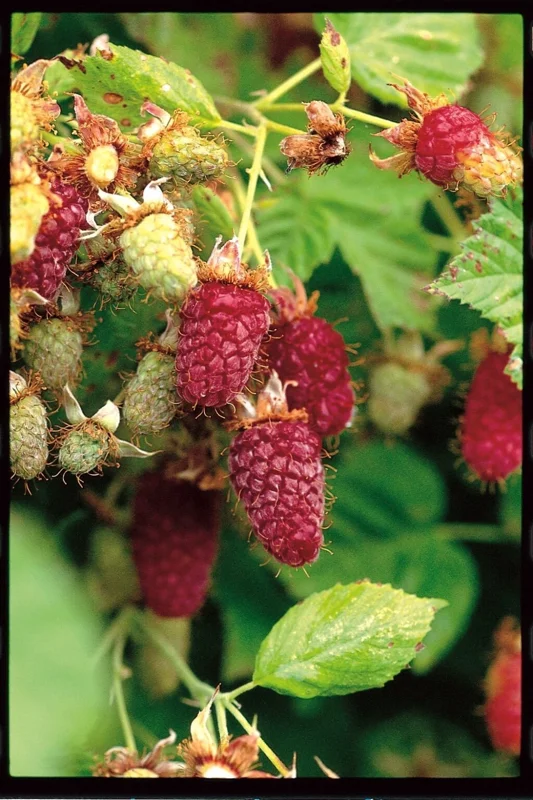
- Abundant, Flavorful Harvest: Enjoy a generous yield of large, elongated, purple-red berries with a unique sweet-tart taste, perfect for fresh eating, baking, and preserves. The flavor is a delightful blend of raspberry and blackberry.
- Nutrient-Rich Fruit: Loganberries are packed with vitamins (especially Vitamin C), antioxidants, and fiber, contributing to a healthy diet. Harvesting your own ensures peak freshness and nutritional value.
- Hardy and Adaptable: This loganberry live plant is known for its resilience and ability to thrive in a variety of climates and soil conditions, making it suitable for many regions across the United States. It’s a reliable performer in the garden.
- Thornless Variety Available: Many loganberry cultivars are thornless, making harvesting a more pleasant experience and reducing the risk of scratches. This makes it an excellent thornless berry plant option for families.
- Perennial Growth: As a perennial, your loganberry live plant will return year after year, providing continuous harvests with minimal effort once established. This saves you the trouble of replanting annually.
- Attractive Garden Addition: Beyond its fruit, the plant’s green foliage and delicate white blossoms add aesthetic appeal to your garden or edible landscape. It can also be trained along trellises or fences.
- Easy to Grow: Suitable for both experienced gardeners and beginners, Loganberries require straightforward care, making them an excellent choice if you want to grow loganberry without extensive horticultural knowledge.
Plant Care & Growing Tips
Caring for your loganberry live plant is relatively simple, ensuring a bountiful harvest of delicious berries. Loganberries are hardy and robust, but providing optimal conditions will maximize their growth and fruit production. They thrive best in full sun, meaning at least 6-8 hours of direct sunlight per day. Choose a location in your garden that receives ample light, ideally facing south or west. While they can tolerate some partial shade, full sun promotes the sweetest and most abundant fruit. Good air circulation is also beneficial to prevent fungal diseases, so avoid overly crowded planting areas.
When it comes to watering, consistent moisture is key, especially during flowering and fruiting periods. The soil should be kept evenly moist but never waterlogged. Water deeply once or twice a week, depending on your climate and soil type, allowing the top inch or two of soil to dry out slightly between waterings. Well-draining soil is crucial; Loganberries do not like wet feet. A rich, loamy soil with a slightly acidic to neutral pH (6.0-7.0) is ideal. Amend heavy clay soils with organic matter like compost or peat moss to improve drainage and fertility. For fertilization, apply a balanced slow-release fertilizer in early spring as new growth begins. Avoid over-fertilizing with nitrogen, which can lead to excessive foliage at the expense of fruit production. Pruning is important for maintaining plant health and productivity; remove old, fruiting canes after harvest and thin out weaker new canes to encourage strong growth. This also helps in managing the vigor of your rubus loganobaccus.
The loganberry live plant is generally hardy and can withstand temperatures down to USDA zones 5-9, though protection might be needed in the colder parts of this range. Common problems include cane blight and anthracnose, which can be managed with proper air circulation, pruning, and, if necessary, fungicides. Pests like aphids and spider mites can be controlled with insecticidal soaps or neem oil. Ensure your plant has adequate support, such as a trellis or wires, as the canes can grow quite long and heavy with fruit. This support will also make harvesting easier. With these simple tips, your loganberry live plant will flourish and provide you with years of delicious fruit, proving that it’s a joy to grow loganberry.
Size & Details
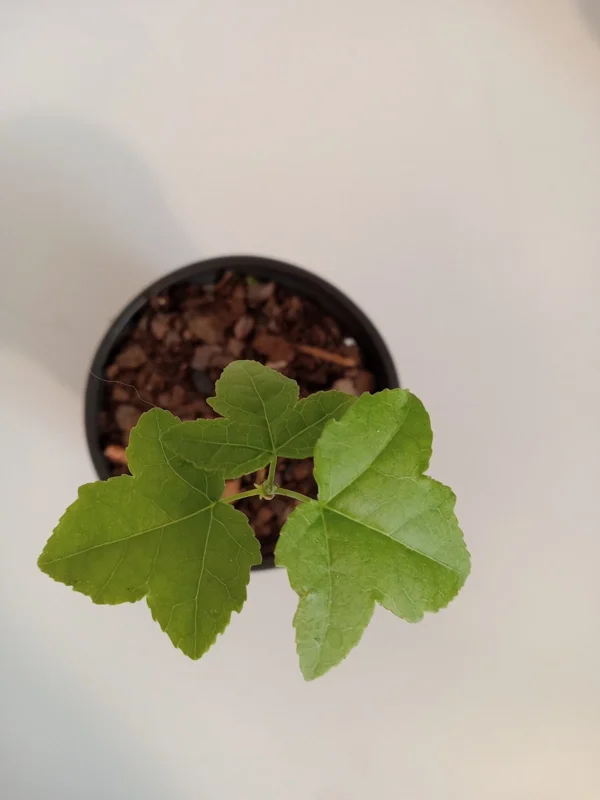
This loganberry live plant arrives as a healthy, actively growing specimen, measuring at least 4 inches in height. It is typically shipped as a plant plug or with some soil around its roots, carefully packaged to ensure its safe arrival. Loganberries are vigorous growers, and this young plant will quickly establish itself in your garden. Once mature, Loganberry canes can reach lengths of 6 to 8 feet, requiring support from a trellis, fence, or stakes. The plant will spread to about 3 to 4 feet wide, forming a productive bush. While exact growth rates vary based on climate and care, you can typically expect your first significant harvest within one to two years of planting. The fruits, which ripen in mid-summer, are elongated, typically 1 to 1.5 inches long, and transition from red to a deep purple-red when fully mature.
As a perennial fruit bush, this loganberry live plant will continue to produce year after year. It’s a fantastic long-term investment for your edible garden. The plant form is a ‘plant plug,’ meaning it has a developed root system within a small soil block, which aids in successful transplanting and quick establishment. This particular variety is ideal for outdoor cultivation, thriving in continental climates and requiring medium watering once established. Its foliage remains green throughout the growing season, and it offers seasonal interest during fall and summer with its fruit. Enjoy the satisfaction of nurturing this thornless berry plant from a young start to a fruit-laden bush.
Frequently Asked Questions
- Q: How big does this loganberry plant get? A: This loganberry live plant arrives at least 4 inches tall. Mature loganberry canes can grow 6 to 8 feet long and spread 3 to 4 feet wide, often requiring support like a trellis.
- Q: Is this an indoor or outdoor plant? A: The loganberry live plant is an outdoor plant, best suited for gardens where it can receive full sun and ample space to grow and produce fruit.
- Q: How much sunlight does it need? A: For optimal growth and fruit production, your rubus loganobaccus requires at least 6-8 hours of direct sunlight per day. Choose a sunny location in your garden.
- Q: Is this plant easy to care for? A: Yes, loganberries are relatively easy to care for, making them suitable for both beginner and experienced gardeners. They require consistent watering, good drainage, and annual pruning.
- Q: What condition will it arrive in? A: Your loganberry live plant will arrive as a healthy plant plug, carefully dug up and shipped with some soil to ensure its vitality during transit.
- Q: When is the best time to plant a loganberry? A: The best time to plant a loganberry live plant is typically in early spring after the last frost, allowing it ample time to establish before the summer heat.
- Q: What is the USDA hardiness zone for loganberries? A: Loganberries are generally hardy in USDA zones 5 through 9, making them suitable for a wide range of climates.
- Q: How long until it produces fruit? A: You can typically expect your loganberry live plant to start producing a significant harvest of berries within one to two years after planting.
- Q: Can I grow loganberries in a container? A: While possible, loganberries are vigorous growers and are best suited for in-ground planting where their canes have room to spread and be supported. Large containers would be necessary.
- Q: Is this a thornless berry plant? A: Many modern loganberry varieties are thornless, making harvesting easier and more comfortable. Please refer to specific variety details for confirmation, but it’s a common feature.





Reviews
There are no reviews yet.