Overview
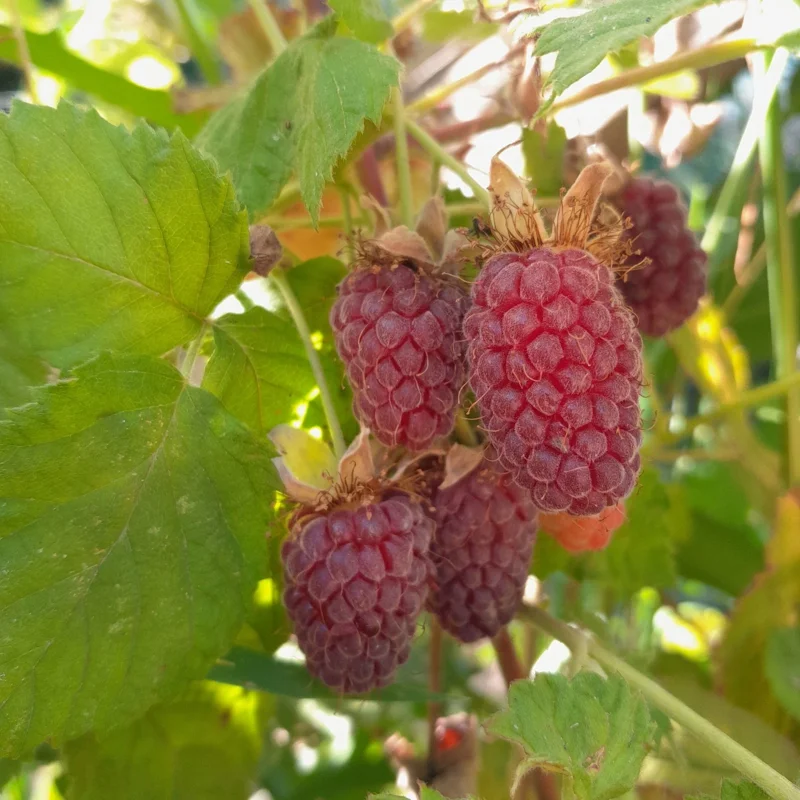
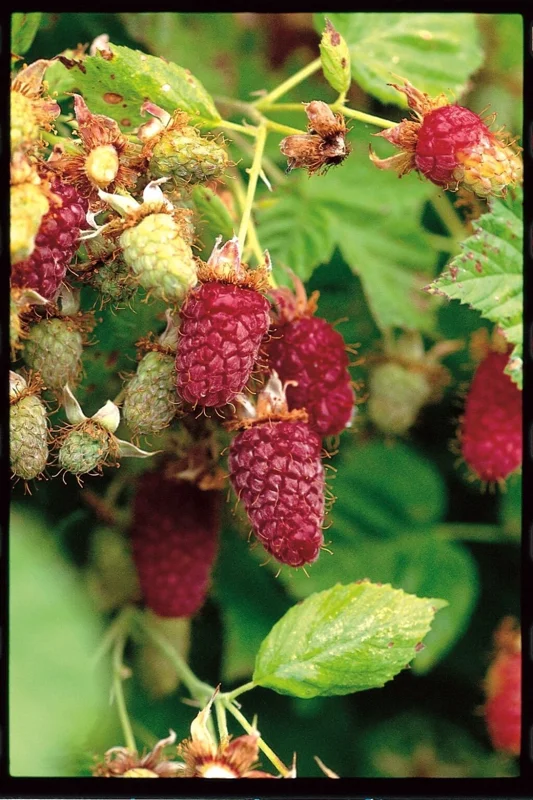
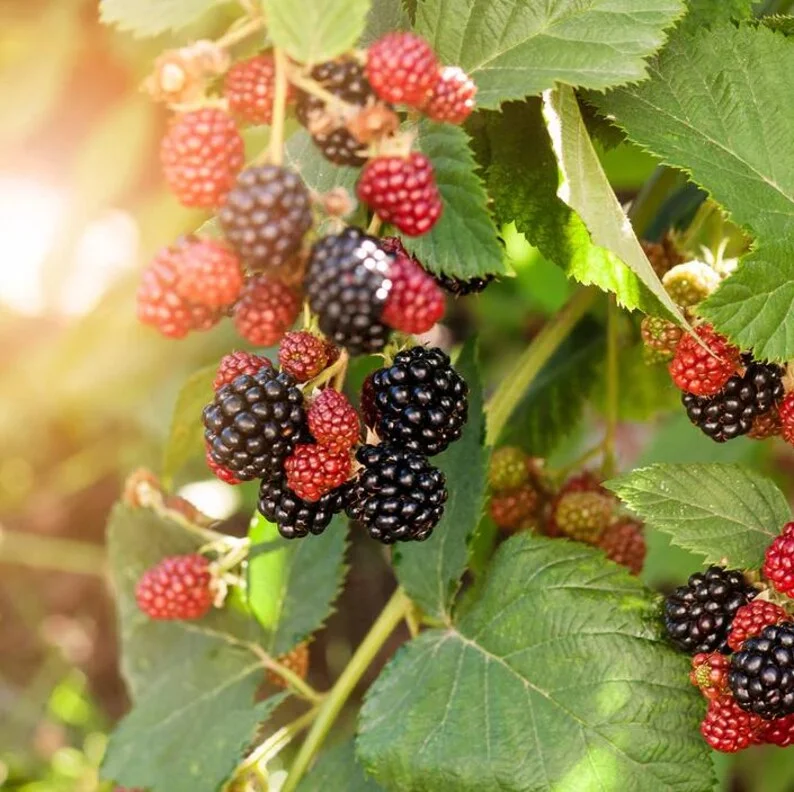
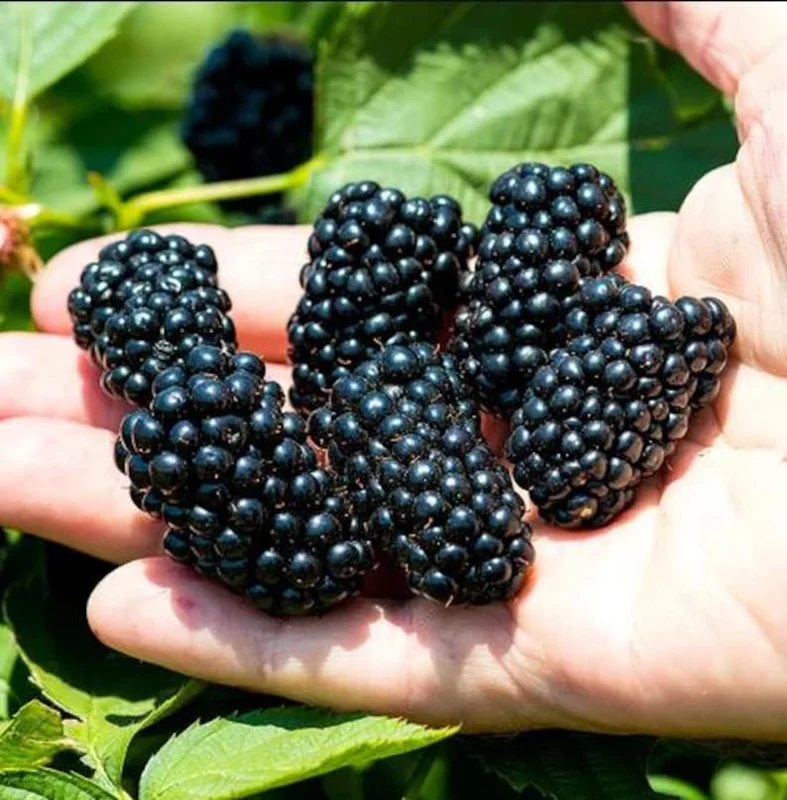
Introduce the delightful taste of fresh berries to your garden with this vibrant loganberry live plant. The loganberry (Rubus × loganobaccus) is a fascinating hybrid fruit, combining the best characteristics of both blackberries and raspberries. This particular offering is a healthy, established live plant, measuring 4+ inches, ready to thrive in your outdoor space. Known for its vigorous growth and abundant yields, the loganberry offers a unique flavor profile that is sweeter than a blackberry but tarter than a raspberry, making it a versatile addition to culinary creations, from jams and pies to fresh snacking. Growing your own loganberry live plant ensures you have access to fresh, organic fruit right from your backyard, providing a rewarding experience for any gardener.
The loganberry is a perennial plant, meaning it will return year after year, providing continuous harvests once established. Its attractive foliage and delicious fruit make it a popular choice for edible landscapes and home gardens. This robust plant is well-suited for various climates and can be trained on trellises or allowed to sprawl, offering flexibility in garden design. Cultivating a loganberry live plant is a great way to enhance your garden’s biodiversity and enjoy the satisfaction of harvesting your own home-grown produce.
Key Benefits
Growing a loganberry live plant in your garden comes with a multitude of benefits, both for your palate and your gardening experience. These hybrid berries offer a unique combination of flavors and are relatively easy to care for, providing a rewarding harvest season after season.
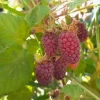
- Delicious Edible Fruit: Loganberries produce large, juicy, red-purple berries with a distinct sweet-tart flavor, perfect for eating fresh, baking, or preserving.
- High Nutritional Value: These berries are packed with vitamins, antioxidants, and fiber, contributing to a healthy diet.
- Perennial Growth: As a perennial, your loganberry live plant will provide fruit for many years, eliminating the need for annual replanting.
- Versatile Culinary Use: Enjoy loganberries in pies, jams, jellies, sauces, smoothies, or simply as a fresh, healthy snack straight from the vine.
- Vigorous and Productive: Loganberry plants are known for their strong growth habit and can produce a generous amount of fruit once mature, ensuring a bountiful harvest.
- Attractive Garden Addition: With its lush green foliage and colorful berries, the loganberry bush adds ornamental appeal to your garden or landscape.
- Relatively Low Maintenance: Once established, loganberries require minimal care, making them suitable for both experienced gardeners and beginners looking to grow loganberry plants.
Plant Care & Growing Tips
To ensure your loganberry live plant thrives and produces an abundance of delicious fruit, proper care and attention to its growing environment are essential. Loganberries are relatively hardy plants but will perform best when their specific needs are met. For optimal growth, plant your loganberry in a location that receives full sun, meaning at least 6-8 hours of direct sunlight per day. While they can tolerate partial shade, fruit production will be reduced. Good air circulation is also important to prevent fungal diseases. These plants are typically hardy in USDA zones 6-9, but with proper winter protection, they can be grown in slightly colder climates.
The ideal soil for your loganberry live plant is a well-draining, fertile loam with a slightly acidic pH (between 6.0 and 6.5). Amend heavy clay soils with organic matter like compost or aged manure to improve drainage and fertility. Ensure the planting site is not prone to waterlogging, as this can lead to root rot. Water your loganberry regularly, especially during dry spells and when the fruit is developing. The soil should remain consistently moist but not saturated. Fertilize in early spring with a balanced slow-release fertilizer or an organic berry food. Pruning is crucial for maintaining plant health and maximizing fruit production. After fruiting, remove old canes that have produced berries, as loganberries typically fruit on second-year canes. This encourages new growth and helps to keep the plant manageable. Keep an eye out for common pests and diseases, and address them promptly using appropriate organic or conventional methods. Learning how to grow loganberry plants successfully involves understanding these fundamental care practices.
Size & Details
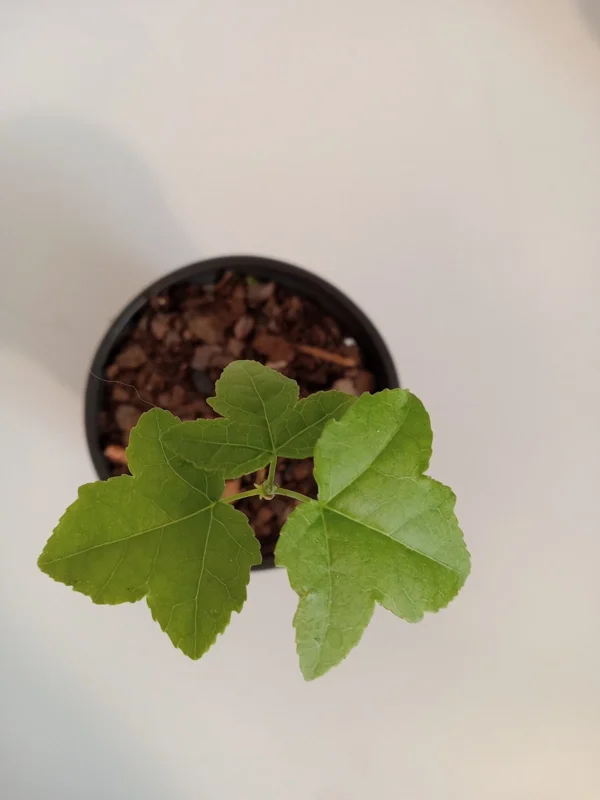
This offering is for one healthy loganberry live plant, measuring approximately 4+ inches in height. These plants are typically shipped as a plant plug or small starter plant, carefully packaged to ensure safe arrival. Loganberries are known for their vigorous growth and, once established, can reach heights of 5-8 feet and spread equally wide if not trained. They are a cane berry, similar to blackberries and raspberries, and benefit from support such as a trellis or fence to keep the canes upright and make harvesting easier. The growth stage is typically that of a young plant, ready to be transplanted into your garden or a larger pot. Expect your rubus loganobaccus to begin producing fruit within 1-2 years after planting, with full production achieved in 3-4 years. The berries mature from mid-summer to early fall, offering a prolonged harvest period. This perennial plant will continue to yield fruit for many seasons with proper care, making it a valuable long-term addition to your garden for those interested in edible berry plants.
Frequently Asked Questions
- Q: How big does this loganberry plant get? A: A mature loganberry live plant can grow to be 5-8 feet tall and spread equally wide if not supported. Training on a trellis or fence can help manage its size and shape for easier harvesting.
- Q: What size pot does it come in? A: The loganberry live plant is shipped as a small plant plug or starter plant, typically around 4+ inches tall, ready for immediate transplanting into your garden or a larger container.
- Q: Is this an indoor or outdoor plant? A: Loganberries are primarily outdoor plants, thriving in full sun in garden beds or large containers. They require outdoor conditions to fruit effectively.
- Q: How much sunlight does it need? A: For optimal growth and fruit production, your loganberry live plant needs at least 6-8 hours of direct sunlight per day. While it can tolerate partial shade, yields may be reduced.
- Q: Is this plant easy to care for? A: Yes, loganberries are considered relatively easy to care for once established. They require regular watering, annual fertilization, and proper pruning to maintain health and maximize fruit yield, making them a good choice for those wanting to grow loganberry plants.
- Q: What condition will it arrive in? A: The plant will arrive as a healthy, live starter plant, carefully packaged to minimize stress during transit. It may appear slightly stressed from shipping but should recover quickly with proper care.
- Q: Can I use loganberry fruit in cooking? A: Absolutely! Loganberries are highly versatile. They are excellent for fresh eating, and their unique sweet-tart flavor makes them perfect for jams, jellies, pies, sauces, and smoothies. They are a fantastic hybrid berry bush for culinary uses.
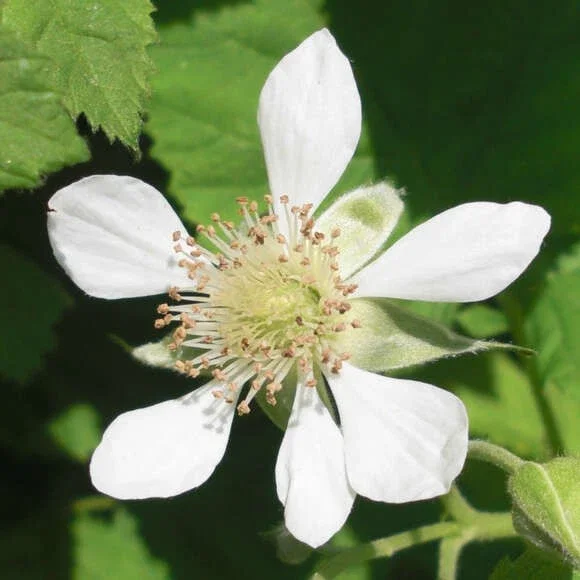
- Q: How long until it blooms and fruits? A: Your loganberry live plant will typically start producing fruit within 1-2 years after planting, with full production achieved in 3-4 years. Flowers appear in spring, followed by fruit in mid-summer to early fall.
- Q: What’s the best time to plant a loganberry? A: The best time to plant a loganberry is in early spring after the last frost, or in early fall before the ground freezes, allowing the plant to establish its root system.
- Q: What are the best growing conditions for Rubus × loganobaccus? A: The rubus loganobaccus thrives in full sun, well-draining, slightly acidic soil, and consistent moisture. It also benefits from a supportive structure like a trellis for its canes.




Reviews
There are no reviews yet.