Overview
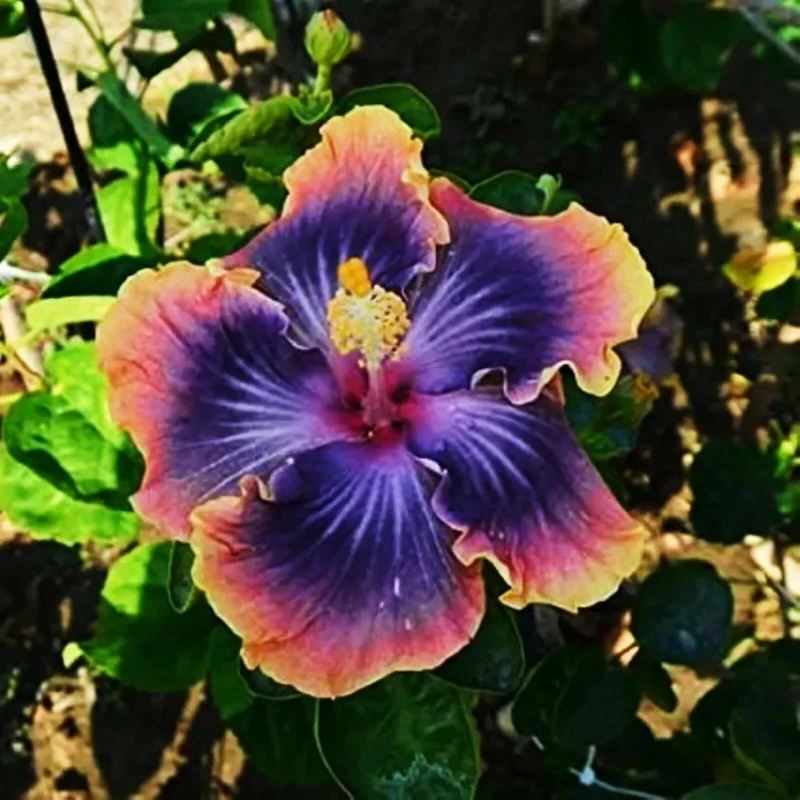
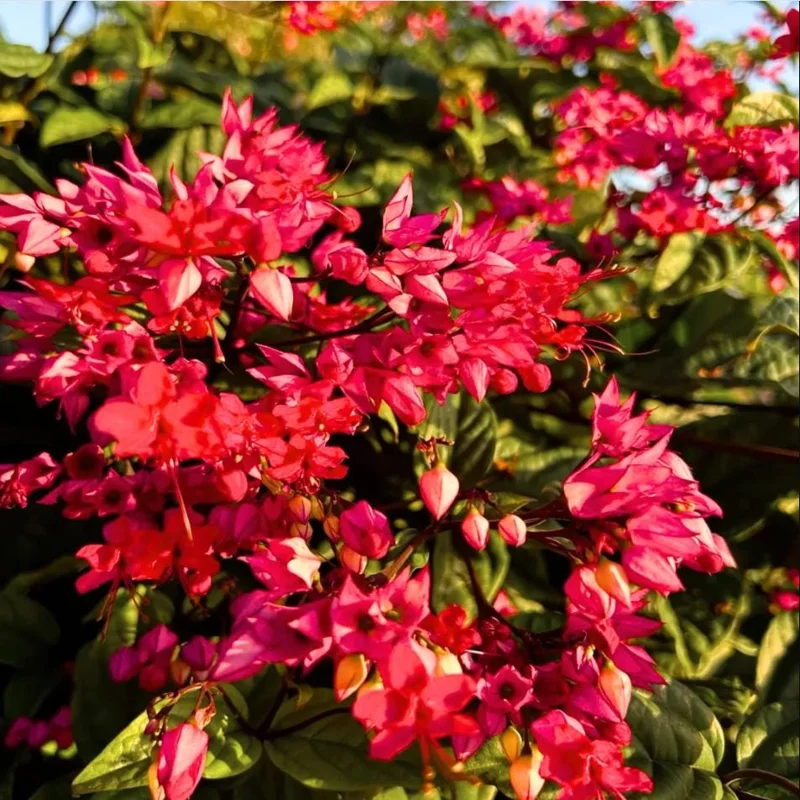
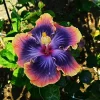
Introduce an enchanting touch to your garden or home with our exquisite Madagascar Hibiscus live plant. This particular variety, known botanically as Hibiscus moscheutos, is a beautiful mallow species often referred to as the Rose of Sharon perennial. Originating from regions with diverse climates, this plant is renowned for its large, showy flowers that can transform any space into a vibrant oasis. As a starter plant, it provides an excellent foundation for gardeners looking to cultivate a resilient and visually captivating specimen. Whether you’re an experienced horticulturist or just beginning your gardening journey, this tropical hibiscus offers a rewarding growing experience with its stunning floral displays and robust nature.
The Madagascar Hibiscus live plant is a fantastic choice for adding dramatic flair. Its striking blooms are a testament to its tropical heritage, promising to be a focal point wherever it is placed. This starter live plant is ready to thrive, offering both beauty and a sense of accomplishment as you watch it grow and flourish. Its adaptability to various environments makes it a versatile addition to many landscape designs, from arid to humid subtropical settings.
Key Benefits
Cultivating a Madagascar Hibiscus live plant offers a multitude of benefits, from enhancing aesthetic appeal to providing a sense of tranquility. This robust perennial is more than just a pretty face; it’s a living testament to resilience and natural beauty. Here are some of the key advantages of welcoming this stunning plant into your home or garden:
- Stunning Ornamental Value: The large, vibrant flowers of the Hibiscus Moscheutos mallow are incredibly eye-catching, providing a spectacular display of color and texture. They can dramatically elevate the visual appeal of any garden bed, patio, or indoor space.
- Long Blooming Season: Enjoy an extended period of blooms, typically from summer through fall, ensuring your garden remains colorful and lively for months. This continuous flowering makes it a valuable asset for sustained visual interest.
- Attracts Pollinators: The bright, open flowers are a magnet for beneficial pollinators like butterflies and hummingbirds, contributing to a healthier and more biodiverse ecosystem in your garden.
- Versatile Growth: Suitable for both indoor and outdoor cultivation, this Rose of Sharon perennial adapts well to various settings, from garden beds and borders to large containers on decks or patios. Its clumping growth habit is easy to manage.
- Relatively Low Maintenance: Once established, this tropical hibiscus care is surprisingly straightforward, requiring moderate watering and occasional feeding to maintain its vigor and prolific blooming. It’s a great option for gardeners seeking high impact with minimal fuss.
- Air Purifying Qualities: Like many plants, the hibiscus contributes to improved air quality by absorbing carbon dioxide and releasing oxygen, making your living environment fresher and healthier.
- Drought Resistance: While it appreciates consistent moisture, mature plants show a good degree of drought resistance, making it suitable for various climates, including semi-arid regions.
Plant Care & Growing Tips
Ensuring the health and vitality of your Madagascar Hibiscus live plant involves understanding its specific needs for light, water, and soil. This Hibiscus Moscheutos mallow thrives with consistent care tailored to its preferences. For optimal growth, place your plant in an area that receives full sun to medium sun exposure, ideally at least 6 hours of direct sunlight per day. While it can tolerate some partial shade, abundant sunlight is crucial for maximizing flower production. If growing indoors, a south-facing window is often ideal, or supplement with grow lights to mimic natural conditions. This attention to light will contribute significantly to successful tropical hibiscus care.
Watering should be consistent, especially during dry spells and the active growing season. The soil should be kept consistently moist but not waterlogged. Allow the top inch of soil to dry out slightly between waterings. Overwatering can lead to root rot, so good drainage is paramount. For soil type, a well-draining mix is essential. The plant tolerates various soil conditions including chalk, clay, loam, peat, sand, and silt, but prefers a neutral to slightly acidic pH. Fertilize your Rose of Sharon perennial during its growing season (spring and summer) with a balanced, slow-release fertilizer or a liquid feed every 2-4 weeks. Reduce fertilization in fall and winter when the plant is less active. Pruning can be done in late winter or early spring to encourage bushier growth and more blooms. Watch out for common pests like aphids and spider mites, and treat with organic insecticidal soap if necessary. This preventative and responsive care will ensure a thriving Madagascar Hibiscus live plant.
Size & Details
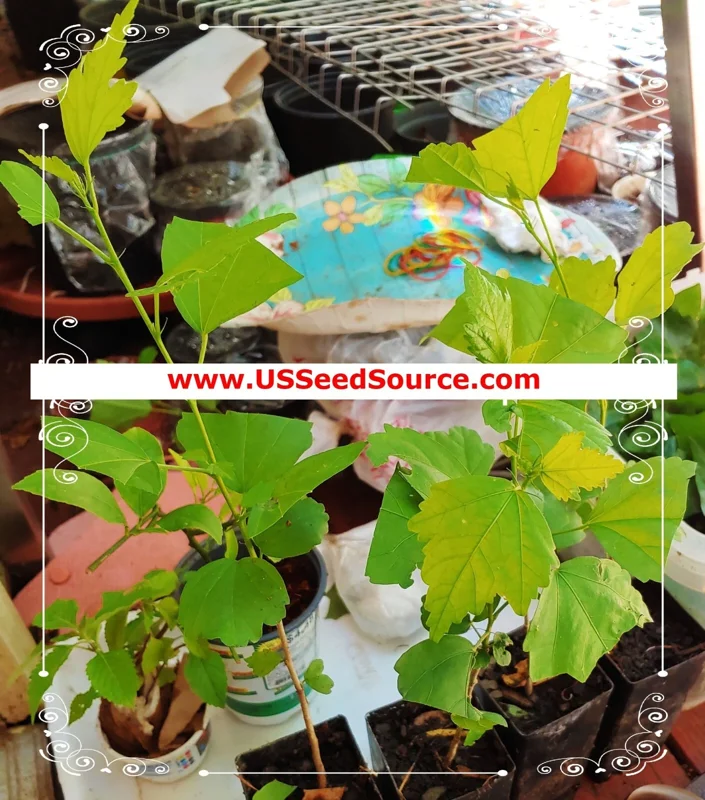
This Madagascar Hibiscus live plant is supplied as a healthy starter plant, typically in a seedling or bare root form, ready for planting and establishment in your garden or container. While exact dimensions can vary based on growth stage and specific cultivation practices, these plants generally arrive prepared for successful transplanting and continued growth. As a Hibiscus Moscheutos mallow, it is known for its vigorous growth habit, often developing into a substantial perennial. The mature plant typically reaches heights of 3 to 7 feet, with a similar spread, creating a beautiful clumping form. The flowers themselves are large and impressive, often several inches in diameter.
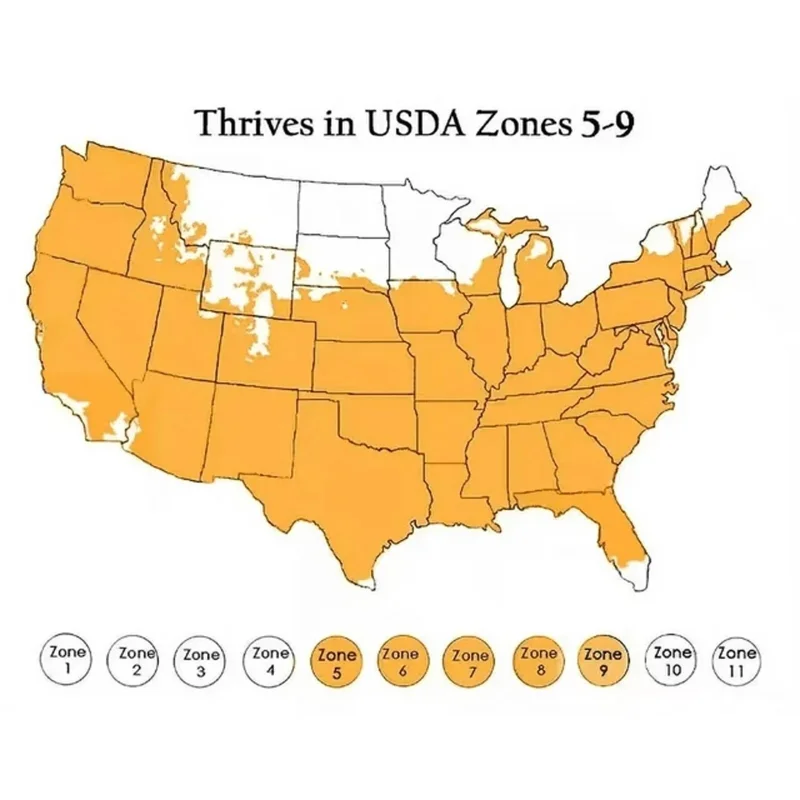
The growth rate of this Rose of Sharon perennial is considered medium to fast, allowing you to enjoy its magnificent blooms within the first year or two after planting. It is a deciduous plant, meaning it will shed its leaves in colder months and return with new growth in spring. The plant is suitable for a wide range of climates, thriving in USDA zones where winter temperatures do not consistently drop below freezing. Its adaptability makes it a versatile choice for many gardeners looking for a beautiful and resilient starter plant.
Frequently Asked Questions
- Q: How big does this Madagascar Hibiscus live plant get? A: A mature Madagascar Hibiscus live plant, or Hibiscus Moscheutos mallow, typically grows anywhere from 3 to 7 feet tall and can spread a similar width, forming a lovely clumping habit. Its size can also be influenced by growing conditions and pruning.
- Q: Is this an indoor or outdoor plant? A: This Rose of Sharon perennial is versatile and can be grown both indoors and outdoors. Outdoors, it thrives in garden beds and containers. Indoors, it will need bright light to flourish and produce its characteristic large blooms.
- Q: How much sunlight does it need? A: For abundant flowering, your tropical hibiscus care dictates it needs full sun to medium sun, ideally at least 6 hours of direct sunlight daily. It can tolerate some partial shade, but flowering may be reduced.
- Q: Is this plant easy to care for? A: Yes, once established, the Madagascar Hibiscus live plant is considered relatively low-maintenance. It requires consistent watering, good drainage, and occasional feeding. It’s a great choice for gardeners of varying experience levels.
- Q: What condition will the starter plant arrive in? A: Your starter plant will arrive as a healthy seedling or bare root, carefully packaged to ensure its safety during transit. It will be ready for immediate planting upon arrival, often with moist roots.
- Q: How long until it blooms? A: With proper care, you can expect your Madagascar Hibiscus live plant to begin blooming in its first or second growing season, typically from summer into fall, providing a spectacular show of flowers.
- Q: Will it survive winter in my zone? A: As a Rose of Sharon perennial, its winter survival depends on your USDA hardiness zone. It is generally hardy in zones where the ground does not freeze solid for extended periods. In colder zones, it can be grown as an annual or brought indoors for winter.
- Q: What kind of soil is best for this plant? A: This plant prefers well-draining soil with a neutral to slightly acidic pH. It can adapt to various soil types, including sandy, loamy, or clay-based soils, as long as drainage is adequate.
- Q: Is this plant pet-safe? A: It’s always best to research specific plant toxicity for pets, as some hibiscus varieties can be mildly toxic if ingested. If you have pets, consider placing the plant in an area they cannot easily reach, or consult your veterinarian.
- Q: What is the best time to plant this Hibiscus Moscheutos mallow? A: The best time to plant your Hibiscus Moscheutos mallow is typically in spring after the last frost, allowing it ample time to establish before the heat of summer or the cold of winter.





Reviews
There are no reviews yet.