Overview
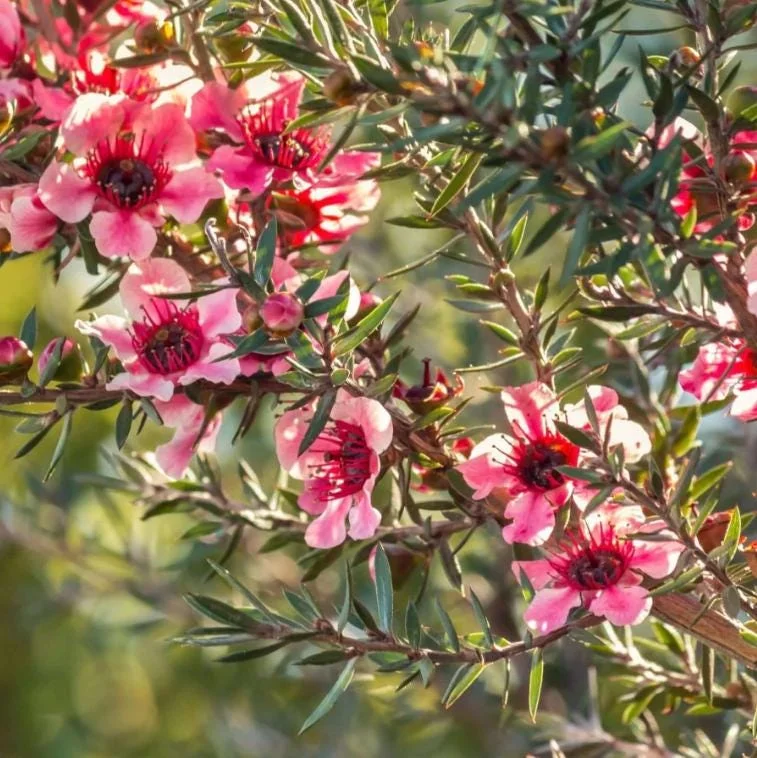
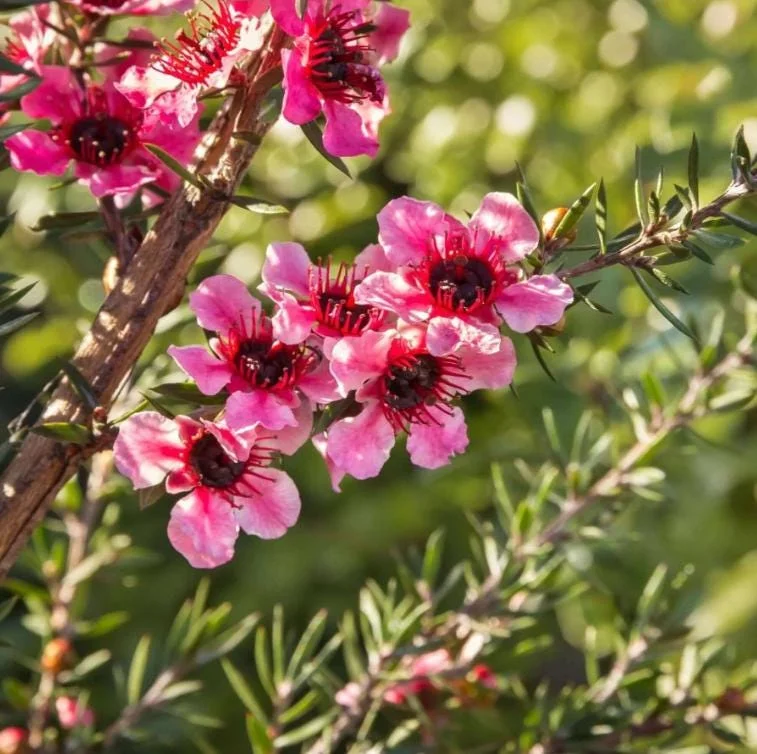
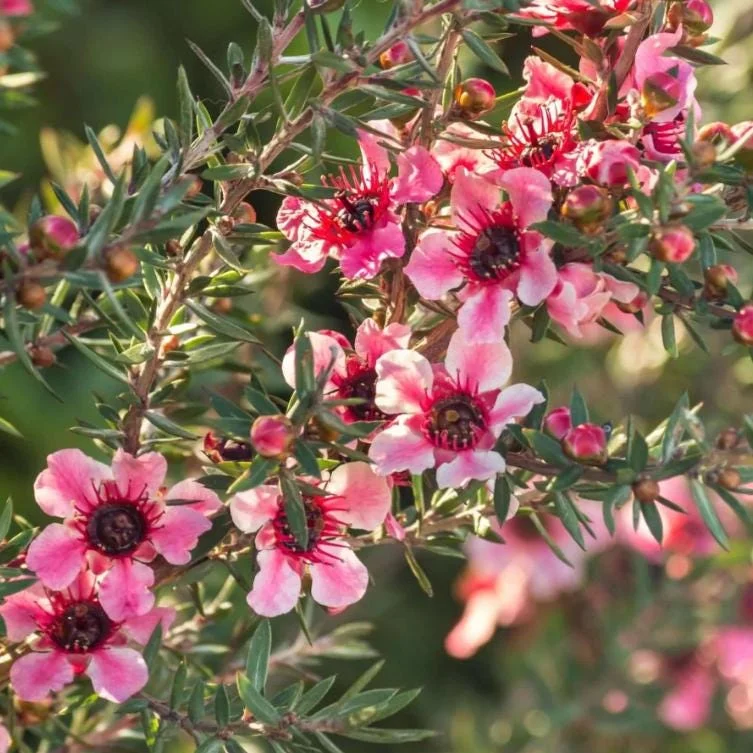
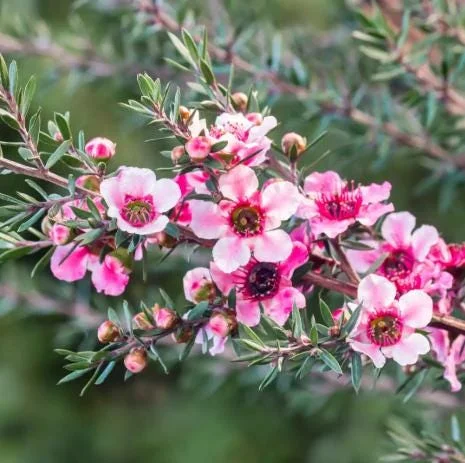
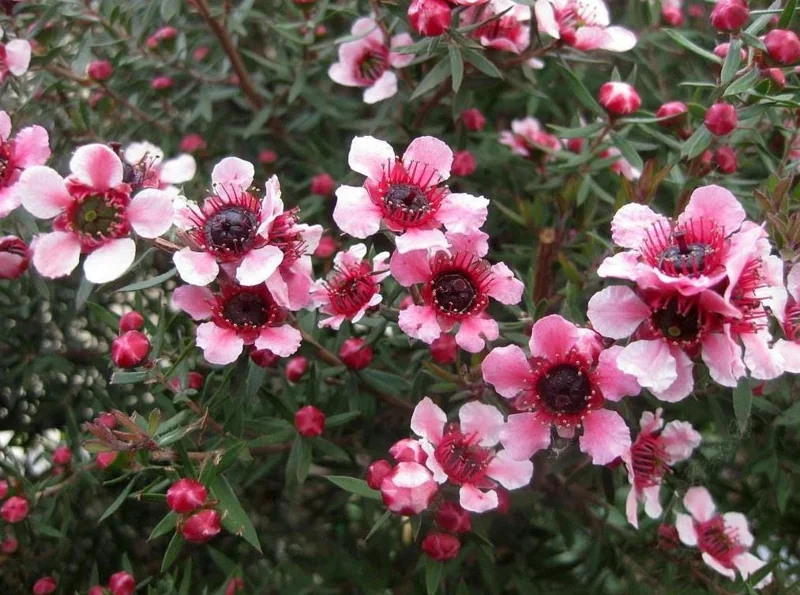
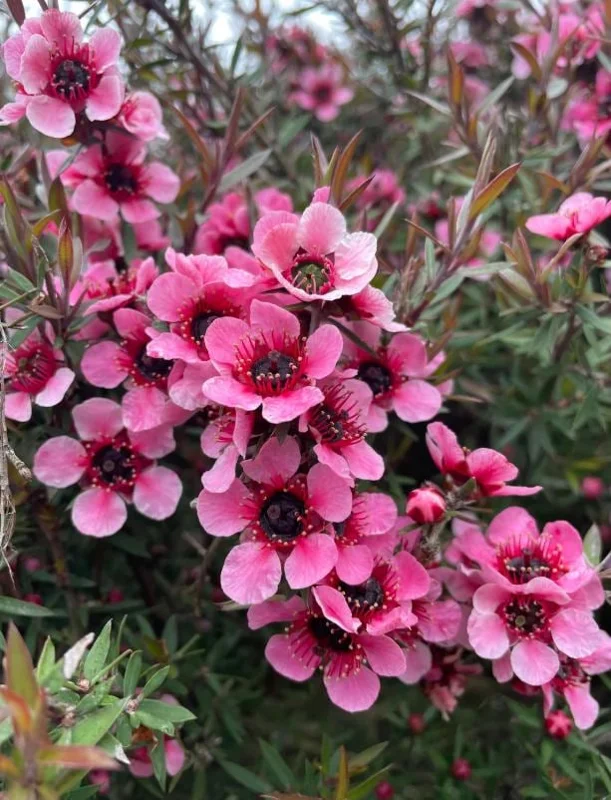
Transform your outdoor space with a beautiful manuka tea tree live plant. This captivating evergreen shrub, scientifically known as Leptospermum scoparium, is celebrated for its fine, aromatic, needle-like leaves and abundant, showy flowers that range from pristine white to vibrant pink and deep rose. Originating from New Zealand, the Manuka Tea Tree adds a touch of exotic elegance and natural beauty to any garden, thriving in various climates within its recommended USDA zones. Whether you’re an experienced gardener or just starting, this resilient and attractive plant is an excellent choice for creating a serene and fragrant environment. Its distinctive appearance and easy care make it a popular addition to diverse landscape designs.
The new zealand tea tree plant is not only visually appealing but also has a rich history and cultural significance. It’s renowned for its medicinal properties, particularly its famous Manuka honey, which is derived from the nectar of its flowers. While this specific plant is for ornamental purposes, its connection to such beneficial products adds to its allure. It grows into a small tree or shrub, making it versatile for different garden applications, from hedges to specimen plantings. Enjoy the subtle fragrance and continuous bloom that this remarkable plant offers throughout its flowering season.
Key Benefits
Choosing a manuka tea tree live plant for your garden offers a multitude of advantages, enhancing both the aesthetic and ecological value of your outdoor sanctuary. Its unique characteristics make it a standout choice for various landscaping needs.
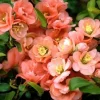
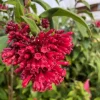
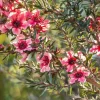
- Stunning Floral Display: Experience a profusion of small, elegant flowers that bloom from spring to summer. These vibrant blooms, ranging from white to pink and deep rose, create a spectacular visual impact and attract beneficial pollinators to your garden, enhancing biodiversity.
- Aromatic Foliage: The fine, needle-like leaves of the new zealand tea tree plant release a subtle, refreshing aroma, especially when brushed against. This natural fragrance adds an extra sensory dimension to your garden, creating a pleasant and inviting atmosphere.
- Evergreen Beauty: Maintain year-round interest with this evergreen shrub. Its persistent foliage ensures your garden remains vibrant and green even during colder months, providing continuous structure and color when other plants may be dormant.
- Attracts Pollinators: The nectar-rich flowers are a magnet for bees, butterflies, and other beneficial insects. By including this plant in your garden, you contribute to local ecosystem health and support pollinator populations essential for plant reproduction and food production.
- Versatile Landscaping: Ideal for a variety of garden uses, the Manuka Tea Tree can be grown as a standalone specimen, integrated into mixed borders, or even used to create beautiful, informal hedges. Its adaptable nature allows it to fit seamlessly into diverse garden designs.
- Drought Tolerance: Once established, the manuka plant care requirements are relatively low, as it exhibits good drought tolerance. This makes it a sustainable choice for water-wise gardening, reducing the need for frequent irrigation and making it a resilient option for various climates.
- Low Maintenance: This shrub is known for its hardiness and ease of care. It requires minimal pruning to maintain its shape and health, making it an excellent option for gardeners seeking beautiful results with less effort.
Plant Care & Growing Tips
Ensuring the health and vitality of your manuka tea tree live plant is straightforward with the right care practices. These guidelines will help your plant thrive and produce abundant blooms year after year. The Manuka Tea Tree is a robust plant, but understanding its specific needs will lead to the best results and a beautiful, long-lasting addition to your garden.
When it comes to light, the Manuka Tea Tree prefers Full Sun to Partial Shade. For optimal flowering and dense foliage, aim for at least 6 hours of direct sunlight per day. While it can tolerate some shade, too little light may result in leggy growth and reduced bloom production. For soil, well-draining conditions are paramount. This plant thrives in sandy or loamy soil. Avoid heavy clay soils that retain too much moisture, as this can lead to root rot. If your soil is dense, amending it with organic matter or sand can improve drainage. Moderate watering is essential, especially while the plant is establishing itself. Once established, it is relatively drought-tolerant but will benefit from occasional deep watering during prolonged dry spells. Always allow the top few inches of soil to dry out between waterings to prevent overwatering.
The ideal temperature range for the leptospermum scoparium is between 50°F and 75°F (10°C to 24°C). It is hardy in USDA Zones 9 to 11, meaning it can tolerate mild frosts but should be protected from severe freezes. In colder zones, it can be grown in containers and brought indoors during winter. Fertilization is generally not heavily required. A balanced, slow-release fertilizer applied in early spring can support vigorous growth and flowering. Pruning should be done after the main flowering period to maintain shape, remove spent blooms, and encourage bushier growth. Watch out for common pests like scale insects or spider mites, which can be managed with insecticidal soap if necessary. Proper air circulation and good sanitation practices also contribute to overall plant health, helping you to successfully buy manuka plant online and nurture it.
Size & Details
This manuka tea tree live plant arrives ready to thrive in your garden. The plants are typically 4 to 6 inches tall, providing a healthy young specimen that will quickly establish itself. Grown in a nursery pot, the plant is well-rooted and prepared for transplanting into your desired location. Manuka Tea Trees are known for their moderate growth rate, and with proper care, they can reach mature heights of 6 to 10 feet and a similar spread, forming a dense, attractive shrub or small tree. The exact size and bloom color will depend on the specific cultivar, offering a delightful surprise as your plant grows.
The plant is shipped with its root ball intact to ensure a smooth transition to its new home. Expect vibrant blooms from spring through summer, providing continuous color and fragrance. Its compact size upon arrival makes it easy to handle and plant, whether you’re adding it to a perennial border, creating a low hedge, or featuring it as a specimen plant in a container. This resilient and beautiful shrub is a fantastic choice for enhancing the biodiversity and aesthetic appeal of your garden.
Frequently Asked Questions
- Q: How big does this Manuka Tea Tree get? A: This manuka tea tree live plant typically grows to a mature height of 6 to 10 feet and can spread similarly, forming a dense shrub or small tree. Its initial height upon arrival is 4 to 6 inches.
- Q: Is this an indoor or outdoor plant? A: The Manuka Tea Tree is primarily an outdoor plant, hardy in USDA Zones 9 to 11. In colder climates, it can be grown in containers and brought indoors during winter months.
- Q: How much sunlight does it need? A: This plant thrives in full sun to partial shade, preferring at least 6 hours of direct sunlight daily for optimal growth and abundant flowering.
- Q: Is this plant easy to care for? A: Yes, the new zealand tea tree plant is considered relatively low-maintenance. Once established, it is drought-tolerant and requires minimal pruning and fertilization.
- Q: What condition will it arrive in? A: Your Manuka Tea Tree will arrive as a healthy, well-rooted live plant, typically 4 to 6 inches tall, with its root ball intact in a nursery pot, ready for planting.
- Q: When is the best time to plant a Manuka Tea Tree? A: The best time to plant is in spring or early fall, allowing the plant sufficient time to establish its root system before extreme weather conditions.
- Q: What type of soil does the Manuka Tea Tree prefer? A: It prefers well-draining soil, such as sandy or loamy types. Avoid heavy clay soils that can retain too much moisture, which can be detrimental to root health.
- Q: Can I use the leaves of this plant for tea? A: While the plant is known as a “tea tree,” this particular variety is primarily grown for ornamental purposes. Consult with experts before ingesting any part of the plant for tea or medicinal uses.
- Q: How often should I water my Manuka Tea Tree? A: Water moderately while the plant is establishing. Once established, it is drought-tolerant, but benefit from deep watering during dry periods, allowing the soil to dry out between waterings.
- Q: Will the flowers always be white? A: No, the blooms of the leptospermum scoparium can range from white to pink and deep rose, depending on the specific cultivar. The exact color may vary.





Reviews
There are no reviews yet.