Overview
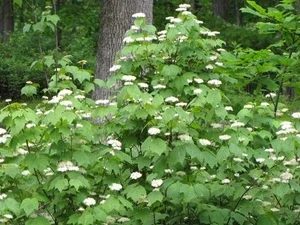
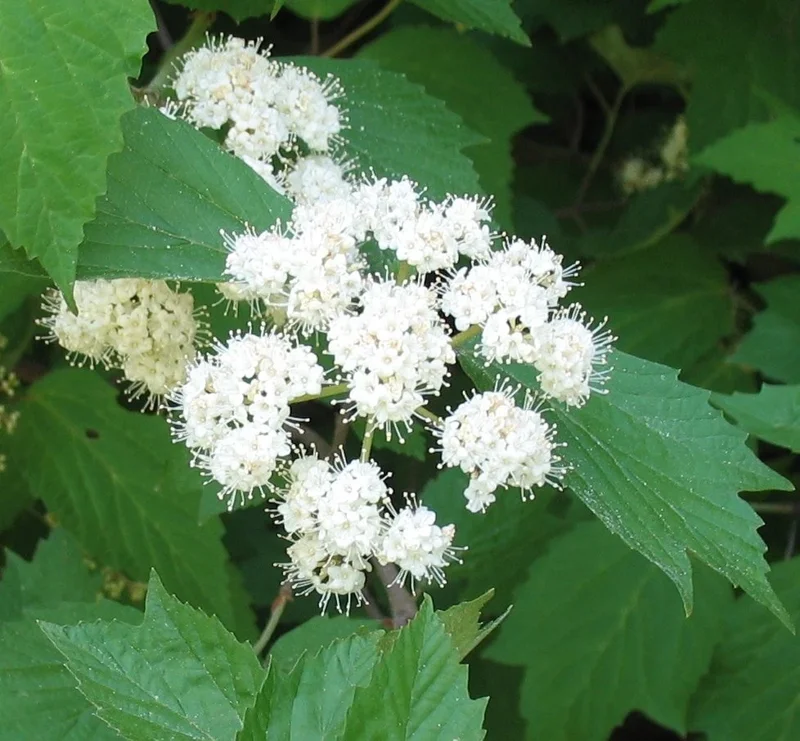
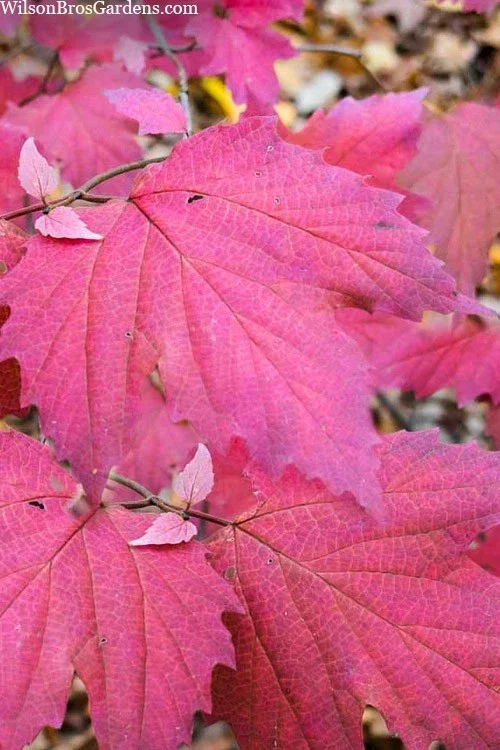
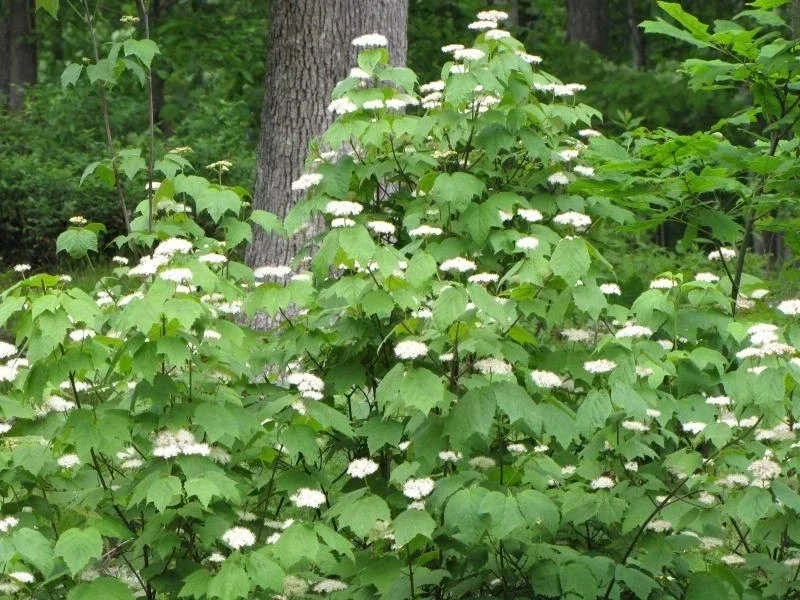
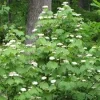
Introduce a touch of natural elegance to your landscape with the mapleleaf viburnum live plant, scientifically known as Viburnum acerifolium. This deciduous shrub is a true four-season performer, offering delicate white flowers in spring, attractive green foliage throughout summer, and spectacular purple-red hues in autumn. Growing to an average height of 16+ inches, this robust plant is an exceptional choice for gardeners seeking a versatile and resilient addition to their outdoor spaces. The mapleleaf viburnum live plant is highly regarded for its adaptability and ease of care, making it a favorite among both novice and experienced gardeners. Its native origins in North America ensure it is well-suited to a continental climate, thriving with minimal intervention once established. This particular specimen is a ‘Mapleleaf’ cultivar, celebrated for its distinctively shaped leaves that resemble those of a maple tree, adding unique textural interest to your garden.
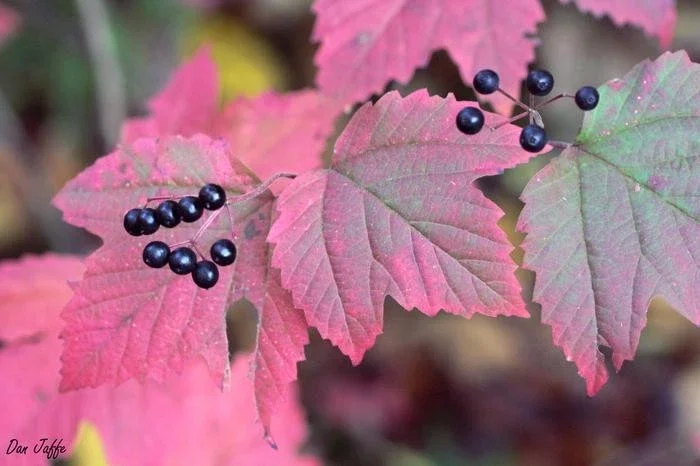
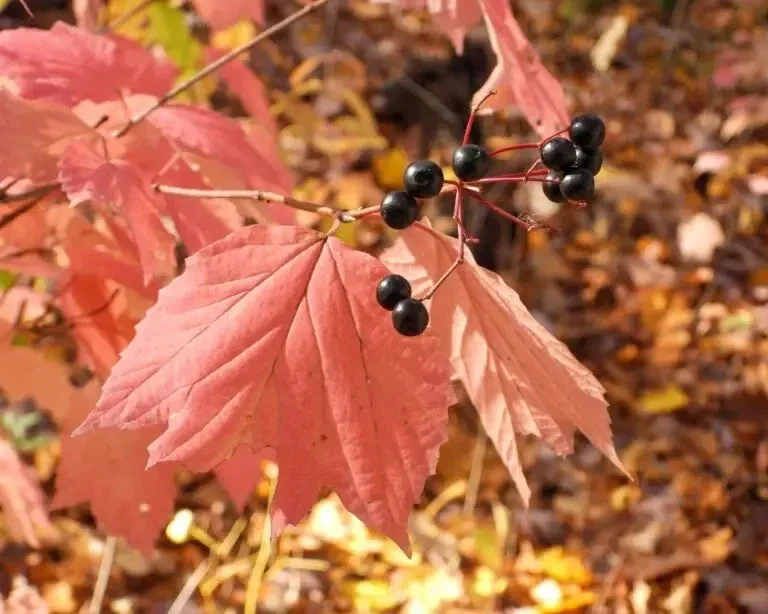
The mapleleaf viburnum live plant provides not only aesthetic appeal but also ecological benefits. Its spring flowers attract pollinators, and its dark blue-black berries provide a valuable food source for birds in the late summer and fall. This plant is delivered as a bare-root specimen, carefully dug up as ordered to ensure freshness and viability upon arrival. Whether you’re looking to create a naturalized area, a mixed border, or simply add a specimen plant, the mapleleaf viburnum live plant offers year-round interest and enduring beauty.
Key Benefits
The mapleleaf viburnum live plant offers a wealth of advantages for any gardener, combining aesthetic beauty with ecological benefits and straightforward maintenance. Its versatility makes it an ideal choice for various garden designs and conditions.
- Stunning Seasonal Interest: Enjoy a dynamic display throughout the year, from delicate white spring flowers to lush green summer foliage and dramatic purple-red fall color. This constant change ensures your garden remains captivating.
- Wildlife Attraction: The spring blooms attract beneficial pollinators like bees and butterflies, while the berries provide essential food for local bird populations, enhancing your garden’s biodiversity.
- Adaptable & Resilient: This outdoor viburnum shrub is highly tolerant of a range of growing conditions, including various light exposures from full shade to medium sun, making it suitable for many garden spots. It’s also known for its hardiness.
- Low Maintenance: Once established, the mapleleaf viburnum live plant requires minimal care, making it an excellent choice for busy gardeners or those new to planting shrubs. It is relatively disease and pest resistant.
- Distinctive Foliage: The maple-like leaves give this viburnum a unique texture and form, setting it apart from other shrubs and contributing to a sophisticated garden aesthetic. The vibrant mapleleaf viburnum fall color is particularly striking.
- Child and Pet Safe: This plant is listed as child-safe and pet-safe, offering peace of mind for families with young children and animals who enjoy outdoor spaces.
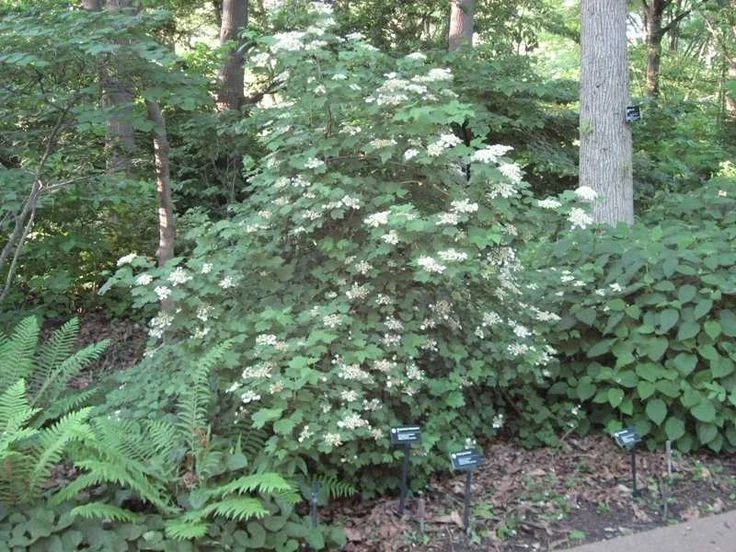
- Versatile Landscaping Use: Perfect for woodland gardens, naturalized areas, mixed borders, or as a foundation plant. Its moderate size allows for flexible placement in diverse landscape designs.
Plant Care & Growing Tips
Ensuring the success of your mapleleaf viburnum live plant is straightforward with proper care. This resilient shrub is known for its adaptability, but understanding its basic needs will help it thrive and display its best features, especially its vibrant mapleleaf viburnum fall color. When planting, select a location that receives appropriate sunlight. While it tolerates full shade, it will produce more flowers and better fall color in low to medium sun. Aim for a spot that gets at least 3-6 hours of direct sunlight per day, or dappled shade throughout the day. Good air circulation is also important to prevent fungal issues.
Watering should be consistent, especially during the first growing season. The Viburnum acerifolium care routine suggests medium watering; the soil should be kept consistently moist but not waterlogged. Once established, this plant is moderately drought-tolerant but will benefit from supplemental watering during prolonged dry spells. For soil, the mapleleaf viburnum prefers well-draining, organically rich soil. It can adapt to a range of soil types, including sandy, loamy, or clay soils, as long as drainage is adequate. Fertilize sparingly in early spring with a balanced slow-release fertilizer, if needed, especially in poor soil. Over-fertilization can lead to excessive foliage growth at the expense of flowers and berries.
Pruning is generally minimal for this deciduous viburnum plant. You can prune to maintain shape, remove dead or damaged branches, or to control size after flowering. It’s hardy in USDA zones 4-8, tolerating cold winters. Protect young plants from harsh winter winds in colder zones. Common problems are rare, but watch for aphids or leaf spot, which can usually be managed with horticultural oil or fungicides if necessary. Proper spacing and good air circulation are key preventative measures.
Size & Details
This offering is for one mapleleaf viburnum live plant (Viburnum acerifolium ‘Mapleleaf’) that stands at least 16 inches tall. It is provided as a bare-root plant, meaning it will be freshly dug from the ground upon order and shipped without soil around its roots. This method ensures minimum shock during transit and allows the plant to quickly establish itself in its new environment. While the exact width may vary, expect a healthy branching structure suitable for its height. As a bare-root plant, it is ready for immediate planting upon arrival.
The mapleleaf viburnum live plant is a moderate grower, typically reaching a mature height of 4-8 feet and a similar spread, forming a dense, rounded shrub. It will begin to establish quickly in its first season, with noticeable growth and flowering appearing in subsequent years. This plant is supplied as a single specimen, ideal for adding a focal point or integrating into a larger landscape design. Its robust nature means it is well-equipped to handle the transition to your garden, ready to develop into a beautiful and mature outdoor viburnum shrub.
Frequently Asked Questions
- Q: How big does this plant get? A: The mapleleaf viburnum live plant typically grows to a mature height of 4 to 8 feet and can spread similarly wide, forming a dense, rounded shrub. Its ultimate size is influenced by growing conditions and pruning.
- Q: What size pot does it come in? A: This deciduous viburnum plant is shipped as a bare-root specimen, meaning it does not come in a pot. It is carefully dug up as ordered and prepared for direct planting in your garden upon arrival.
- Q: Is this an indoor or outdoor plant? A: The mapleleaf viburnum live plant is an outdoor shrub, perfectly suited for garden beds, borders, or naturalized areas. It is not recommended for indoor cultivation.
- Q: How much sunlight does it need? A: For optimal growth and the best mapleleaf viburnum fall color, this plant thrives in low sun to medium sun conditions, receiving a few hours of direct light or dappled shade. It can tolerate full shade but may have fewer flowers and less vibrant fall foliage.
- Q: Is this plant easy to care for? A: Yes, the mapleleaf viburnum live plant is known for being relatively low-maintenance. Once established, it is quite hardy and requires minimal attention, making the Viburnum acerifolium care routine suitable for gardeners of all experience levels.
- Q: What condition will it arrive in? A: Your mapleleaf viburnum live plant will arrive as a fresh bare-root specimen, dug up shortly before shipping. It will be carefully packaged to ensure its health and readiness for planting.
- Q: Is it pet-safe? A: Yes, this plant is listed as both child-safe and pet-safe, offering peace of mind for households with children and pets.
- Q: How long until it blooms? A: The mapleleaf viburnum live plant typically produces its delicate white flowers in the spring, usually in May or June. Established plants will bloom reliably each year.
- Q: When is the best time to plant? A: Bare-root plants like the mapleleaf viburnum live plant are best planted in early spring or late fall when the plant is dormant. This allows the roots to establish before extreme temperatures.
- Q: Will it survive winter in my zone? A: The mapleleaf viburnum live plant is hardy in USDA zones 4 to 8, meaning it can withstand winter temperatures in a wide range of climates across the United States.




Reviews
There are no reviews yet.