Overview
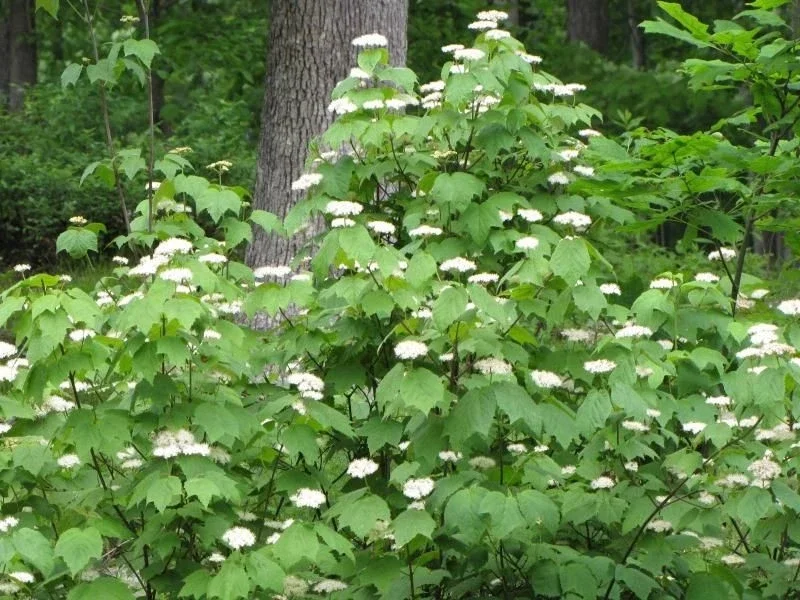
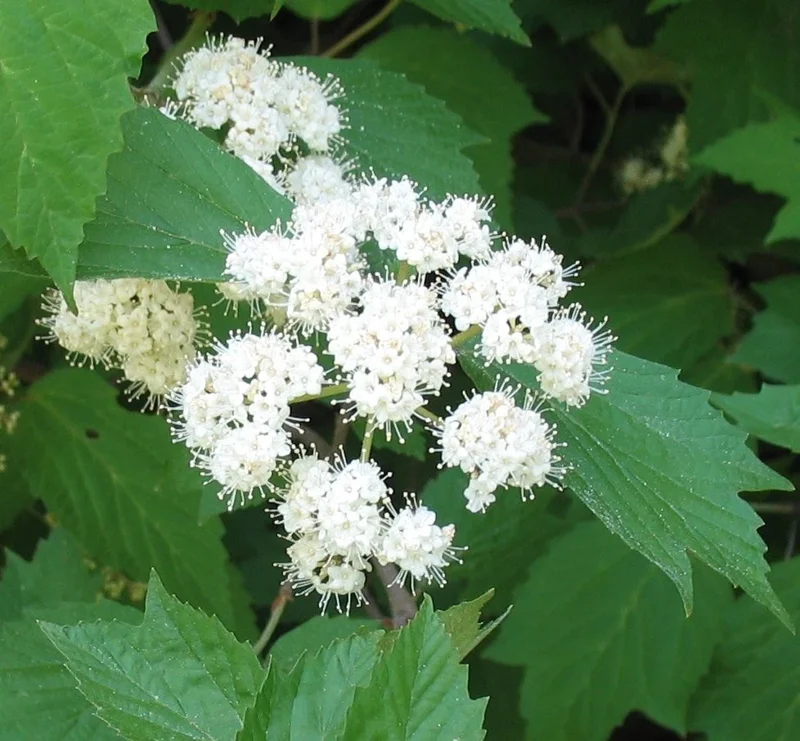
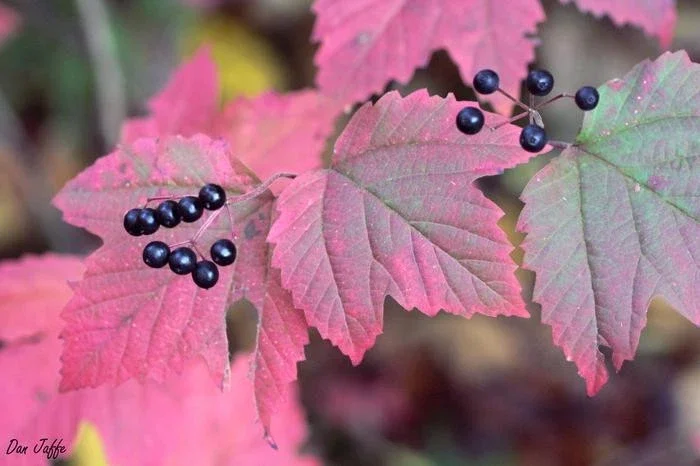
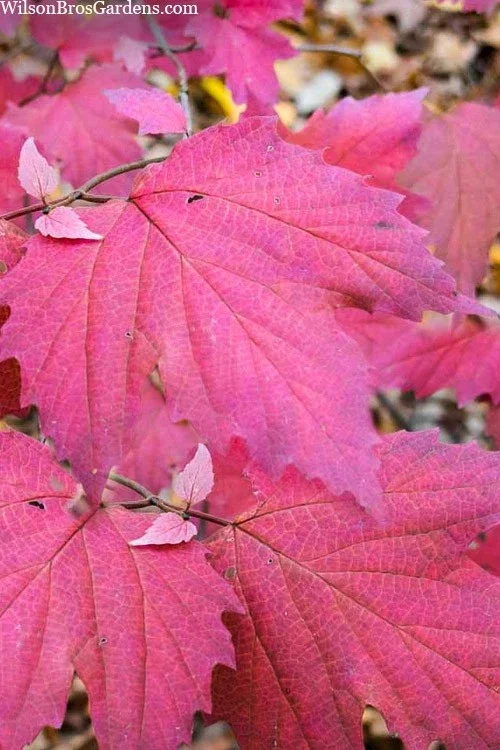
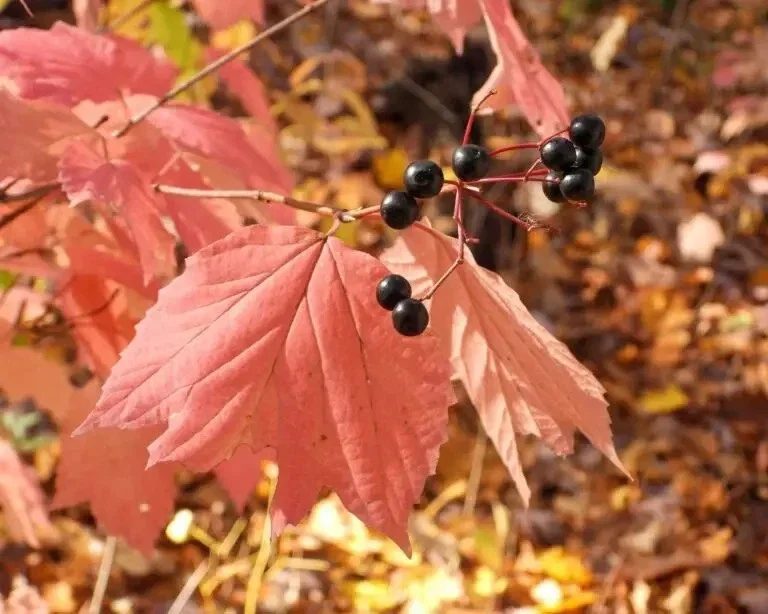
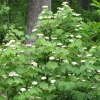
Introducing the magnificent mapleleaf viburnum live plant, a stunning addition to any garden or landscape design. This deciduous shrub, scientifically known as Viburnum acerifolium ‘Mapleleaf’, is celebrated for its distinctive maple-like leaves that transform into brilliant shades of purple-red in the autumn. Beyond its spectacular fall display, the Mapleleaf Viburnum delights with clusters of delicate white flowers in spring, followed by dark blue-black berries that attract birds. Growing to an impressive 16+ inches tall, this live plant is a testament to natural beauty and resilience, making it a favored choice for gardeners seeking both aesthetic appeal and ecological benefits. Its adaptability to various light conditions and soil types further enhances its appeal, ensuring a thriving presence in diverse outdoor settings.
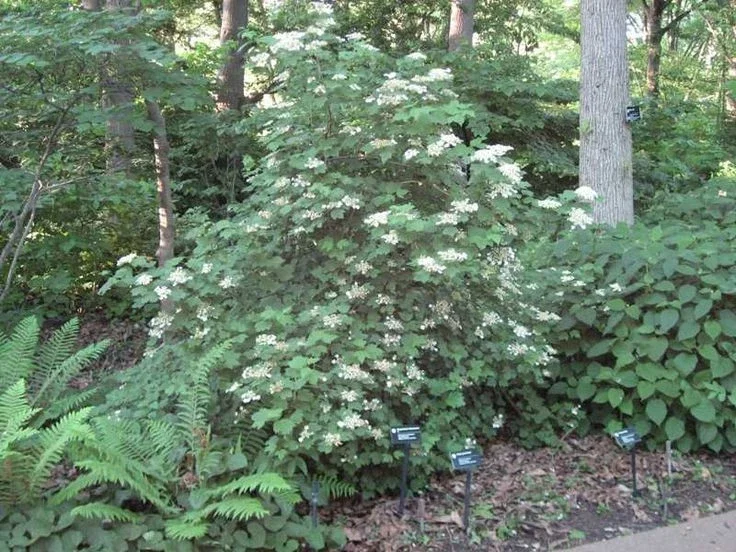
The mapleleaf viburnum live plant is a versatile landscaping solution, perfect for creating naturalized areas, woodland gardens, or as an understory plant. Its moderate growth rate and pleasing form make it suitable for hedges, borders, or as a standalone specimen. This plant is not just about visual charm; it’s also a robust performer, capable of withstanding different climates and requiring minimal maintenance once established. If you’re looking for a plant that offers year-round interest and contributes positively to local wildlife, the Mapleleaf Viburnum is an excellent selection. Its hardiness and beauty combine to create a truly remarkable garden feature.
Key Benefits
The mapleleaf viburnum live plant offers a multitude of benefits that make it an exceptional choice for any garden. Its unique characteristics provide both aesthetic pleasure and environmental advantages.
- Stunning Seasonal Interest: This viburnum provides beauty throughout the year, from its white spring flowers and lush summer foliage to its spectacular purple-red fall color. The berries that follow add visual appeal and attract local wildlife, making it a dynamic addition to your outdoor space.
- Attracts Wildlife: The dark blue-black berries produced by the mapleleaf viburnum live plant are a favorite food source for many bird species, contributing to the biodiversity of your garden. The flowers also serve as a nectar source for pollinators.
- Versatile Landscaping Use: Whether you need an understory plant for shaded areas, a natural hedge, or a specimen shrub, the Mapleleaf Viburnum fits perfectly. Its adaptable nature allows it to thrive in various garden roles, enhancing different landscape designs.
- Low Maintenance: Once established, the Viburnum acerifolium ‘Mapleleaf’ requires minimal care. It is relatively drought-tolerant and less prone to pests and diseases compared to many other shrubs, making it an ideal choice for busy gardeners.
- Shade Tolerance: Unlike many flowering shrubs, this deciduous viburnum shrub performs well in partial to full shade, making it perfect for brightening up dimmer corners of your garden where other plants might struggle.
- Child and Pet Safe: This plant is considered safe for both children and pets, allowing you to enjoy its beauty without concern for curious family members.
- Erosion Control: Its fibrous root system can help stabilize soil on slopes and prevent erosion, adding a practical benefit to its ornamental qualities.
Plant Care & Growing Tips
Caring for your mapleleaf viburnum live plant is straightforward, ensuring a healthy and vibrant shrub for years to come. This robust plant is known for its resilience and adaptability, making it suitable for a wide range of gardening skill levels. To ensure optimal growth, consider its specific needs regarding sunlight, soil, and watering. The Mapleleaf Viburnum generally prefers a location where it can receive adequate light without being subjected to harsh, intense afternoon sun, particularly in warmer climates.
For sunlight, the mapleleaf viburnum live plant thrives in full shade, low sun, or medium sun, making it an excellent choice for a shade tolerant viburnum. Aim for at least 4-6 hours of indirect sunlight or dappled shade daily. While it can tolerate more sun, especially in cooler regions, too much direct afternoon sun can scorch its leaves. When it comes to watering, maintain medium moisture levels. The soil should be consistently moist but not waterlogged. Water deeply once or twice a week, especially during dry spells or its first growing season. Well-draining soil is crucial to prevent root rot. A loamy soil, enriched with organic matter, provides the ideal environment for its root system. The Mapleleaf Viburnum is hardy in USDA zones 4-8, tolerating a wide range of temperatures. Fertilize annually in spring with a balanced slow-release fertilizer to support healthy growth and flowering. Pruning can be done after flowering to maintain shape or remove any dead or crossing branches. Be aware of common issues like powdery mildew in humid conditions, which can be managed with good air circulation and appropriate fungicides if necessary.
Size & Details
This mapleleaf viburnum live plant arrives as a bare root specimen, typically measuring 16+ inches in height. Bare root plants are dug up as ordered, ensuring freshness and vigor upon arrival. This form allows for easier establishment and often leads to more robust growth once planted. The plant is expected to grow into a medium-sized deciduous shrub, generally reaching a mature height and spread of 4-8 feet. Its growth rate is moderate, allowing it to establish itself well within a few seasons while providing a substantial presence in the garden. Expect to see the characteristic maple-like leaves and delicate white flowers in the spring, followed by striking fall coloration. This particular viburnum is delivered as a single plant, ready for immediate planting in your chosen outdoor location. Its mature size and growth habit make it ideal for various landscape applications, from naturalized areas to more formal garden settings.
Frequently Asked Questions
- Q: How big does this plant get? A: The mapleleaf viburnum live plant typically grows to a mature height and spread of 4-8 feet, forming a dense, rounded shrub. Its moderate growth rate allows it to fill out gracefully over several seasons, providing significant visual impact.
- Q: What size pot does it come in? A: This Mapleleaf Viburnum is shipped as a bare root plant, meaning it does not come in a pot. It is carefully packaged to ensure its roots remain healthy during transit, ready for direct planting upon arrival.
- Q: Is this an indoor or outdoor plant? A: The Mapleleaf Viburnum is an outdoor plant, highly suitable for garden beds, borders, and naturalized areas. It thrives in various outdoor conditions and is not recommended for indoor cultivation.
- Q: How much sunlight does it need? A: This is a shade tolerant viburnum that prefers partial to full shade, receiving 4-6 hours of indirect or dappled sunlight daily. While it can tolerate some morning sun, protect it from intense afternoon sun, especially in hot climates.
- Q: Is this plant easy to care for? A: Yes, the Mapleleaf Viburnum is considered a low-maintenance shrub once established. It is known for its hardiness and adaptability, making it a great choice for both experienced and novice gardeners.
- Q: What condition will it arrive in? A: Your mapleleaf viburnum live plant will arrive as a bare root specimen, freshly dug and carefully packaged to ensure its health and vitality. Ensure you plant it promptly after receiving for best results.
- Q: Can I use mapleleaf viburnum for hedges? A: Absolutely! The dense growth habit and attractive foliage of the deciduous viburnum shrub make it an excellent choice for creating natural hedges or screens in your garden. Regular pruning can help maintain its desired shape and density.
- Q: How long until it blooms? A: The Mapleleaf Viburnum typically begins to bloom in its second or third year after planting, once it has established a strong root system. Expect delicate white flower clusters in the spring.
- Q: Will it survive winter in my zone? A: This plant is remarkably cold hardy, thriving in USDA Zones 4-8. It is well-adapted to continental climates and can withstand cold winter temperatures in these regions.
- Q: What are the key mapleleaf viburnum features? A: Key features include its distinctive maple-shaped leaves, vibrant purple-red fall foliage, delicate white spring flowers, dark blue-black berries that attract birds, and its notable shade tolerance and low-maintenance nature.




Reviews
There are no reviews yet.