Overview
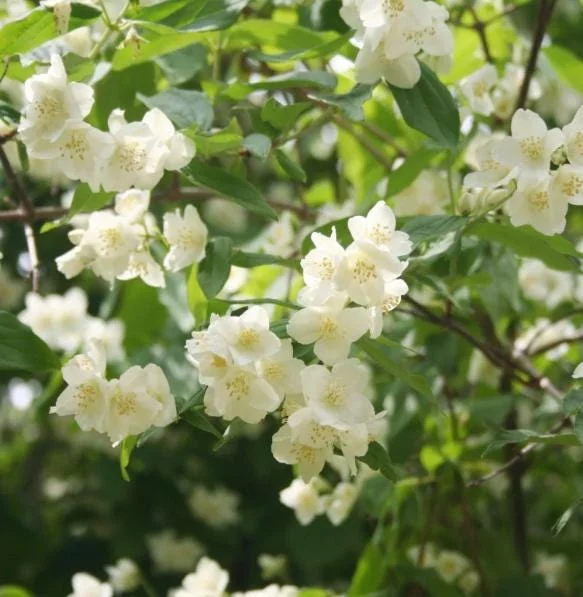
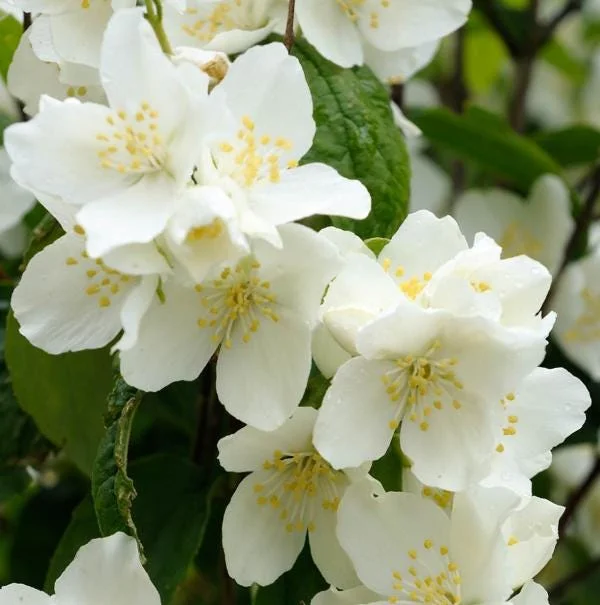
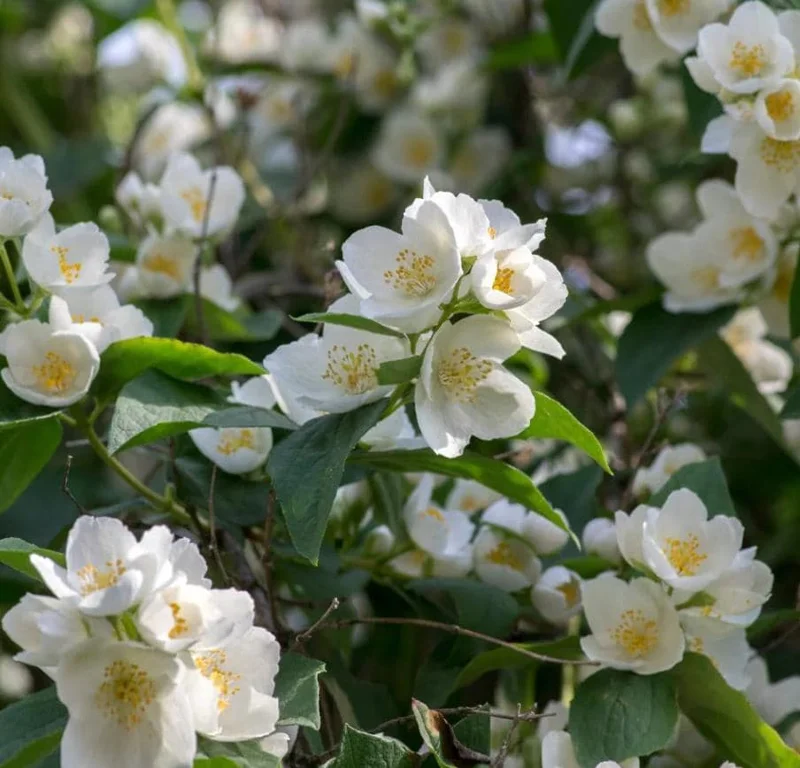
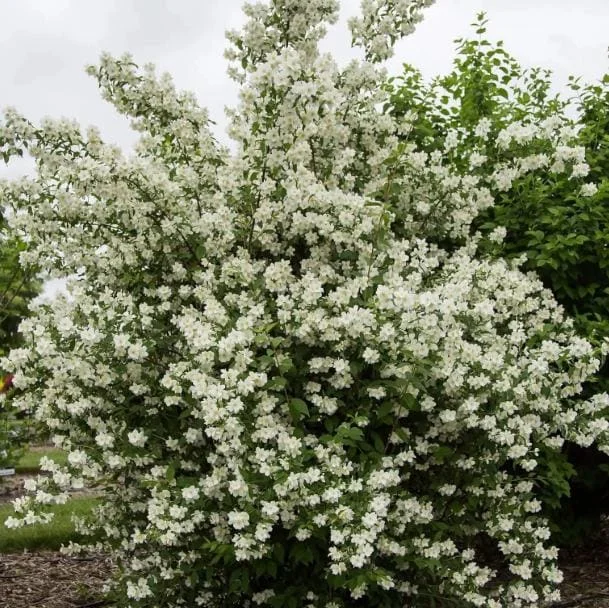
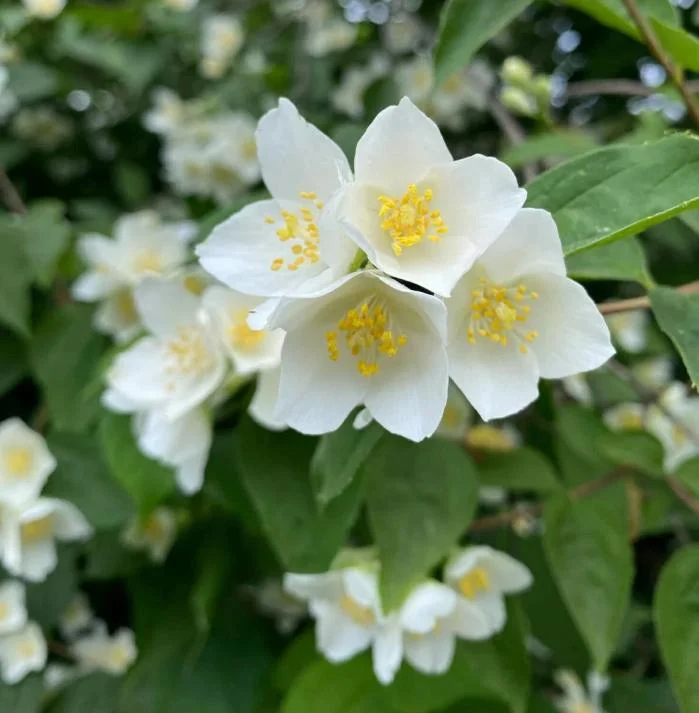
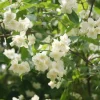
Introduce timeless elegance and an intoxicating aroma to your landscape with our premium Mock Orange bare root plant. This offering includes two dormant bare root specimens, typically measuring 1 to 2 feet in height, ready for planting. The Mock Orange, scientifically known as Philadelphus coronarius, is a beloved deciduous shrub celebrated for its profusion of fragrant, pure white, four-petaled flowers. These exquisite blooms, appearing from spring to summer, bear a striking resemblance to orange blossoms, filling the air with a sweet and memorable scent. With its dense, dark green foliage and gracefully rounded growth habit, the Mock Orange is a versatile and popular choice for ornamental gardens, privacy hedges, and decorative borders, providing both visual appeal and an olfactory delight. Our Mock Orange bare root plant is an excellent foundation for creating a lush, aromatic garden sanctuary.
Purchasing a Mock Orange bare root plant ensures a robust start for your garden. Bare root plants are typically more cost-effective and establish quickly once planted, as they focus their energy on root development in their new environment. This hardy shrub thrives in a variety of conditions, making it a reliable addition for both novice and experienced gardeners seeking a low-maintenance yet high-impact perennial.
Key Benefits
The Mock Orange bare root plant offers a multitude of benefits for any garden, combining aesthetic beauty with practical resilience. Its charming characteristics make it a standout choice for various landscaping needs.
- Exquisite Fragrance: Enjoy the delightful, sweet scent emanating from the white, orange-blossom-like flowers. This natural perfume can transform your garden into a serene and inviting space, especially when planted near patios or windows.
- Beautiful Blooms: The abundant clusters of pure white flowers provide a stunning visual display from late spring through summer. These elegant blossoms contrast beautifully with the dark green foliage, adding a touch of classic charm.
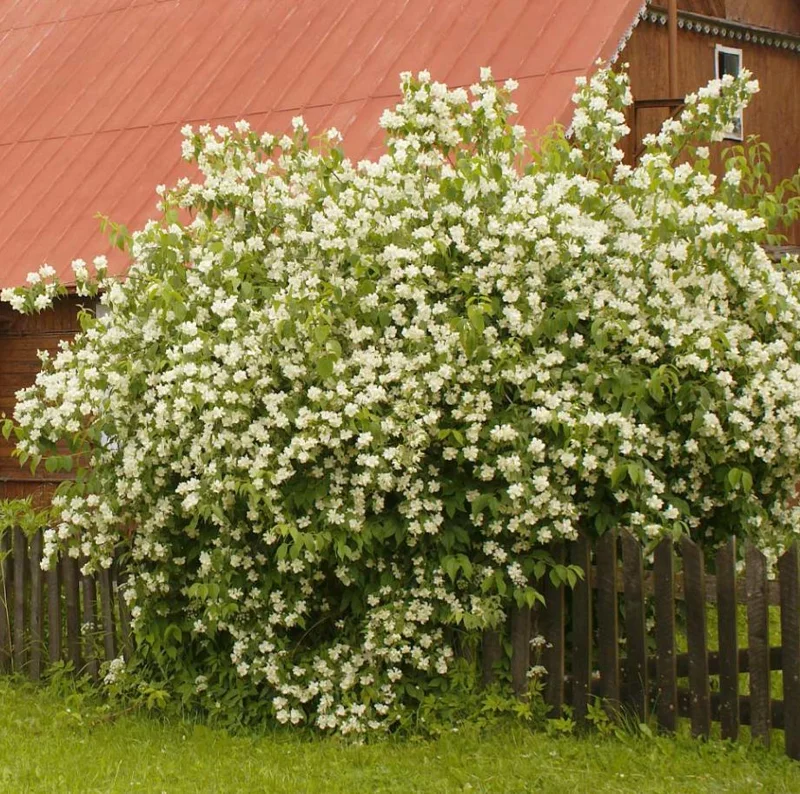
- Versatile Landscaping: Its rounded growth habit and dense foliage make it ideal for various garden applications. Use it as a specimen plant, in mixed borders, or to create a fragrant and attractive hedge for privacy and definition.
- Hardy and Resilient: The Mock Orange bare root plant is incredibly tough, tolerating a wide range of soil conditions and temperatures. It is well-suited for USDA Zones 4 to 8, making it a reliable choice for many climates.
- Low Maintenance: Once established, Mock Orange requires minimal care. It is relatively drought-tolerant and disease-resistant, providing maximum beauty with minimal effort, which is a key aspect of good Mock Orange shrub care.
- Attracts Pollinators: The fragrant flowers are a magnet for beneficial pollinators such as bees and butterflies, contributing to the biodiversity and health of your garden ecosystem.
- Natural Privacy Screen: When mature, the dense foliage creates an effective natural screen, offering privacy and reducing noise. This makes it an excellent alternative to fences in certain areas.
Plant Care & Growing Tips
Proper Mock Orange shrub care ensures a healthy and vibrant plant that will grace your garden with its fragrant blooms for years. Our Mock Orange bare root plant is designed for easy establishment and growth with the right attention.
Sunlight Requirements: Mock Orange thrives best in full sun, which means at least 6 hours of direct sunlight per day. While it can tolerate partial shade, too much shade may result in fewer flowers and a more open growth habit. For optimal blooming and dense foliage, choose a sunny location in your garden where it can soak up the morning and afternoon sun.
Watering Schedule and Soil Moisture: During its establishment period, especially in the first few years, regular watering is crucial. Keep the soil consistently moist but not waterlogged. Once mature, Mock Orange is relatively drought-tolerant and will only need supplemental watering during prolonged dry spells. Always check the soil moisture before watering; the top inch or two of soil should feel dry to the touch before rewatering. Good drainage is essential to prevent root rot.
Soil Type and Drainage: This adaptable shrub prefers well-drained, fertile soil but is quite tolerant of various soil types, including clay, loam, and sandy soils. The most important factor is good drainage. If you have heavy clay soil, amend it with organic matter like compost or peat moss to improve aeration and drainage. A slightly acidic to neutral pH (6.0-7.0) is ideal for healthy growth. This adaptability simplifies the Mock Orange planting guide for various garden conditions.
Temperature Range and USDA Hardiness Zone: Mock Orange is a remarkably resilient plant, thriving in temperatures ranging from -30°F to 95°F. It is cold-hardy in USDA Zones 4 to 8, meaning it can withstand harsh winters and hot summers within this range. In colder zones, ensure adequate mulching around the base to protect the roots. In hotter climates, providing some afternoon shade can prevent stress during peak summer heat.
Fertilization: Generally, Mock Orange does not require heavy fertilization. A balanced, slow-release granular fertilizer applied in early spring, just as new growth begins, is usually sufficient. Alternatively, you can amend the soil with a layer of compost around the base of the plant annually to provide a slow release of nutrients and improve soil structure. Avoid over-fertilizing, which can lead to excessive foliage growth at the expense of flowers.
Pruning: Pruning is best done immediately after flowering in late spring or early summer. This shrub blooms on old wood, so pruning too late in the season will reduce the following year’s flower display. Remove any dead, damaged, or crossing branches. You can also thin out older, less productive stems from the base to encourage new growth and maintain a desirable shape. Regular pruning is a vital part of effective Mock Orange shrub care.
Common Problems and Solutions: Mock Orange is generally pest and disease resistant. Occasionally, aphids or spider mites may appear. These can usually be managed with a strong spray of water or an insecticidal soap. Fungal issues are rare if the plant has good air circulation and proper drainage. Ensure adequate spacing between plants to promote airflow and reduce humidity around the foliage.
Size & Details
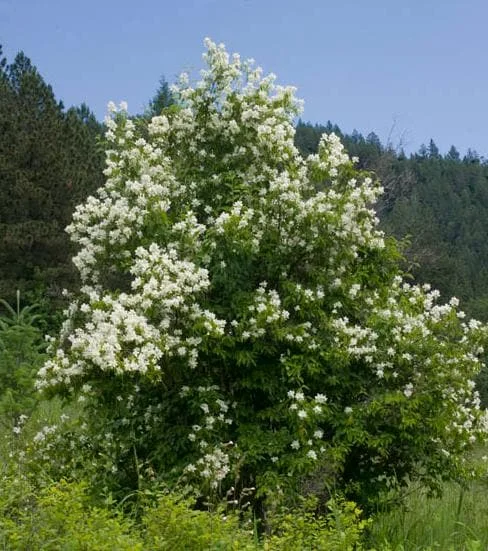
This offering includes two Mock Orange bare root plant specimens. Each plant typically arrives dormant, without leaves, and measures approximately 1 to 2 feet in height. Bare root plants are an economical and effective way to establish new shrubs, as they are shipped without soil around their roots, allowing them to focus their energy on developing a strong root system once planted in your garden. The mature size of a Mock Orange shrub can vary depending on the variety and growing conditions, but it typically reaches a height and spread of 5 to 10 feet. It has a moderate growth rate, establishing itself well within the first few seasons and reaching its full size within 3-5 years.
The plants are in their dormant state, which is ideal for planting in late fall or early spring. This allows the roots to establish before the stress of summer heat or the demands of flowering. Expect the first fragrant white flowers to appear in late spring to early summer, typically in the second year after planting, once the plant has settled into its new environment. The Philadelphus coronarius variety is known for its robust nature and reliable performance across its recommended USDA hardiness zones.
Frequently Asked Questions
- Q: What condition will the Mock Orange bare root plant arrive in? A: Your Mock Orange bare root plant will arrive dormant, typically without leaves, and with its roots exposed. This is normal for bare root plants and ensures they are ready for planting and establishment in your garden.
- Q: How big does this Mock Orange shrub get? A: A mature Mock Orange shrub typically grows to a height and spread of 5 to 10 feet, depending on the variety and growing conditions. Regular pruning can help manage its size and shape.
- Q: Is this an indoor or outdoor plant? A: The Mock Orange is an outdoor deciduous shrub. It is not suitable for indoor cultivation and requires outdoor conditions to thrive and bloom effectively.
- Q: How much sunlight does the Mock Orange need? A: For the best flowering and healthy growth, Mock Orange requires at least 6 hours of direct sunlight daily, performing optimally in full sun. It can tolerate partial shade, but blooming may be reduced.
- Q: Is this plant easy to care for? A: Yes, the Mock Orange is considered a relatively low-maintenance shrub once established. It tolerates various soil types and is quite hardy, making Mock Orange shrub care straightforward for most gardeners.
- Q: When is the best time to plant a Mock Orange bare root plant? A: The ideal time for Mock Orange planting guide for bare root plants is in late fall after the first frost, or in early spring before new growth begins. This allows the roots to establish before extreme temperatures.
- Q: How long until my Mock Orange plant blooms? A: You can typically expect your Mock Orange to begin blooming in its second year after planting, once it has established a strong root system and adjusted to its new environment.
- Q: What USDA Zones is Mock Orange suitable for? A: Mock Orange is winter hardy and thrives in USDA Zones 4 to 8, making it a versatile choice for many temperate climates. This ensures its survival through varying seasonal temperatures.
- Q: Does this plant attract pollinators? A: Yes, the fragrant, white flowers of the Mock Orange are very attractive to pollinators like bees and butterflies, contributing positively to your garden’s ecosystem.
- Q: How should I prepare the soil for planting my Mock Orange bare root plant? A: Prepare a planting hole that is twice as wide as the root spread and just as deep. Amend heavy clay soils with compost to improve drainage. Ensure the soil is well-draining and fertile for optimal growth.





Reviews
There are no reviews yet.