Overview
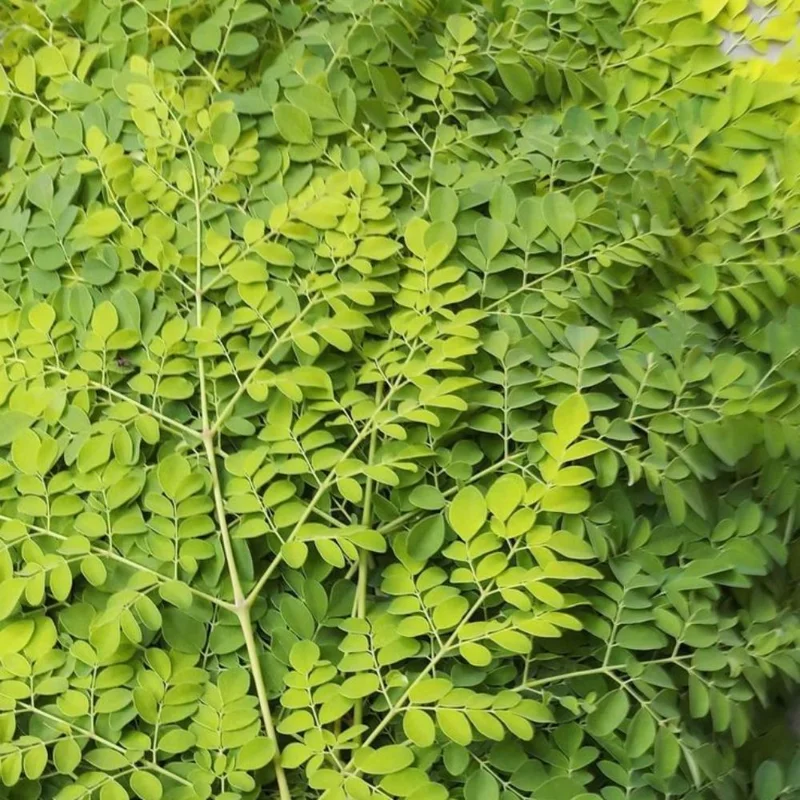
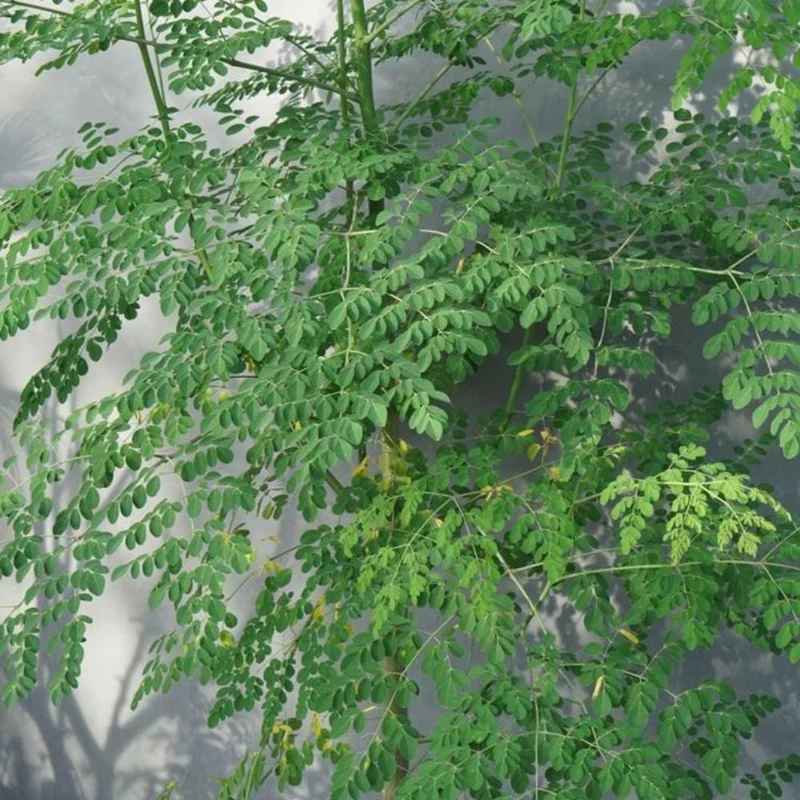
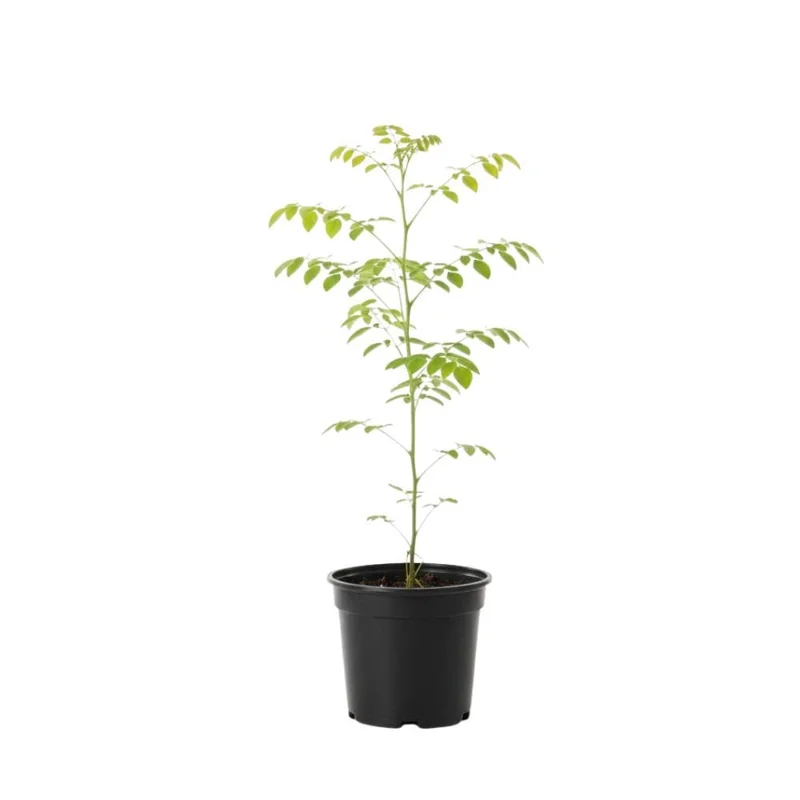
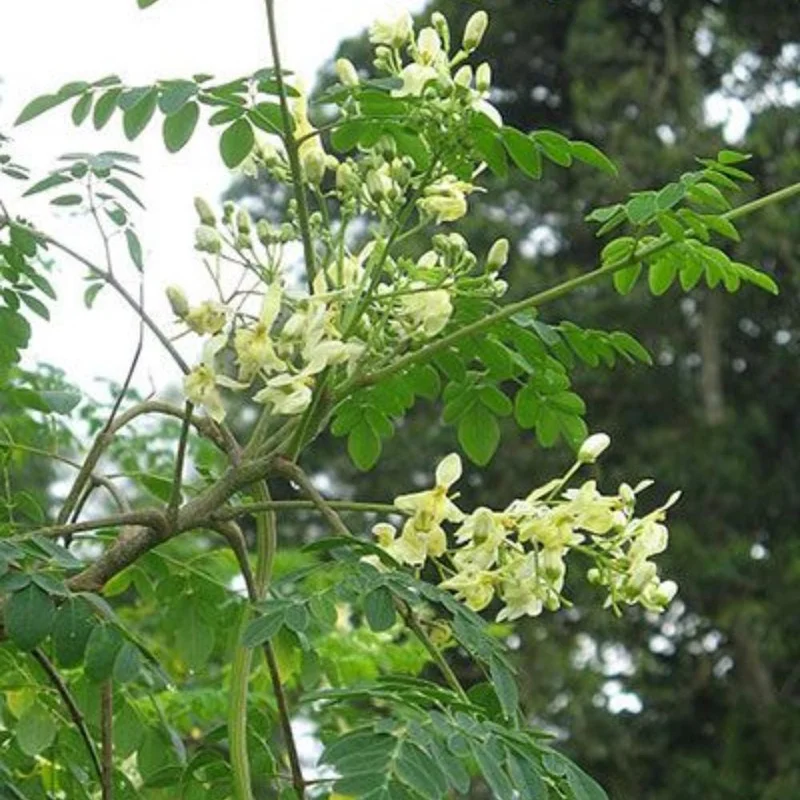
Bring the incredible benefits of the moringa tree live plant to your home garden. Often referred to as the drumstick tree plant, Moringa oleifera is a remarkably fast-growing and drought-tolerant specimen, highly valued for its nutrient-dense green leaves and delicate flowers. This versatile tree, arriving in a 1 gallon pot, features soft, feathery green leaves and a slender trunk, adding an elegant touch to any landscape. Its resilience and adaptability make it a superb choice for home gardeners in warm climates, or for those wishing to grow moringa tree in containers in cooler regions. Embrace the opportunity to cultivate this "miracle tree" and enjoy its numerous advantages.
The moringa oleifera plant is native to India but thrives in tropical and subtropical regions worldwide. It’s not just an ornamental plant; every part of the moringa tree, from its leaves to its seeds, is packed with vitamins, minerals, and antioxidants. Whether you’re looking to enhance your garden with a beautiful, resilient tree or seeking a source of fresh, homegrown superfood, this moringa tree live plant is an excellent choice. It establishes quickly and offers continuous growth, providing a steady supply of its beneficial leaves for various uses.
Key Benefits
The moringa tree live plant offers a wealth of advantages, making it a highly desirable addition for both its aesthetic appeal and practical uses. Its rapid growth and adaptability ensure a rewarding gardening experience.
- Nutrient-Rich Superfood: Moringa leaves are renowned for being exceptionally rich in vitamins, minerals, and antioxidants, making them a fantastic dietary supplement. Incorporate fresh leaves into smoothies, salads, or cooked dishes for a health boost.
- Fast-Growing & Resilient: Known for its rapid growth rate, this tree quickly establishes itself and provides abundant foliage. Its drought-tolerant nature makes it a low-maintenance option once established, perfect for busy gardeners.
- Versatile Culinary Uses: Beyond its nutritional value, the leaves of the drumstick tree plant can be used in a variety of culinary applications, from teas and powders to curries and stir-fries, adding a unique flavor and powerful nutrients to your meals.
- Adaptable & Easy to Grow: The moringa oleifera plant adapts well to different soil types, provided they are well-draining. It thrives in full sun and warm climates, making it suitable for a wide range of garden settings or container growing.
- Attractive Landscape Addition: With its slender trunk and delicate, feathery green leaves, the moringa tree adds a graceful, tropical aesthetic to your garden or patio. It provides light shade and a verdant backdrop.
- Sustainable & Eco-Friendly: Growing your own moringa reduces your carbon footprint and provides a sustainable source of healthy food. It’s an environmentally conscious choice for any gardener.
- Potential Medicinal Properties: Historically, moringa has been used in traditional medicine for various ailments, further highlighting its value. While not a substitute for medical advice, its natural compounds are widely studied.
Plant Care & Growing Tips
To ensure your moringa tree live plant thrives, understanding its specific care requirements is essential. While resilient, providing optimal conditions will maximize its growth and productivity. This guide will help you grow moringa tree successfully, whether in the ground or in a container.
Sunlight requirements: The moringa tree demands full sun for optimal growth, requiring at least 6–8 hours of direct sunlight daily. In cooler regions or during winter, ensure it receives as much light as possible. If growing indoors or in a greenhouse, position it near a south-facing window or use grow lights to supplement natural light. Insufficient light will lead to leggy growth and reduced leaf production.
Watering schedule and soil moisture preferences: During its early growth stages, water your moringa regularly to keep the soil consistently moist but not waterlogged. Once established, the drumstick tree plant is highly drought-tolerant and prefers moderate watering. Allow the top few inches of soil to dry out completely between waterings. Avoid overwatering at all costs, as this can lead to root rot, especially in heavier soils. Reduce watering significantly during cooler months or if the plant goes dormant.
Soil type and drainage requirements: Moringa thrives in well-draining, sandy or loamy soil. It does not tolerate waterlogged or heavy clay soils, which can suffocate the roots. If planting in a container, use a high-quality potting mix blended with sand or perlite to improve drainage. For in-ground planting, amend heavy soils with organic matter and sand to create a friable, well-draining environment. A slightly acidic to neutral pH (6.0-7.0) is ideal for the moringa oleifera plant.
Temperature range and USDA hardiness zone: Moringa prefers warm climates, with an optimal growing temperature range of 77–95°F (25–35°C). It is suited for USDA Zones 9–11, where it can be grown as a perennial. In cooler regions (USDA Zones 8 and below), it can be grown as an annual, or successfully cultivated in containers and brought indoors during winter to protect it from frost. Frost will damage or kill the plant, so protection is crucial.
Fertilization schedule and type: While moringa is not a heavy feeder, providing a balanced, organic fertilizer every 4-6 weeks during the growing season can promote vigorous growth. Use a fertilizer rich in nitrogen to encourage lush foliage. Compost or well-rotted manure can also be incorporated into the soil for a slow-release nutrient supply. Reduce or cease fertilization during dormancy.
Common problems and solutions: The moringa tree live plant is generally pest and disease resistant. However, watch out for common garden pests like aphids or spider mites, especially if grown indoors. Treat with insecticidal soap or neem oil as needed. Yellowing leaves can indicate overwatering or nutrient deficiency; adjust your watering schedule and consider a balanced fertilizer. Ensure good air circulation to prevent fungal issues.
Size & Details
This moringa tree live plant arrives ready to thrive, carefully packaged in a 1 gallon nursery pot. Young moringa plants can grow quite rapidly, often reaching several feet in height within their first year under ideal conditions. While mature trees can grow up to 30 feet tall, they are easily managed through pruning, especially when grown for leaf production or in containers. Expect your plant to arrive with healthy foliage, typically standing between 12-24 inches tall, depending on its growth stage at the time of shipping.
When planting, allow adequate space for growth; if planting multiple trees in the ground, space them 10-15 feet apart for full development. If growing in a container, choose a pot that is at least 15-20 gallons to allow for root expansion, repotting as the plant grows. The tree is shipped as a rooted, actively growing specimen, ensuring a strong start in your garden. With proper care, you can begin harvesting fresh leaves from your drumstick tree plant within a few months of planting.
Frequently Asked Questions
- Q: How big does this moringa tree get? A: A moringa tree live plant can grow up to 30 feet tall in ideal conditions. However, it can be easily maintained at a smaller, more manageable size through regular pruning, especially when grown in containers or for leaf harvesting.
- Q: Is this an indoor or outdoor plant? A: This drumstick tree plant thrives outdoors in USDA Zones 9-11. In cooler regions, it can be grown outdoors as an annual or successfully as a container plant that is brought indoors during the winter months to protect it from frost.
- Q: How much sunlight does it need? A: The moringa oleifera plant requires full sun, meaning at least 6 to 8 hours of direct sunlight daily, for optimal growth and health. Ensure it’s in the sunniest spot in your garden or on your patio.
- Q: Is this plant easy to care for? A: Yes, once established, the moringa tree is considered relatively easy to care for due to its drought tolerance and resilience. Providing well-draining soil and ample sunlight are the key factors for success.
- Q: What condition will it arrive in? A: Your moringa tree live plant will arrive as a healthy, actively growing specimen in a 1 gallon nursery pot, carefully packaged to ensure its safe transit and readiness for planting.
- Q: When is the best time to plant a moringa tree? A: The best time to plant a moringa tree is in spring or early summer, after all danger of frost has passed, when temperatures are consistently warm. This allows the plant ample time to establish before cooler weather sets in.
- Q: Can I use moringa leaves in cooking? A: Absolutely! The leaves of the drumstick tree plant are highly nutritious and can be used in a variety of dishes, including salads, smoothies, soups, and stir-fries. They have a slightly pungent, earthy flavor.
- Q: What kind of soil does moringa prefer? A: Moringa prefers well-draining, sandy or loamy soil. It’s crucial to avoid heavy clay soils or areas where water might sit, as this can lead to root rot.
- Q: Will it survive winter in my zone? A: If you are in USDA Zones 9-11, your moringa tree live plant can survive winter outdoors. In colder zones, it must be protected from frost, either by bringing it indoors or treating it as an annual.
- Q: How often should I water my moringa plant? A: Water regularly during early growth to keep soil moist. Once established, water moderately, allowing the topsoil to dry out between waterings. Avoid overwatering to prevent root issues.

 Weeping White Birch Tree - Betula Pendula Live Plant - Medium Size, White Bark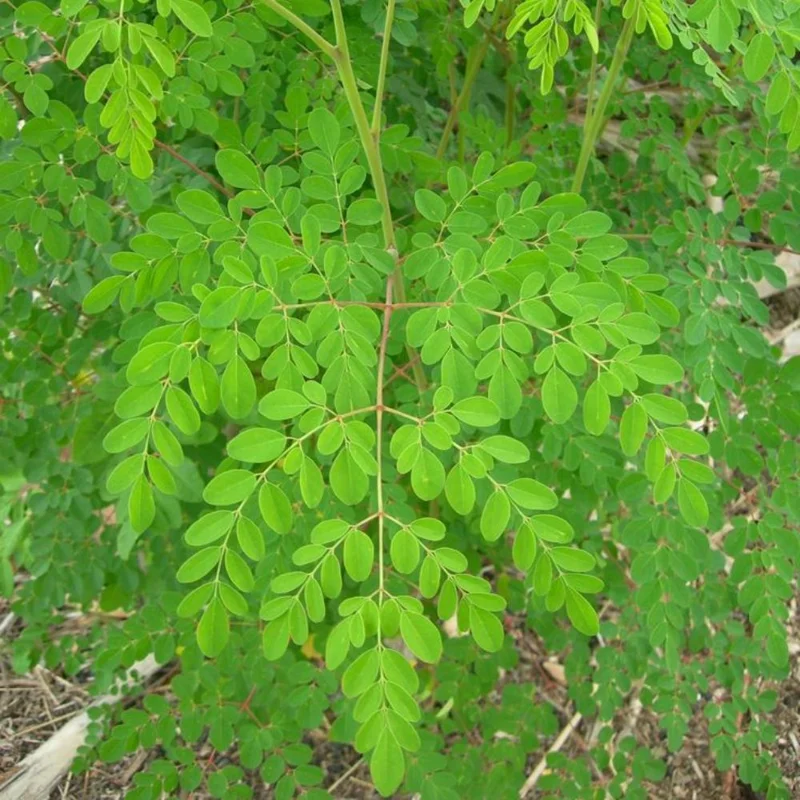


Reviews
There are no reviews yet.