Overview
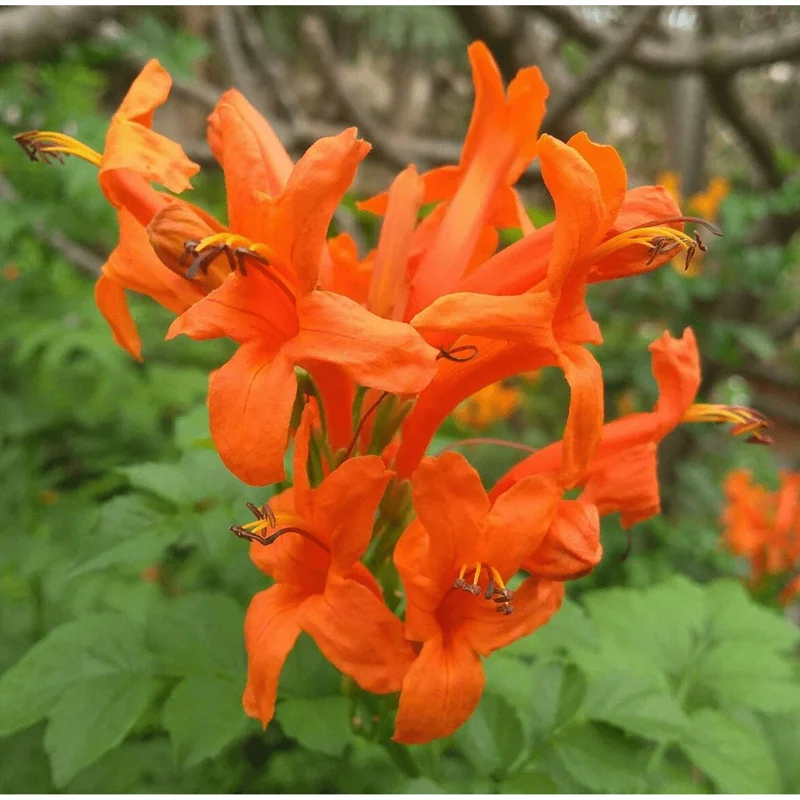
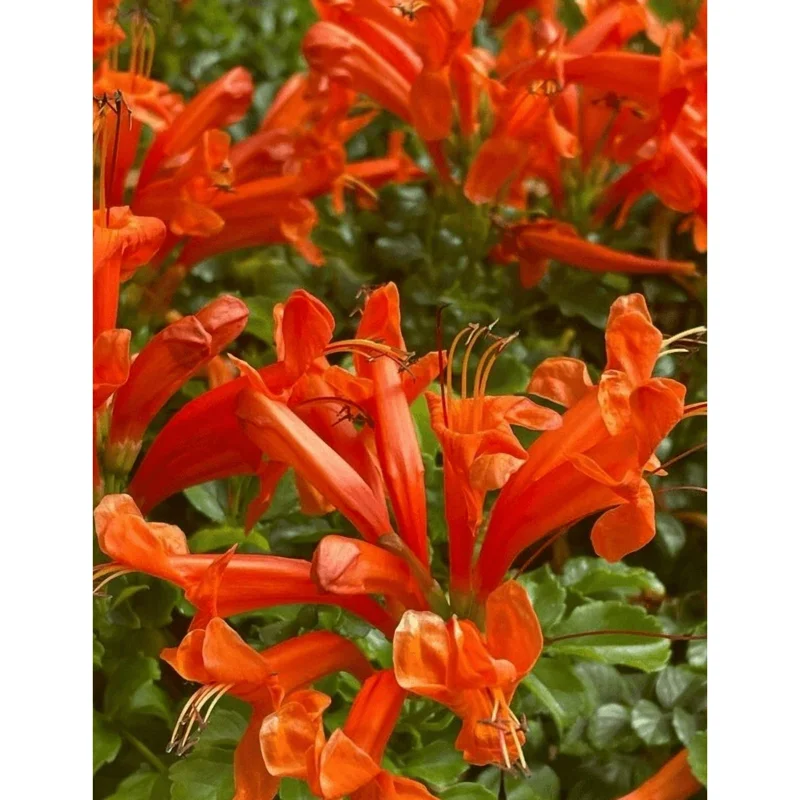
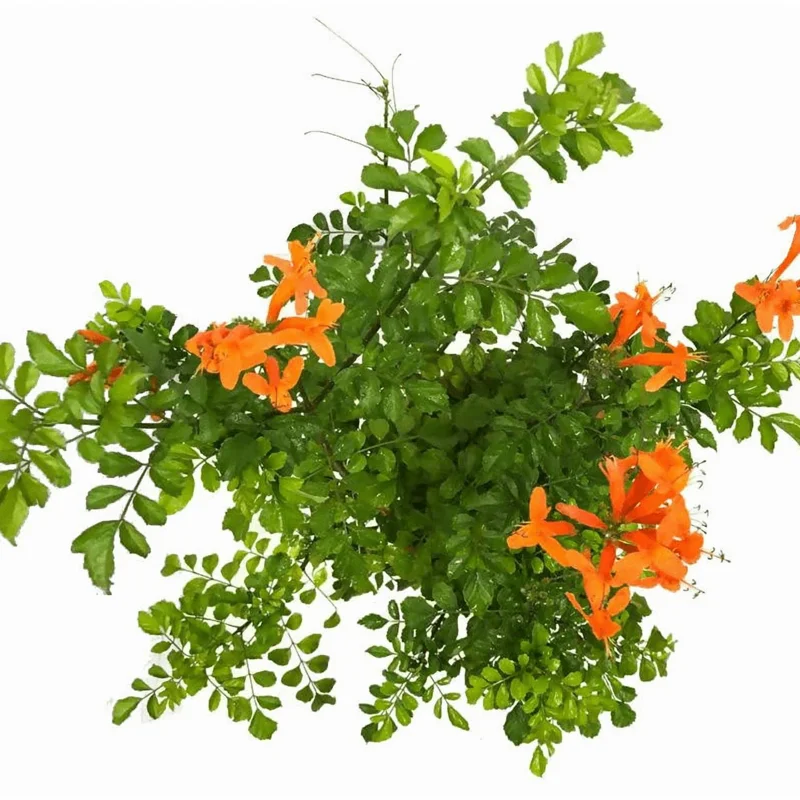
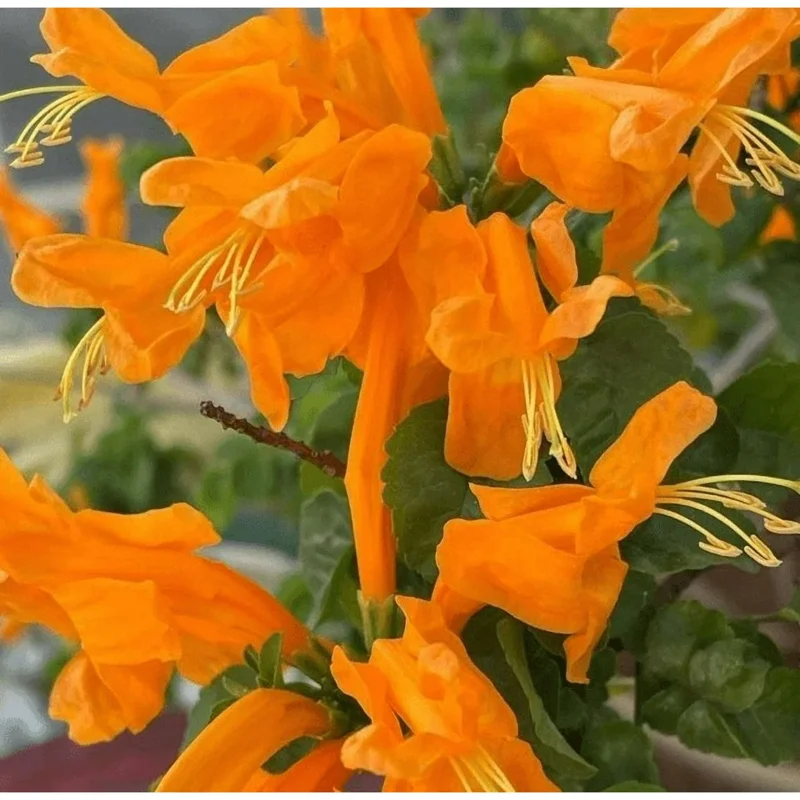
Introduce a splash of vibrant color and a magnet for pollinators to your garden with the stunning orange cape honeysuckle live plant. Known scientifically as Tecoma capensis, and sometimes referred to as Cape Trumpet-Flower or Cape Honeysuckle, this vigorous broadleaf evergreen shrub is celebrated for its dazzling, fiery orange blossoms. Originating from Southern Africa, this plant thrives in warm climates, offering spectacular color, especially during fall, spring, and winter when many other plants are dormant. Its rambling growth habit makes it versatile for various landscape uses, from a climbing vine to a dense shrub or even a groundcover. The sweet nectar of its trumpet-shaped flowers is irresistible to hummingbirds, making it a lively addition to any outdoor space. This robust plant is perfect for creating natural screens, covering fences, or adding a tropical feel to your patio.
The orange cape honeysuckle live plant is an excellent choice for gardeners seeking a low-maintenance yet high-impact specimen. It adapts well to different soil conditions and can tolerate periods of drought once established, making it a resilient option for diverse garden settings. With its rapid growth and abundant flowering, it quickly establishes itself, transforming ordinary spaces into extraordinary natural showcases. Whether you’re an experienced horticulturist or a budding gardener, the beauty and ease of care of this plant will surely impress.
Key Benefits
The orange cape honeysuckle live plant offers a multitude of benefits, making it a highly desirable addition to any garden or landscape. Its striking appearance and ecological advantages contribute to a healthier, more beautiful outdoor environment.
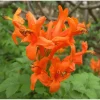
- Vibrant, Long-Lasting Blooms: Enjoy a spectacular display of bright orange, trumpet-shaped flowers that bloom profusely throughout fall, spring, and winter, providing much-needed color during cooler months. These captivating blossoms are the hallmark of the tecoma capensis plant.
- Attracts Pollinators: The nectar-rich flowers are a favorite of hummingbirds, butterflies, and other beneficial pollinators, helping to support local ecosystems and bring your garden to life with activity.
- Versatile Landscaping Plant: Its rambling and vining nature allows it to be grown as a shrub, a climbing vine on trellises or fences, a groundcover for slopes, or even pruned into a small tree, offering immense flexibility in garden design.
- Drought Tolerant: Once established, the tecoma capensis plant exhibits excellent drought tolerance, requiring less frequent watering and making it suitable for xeriscaping and water-wise gardens.
- Fast Growing: Cape honeysuckle grows quickly, allowing you to achieve desired coverage and floral impact in a relatively short period, making it ideal for new gardens or filling in empty spaces.
- Low Maintenance: This hardy plant requires minimal care, thriving with basic watering and occasional pruning to maintain its shape and encourage more blooms, simplifying your gardening routine. Understanding cape honeysuckle care is straightforward.
- Evergreen Foliage: In warmer climates, it retains its lush green foliage year-round, providing continuous visual interest and structure to your garden even when not in bloom.
Plant Care & Growing Tips
Proper cape honeysuckle care ensures a healthy, thriving plant with abundant blooms. This resilient shrub is relatively easy to care for, but understanding its specific needs will help it flourish in your garden. The orange cape honeysuckle live plant prefers a location with full sun, ideally receiving at least six hours of direct sunlight per day. While it can tolerate partial shade, too little sun will result in fewer flowers and a leggier growth habit. If growing it as a vine, provide a sturdy support structure like a trellis or arbor for it to climb.
When it comes to watering, keep the soil consistently moist but well-drained, especially during its establishment period. Water your tecoma capensis plant deeply once a week if it’s in full sun, ensuring the top inch or two of soil dries out between waterings. For plants in shadier spots, watering once or twice a month may suffice. Good drainage is crucial to prevent root rot, so ensure your soil mix allows water to pass through easily. This plant is not particularly fussy about soil type but performs best in fertile, well-draining soil. An annual application of a balanced fertilizer in spring will encourage vigorous growth and flowering. Pruning is essential for maintaining shape and promoting bushier growth. Prune after the main flowering period to remove spent blooms and any overgrown or damaged branches. Regular trimming will also encourage more prolific flowering.
The orange cape honeysuckle live plant is generally pest and disease resistant, making it a robust choice for many gardeners. However, keep an eye out for common garden pests like aphids or scale, and treat them with organic insecticidal soap if necessary. In terms of temperature, it is best suited for warmer climates and can be damaged by hard frosts. If you live in an area with cold winters, consider providing winter protection or growing it in a container that can be moved indoors. Understanding these simple guidelines will ensure your growing cape honeysuckle thrives.
Size & Details
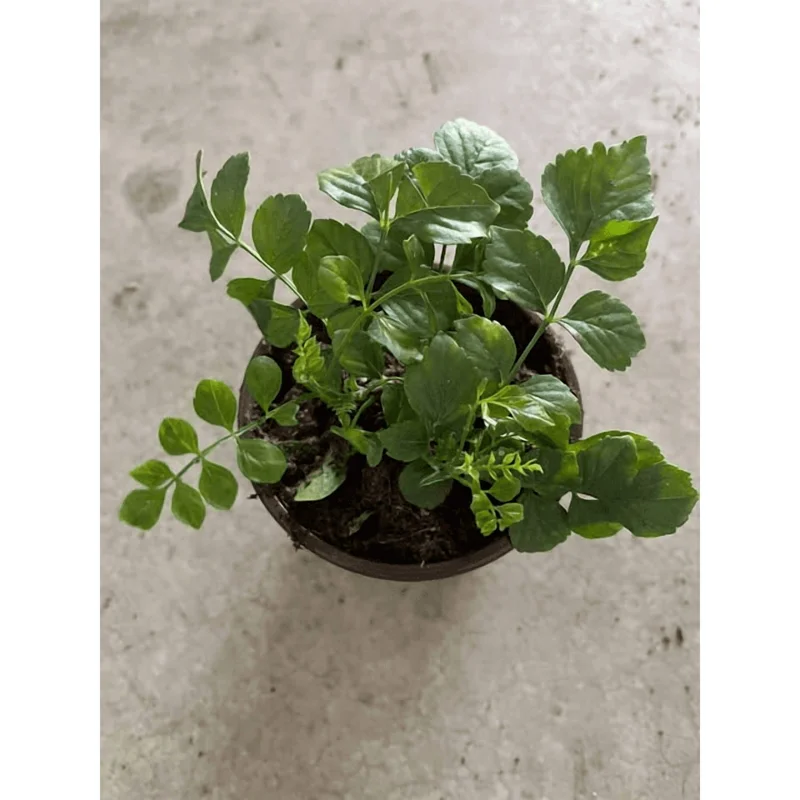
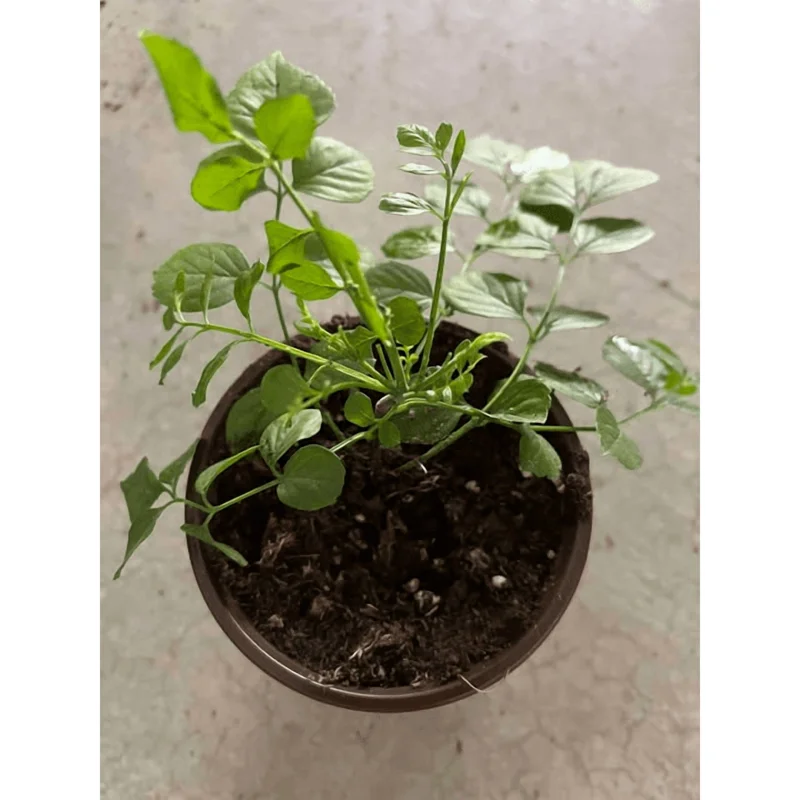
This orange cape honeysuckle live plant is shipped as a healthy starter plant, typically grown in a 4″ pot. At the time of delivery, the plant will be well-rooted and ready for transplanting into your garden or a larger container. The growth rate of the tecoma capensis plant is considered fast, often growing several feet in a single season under optimal conditions. When mature, it can reach impressive sizes, typically growing 15 to 25 feet tall as a vine or 5 to 10 feet tall and wide as a shrub, depending on how it’s pruned and supported. Its vigorous nature allows it to quickly establish a presence in your landscape, providing lush foliage and abundant blooms.
The plant’s mature spread can vary significantly based on its growing environment and whether it’s trained to climb or allowed to ramble. Expect continuous blooms from fall through winter and spring in suitable climates, with occasional flowering during summer. This plant is ideal for creating natural privacy screens, covering unsightly fences, or adding a tropical feel to patios and poolside areas. With proper care, your orange cape honeysuckle live plant will develop into a stunning and long-lived feature in your garden.
Frequently Asked Questions
- Q: How big does the orange cape honeysuckle get? A: As a vine, the orange cape honeysuckle live plant can reach heights of 15-25 feet, while as a shrub, it typically grows 5-10 feet tall and wide. Its ultimate size depends on growing conditions and pruning.
- Q: What size pot does it come in? A: This tecoma capensis plant is delivered as a live starter plant in a 4″ nursery pot, ready for you to transplant into your garden or a larger container.
- Q: Is this an indoor or outdoor plant? A: The orange cape honeysuckle live plant is primarily an outdoor plant, thriving in warm climates. It can be grown in containers and brought indoors during winter in colder regions, but it prefers outdoor conditions.
- Q: How much sunlight does it need? A: This plant prefers full sun, meaning at least 6 hours of direct sunlight per day, for optimal flowering. It can tolerate partial shade, but blooms may be less abundant.
- Q: Is this plant easy to care for? A: Yes, cape honeysuckle care is relatively easy. It’s a robust and fast-growing plant that requires well-draining soil, regular watering during dry spells, and occasional pruning to maintain its shape. It’s a great choice for both novice and experienced gardeners.
- Q: What condition will it arrive in? A: Your orange cape honeysuckle live plant will arrive as a healthy, well-rooted starter plant in its nursery pot, carefully packaged to ensure its safe journey.
- Q: When is the best time to plant cape honeysuckle? A: The best time for growing cape honeysuckle is typically in spring or early fall, allowing the plant sufficient time to establish its root system before extreme temperatures.
- Q: Will it survive winter in my zone? A: This plant is best suited for USDA hardiness zones 9-11. In colder zones, it may be grown as an annual or brought indoors during winter months to protect it from frost.
- Q: Does the cape honeysuckle attract hummingbirds? A: Absolutely! The bright orange, trumpet-shaped flowers of the tecoma capensis plant are a strong magnet for hummingbirds, butterflies, and other pollinators, adding dynamic life to your garden.
- Q: What kind of soil does it need? A: The orange cape honeysuckle live plant is not overly particular about soil but thrives in well-draining soil that is rich in organic matter. Avoid heavy, waterlogged soils.




Reviews
There are no reviews yet.