Overview
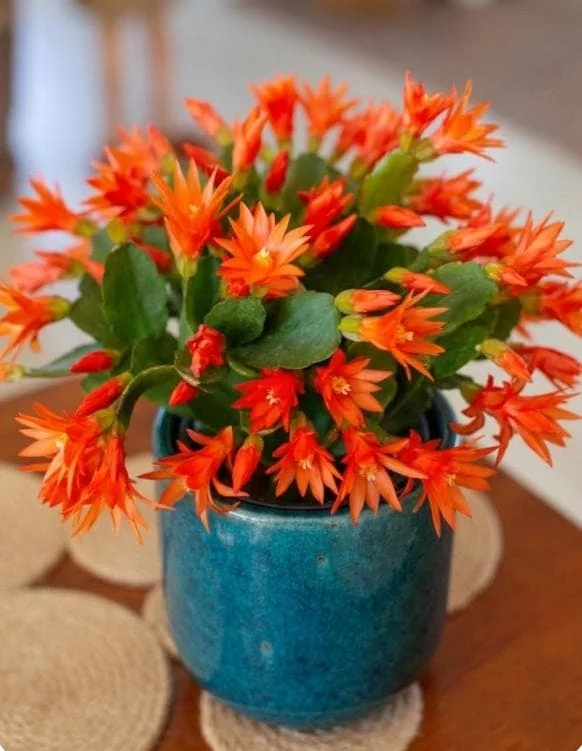
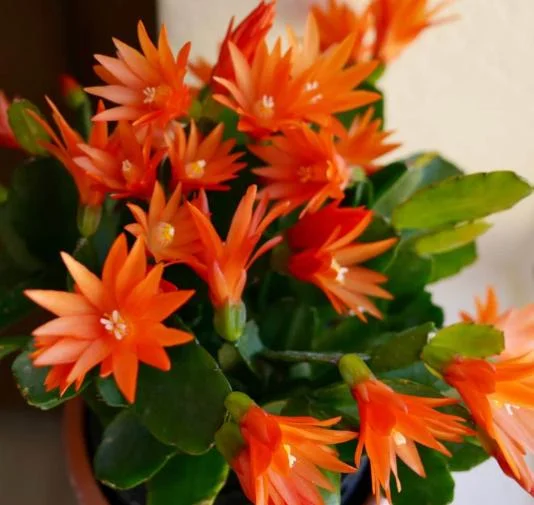
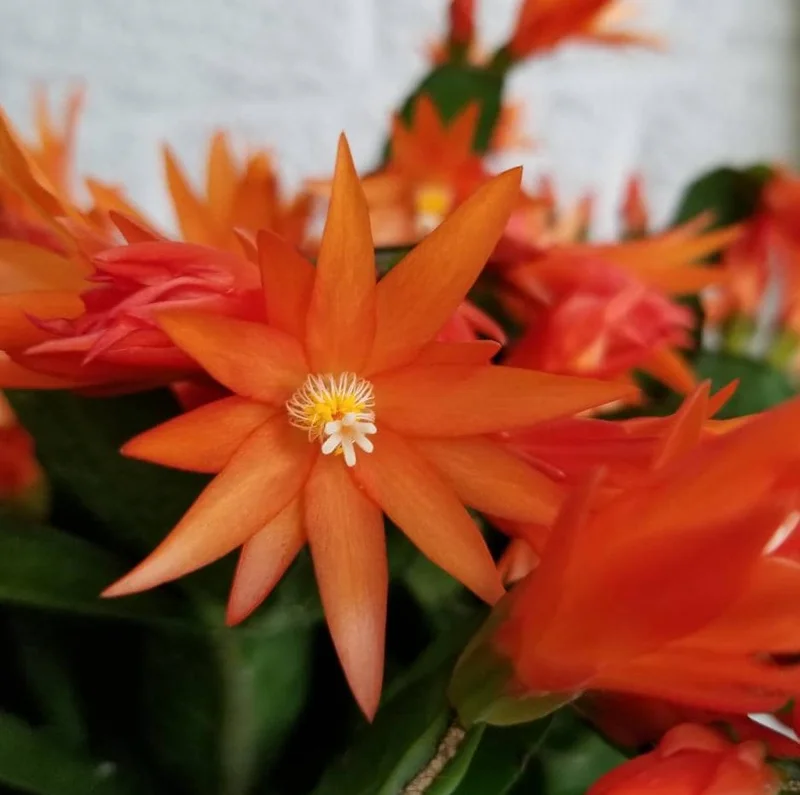
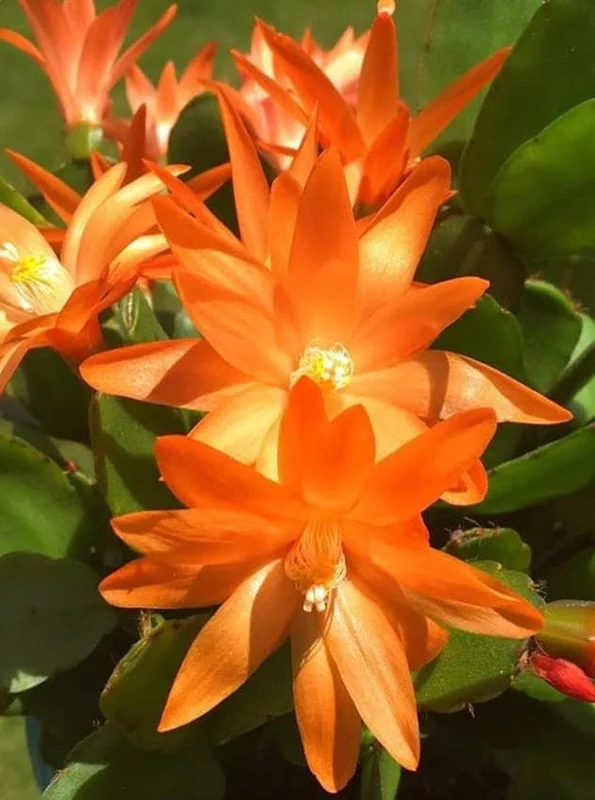
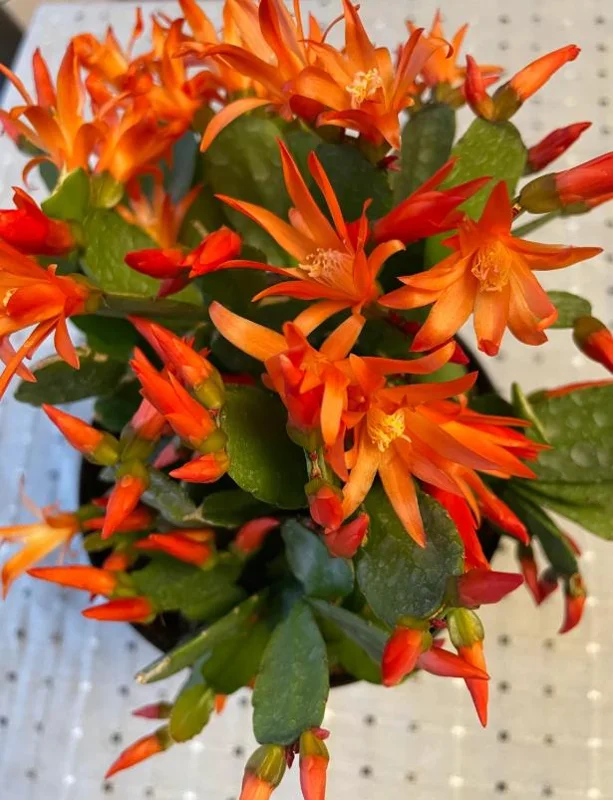
Introduce a burst of color and cheer into your living space with the exquisite orange easter cactus live plant. This captivating succulent, scientifically known as Hatiora gaertneri or Rhipsalidopsis gaertneri, is renowned for its spectacular, star-shaped orange blooms that herald the arrival of spring. Unlike its Thanksgiving and Christmas cactus relatives, the Easter cactus typically flowers from late winter through spring, making it a delightful addition to any home during that period. Originating from the coastal mountains of southeastern Brazil, where it grows as an epiphyte on trees, this plant thrives in conditions that mimic its native humid, forested environment. Its unique flat, segmented green stems with rounded edges form an attractive, slightly upright to trailing growth habit, making it an ideal choice for hanging baskets or elevated planters where its vibrant flowers can truly shine. This spring blooming succulent is not only visually appealing but also relatively low-maintenance, making it a popular choice for both seasoned plant enthusiasts and beginners alike.
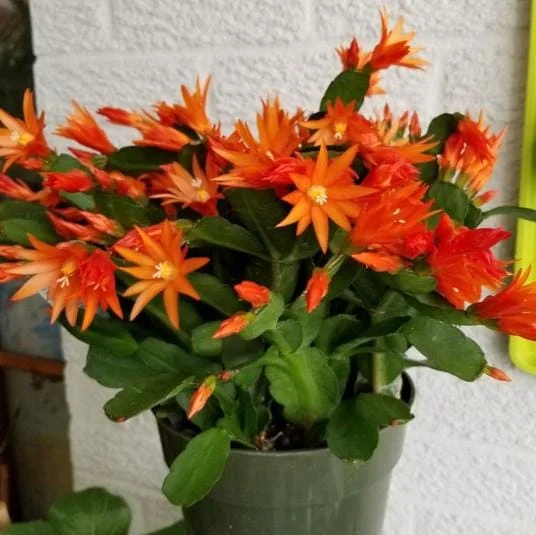
The orange easter cactus live plant is delivered as a healthy specimen, typically ranging from 4 to 6 inches tall, ready to thrive in your home. Its striking orange flowers provide a stunning contrast against its lush green foliage, creating a focal point in any room. Whether you’re looking to enhance your indoor decor or add a vibrant touch to a shaded outdoor area, this ornamental flowering houseplant offers enduring beauty and a refreshing pop of color. Its easy-care nature ensures that you can enjoy its spectacular blooms with minimal fuss, making it a rewarding plant to cultivate.
Key Benefits
The orange easter cactus live plant offers a multitude of benefits, making it a cherished addition to any plant collection. Its vibrant aesthetic and relatively simple care requirements contribute to its widespread appeal, enhancing both the beauty and tranquility of your living environment.
- Stunning Spring Blooms: Enjoy a spectacular display of bright orange, star-shaped flowers that typically emerge in spring, providing a vibrant and cheerful atmosphere in your home. These showy blooms are a true highlight of the plant.
- Easy Care & Low Maintenance: This succulent is known for its forgiving nature, requiring minimal attention once its basic light and watering needs are met. It’s an excellent choice for busy individuals or those new to plant care.
- Adaptable Growth Habit: Featuring a slightly upright to trailing growth, the Easter cactus is versatile for various displays. It looks beautiful in traditional pots, on shelves, or as a graceful hanging plant, adapting to your decorative preferences.
- Long-Lasting Beauty: With proper care, the orange easter cactus live plant can live for many years, providing recurrent spring blooms and continuous green foliage, becoming a long-term decorative asset.
- Indoor Air Quality: Like many houseplants, the Easter cactus contributes to better indoor air quality by absorbing common household toxins, promoting a healthier living space.
- Unique Ornamental Appeal: Its distinctive segmented stems and bright flowers make it a unique ornamental plant that stands out from other common houseplants, adding character and visual interest.
- Pet-Friendly Option: The Easter cactus is generally considered non-toxic to pets, making it a safer choice for households with cats and dogs compared to some other flowering plants.
Plant Care & Growing Tips
Caring for your orange easter cactus live plant is straightforward, ensuring you can enjoy its beautiful blooms year after year. Understanding its specific needs for light, water, soil, and temperature is key to its health and vigorous flowering. This plant thrives with consistent, but not excessive, attention.
Light Requirements: The Easter cactus prefers bright, indirect light to partial sun. Avoid harsh, direct afternoon sun, which can scorch its delicate stems and leaves. An east-facing window is often ideal, providing gentle morning sun. If placed outdoors during warmer months, ensure it’s in a shaded or partially shaded location. Insufficient light can hinder blooming, while too much direct sun can cause stem discoloration and stress.
Watering Schedule & Soil Moisture: During its active growth and blooming period (spring to fall), keep the soil evenly moist but never waterlogged. Allow the top inch of soil to dry out slightly between waterings. Reduce watering significantly in late fall and winter when the plant is dormant, allowing the soil to dry out more thoroughly. Overwatering is a common cause of root rot, so ensure good drainage. When you how to grow easter cactus successfully, proper watering is crucial.
Soil Type & Drainage: This succulent prefers a well-draining potting mix. A good blend would be a mix designed for cacti and succulents, or a regular potting mix amended with perlite, orchid bark, or coarse sand to improve drainage and aeration. This mimics its natural epiphytic environment and prevents water from sitting around the roots. The USDA zones 10 to 11 mentioned in the original description are for outdoor growing, but indoors, soil and temperature control are more important.
Temperature & Humidity: Ideal temperatures for the Easter cactus are between 60°F and 75°F (15°C and 24°C). It can tolerate slightly cooler temperatures in winter (around 50-55°F or 10-13°C) to encourage bud formation, but protect it from frost. As a tropical plant, it appreciates higher humidity. Misting occasionally or placing it near a humidifier, especially in dry indoor environments, can be beneficial, particularly for fostering a healthy spring blooming succulent.
Fertilization: Feed your orange easter cactus live plant with a balanced liquid fertilizer diluted to half strength every 2-4 weeks during its active growing season (spring through summer). Refrain from fertilizing during its rest period in fall and winter. Over-fertilization can lead to leggy growth and reduced flowering.
Common Problems: Watch out for common pests like spider mites and mealybugs, which can be treated with insecticidal soap. Yellowing stems often indicate overwatering or nutrient deficiency, while shriveling stems can point to underwatering. If you’re wondering about easter cactus care, these are key areas to monitor.
Size & Details
This offering is for one healthy orange easter cactus live plant, typically shipped in a nursery pot. The plants generally arrive standing between 4 to 6 inches tall from the base of the soil to the top of the foliage, providing a well-established specimen ready to flourish in its new home. The segmented stems will develop a slightly upright to trailing growth habit, making it adaptable to various display options as it matures. With proper care, these plants can spread to a width of 8-12 inches over time, creating a beautiful, full appearance.
Your Easter cactus will be carefully packaged to ensure its safe arrival. It is a slow to moderate grower, reaching its mature size over several years. Expect the vibrant orange blooms to appear reliably each spring, often lasting for several weeks, especially when given optimal conditions. The plant is shipped with a robust root system, ensuring a smooth transition to your environment. This indoor flowering plant is a long-term investment in natural beauty.
Frequently Asked Questions
- Q: How big does this orange easter cactus live plant get? A: This plant typically arrives 4 to 6 inches tall. With proper care, it can grow to a width of 8-12 inches, developing a beautiful, slightly trailing form.
- Q: Is this an indoor or outdoor plant? A: While it can be grown outdoors in USDA Zones 10-11, it is primarily cultivated as an indoor flowering plant in most regions. If placed outdoors during warmer months, ensure it is in a shaded or partially shaded location.
- Q: How much sunlight does the Easter cactus need? A: The Easter cactus thrives in bright, indirect light to partial sun. Avoid prolonged exposure to harsh, direct sunlight, which can damage its stems. An east-facing window is often ideal.
- Q: Is this plant easy to care for? A: Yes, the Easter cactus is considered relatively easy to care for, making it suitable for both beginner and experienced plant enthusiasts. Its low maintenance needs are a key part of good easter cactus care.
- Q: What condition will the plant arrive in? A: Your orange easter cactus live plant will arrive as a healthy, well-rooted specimen in a nursery pot, carefully packaged to ensure its safe journey and readiness for planting.
- Q: How long until it blooms? A: With appropriate care, especially a cool, dry rest period in late fall/early winter, your Easter cactus should reliably produce its vibrant orange blooms each spring, typically lasting for several weeks.
- Q: What’s the best way to encourage more blooms for this spring blooming succulent? A: To encourage abundant blooms, provide a cool, slightly drier rest period (around 50-55°F) for 6-8 weeks in late fall/early winter, with reduced watering and no fertilizer. Then, return it to warmer temperatures and resume regular watering and feeding.
- Q: Is the Easter cactus pet-safe? A: Yes, the Easter cactus is generally considered non-toxic to pets, making it a safer houseplant choice for homes with cats, dogs, and other animals.
- Q: What kind of soil does this plant prefer? A: It prefers a well-draining potting mix, ideally one formulated for cacti and succulents, or a standard potting mix amended with perlite or orchid bark to enhance drainage.
- Q: Can I propagate my Easter cactus? A: Yes, how to grow easter cactus from cuttings is simple. You can easily propagate new plants from stem segments. Allow the cut ends to callus for a few days before planting them in moist, well-draining soil.










Reviews
There are no reviews yet.