Overview
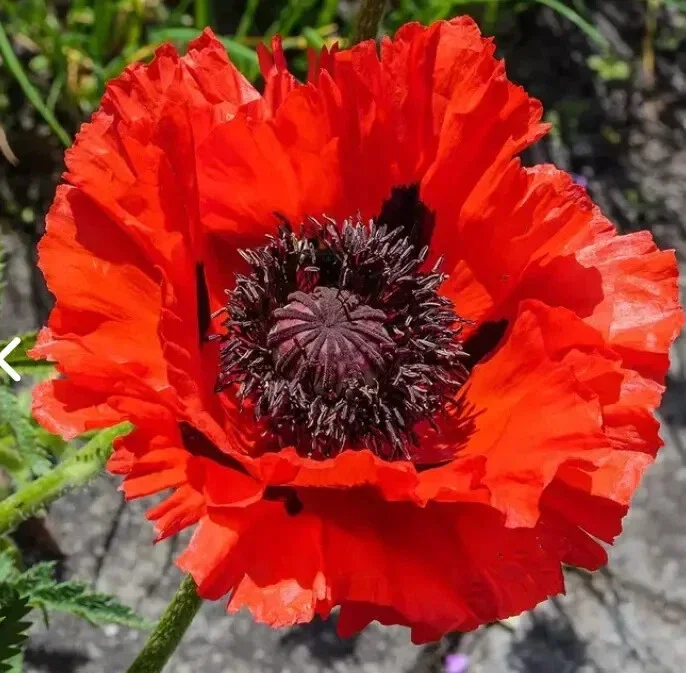
Embark on a journey to transform your garden into a vibrant spectacle with our premium red Oriental poppy seeds. These exceptional seeds promise to yield magnificent scarlet flowers, known for their large, crinkled petals and dramatic black centers. As a beloved perennial, the Oriental poppy (Papaver orientale) ensures a return of its breathtaking beauty year after year, establishing itself as a garden favorite. Ideal for creating stunning focal points or adding a splash of intense color to mixed borders, these large scarlet poppies are a testament to nature’s artistry. Our non-GMO poppy seeds are carefully selected to ensure high germination rates and robust growth, providing an enriching and rewarding gardening experience for enthusiasts of all skill levels.
The allure of the Oriental poppy lies not only in its striking appearance but also in its resilience and ease of care. Originating from regions spanning from Greece to central Asia, these poppies are well-adapted to various climates, making them a versatile choice for many American gardens. The bold red hues of these flowers capture attention, creating a picturesque landscape that evokes warmth and passion. Plant these seeds and watch as your garden bursts into life with the fiery charm of these exquisite blooms, becoming a haven for pollinators and a source of delight for all who behold them.
Key Benefits
Our red Oriental poppy seeds offer numerous advantages for any gardener looking to enhance their outdoor space with minimal effort and maximum impact. Cultivating these beauties brings a host of benefits:
- Stunning Visual Impact: The large, vibrant scarlet flowers with distinctive dark centers create an immediate and dramatic visual appeal in any garden setting. They are perfect for adding a ‘wow’ factor to your landscape design.
- Perennial Longevity: As a perennial, these poppies return each year from their rootstock. Once established, they provide a reliable and consistent bloom season without the need for annual replanting, making them a sustainable choice for your garden.
- Attracts Pollinators: The bright, open blooms of large scarlet poppies are highly attractive to bees and other beneficial pollinators, contributing to the biodiversity and health of your garden ecosystem.
- Drought Tolerance: Once established, Oriental poppies are remarkably drought-tolerant, requiring less frequent watering compared to many other flowering plants. This makes them a great option for water-wise gardening.
- Low Maintenance: These perennial flower seeds grow into plants that are relatively low maintenance. They are generally resistant to pests and diseases, allowing you more time to enjoy their beauty and less time on arduous care routines.
- Versatile Garden Use: Perfect for cottage gardens, rock gardens, borders, or mass plantings, their architectural form and bold color make them suitable for a variety of garden styles. They also make excellent cut flowers for indoor arrangements.
- Non-GMO Assurance: Our commitment to providing non-GMO poppy seeds ensures you are planting natural, unaltered genetics, supporting sustainable and traditional gardening practices.
Plant Care & Growing Tips
Successful cultivation of red Oriental poppy seeds begins with understanding their specific needs. These resilient plants are surprisingly easy to grow, provided they are given the right conditions. For optimal germination and growth, cold stratification is often beneficial. This can be achieved by refrigerating the seeds in a moist medium for 3-4 weeks before planting, mimicking winter conditions and breaking dormancy.
Oriental poppies thrive in full sun, meaning they require at least 6 hours of direct sunlight per day. They can tolerate medium sun, especially in hotter climates where some afternoon shade might be beneficial to prevent scorching. When it comes to soil, they prefer well-draining soil. While they can adapt to various soil types including clay, loam, and topsoil, they particularly love sandy soil. Good drainage is crucial to prevent root rot, so amending heavy clay soils with compost or sand can be very beneficial. Avoid overly rich soil, as this can lead to more foliage and fewer flowers.
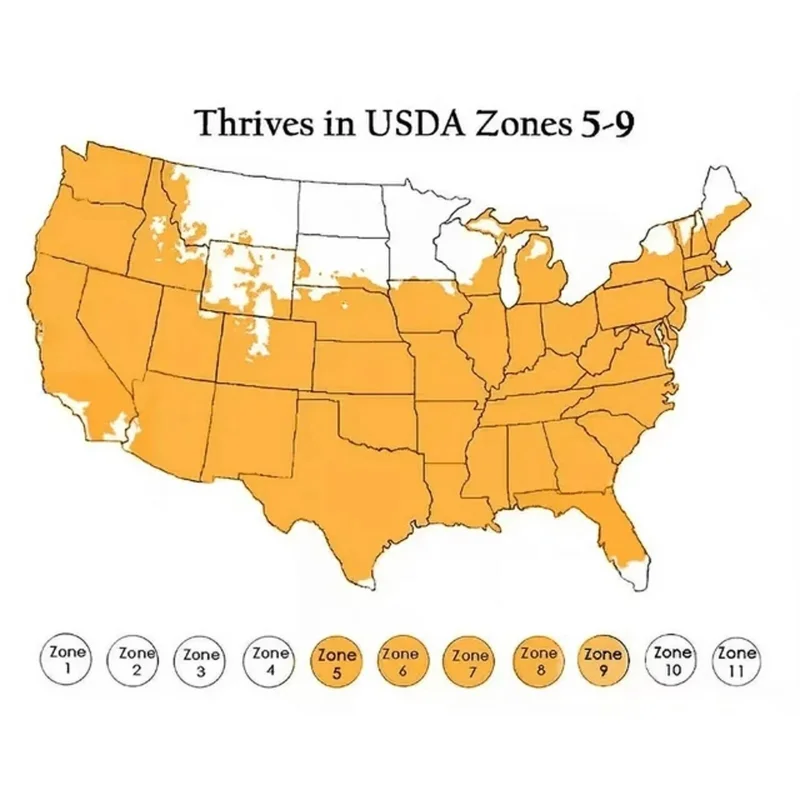
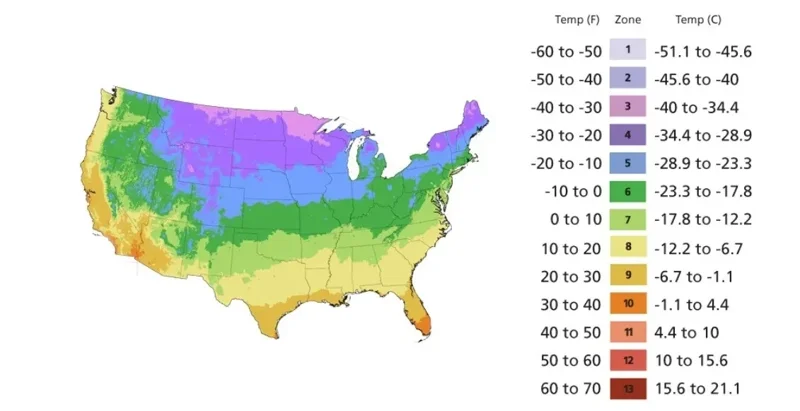
Watering requirements are moderate. During their active growth and flowering period in spring and early summer, maintain consistently moist but not waterlogged soil. Once the plants go dormant in late summer, they become quite drought-tolerant and require less frequent watering. These perennial flower seeds grow into plants that are hardy in USDA zones 3-9, making them suitable for a wide range of climates. They are typically planted in the fall or very early spring. Fertilization is generally not heavily needed for established poppies; an annual application of a balanced, slow-release fertilizer in early spring can be sufficient, but avoid over-fertilizing. Common problems are few, mainly related to poor drainage or extreme heat, which can cause them to go dormant prematurely. Ensure good air circulation to prevent fungal issues.
Size & Details
When fully mature, plants grown from these red Oriental poppy seeds typically reach a medium growth habit, ranging from 24 to 36 inches in height with a similar spread. The impressive scarlet flowers themselves can be quite large, often spanning 4 to 6 inches across, making a bold statement in any garden. You will receive 1000 non-GMO poppy seeds, providing an abundant supply for establishing a significant poppy patch or for multiple planting seasons. These seeds are designed for outdoor cultivation and are perfect for creating grand displays. Expect blooms from late spring through early summer, with the foliage often dying back in late summer as the plant enters dormancy, only to re-emerge vigorously the following spring.
The seeds are shipped in a protective packet, ensuring their viability upon arrival. With proper care and planting, you can anticipate a spectacular show of large scarlet poppies within one to two growing seasons. Their fast-growing nature means you won’t have to wait long to enjoy their vibrant beauty. The life cycle is perennial, meaning these captivating flowers will grace your garden for many years, becoming a cherished part of your landscape. Prepare your garden beds, sow these seeds, and look forward to the dramatic transformation they will bring.
Frequently Asked Questions
- Q: How big do these Oriental poppy plants get? A: Plants grown from these red Oriental poppy seeds typically reach a height of 24 to 36 inches with a similar spread, creating a medium-sized, bushy plant that stands out in the garden.
- Q: Is this an indoor or outdoor plant? A: These red Oriental poppy seeds are specifically meant for outdoor cultivation. Oriental poppies thrive in garden beds, borders, and naturalized areas, enjoying full sun exposure.
- Q: How much sunlight do Oriental poppies need? A: Oriental poppies require at least 6 hours of direct sunlight daily, performing best in a full sun location. They can tolerate medium sun, especially in regions with very hot summers.
- Q: Is this plant easy to care for? A: Yes, Oriental poppies are considered very easy to cultivate. Once established, they are quite hardy and drought-tolerant, making them a great choice for both novice and experienced gardeners looking for perennial flower seeds.
- Q: What condition will the seeds arrive in? A: The non-GMO poppy seeds will arrive in a well-packaged, sealed packet, designed to protect them during transit and maintain their viability for planting.
- Q: How long until Oriental poppies bloom from seeds? A: While germination can occur within a few weeks, Oriental poppies typically establish their root system in the first year and may begin flowering in their second year. Patience is rewarded with spectacular blooms.
- Q: When is the best time to plant these poppy seeds? A: The ideal times to plant red Oriental poppy seeds are in the fall or very early spring. Fall planting allows the seeds to undergo natural cold stratification over winter, leading to better germination in spring.
- Q: What type of soil is best for growing Oriental poppies? A: Oriental poppies prefer well-draining soil. They can grow in various soil types including clay, loam, and sandy soils, but excellent drainage is key to preventing root issues.
- Q: Will these poppies survive winter in my zone? A: Yes, Oriental poppies are hardy perennials, typically thriving in USDA zones 3-9. They are well-equipped to handle cold winters and return each spring with renewed vigor.
- Q: Are these truly non-GMO poppy seeds? A: Absolutely. We are committed to providing high-quality, non-GMO poppy seeds, ensuring you receive natural and authentic plant genetics for your garden.






Reviews
There are no reviews yet.