Overview
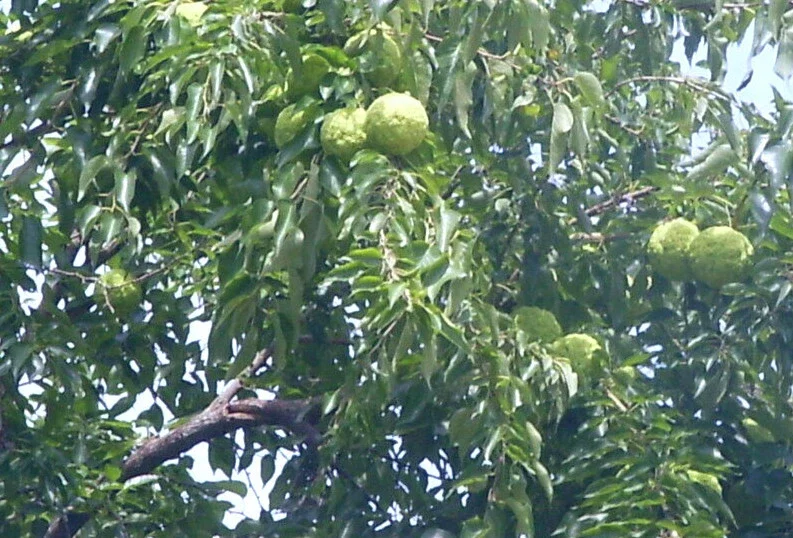
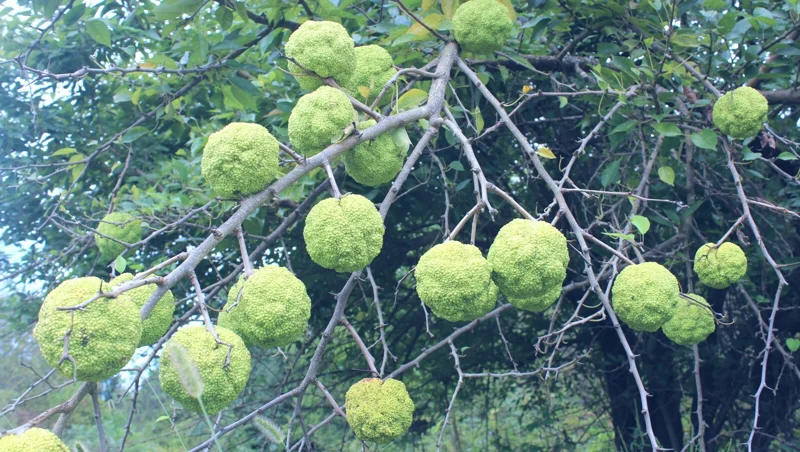
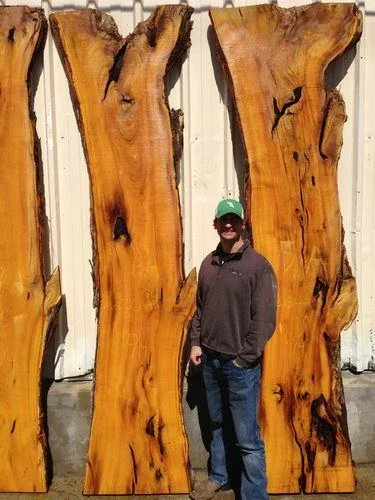
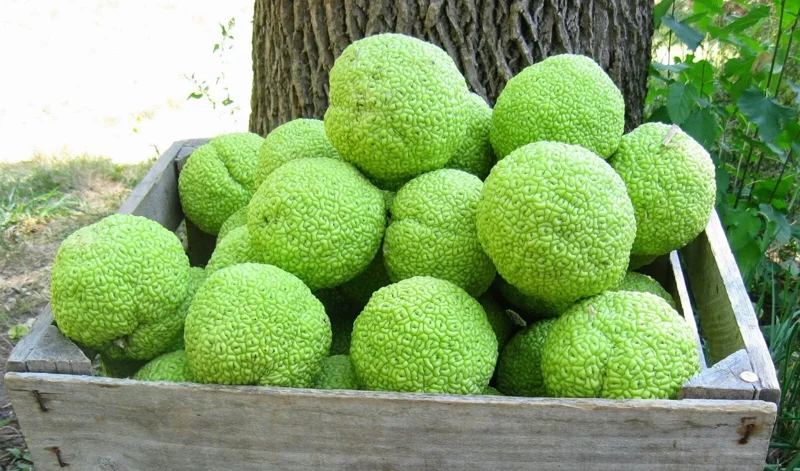
Discover the robust and versatile Osage Orange Tree live plant, scientifically known as Maclura pomifera. This unique deciduous tree, often referred to as a Horse Apple tree or hedge plant, is supplied as a live specimen typically ranging from 16 to 24 inches in height. Renowned for its dense growth habit and thorny branches, the Osage Orange is an excellent choice for creating formidable living fences, windbreaks, or privacy screens. Its distinctive, bumpy, citrus-like fruit, though not typically consumed by humans, is a natural curiosity and provides a food source for some wildlife. Historically, its extremely tough and durable wood was prized for making archery bows and tool handles. This plant offers both practical utility and interesting aesthetic appeal to any outdoor space, thriving in various conditions and requiring minimal maintenance once established. The Osage Orange Tree live plant adapts well to different soil types and is notably drought-tolerant, making it a resilient choice for many gardeners.
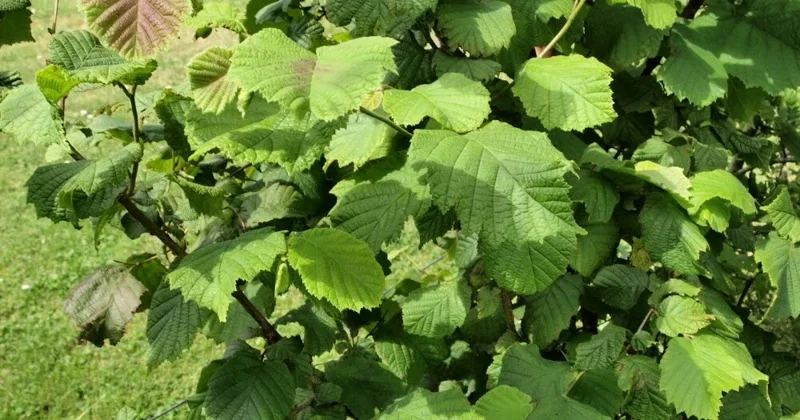
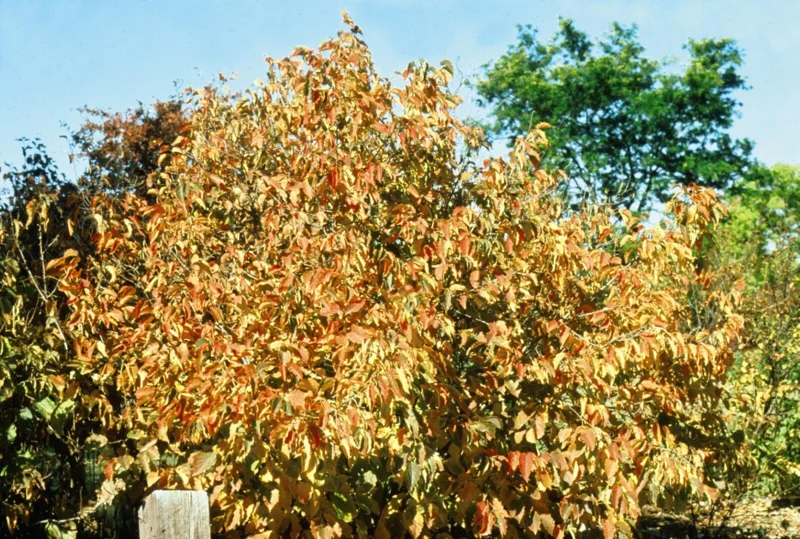
The Osage Orange, also known as Bois d’Arc, Bowwood, or Hedge Apple, is native to the south-central United States. It’s a fast-growing tree that forms an impenetrable barrier when planted closely together, hence its popularity as a hedge. The vibrant green foliage turns a cheerful yellow in the fall, adding seasonal interest to your landscape. The peculiar fruit, often called ‘hedge apples’, appear in autumn and persist into winter, providing visual interest even after the leaves have fallen. This specimen is ready to be planted and begin its journey to becoming a mature, impressive feature in your garden or property.
Key Benefits
The Osage Orange Tree live plant offers a multitude of benefits for the discerning gardener or landowner. Its hardiness and adaptability make it a smart choice for a variety of landscape designs.
- Excellent Natural Barrier: Plant these Maclura pomifera hedge plants closely to create an effective and beautiful living fence or privacy screen. Their dense growth and thorny branches deter intruders and provide a strong boundary.
- Drought and Pest Tolerant: Once established, the Osage Orange is remarkably resilient to dry periods and generally free from serious pest or disease issues, reducing the need for constant care.
- Wildlife Attraction: While its fruit isn’t for human consumption, the ‘hedge apples’ provide food for some wildlife, and the dense foliage offers shelter and nesting sites for birds.
- Soil Stabilization: Its extensive root system helps to prevent soil erosion, making it beneficial for sloped areas or reclaiming disturbed land.
- Unique Ornamental Value: The distinctive green foliage, unique ‘hedge apple’ fruit, and bright fall color offer year-round visual interest that stands out in the landscape.
- Historical Significance: The exceptionally strong wood of the Osage Orange Tree has a rich history, valued for its durability in making bows and other tools.
- Adaptable to Various Climates: This plant thrives in a wide range of climates, tolerating both heat and cold, making it a versatile choice for many regions.
Plant Care & Growing Tips
Caring for your Osage Orange Tree live plant is relatively straightforward, thanks to its inherent hardiness. This tree thrives in full sun, meaning it requires at least 6-8 hours of direct sunlight per day to achieve its best growth and fruit production. While it can tolerate partial shade, too little light may result in sparser growth. When it comes to watering, the Osage Orange prefers medium moisture but is highly drought-tolerant once established. Water regularly during its first year to help it establish a strong root system. After that, supplemental watering is usually only needed during prolonged dry spells. The tree is not particular about soil type and can grow in poor, heavy clay soils as well as sandy loams, but it performs best in well-draining soil. It is adaptable to a wide pH range, from acidic to alkaline. This tree is hardy in USDA zones 4-9, making it suitable for a broad spectrum of climates, enduring both cold winters and hot summers. Fertilization is generally not necessary for the Osage Orange hedge plant, especially in fertile soils. If growth appears stunted, a balanced, slow-release fertilizer can be applied in early spring. Pruning can be done in late winter or early spring to shape the plant, remove dead or damaged branches, or to encourage denser growth for hedging purposes. Be mindful of its thorns when handling.
Size & Details
This offering is for one Osage Orange Tree live plant (Maclura pomifera), which arrives as a vigorously growing specimen. Each plant typically measures between 16 to 24 inches tall at the time of shipment, providing a substantial start for your landscaping project. These plants are shipped as bare-root or potted plants, depending on the season, ensuring they are ready for immediate planting upon arrival. The Maclura pomifera hedge is known for its relatively fast growth rate, quickly establishing itself and adding significant height and density to your garden. With proper care, they can reach mature heights of 20-40 feet, though they are easily maintained at lower heights for hedging purposes. The ‘hedge apples’ typically appear in the fall, adding a unique texture and color to the autumn landscape. This plant is well-suited for creating natural boundaries and can be planted individually or in rows to form a robust hedge.
Frequently Asked Questions
- Q: How big does this Osage Orange Tree live plant get? A: The Osage Orange Tree can grow to a mature height of 20-40 feet if left untrimmed, but it can be easily maintained at a desired height for hedging through regular pruning. Our live plants are 16-24 inches tall upon arrival.
- Q: Is this an indoor or outdoor plant? A: The Osage Orange Tree is an outdoor plant, highly suited for landscaping, hedges, and windbreaks. It is not recommended for indoor cultivation.
- Q: How much sunlight does the Maclura pomifera hedge need? A: It thrives in full sun, requiring at least 6-8 hours of direct sunlight daily for optimal growth and health. It can tolerate partial shade but may not grow as densely.
- Q: Is this plant easy to care for, good for beginners? A: Yes, the Osage Orange Tree is very easy to care for and is an excellent choice for beginners due to its resilience, drought tolerance, and adaptability to various soil conditions. It requires minimal attention once established.
- Q: What condition will the Osage Orange Tree for sale arrive in? A: Your live plant will arrive healthy and ready for planting, either as a bare-root specimen during dormancy or as a potted plant during active growth, ensuring its best chance for successful establishment.
- Q: How long until it starts producing ‘hedge apples’? A: Osage Orange Trees typically begin producing their distinctive ‘hedge apples’ within 5-10 years of planting, depending on growing conditions and maturity.
- Q: Will the Horse Apple tree care be difficult in my climate? A: The Osage Orange Tree is highly adaptable and hardy in USDA zones 4-9, tolerating a wide range of temperatures and conditions, making it suitable for many climates across the US.
- Q: What type of soil does the Osage Orange hedge plant prefer? A: It is not particular about soil type and can grow in poor soils, heavy clays, or sandy loams, but it performs best in well-draining soil.
- Q: Can I use the fruit of the Osage Orange Tree? A: The fruit, commonly called ‘hedge apples’, is not typically consumed by humans. It is primarily ornamental and provides a food source for some wildlife.
- Q: Is the plant thorny? A: Yes, the Osage Orange Tree has sharp thorns on its branches, which contribute to its effectiveness as a natural barrier. Exercise caution when handling.



Reviews
There are no reviews yet.