Overview
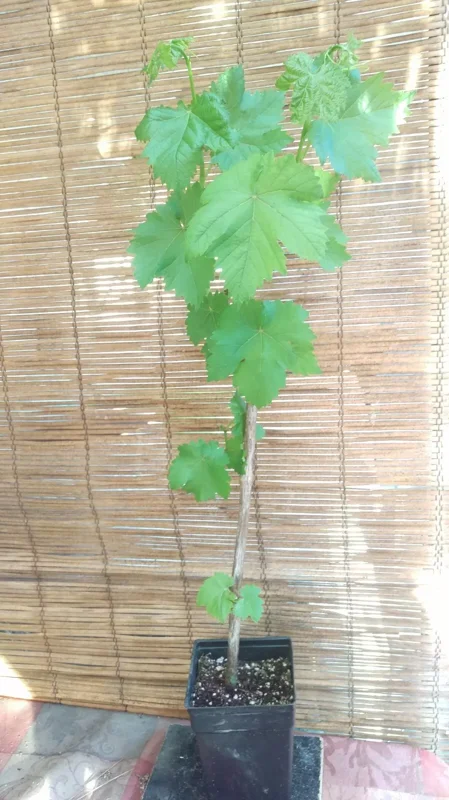
Introduce a piece of American botanical history into your landscape with this Osage Orange Tree live plant (Maclura pomifera), measuring 16-24 inches in height. Also widely known as the Horse Apple Tree or Bois d’Arc, the Osage Orange is celebrated for its incredible durability, adaptability, and the unique, wrinkled fruit it produces. This deciduous tree is not only a fantastic choice for creating natural, formidable hedges due to its thorny branches, but it also serves as a captivating specimen plant, offering year-round interest with its vibrant green foliage, intriguing fruit, and rugged bark. Perfect for those seeking a low-maintenance yet impactful addition to their garden, the Osage Orange Tree live plant thrives in a variety of conditions, making it a versatile and rewarding choice for many gardeners.
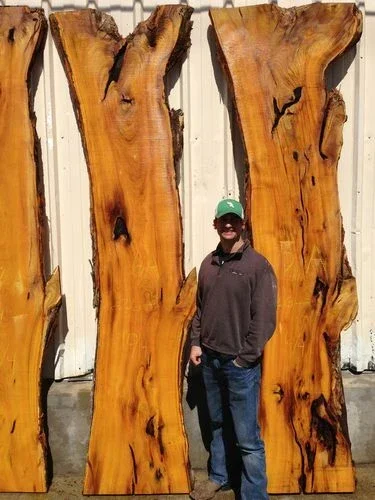
The Maclura pomifera is a fast-growing species, known for its dense wood and historical uses, including fence posts and archery bows. Its common name, Osage Orange, refers to the Osage Native American tribe who utilized its wood, and the orange-like appearance of its large, green fruit. While the fruit is generally not consumed by humans, it provides food for wildlife and adds an unusual ornamental touch to the tree. Embrace the hardiness and unique character of this remarkable Maclura pomifera hedge plant.
Key Benefits
The Osage Orange Tree live plant offers a multitude of benefits for both aesthetic appeal and practical landscape solutions. Its robust nature and distinctive features make it a standout choice for various outdoor settings.
- Exceptional Hardiness: This tree is incredibly tough, tolerating a wide range of soil types, from poor to rich, and demonstrating excellent drought resistance once established. It’s a plant that truly thrives on neglect.
- Natural Security Hedge: With its naturally thorny branches, the Maclura pomifera hedge forms an impenetrable barrier, providing excellent security and privacy for your property without the need for artificial fencing.
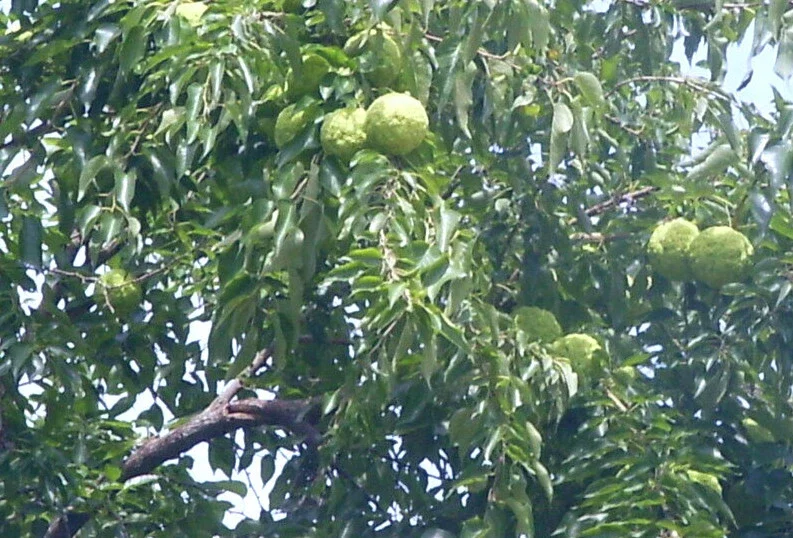
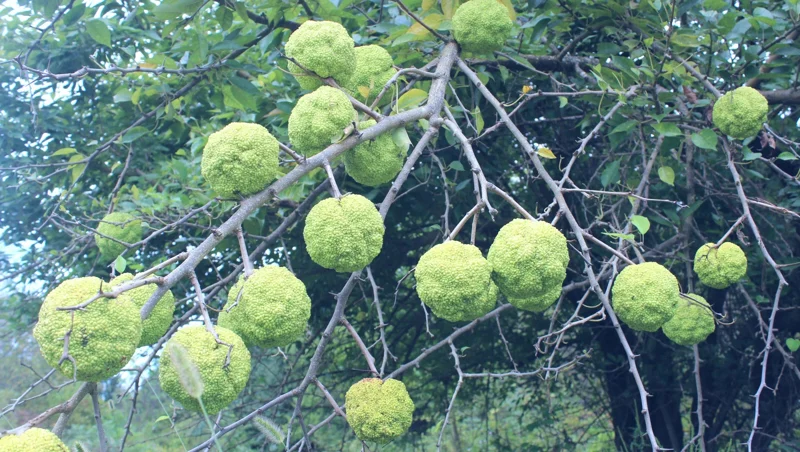
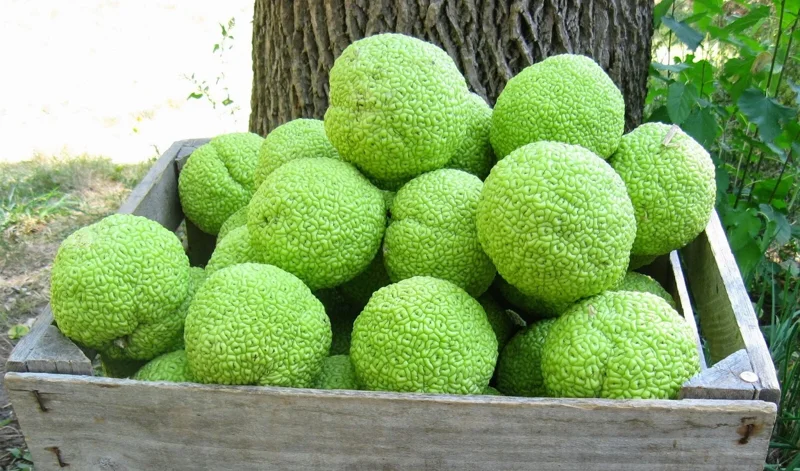
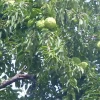
- Unique Ornamental Value: The distinctive, large, and bumpy green ‘horse apples’ that appear in fall provide unique visual interest, making it a conversation starter in any garden. Its glossy green leaves add lushness throughout the growing season.
- Wildlife Attraction: While the fruit is not typically consumed by humans, it serves as a food source for some wildlife, and the dense foliage provides shelter for birds and other small animals.
- Erosion Control: Its extensive root system makes it an excellent choice for stabilizing soil and preventing erosion, particularly on slopes or in areas prone to soil degradation.
- Adaptable Growth: Can be pruned and maintained as a formal hedge, allowed to grow into a large shade tree, or used for restoration projects. Its versatility is a major asset.
- Pest and Disease Resistant: The Osage Orange Tree live plant is notably resistant to most common pests and diseases, reducing the need for chemical treatments and making it a low-maintenance option.
Plant Care & Growing Tips
Caring for your Osage Orange Tree live plant is relatively straightforward due to its resilient nature. This tree prefers a location with full sun, meaning at least 6-8 hours of direct sunlight per day, to ensure vigorous growth and fruit production. While it can tolerate partial shade, performance may be reduced. It is incredibly adaptable to various soil conditions, but ideally, it thrives in well-draining soil. It can handle clay, sandy, or loamy soils, and is not particularly fussy about pH levels. Once established, the tree is highly drought-tolerant, making it an excellent choice for xeriscaping or areas with infrequent watering. During its first growing season, consistent watering is crucial to help it establish a strong root system. Aim for deep watering 1-2 times a week, allowing the top inch of soil to dry out between waterings.
The Horse Apple Tree is remarkably hardy and can withstand a wide range of temperatures, typically thriving in USDA Hardiness Zones 4-9. Fertilization is generally not necessary for established trees, especially if planted in reasonably fertile soil. However, if growth appears sluggish, a balanced, slow-release granular fertilizer can be applied in early spring. Pruning can be done in late winter or early spring to shape the tree, remove dead or damaged branches, or to maintain it as a dense thorny hedge plant. Be mindful of its thorns when handling. While generally problem-free, watch for common tree issues like borers or scale, though they are rare for this robust species. Ensure good air circulation to prevent fungal issues, especially in humid climates.
Size & Details
This offering is for one Osage Orange Tree live plant, which will arrive at a height of approximately 16-24 inches. These young trees are well-rooted and ready for planting, allowing them to quickly establish in your garden. The growth rate of Maclura pomifera is considered medium to fast, typically adding 1-2 feet of height per year under optimal conditions. When mature, it can reach impressive heights of 30-60 feet with a spread of 20-40 feet if left unpruned, forming a broad, rounded canopy. If grown as a hedge, it can be maintained at a desired height and width through regular pruning.
The plant is shipped as a bare root specimen or in a small nursery pot, depending on the season, ensuring it arrives in optimal condition for transplanting. Expect to see its distinctive green foliage emerge in spring, followed by small, inconspicuous flowers, and then the large, bumpy green ‘horse apples’ developing through summer, maturing in fall. This Osage Orange Tree live plant is a long-lived species, capable of gracing your landscape for many decades, providing enduring beauty and functionality.
Frequently Asked Questions
- Q: How big will this Osage Orange Tree live plant get? A: This plant is currently 16-24 inches tall. If left unpruned, a mature Osage Orange Tree can reach heights of 30-60 feet with a spread of 20-40 feet, forming a large, rounded canopy.
- Q: Is this an indoor or outdoor plant? A: The Osage Orange Tree live plant is an outdoor tree, best suited for planting in gardens, as a hedge, or in larger landscapes. It is not suitable for indoor cultivation.
- Q: How much sunlight does an Osage Orange Tree need? A: This tree thrives in full sun, requiring at least 6-8 hours of direct sunlight per day for optimal growth and fruit production. It can tolerate partial shade but may grow less vigorously.
- Q: Is this plant easy to care for? A: Yes, the Osage Orange Tree is known for its exceptional hardiness and low maintenance. Once established, it is very drought-tolerant and resistant to most pests and diseases, making it an easy-care option.
- Q: What condition will the plant arrive in? A: The Osage Orange Tree live plant will arrive either as a bare root specimen or in a small nursery pot, carefully packaged to ensure its health during transit, ready for planting upon arrival.
- Q: When is the best time to plant an Osage Orange Tree? A: The ideal time to plant your Horse Apple Tree is in early spring or fall when temperatures are moderate. This allows the tree to establish its root system before extreme weather conditions.
- Q: Will it survive winter in my zone? A: The Maclura pomifera is very cold hardy and typically thrives in USDA Hardiness Zones 4-9, making it suitable for a wide range of climates, including cold winters.
- Q: What are the ‘horse apples’ used for? A: The large, green fruit of the Horse Apple Tree is not typically consumed by humans due to its unpalatable texture and taste. However, it can be a food source for some wildlife and is often valued for its unique ornamental appeal in the fall.
- Q: Can I use this plant to create a thorny hedge plant? A: Absolutely! The Osage Orange Tree is historically famous for creating dense, thorny hedges due to its sharp thorns and robust growth habit, providing an excellent natural barrier.
- Q: What kind of soil does an Osage Orange Tree prefer? A: This tree is highly adaptable and can grow in various soil types, including clay, sand, and loam. It prefers well-draining soil but is tolerant of less-than-ideal conditions.



Reviews
There are no reviews yet.