Overview
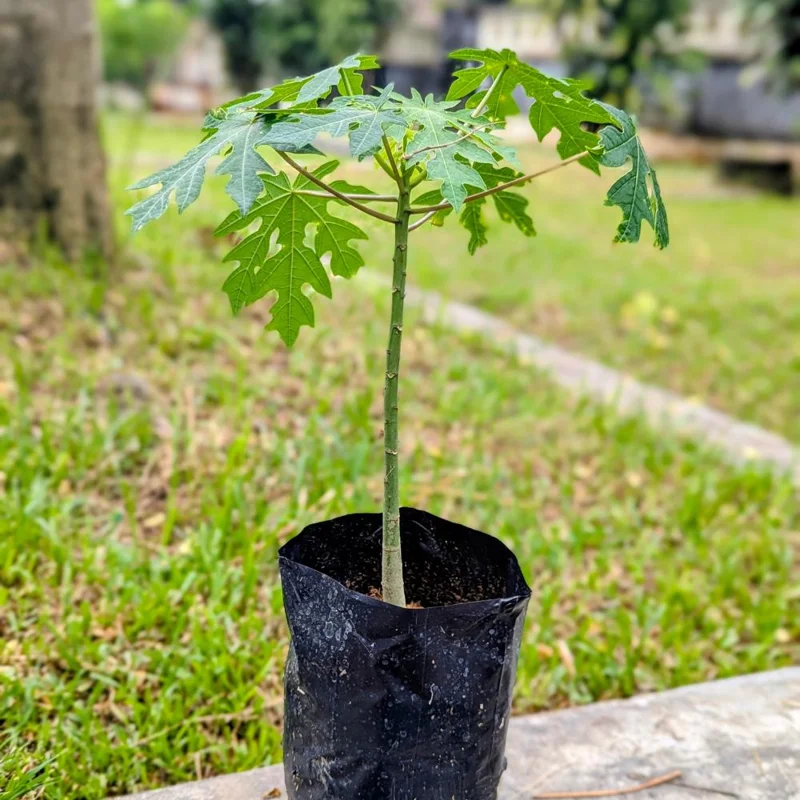
Embark on a rewarding gardening journey with this vibrant papaya live plant. Sourced from vigorous stock, this young tree arrives ready to establish itself in your garden or a large container, promising the exotic taste of homegrown papaya. Papayas, scientifically known as Carica papaya, are renowned for their sweet, succulent fruit and their relatively fast growth rate. This particular specimen is a tropical delight, ideal for cultivating your very own supply of this nutritious fruit. Growing your own papaya live plant not only provides fresh produce but also adds a lush, tropical aesthetic to your outdoor spaces, making it a fantastic addition for any gardening enthusiast.
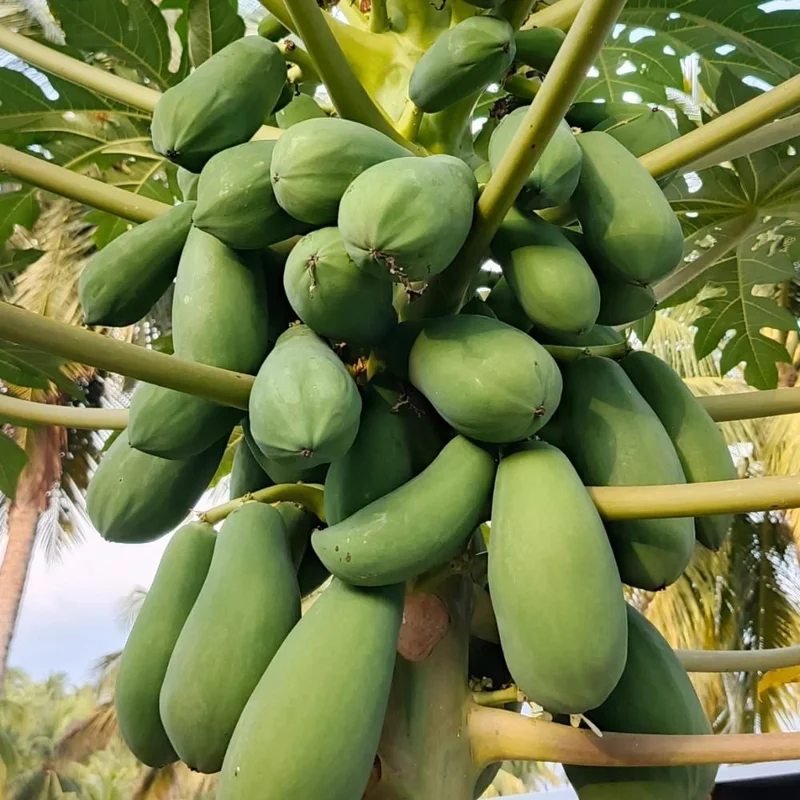
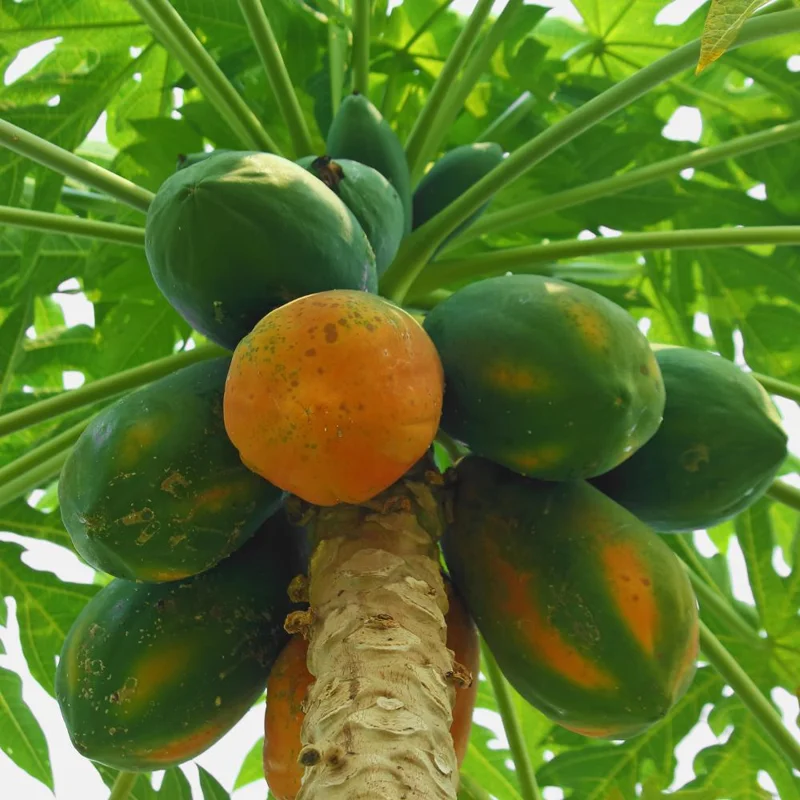
Cultivating a papaya live plant allows you to experience the satisfaction of nurturing a plant from its early stages to fruit production. These trees are characterized by their large, deeply lobed leaves that form a striking canopy, and a soft, non-woody trunk that remains upright and sturdy. With proper care and the right conditions, you can look forward to a bountiful harvest of sweet, flavorful papayas, transforming your garden into a tropical oasis. Whether you’re an experienced gardener or just starting out, this tropical fruit tree offers a unique and gratifying growing experience.
Key Benefits
Growing a papaya live plant offers a multitude of benefits, from the aesthetic appeal of its tropical foliage to the delicious and healthy fruit it produces. This fast-growing tree brings a touch of the exotic to your garden, making it a truly rewarding plant to cultivate.
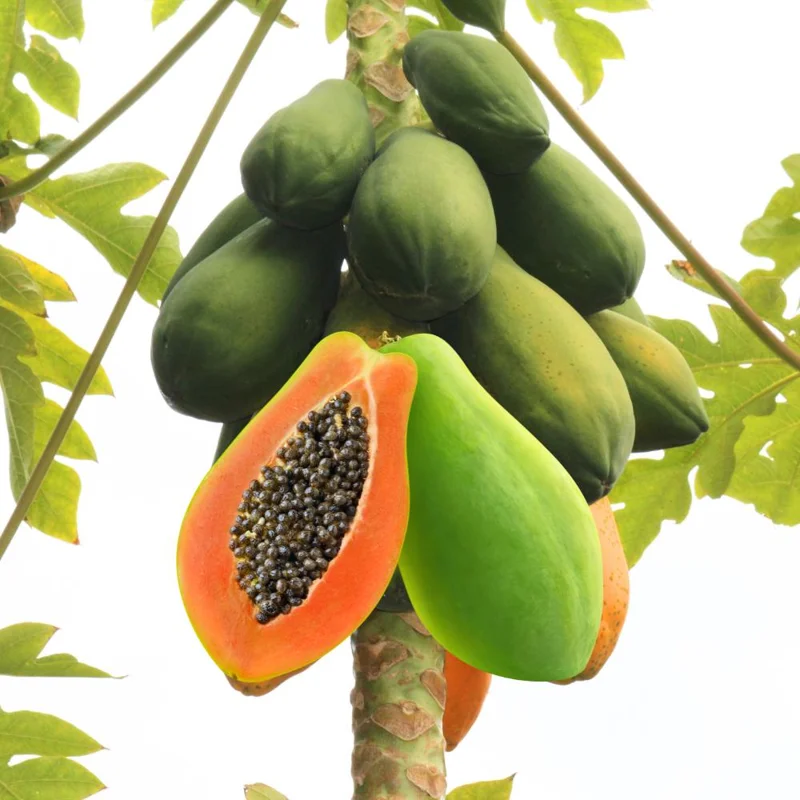
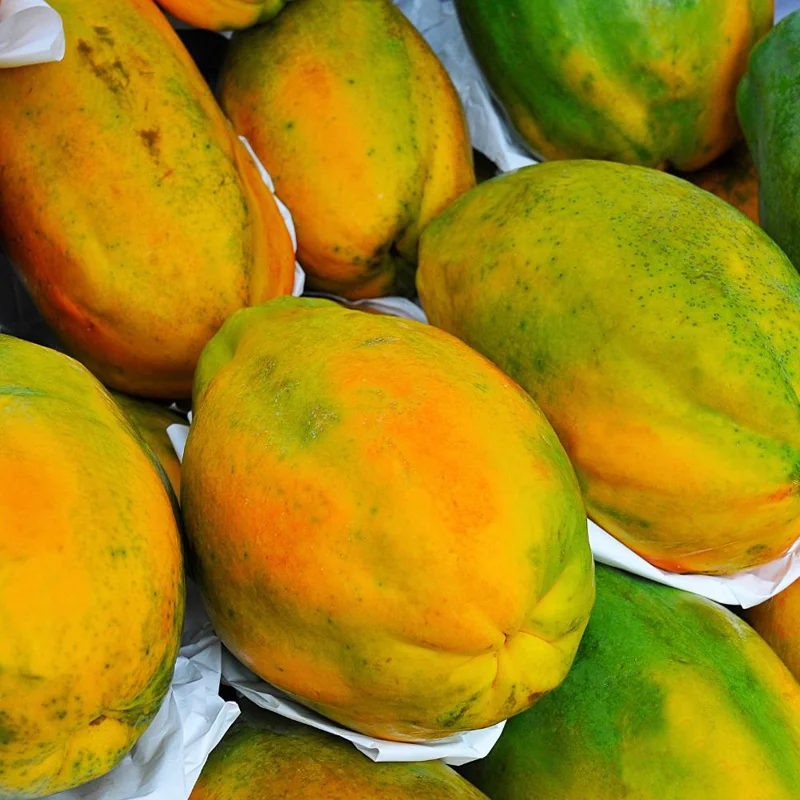
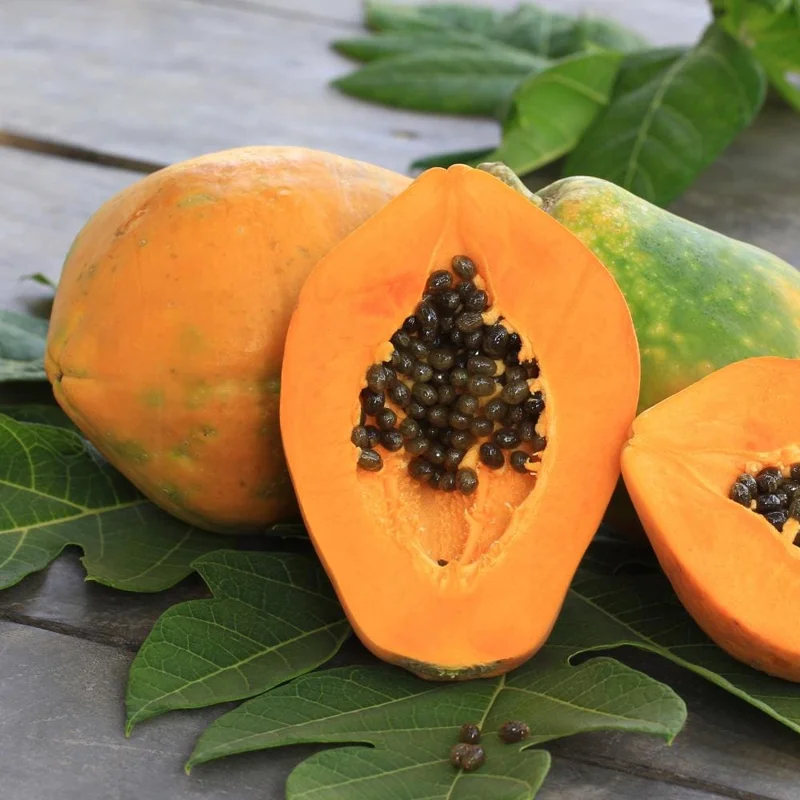
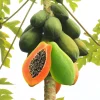
- Enjoy Fresh, Sweet Fruit: The primary benefit is the ability to harvest your own fresh, large-shaped papayas. The fruit ripens from green to bright yellow or orange, with a sweet, orange or pink-red interior, perfect for eating fresh or in smoothies.
- Adds Tropical Ambiance: With its very large, deeply lobed leaves and upright growth, the papaya live plant instantly creates a lush, tropical feel in any garden or patio setting, enhancing the aesthetic appeal of your outdoor space.
- Fast-Growing and Productive: This is a fast-growing tree that can reach significant heights, offering quicker fruit production compared to many other fruit trees. This means you won’t have to wait long to enjoy your first harvest.
- Nutrient-Rich Produce: Papayas are packed with vitamins, minerals, and antioxidants, making them a healthy addition to your diet. Growing your own ensures a chemical-free, fresh supply.
- Unique Floral Display: The tree produces waxy, cream-colored flowers tucked away near the leaf stems, adding an interesting and subtle beauty before the fruit develops.
- Relatively Low Maintenance: Once established, the papaya live plant has moderate water needs and, given sufficient sunlight, requires straightforward care, making it suitable for various gardening skill levels.
- Rewarding Gardening Experience: There’s immense satisfaction in watching your own tropical fruit tree grow from a young plant into a fruit-bearing specimen, providing a connection to nature and a sense of accomplishment.
Plant Care & Growing Tips
To successfully grow papaya tree and ensure a bountiful harvest, understanding its specific care requirements is crucial. This tropical plant thrives in conditions that mimic its native environment. For optimal growth and sweet fruit production, the papaya live plant demands full sun exposure all day long. This intense sunlight is essential not only for fruit development but also for the tree to develop a thick, strong trunk. When selecting a planting location, choose the sunniest spot available in your garden or patio, ensuring it receives at least 6-8 hours of direct sunlight daily.
Watering needs for your papaya live plant are moderate. The soil should be kept consistently moist but never waterlogged, as this can lead to root rot. Good drainage is paramount. For soil, a rich, well-draining mix is ideal. Amend heavy clay soils with organic matter to improve drainage, or consider growing in raised beds or large containers if your native soil is unsuitable. The papaya live plant is a tropical species, thriving in warm temperatures. It is hardy in USDA Zones 10-11, meaning it cannot tolerate frost. If you reside in a cooler zone, consider growing it in a container that can be moved indoors during colder months, or treat it as an annual.
Fertilization is important for a productive tropical fruit tree. Use a balanced fertilizer during the growing season, following the product’s instructions. Young plants benefit from regular feeding to support their rapid growth. Keep an eye out for common pests such as spider mites or aphids, and address them promptly with organic pest control methods if necessary. Pruning is generally minimal, focusing on removing any dead or diseased leaves. Understanding how to provide proper papaya plant care will lead to a healthy, fruit-bearing tree.
Size & Details
This offering is for a healthy papaya live plant, currently measuring 5 to 10 inches tall from the top of the soil and provided in a 4-inch nursery pot. This size is ideal for transplanting into a larger container or directly into your garden, allowing it ample space to grow. The tree is a fast-growing variety, typically reaching a mature height of 10 to 20 feet under optimal conditions, characterized by its soft, non-woody trunk that remains straight and upright. Its large, deeply lobed leaves can grow up to 2 feet wide, forming a dense canopy at the top of the trunk. This specimen is ready to establish and begin its journey towards becoming a productive, fruit-bearing tropical fruit tree in your landscape.
The fruit itself is large and distinctively shaped, with an exterior that transitions from green to a vibrant yellow or orange as it ripens. Inside, the flesh is a beautiful orange or pink-red hue, surrounding a cluster of small, round black seeds. The tree also produces waxy, cream-colored flowers that are subtly located where the leaf stems meet the trunk. With proper papaya plant care, you can expect fruit production relatively quickly for a fruit tree, bringing a taste of the tropics right to your home. This plant ships as a young, actively growing specimen, carefully packaged to ensure its safe arrival.
Frequently Asked Questions
- Q: How big does this plant get and what size pot does it come in? A: This papaya live plant arrives in a 4-inch nursery pot and is 5 to 10 inches tall. At maturity, it can reach a height of 10 to 20 feet, making it a substantial tropical fruit tree.
- Q: Is this an indoor or outdoor plant, and how much sunlight does it need? A: The papaya live plant is primarily an outdoor tropical plant, requiring full sun all day long for optimal growth and fruit production. In USDA Zones 10-11, it can be grown outdoors year-round. In cooler zones, it can be grown in a large container and brought indoors during colder months.
- Q: Is this plant easy to care for, and is it good for beginners? A: While it has specific needs for warmth and sunlight, papaya plant care is considered moderate. With consistent watering and a sunny location, it can be a rewarding plant for beginners willing to meet its tropical requirements.
- Q: What condition will it arrive in, and is it shipped in soil? A: Your papaya live plant will arrive as a healthy, actively growing specimen in its 4-inch nursery pot with soil, carefully packaged to ensure its safety during transit.
- Q: How long until it blooms and produces fruit? A: Papaya trees are known for their relatively fast growth. With proper care, a young papaya live plant can begin to flower and produce fruit within its first year or two, offering a quick turnaround for your gardening efforts.
- Q: What is the ideal soil type and watering schedule for this plant? A: The papaya live plant prefers rich, well-draining soil. It has moderate water needs, meaning the soil should be kept consistently moist but never waterlogged. Allow the top inch or two of soil to dry out slightly between waterings.
- Q: Will it survive winter in my zone, and what’s the minimum temperature it can tolerate? A: This tropical fruit tree is hardy in USDA Zones 10-11 and is very sensitive to cold. It cannot tolerate frost. If you live in a zone below 10, it’s best to grow your papaya live plant in a container and move it indoors when temperatures drop below 40-50°F (4-10°C).



Reviews
There are no reviews yet.