Overview
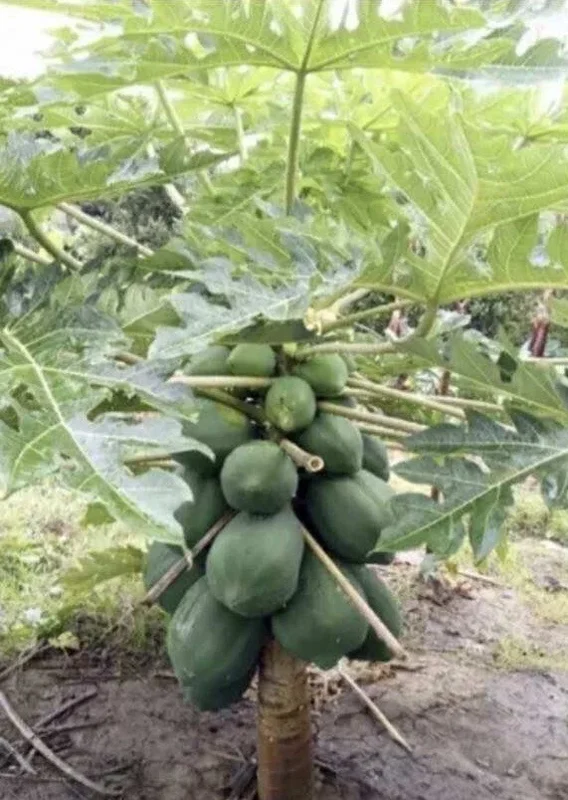
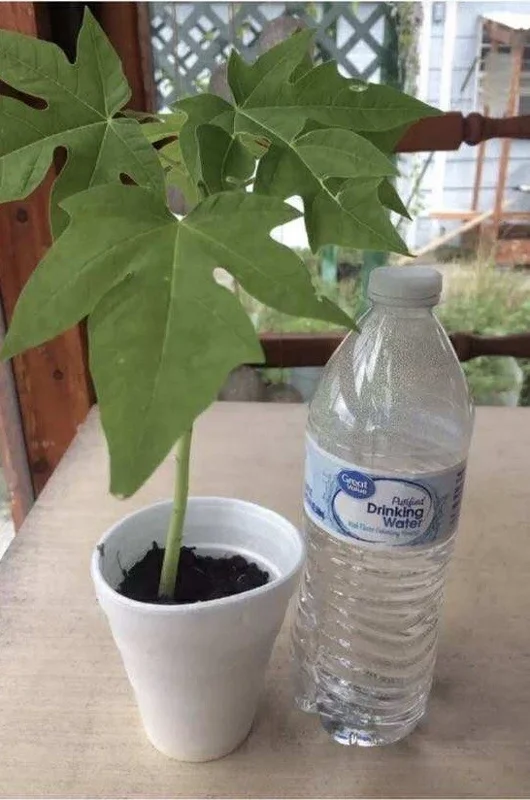
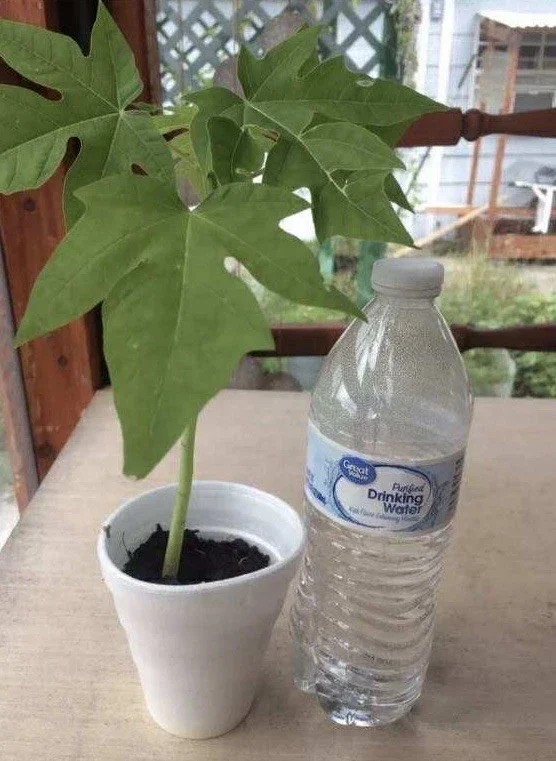
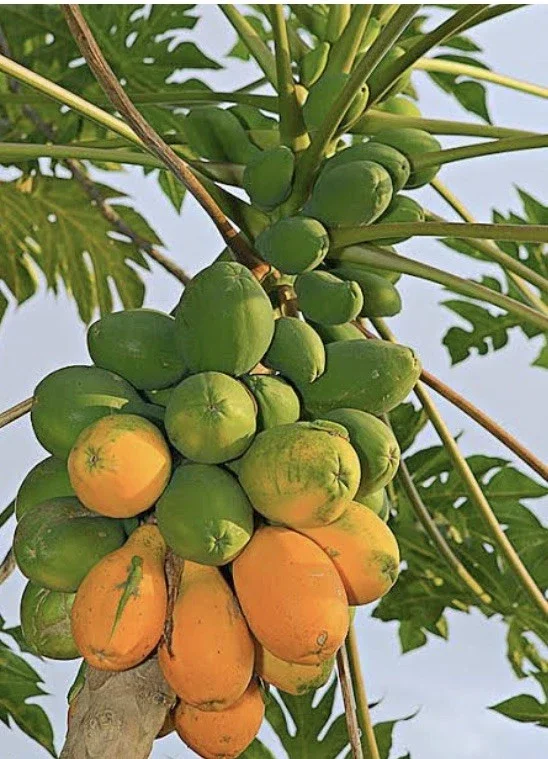
Bring the tropics to your backyard with this vibrant papaya live plant. Sourced from organic USA growers, this fully rooted young tree is ready to thrive in your garden. Standing at an impressive 5-10 inches tall upon arrival, it promises a rewarding journey from planting to harvesting your own sweet, juicy papayas. The common name ‘Papaya’ instantly conjures images of exotic flavors and lush landscapes, while its botanical name, Carica papaya, speaks to its rich heritage as a beloved tropical fruit. This particular variety is selected for its robust health and vigorous growth, ensuring a successful and fruitful addition to your home orchard or garden. Growing your own organic papaya tree offers not only the freshest fruit but also the satisfaction of nurturing a plant from its early stages. Papayas are renowned for their nutritional value, packed with vitamins and antioxidants. This plant is an excellent choice for gardeners looking for a productive and visually appealing tropical specimen. Its distinctive foliage and eventual fruit production make it a conversation starter and a true garden highlight. Experience the joy of cultivating a fast growing papaya right at home.
Key Benefits
This papaya live plant offers a multitude of benefits, from its ease of growth to the delicious fruits it produces. It’s an ideal choice for both novice and experienced gardeners seeking to expand their edible landscape.
- Homegrown Tropical Fruit: Enjoy fresh, sweet, and nutritious papayas directly from your garden. There’s nothing quite like the taste of fruit ripened on the tree, offering superior flavor and nutritional content compared to store-bought varieties. Cultivating your own organic papaya tree ensures a consistent supply of delicious, wholesome fruit.
- Fast Growing Papaya: This variety is known for its rapid growth rate, meaning you won’t have to wait long to see significant development and, eventually, fruit production. Its vigorous nature makes it a rewarding plant to cultivate, quickly transforming into a productive part of your garden.
- Organic Cultivation: Grown organically in the USA, this plant is free from harmful pesticides and chemicals, ensuring a healthy start for your garden and providing pure, wholesome fruit. This aligns with sustainable gardening practices and promotes a healthier environment.
- Fully Rooted & Ready to Plant: Arriving fully rooted, your plant is primed for immediate transplanting, reducing transplant shock and promoting quicker establishment in its new environment. This ensures a smooth transition into your garden, minimizing any setbacks.
- Attractive Garden Addition: Beyond its fruit, the tropical fruit plant itself is ornamental, featuring large, deeply lobed leaves that create a lush, tropical ambiance in any garden setting. It adds a unique visual interest and can become a stunning focal point.
- Nutritional Powerhouse: Papayas are rich in Vitamin C, Vitamin A, and digestive enzymes like papain, making them an excellent addition to a healthy diet. Growing your own ensures you have access to these benefits whenever you desire, contributing to a healthy lifestyle.
- Adaptable Outdoor Plant: While tropical, this papaya live plant is suitable for outdoor cultivation in warmer climates and can be grown in containers in cooler zones, allowing for protection during colder months. This versatility makes it accessible to a wider range of gardeners.
Plant Care & Growing Tips
Caring for your papaya live plant is straightforward, especially with its robust nature. To ensure optimal growth and fruit production, understanding its basic needs is crucial. Papayas thrive in conditions that mimic their native tropical environment. For successful cultivation of your Carica papaya plant, attention to detail in these areas will yield the best results.
Sunlight requirements: Your organic papaya tree requires full sun, meaning at least 6-8 hours of direct sunlight daily. Choose a location in your garden that receives ample sun exposure throughout the day. In extremely hot climates, some afternoon shade can be beneficial to prevent leaf scorch, but generally, more sun equals more fruit. If growing in a container, ensure it can be moved to maximize sun exposure.
Watering schedule and soil moisture preferences: Papayas need consistent moisture, especially during dry periods and when fruiting. Water deeply and regularly, allowing the top inch or two of soil to dry out slightly between waterings. Avoid waterlogging, as this can lead to root rot. Good drainage is paramount. During cooler months or when the plant is dormant, reduce watering frequency. For best results, consider a drip irrigation system or hand-watering at the base of the plant.
Soil type and drainage requirements: This tropical fruit plant prefers rich, well-draining soil with a pH between 6.0 and 7.0. A sandy loam enriched with organic matter is ideal. If your soil is heavy clay, amend it with compost, perlite, or sand to improve drainage. Proper drainage is critical to prevent fungal diseases and root issues. Planting on a slight mound can also help in areas with poor drainage.
Temperature range and USDA hardiness zone: Papayas are tropical plants and are sensitive to cold. They thrive in temperatures between 70°F and 85°F (21°C-29°C). They are typically hardy in USDA zones 9-11. Temperatures below 32°F (0°C) can severely damage or kill the plant. If you live in a cooler zone, grow your papaya in a large container that can be moved indoors during winter months. Protect from strong winds, which can damage the large leaves.
Fertilization schedule and type: Feed your papaya live plant regularly during its active growing season (spring through fall) with a balanced fertilizer, or one slightly higher in phosphorus and potassium to encourage flowering and fruiting. Organic fertilizers like compost tea, fish emulsion, or slow-release granular options are excellent. Follow package directions for application rates. Reduce or stop fertilizing during winter dormancy.
Common problems and solutions: Watch out for common pests like spider mites, aphids, and whiteflies. Treat with insecticidal soap or neem oil. Fungal diseases, often caused by overwatering or poor air circulation, can manifest as leaf spots or powdery mildew; ensure good drainage and prune for airflow. The fast growing papaya can sometimes show nutrient deficiencies if not fertilized adequately.
Size & Details
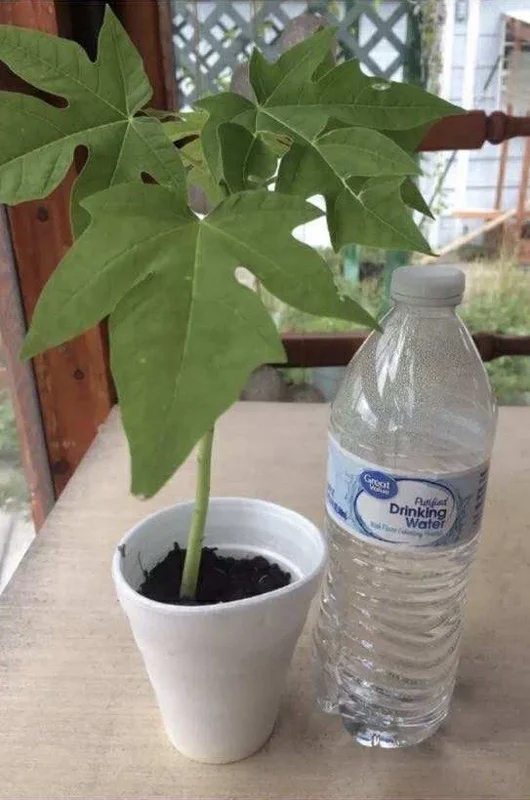
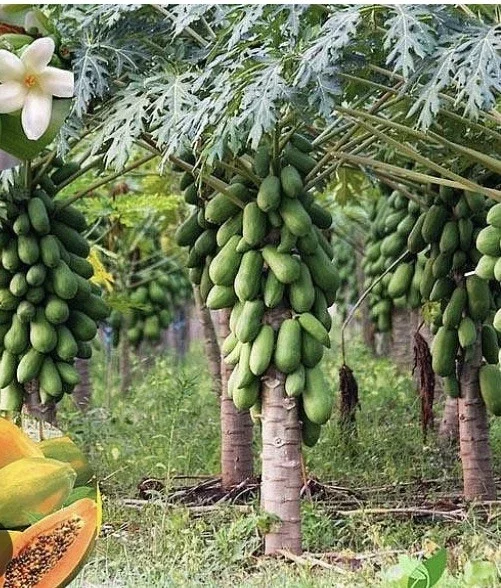
This papaya live plant is a vigorous grower, arriving at a convenient size for transplanting and establishing quickly. Each plant is approximately 5-10 inches tall from the base of the rootball to the tip of the foliage. While it arrives as a relatively small, young plant, papayas are known for their rapid development under ideal conditions. Expect your plant to quickly put on new growth once settled in its new home. It is shipped as a bare-root or lightly potted specimen, ensuring minimal stress during transit and allowing for easy planting upon arrival. With proper care, this plant will mature into a productive organic papaya tree. The ultimate height of a mature papaya tree can range from 10 to 20 feet, though container-grown plants tend to remain smaller. Fruit production typically begins within 6-12 months of planting, depending on growing conditions and variety.
Frequently Asked Questions
- Q: How big does this plant get? A: This papaya live plant arrives 5-10 inches tall. When mature, papaya trees can reach heights of 10-20 feet in ideal outdoor conditions, though container-grown plants usually stay smaller, around 5-8 feet.
- Q: What size pot does it come in? A: The plant is shipped either bare root with careful packaging or in a small nursery pot, designed to ensure safe transit and easy transplanting into your chosen larger container or garden bed.
- Q: Is this an indoor or outdoor plant? A: The papaya live plant is primarily an outdoor plant in USDA zones 9-11. In cooler climates, it can be grown outdoors during warm months and brought indoors as a tropical fruit plant for winter protection.
- Q: How much sunlight does it need? A: This plant thrives in full sun, requiring at least 6-8 hours of direct sunlight daily to ensure robust growth and prolific fruit production. This is essential for a healthy Carica papaya plant.
- Q: Is this plant easy to care for? A: Yes, papayas are relatively easy to care for, especially when provided with ample sunlight, consistent watering, and well-draining soil. Its fast growing papaya nature makes it very rewarding for beginners.
- Q: What condition will it arrive in? A: Your papaya live plant will arrive fully rooted and carefully packaged to ensure its health and vitality during transit, ready for immediate planting.
- Q: Is it shipped in soil? A: It may be shipped as a bare root plant with roots protected in moist material, or in a small amount of soil within a nursery pot, depending on the season and shipping method. Both methods are designed for plant health.
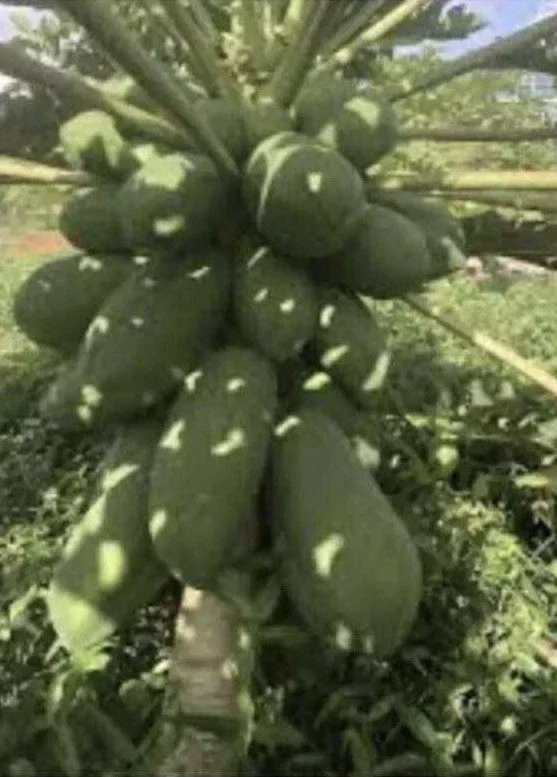
- Q: Can I use papaya fruit in cooking? A: Absolutely! Papaya fruit is versatile and delicious, perfect for eating fresh, adding to smoothies, salads, and various cooked dishes. Growing an organic papaya tree ensures a fresh supply.
- Q: When is the best time to plant? A: The best time to plant your papaya live plant is in spring or early summer after all danger of frost has passed, when temperatures are consistently warm.
- Q: Will it survive winter in my zone? A: Papaya plants are tropical and will only survive winter outdoors in USDA zones 9-11. In colder zones, you must bring the plant indoors or provide significant winter protection for your tropical fruit plant.




Reviews
There are no reviews yet.