Overview
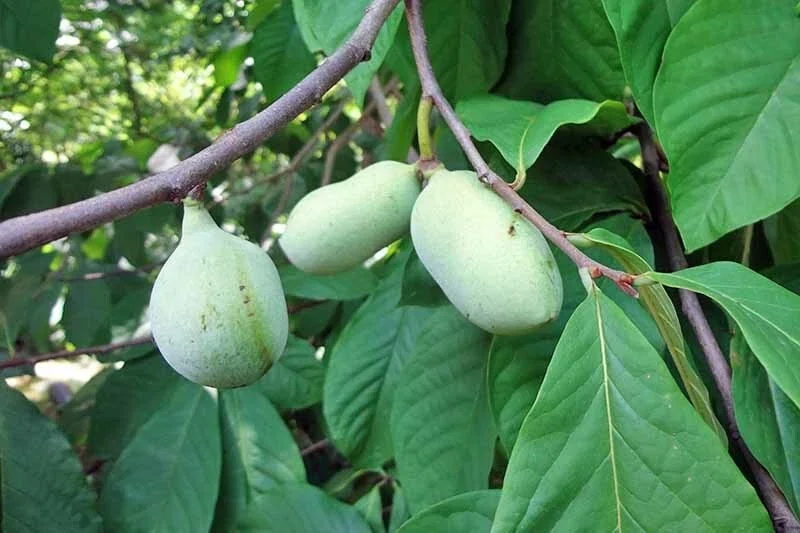
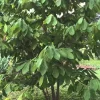
Bring the taste of the tropics to your temperate garden with our paw paw live plant, a fascinating and rewarding addition for any fruit enthusiast. This offering is for a young Asimina triloba tree, commonly known as the Paw Paw, America’s largest native fruit. Measuring between 8 to 12 inches in height, this bare root plant is ready to be established in your outdoor landscape. The Paw Paw tree is cherished for its unique, creamy, custard-like fruit that ripens in late summer to early fall, offering a sweet and exotic flavor profile often described as a blend of banana, mango, and pineapple. These resilient trees are a superb choice for gardeners looking to cultivate an unusual yet delicious fruit without extensive effort. They also provide lovely ornamental value with their broad, dark green leaves.
Key Benefits
Adding a paw paw live plant to your garden offers a multitude of benefits, from its unique fruit to its aesthetic appeal and ecological value. This paw paw live plant is a truly special choice for any gardener:
- Delicious, Unique Fruit: Enjoy the rich, tropical flavor of fresh Paw Paw fruit, a rare treat not typically found in grocery stores. The fruit of the Asimina triloba tree is highly nutritious, packed with vitamins and minerals, and offers a distinct taste experience.
- Native & Resilient: As a native North American tree, the Paw Paw is well-adapted to various climates and soil conditions, making it relatively easy to grow and maintain in suitable USDA zones. This resilience makes it an excellent choice for a low-maintenance pawpaw fruit tree.
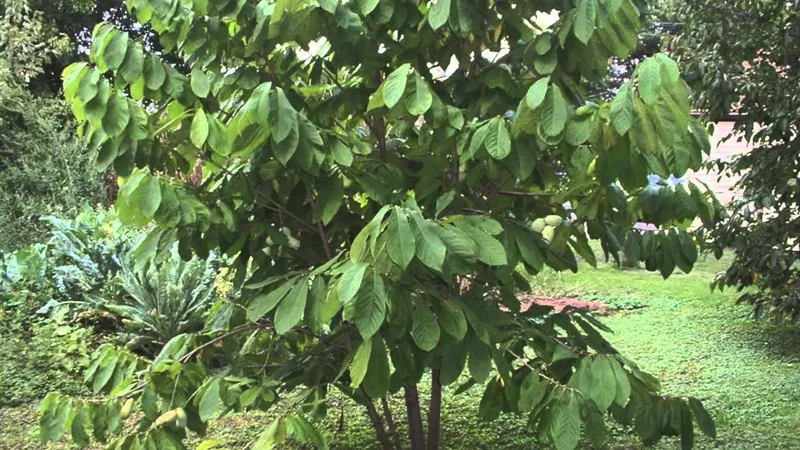
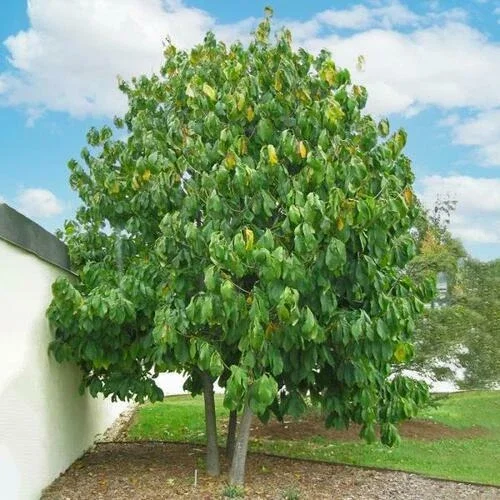
- Ornamental Value: Beyond its fruit, the Paw Paw tree provides attractive foliage, with large, drooping leaves that turn a beautiful yellow in the fall, adding seasonal interest to your landscape.
- Wildlife Attractor: The flowers and fruit attract various wildlife, including butterflies (specifically the Zebra Swallowtail butterfly, whose larvae feed exclusively on Paw Paw leaves) and birds, contributing to local biodiversity.
- Low Maintenance: Once established, growing paw paw trees requires minimal care, making them suitable for both experienced gardeners and those new to fruit tree cultivation. They are naturally resistant to many common pests and diseases.
- Shade Tolerance: Young Paw Paw trees thrive in partial shade, making them ideal for understory planting or areas of your garden that receive filtered sunlight. This trait is particularly useful when considering where to plant your bare root paw paw.
- Sustainable Gardening: By planting native species like the Asimina triloba tree, you contribute to a more sustainable and ecologically balanced garden environment.
Plant Care & Growing Tips
Caring for your paw paw live plant is straightforward, ensuring a bountiful harvest and healthy growth. The Paw Paw thrives in locations with at least 6 hours of direct sunlight once mature, though young trees benefit from partial shade during their first year or two to prevent sunscald. The ideal soil for growing paw paw trees is deep, fertile, well-draining, and slightly acidic (pH 5.5-7.0). Amend heavy clay soils with organic matter to improve drainage. Consistent moisture is crucial, especially during dry spells and the fruit development stage. Water deeply once or twice a week, allowing the top inch of soil to dry out between waterings. Avoid waterlogging, as this can lead to root rot.
Paw Paw trees are hardy in USDA Zones 5-8. They are deciduous, shedding their leaves in winter, and are quite cold-tolerant. Fertilize your Asimina triloba tree in early spring with a balanced, slow-release fertilizer designed for fruit trees. For optimal fruit production, it’s recommended to plant at least two different Paw Paw varieties for cross-pollination, as most Paw Paw trees are not self-pollinating. Pruning should be minimal, primarily to remove dead, damaged, or crossing branches. Pests are generally not a major issue for pawpaw fruit tree, but monitor for common garden pests and address them with organic solutions if necessary. Ensure your bare root paw paw is planted correctly to give it the best start.
Size & Details
This offering is for one paw paw live plant, a young Asimina triloba tree, measuring approximately 8 to 12 inches in height from the root collar to the tip of the stem. The plant is shipped in a bare root form, meaning it will arrive without soil around its roots, carefully packaged to retain moisture. This method is effective for deciduous trees as it minimizes transplant shock and allows for easier planting upon arrival. When established, a mature pawpaw fruit tree can reach heights of 15-20 feet, with a spread of 10-15 feet, forming a small to medium-sized tree. You can expect your tree to begin bearing fruit within 3-5 years after planting, depending on growing conditions and care. The growth rate is moderate, establishing roots and foliage steadily.
Frequently Asked Questions
- Q: How big does this plant get? A: This paw paw live plant is currently 8-12 inches tall. Mature Paw Paw trees typically grow to about 15-20 feet tall with a spread of 10-15 feet, creating a lovely canopy.
- Q: Is this an indoor or outdoor plant? A: The Asimina triloba tree is an outdoor plant. It requires a significant amount of space and specific outdoor conditions to thrive and produce fruit.
- Q: How much sunlight does it need? A: Young bare root paw paw plants prefer partial shade for the first year or two. Once established, mature trees need at least 6 hours of full sun daily for best fruit production.
- Q: Is this plant easy to care for? A: Yes, growing paw paw trees is considered relatively easy once they are established. They are hardy and resistant to many common pests, making them a good choice for various gardening skill levels.
- Q: What condition will it arrive in? A: Your paw paw live plant will arrive as a bare root specimen, carefully packaged to ensure the roots remain moist and healthy during transit. This is a common and effective way to ship deciduous trees.
- Q: When is the best time to plant? A: The best time to plant a bare root Paw Paw tree is in early spring, as soon as the ground can be worked, before the tree breaks dormancy. This allows the roots to establish before the heat of summer.
- Q: Will it survive winter in my zone? A: Paw Paw trees are hardy in USDA Zones 5-8. If you are within these zones, your Asimina triloba tree should tolerate winter conditions well once established.
- Q: Do I need more than one tree to get fruit? A: Yes, most pawpaw fruit tree varieties require cross-pollination from a different Paw Paw variety to produce fruit. Planting at least two different varieties is highly recommended for a successful harvest.
- Q: What kind of soil does it prefer? A: This paw paw live plant prefers deep, fertile, well-draining soil with a slightly acidic to neutral pH (5.5-7.0). Good drainage is essential to prevent root issues.
- Q: Can I grow a pawpaw fruit tree in a container? A: While possible for a short period when young, Paw Paw trees develop a deep taproot and are best suited for planting directly in the ground for long-term health and fruit production.






Reviews
There are no reviews yet.