Overview
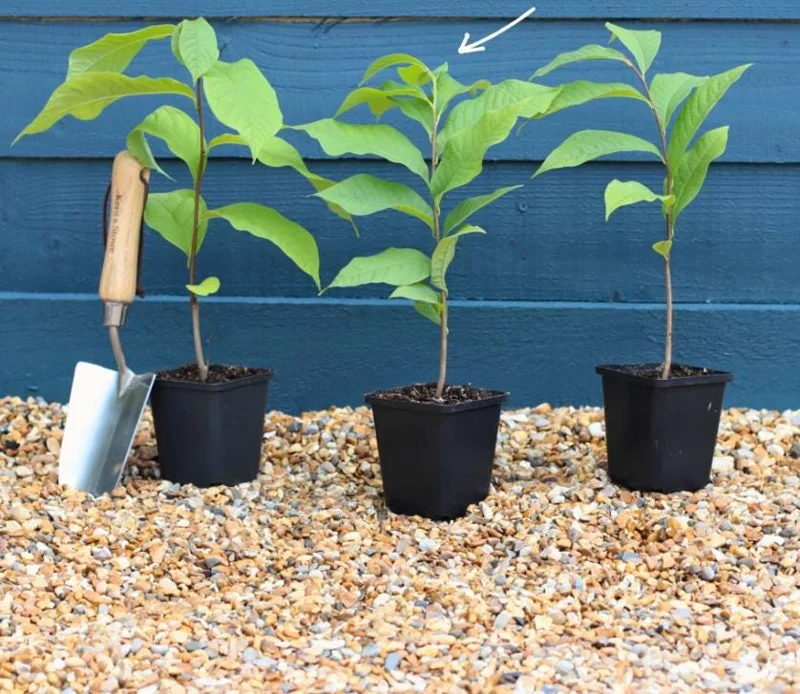
Bring the delightful taste of a true American native fruit to your garden with this paw paw live plant. Also known as the indian banana plant, the Paw Paw (Asimina triloba) is a unique deciduous fruit tree renowned for its creamy, custard-like fruit that offers a delicious blend of banana, mango, and melon flavors. This small to medium-sized tree is an excellent addition to any home orchard, edible landscape, or garden, providing both ornamental beauty and a bounty of nutritious fruit. Our young asimina triloba fruit tree is currently 6-12 inches tall, ready to establish itself and grow into a productive specimen. It’s a fantastic choice for those looking to add diverse and flavorful native fruit trees to their collection.
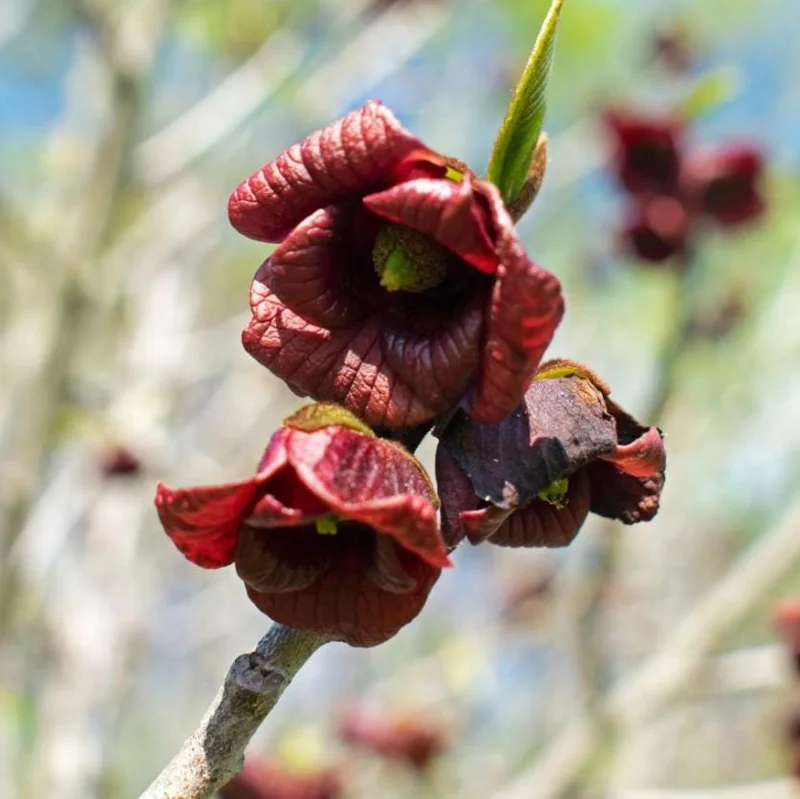
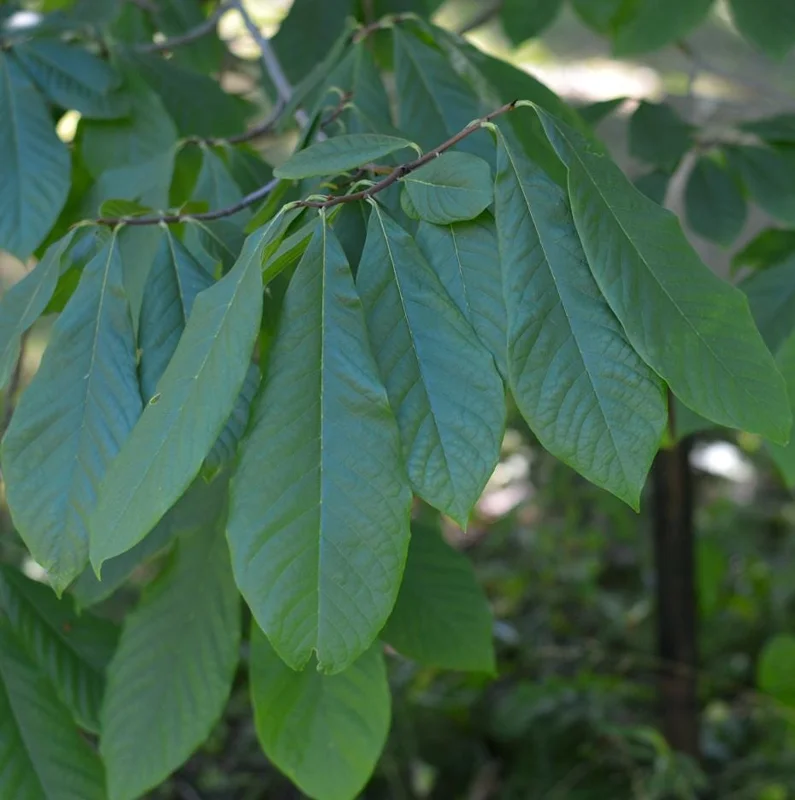
The Paw Paw is a fascinating plant with a rich history in North America. Its fruit is not only delicious but also packed with vitamins and antioxidants. Beyond its culinary appeal, the tree itself is quite attractive, featuring large, heart-shaped leaves that turn a vibrant yellow in the fall and unique, deep purple-maroon flowers that bloom in early spring before the leaves emerge. This adaptable tree is relatively low-maintenance once established, making it a rewarding choice for gardeners of all experience levels.
Key Benefits
Adding a paw paw live plant to your garden offers a multitude of benefits, from its unique fruit to its ecological contributions. This remarkable tree provides both aesthetic appeal and practical value, making it a standout choice for diverse landscapes.
- Unique Flavor Profile: Enjoy the exotic taste of Paw Paw fruit, a creamy, custard-like treat with notes of banana, mango, and melon. It’s a flavor unlike any other you can grow in your backyard.
- Native and Resilient: As a native fruit tree, Asimina triloba is well-adapted to many North American climates and soil types, making it relatively easy to care for and highly resilient once established.
- Nutrient-Rich Fruit: The Paw Paw fruit is a nutritional powerhouse, packed with vitamins, minerals, and antioxidants, contributing to a healthy diet directly from your garden.
- Ornamental Appeal: Beyond its fruit, the Paw Paw tree offers beautiful heart-shaped leaves that provide ample shade in summer and stunning yellow fall foliage. Its unusual purple flowers add early spring interest.
- Supports Local Ecosystems: Planting an indian banana plant helps support local wildlife, including various insect pollinators and fruit-eating animals, contributing to biodiversity in your area.
- Low Maintenance: Once established, Paw Paw trees require minimal care, thriving with basic watering and occasional fertilization, making them suitable for busy gardeners.
- Versatile Landscaping: This moderate-sized tree is perfect for home orchards, woodland gardens, or as a distinctive specimen in a mixed border, offering both food production and aesthetic value. Consider this asimina triloba fruit tree for its multi-faceted benefits.
Plant Care & Growing Tips
Caring for your paw paw live plant is straightforward, especially since it’s a native species well-suited to many climates. The Paw Paw thrives in USDA zones 5–9. When planting, choose a location with moist, well-drained soil. While it tolerates clay and loamy soil types, ensuring good drainage is crucial to prevent root rot. The ideal planting time is in spring or early fall, allowing the plant to establish its root system before extreme temperatures. Space plants 8–10 feet apart to allow for optimal growth and air circulation as they mature.
Sunlight requirements for Paw Paw trees are unique. While mature trees prefer partial to full sun for best fruit production, young seedlings like the one you receive benefit from some shade, especially during hot summers. This protection helps prevent leaf scorch and promotes healthy establishment. Water regularly, particularly during dry spells and throughout the first few years after planting. Consistent moisture is vital for the development of healthy roots and fruit. Fertilize sparingly with a balanced, slow-release fertilizer in spring, once the tree is established. Watch out for common pests and diseases; Paw Paws are generally resistant, but good air circulation and proper watering can prevent most issues. Understanding paw paw care will ensure a thriving tree.
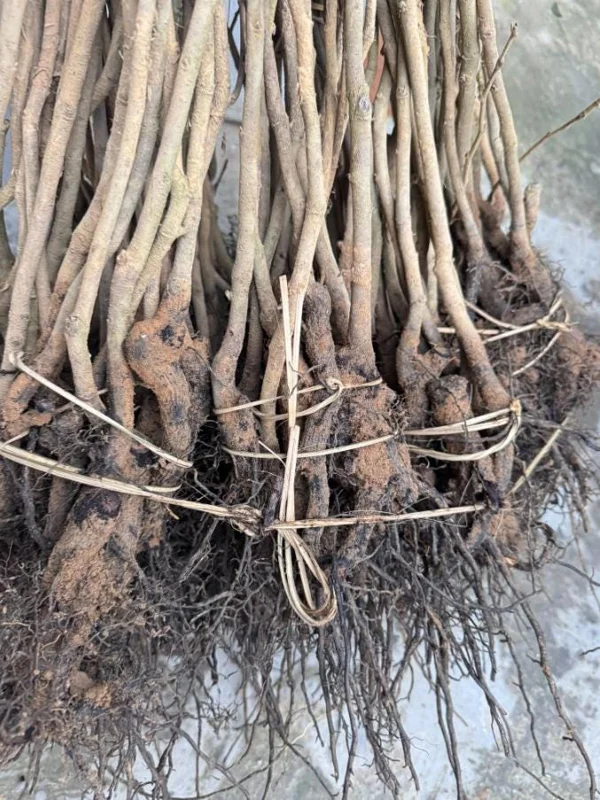
It’s important to note that Paw Paw trees are often dormant during shipping, especially outside of spring and summer. If your indian banana plant arrives without leaves, don’t worry – this is normal, and the plant is simply resting. New leaves will emerge as the season progresses. These native fruit trees are hardy and resilient, ready to burst into growth when conditions are right. Ensure you follow these guidelines for the best chance of success with your new asimina triloba fruit tree.
Size & Details
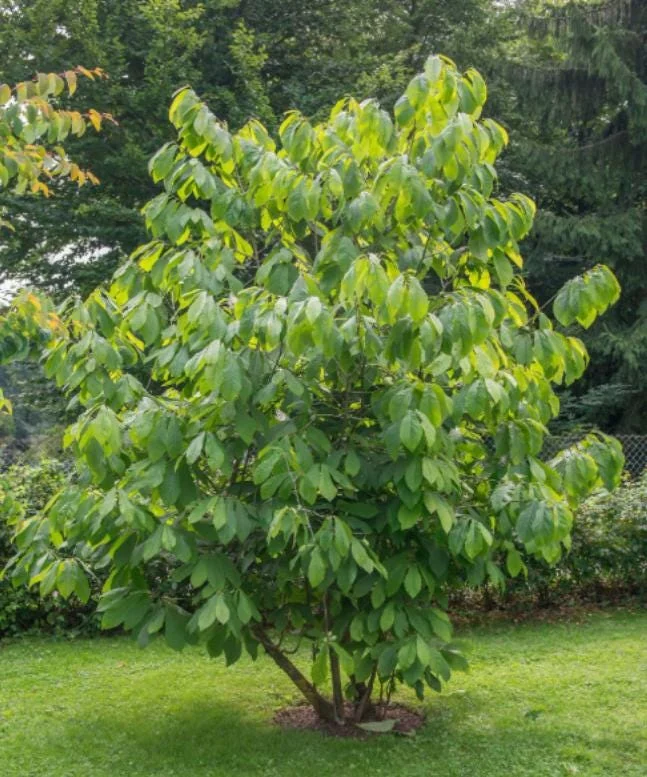
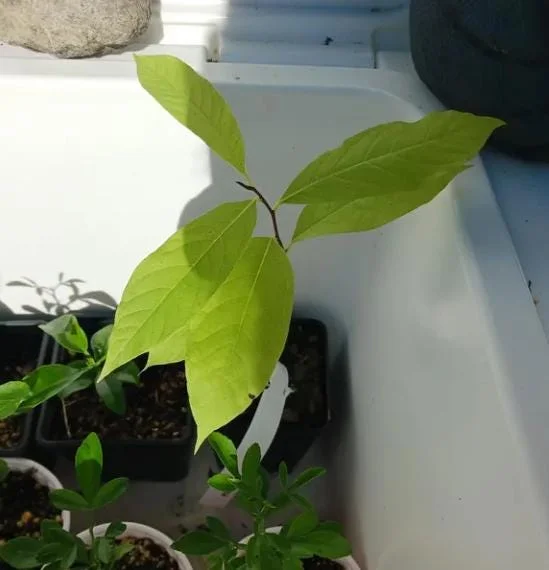
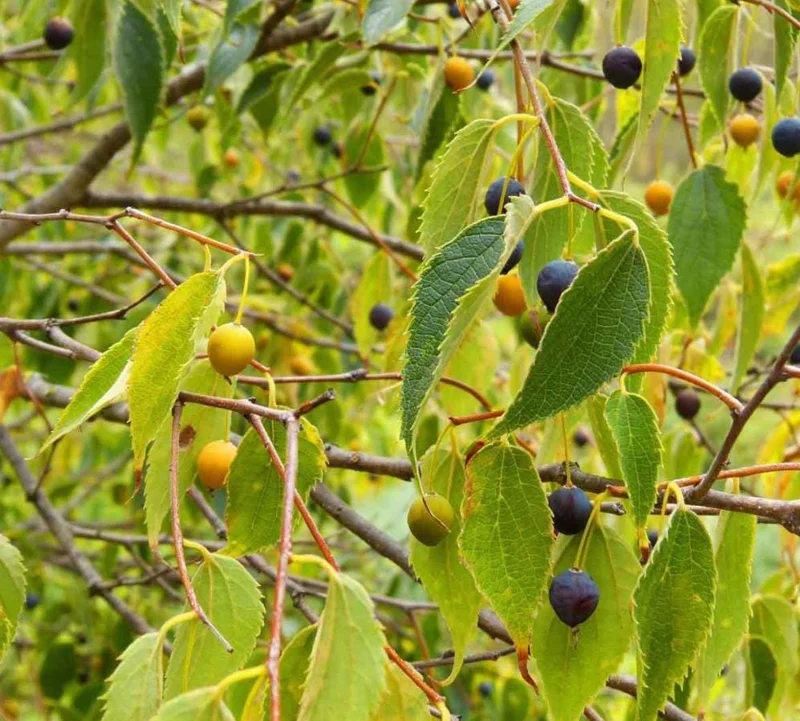
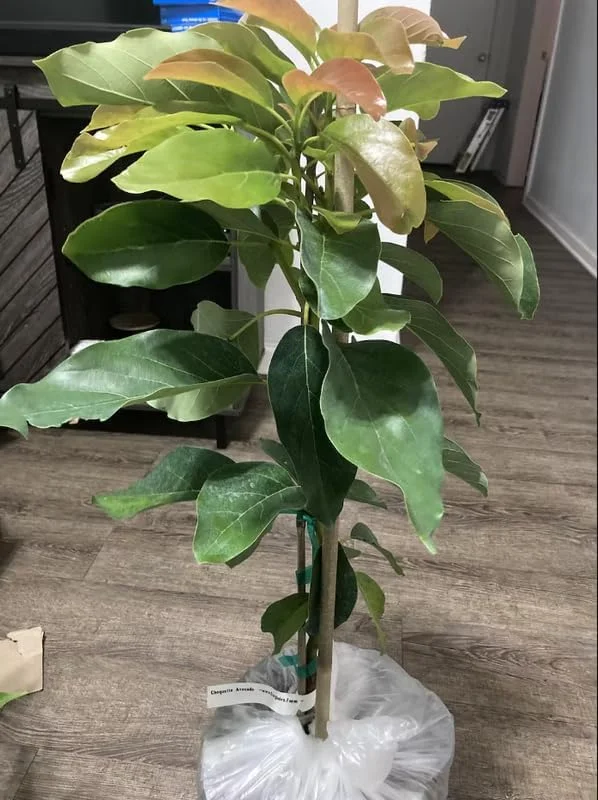
This offering is for one paw paw live plant, which will arrive as a young seedling approximately 6–12 inches tall, shipped in a quart pot. While the image may depict a mature tree, please expect a juvenile plant that will grow and mature over time. Paw Paw trees are known for their moderate growth rate, typically reaching a height of 15-20 feet at maturity, though some can grow taller. The fruit, often called the indian banana plant fruit, ripens in late summer to early fall, usually after the tree has been established for several years and begins to flower. Our plants are carefully packaged to ensure they arrive healthy and ready for planting.
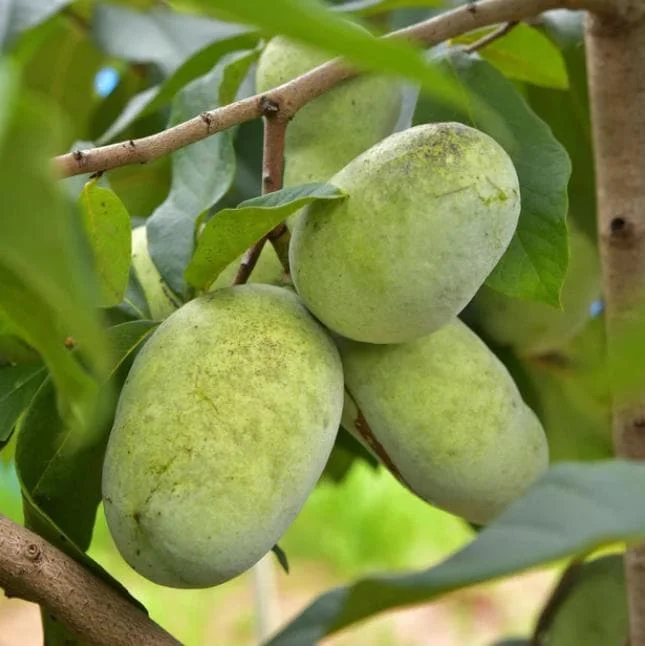
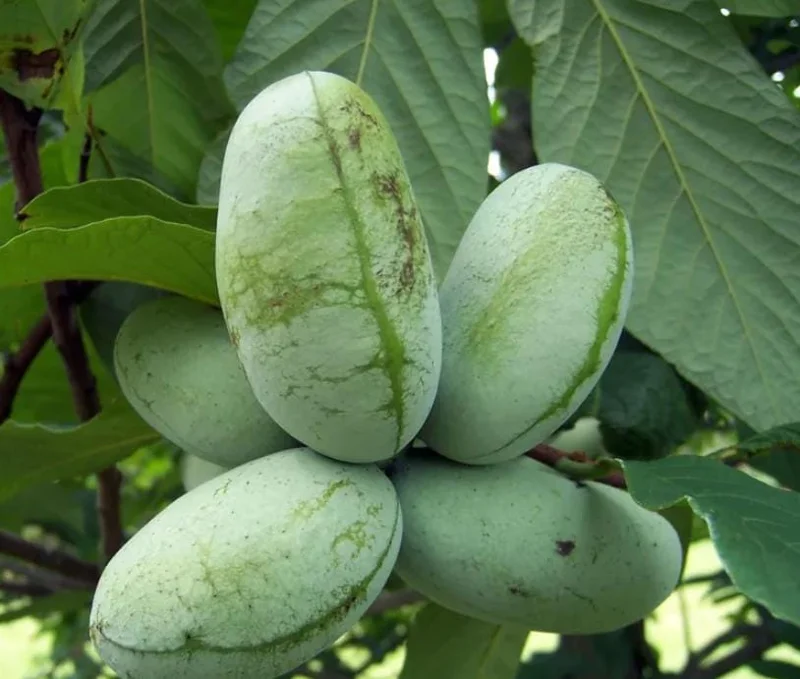
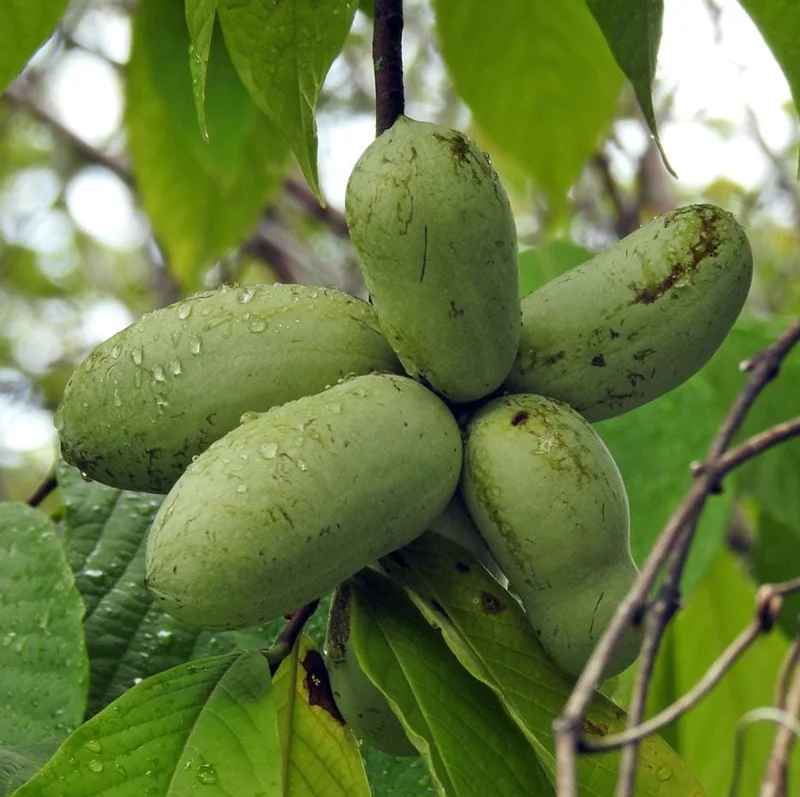
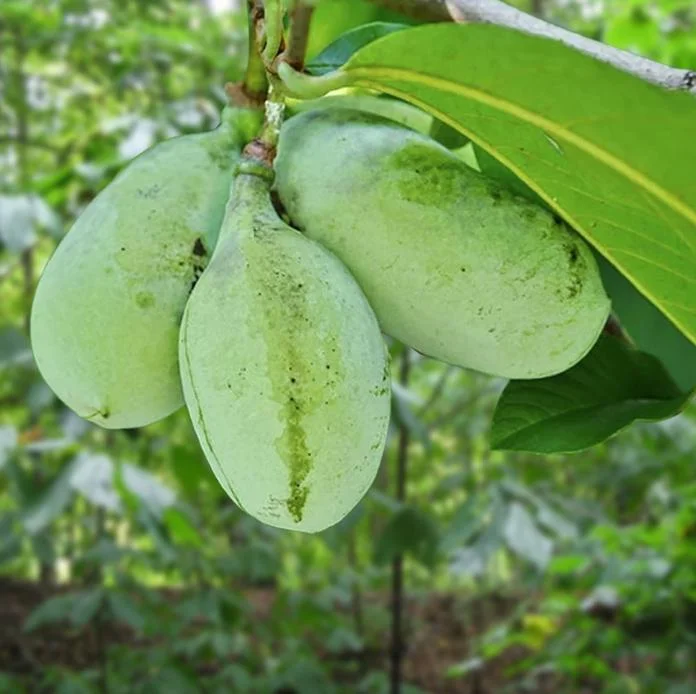
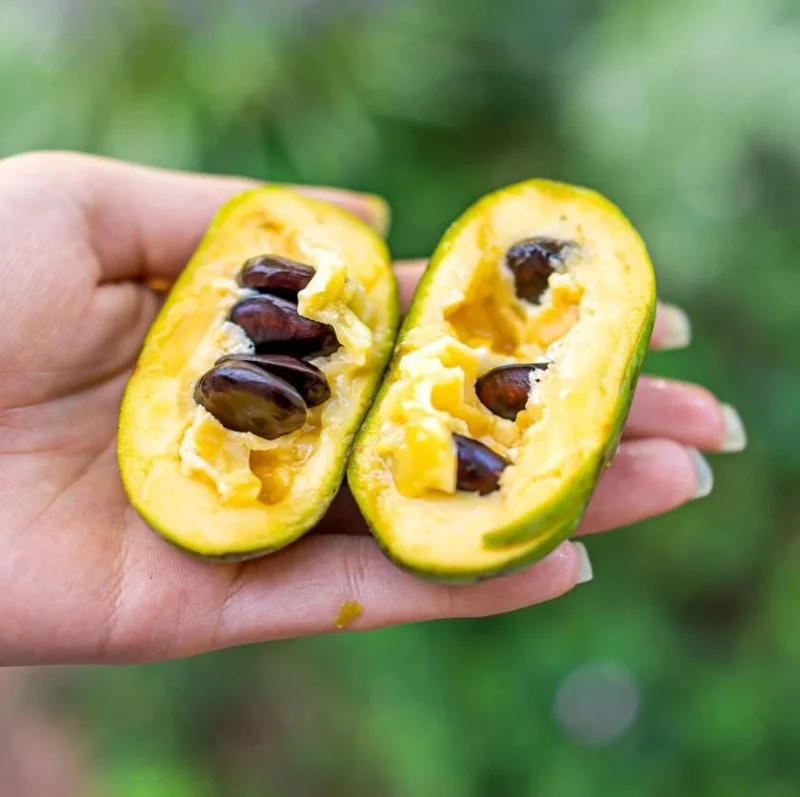
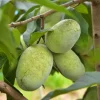
The fruit of the asimina triloba fruit tree is typically 3-6 inches long, with a smooth, thin skin and a creamy, yellow-orange flesh. These native fruit trees are deciduous, meaning they will lose their leaves in the fall and remain dormant through winter, providing a natural cycle of growth and rest. The size at shipping is ideal for transplanting and allowing the tree to adapt to its new environment, ultimately leading to a robust and productive fruit-bearing specimen with proper paw paw care.
Frequently Asked Questions
- Q: How big does this plant get? A: This paw paw live plant is shipped as a 6-12 inch seedling. At maturity, Paw Paw trees typically reach a height of 15-20 feet, with a spread of 10-15 feet, though they can sometimes grow larger under ideal conditions.
- Q: What size pot does it come in? A: Your indian banana plant will arrive in a quart-sized pot, providing a healthy root system for transplanting into your garden or a larger container.
- Q: Is this an indoor or outdoor plant? A: The Paw Paw (Asimina triloba) is an outdoor tree. It requires a significant amount of space and specific outdoor conditions to thrive and produce fruit.
- Q: How much sunlight does it need? A: While mature asimina triloba fruit tree prefers partial to full sun for best fruit production, young seedlings like this one benefit from partial shade, especially in hot afternoon sun, to prevent stress and encourage establishment.
- Q: Is this plant easy to care for? A: Yes, once established, Paw Paw trees are relatively low-maintenance. They are native trees, making them well-adapted to many North American environments and requiring minimal intervention beyond basic watering and occasional fertilization.
- Q: What condition will it arrive in? A: Your paw paw live plant will arrive as a young, healthy seedling. It may be dormant, especially during cooler months, so it is normal for it to have few or no leaves upon arrival.
- Q: When is the best time to plant? A: The best time to plant your native fruit tree is in spring or early fall, which allows the root system to establish before the stress of summer heat or winter cold.
- Q: Will it survive winter in my zone? A: Paw Paw trees are hardy in USDA zones 5-9. If you are within these zones, your plant should survive winter outdoors. For zones at the colder end, consider providing some winter protection for the first year or two.
- Q: How long until it produces fruit? A: A paw paw live plant typically starts producing fruit 3-5 years after planting, once it has reached a sufficient size and maturity to flower and set fruit.
- Q: Do I need more than one plant for fruit? A: While some Paw Paw varieties are self-fertile, cross-pollination between two genetically different trees generally results in much better fruit set and yield. It’s recommended to plant at least two different varieties of asimina triloba fruit tree for optimal production.



Reviews
There are no reviews yet.