Overview
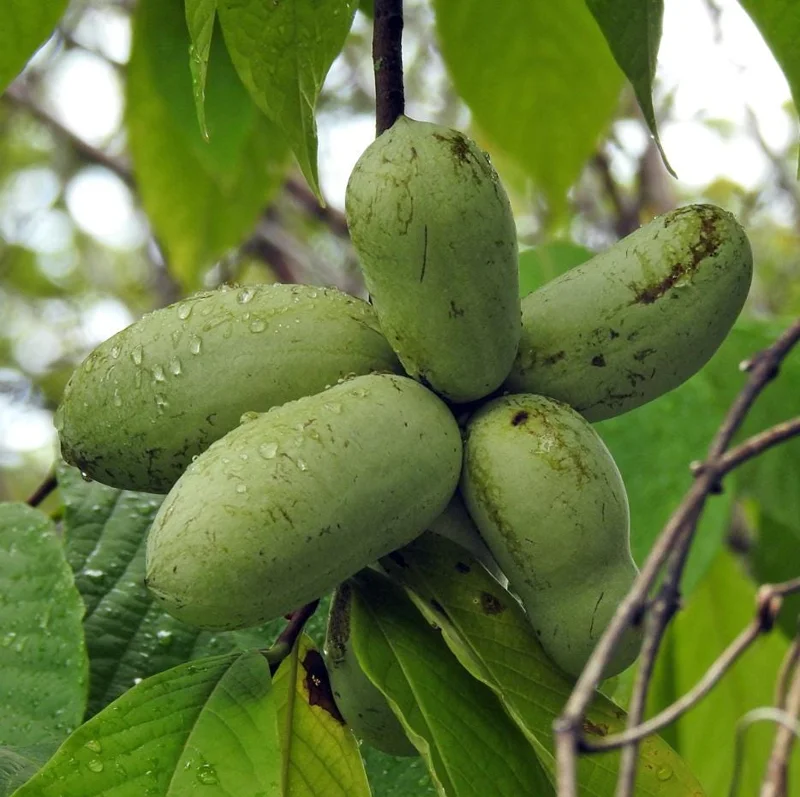
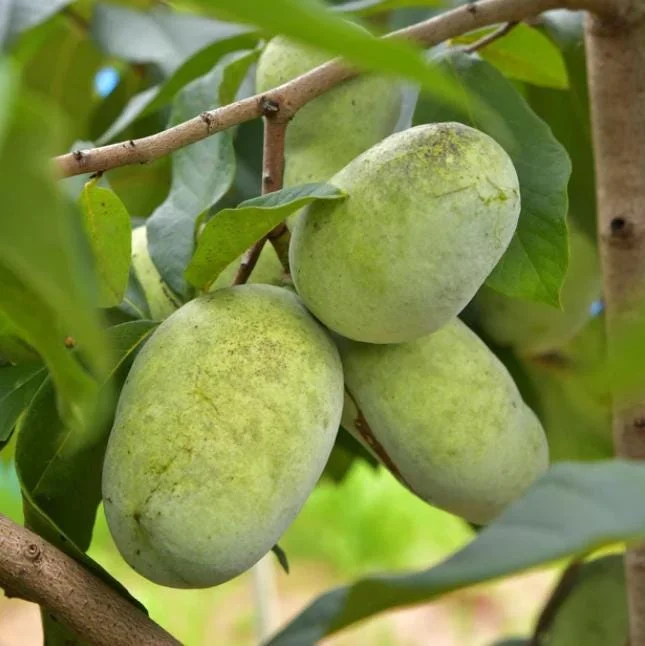
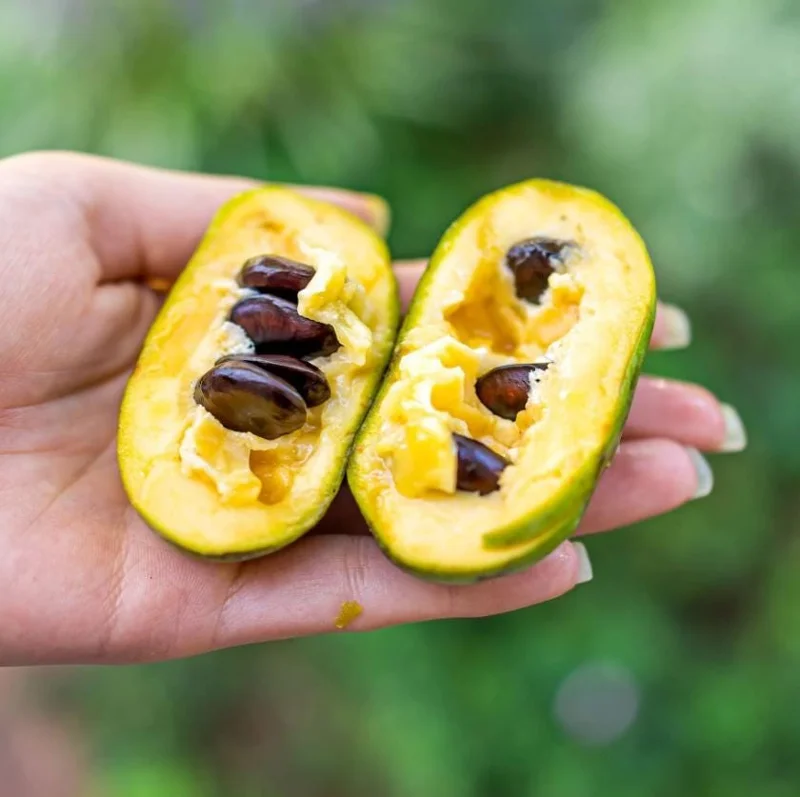
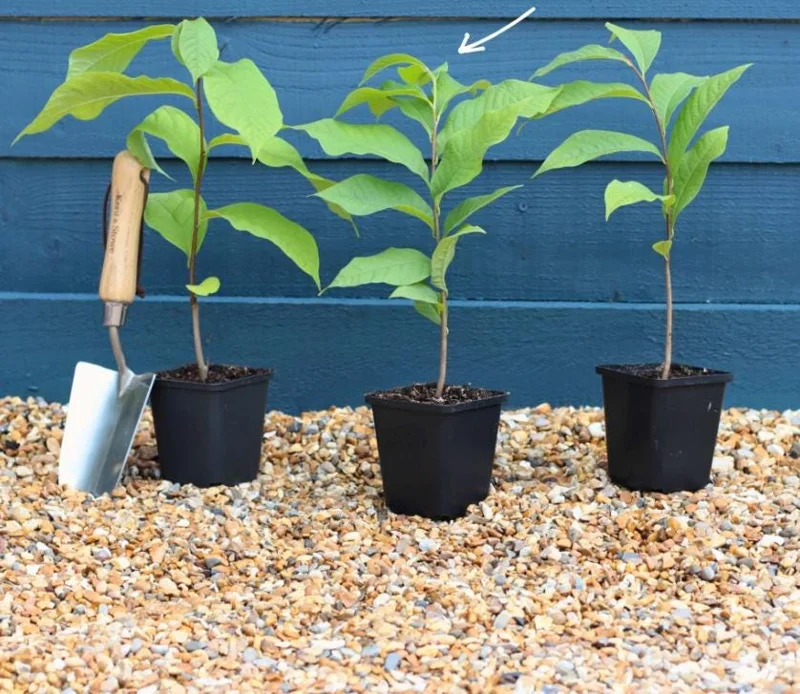
Embark on a unique gardening journey with the paw paw tree live plant. This intriguing native fruit tree, scientifically known as Asimina triloba and often called Indian Banana, is a must-have for any fruit enthusiast or gardener looking to cultivate something truly special. Originating from North America, the Paw Paw produces creamy, custard-like fruits that offer a delightful blend of banana, mango, and melon flavors. Our offering is a young seedling, typically 6-12 inches tall, ready to establish itself in your garden or home orchard. It’s a deciduous tree, meaning it will shed its leaves in the fall and enter dormancy, a natural and healthy process for its growth cycle.
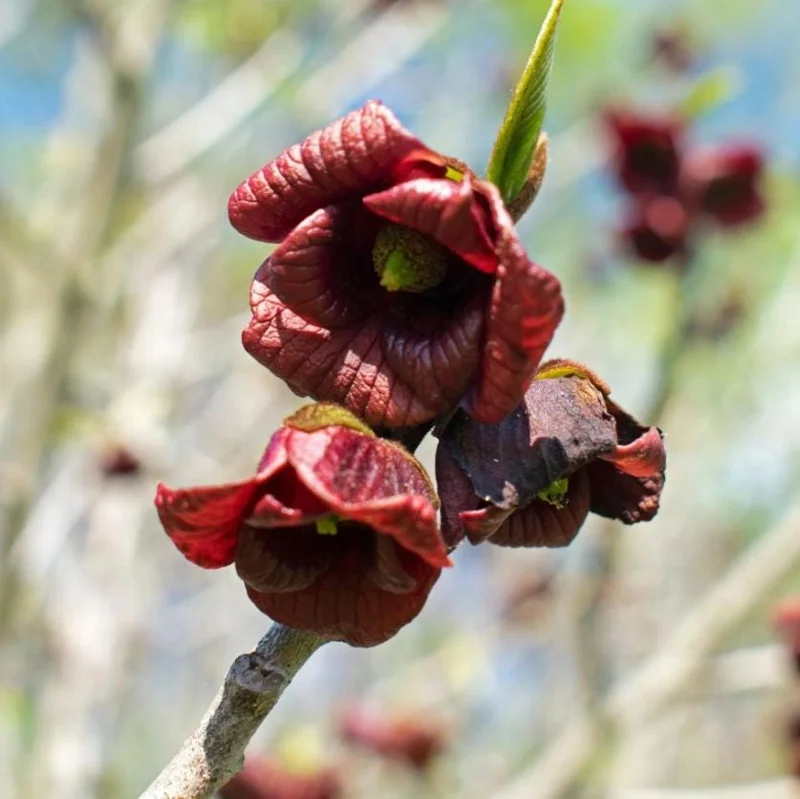
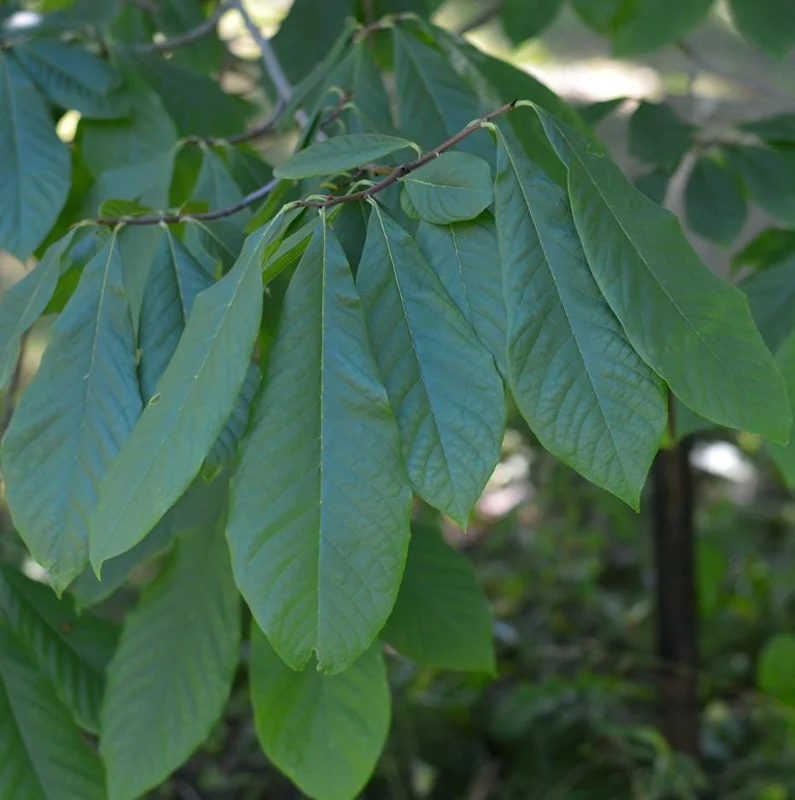
The paw paw tree live plant is a small to medium-sized tree, making it suitable for various garden sizes and edible landscapes. Its heart-shaped leaves provide textural interest, and its unique, subtle purple-maroon flowers emerge in early spring, signaling the start of the growing season. The fruit ripens in late summer to early fall, providing a bounty of nutritious, antioxidant-rich treats. This resilient tree thrives in a range of soil types, including clay and loamy soils, making it a versatile choice for many growing environments.
Key Benefits
Adding a paw paw tree live plant to your garden offers a multitude of benefits, from its unique fruit to its aesthetic appeal and ecological value. This remarkable tree is not just a producer of delicious fruit; it’s also a robust and relatively low-maintenance addition to your landscape.
- Unique & Delicious Fruit: Enjoy the exotic, custard-like flavor of Paw Paw fruit, often described as a mix of banana, mango, and melon. This native delicacy is rarely found in stores, making home cultivation a special treat. The paw paw fruit tree provides a harvest rich in vitamins and antioxidants.
- Native & Resilient: As a native North American species, the Paw Paw tree is well-adapted to local climates (USDA Zones 5-9) and requires less intervention than many non-native fruit trees. It’s known for its hardiness and ability to thrive in various soil conditions.
- Ornamental Value: Beyond its fruit, the Paw Paw tree offers attractive heart-shaped leaves that turn a beautiful yellow in the fall, along with unique purple-maroon flowers in spring, adding visual interest to your garden.
- Low Maintenance: Once established, the asimina triloba plant is relatively easy to care for, requiring consistent watering, especially during dry spells, and minimal pruning. Its natural resistance to many pests and diseases makes it a gardener’s friend.
- Supports Local Wildlife: The Paw Paw tree serves as a host plant for the Zebra Swallowtail butterfly, contributing to local biodiversity and attracting beautiful pollinators to your garden.
- Edible Landscaping: Perfect for creating an edible landscape, this small fruit tree can be integrated into food forests, home orchards, or even as an attractive specimen tree in a garden bed.
- Nutrient-Rich Harvest: The fruits are packed with vitamins, minerals, and antioxidants, offering a healthy and delicious addition to your diet straight from your backyard.
Plant Care & Growing Tips
Cultivating a paw paw tree live plant is a rewarding experience, and with the right care, your tree will flourish and produce delicious fruit. Paw Paws generally prefer a slightly acidic to neutral soil pH, and while they tolerate various soil types, good drainage is crucial to prevent root rot. When planting, ensure the root ball is not buried too deeply. For young trees, providing some shade during the hottest part of the day is beneficial, especially in warmer climates, as they are often understory trees in their natural habitat. As they mature, they can tolerate more sun, leading to better fruit production.
Watering is essential, especially for young trees and during dry periods. Aim for consistently moist soil without being waterlogged. Fertilize sparingly in the spring with a balanced, slow-release fertilizer designed for fruit trees, avoiding high-nitrogen formulas. The native fruit tree is hardy in USDA zones 5-9. In colder zones, ensure adequate mulching around the base of the tree to protect roots during winter. Paw Paw trees are generally pest and disease resistant, but monitor for any issues and address them promptly. Pruning should focus on removing dead or crossing branches and maintaining an open canopy for air circulation and light penetration.
While indian banana plant seedlings may arrive dormant or with some leaf drop, this is completely normal and no cause for concern. The plant is simply conserving energy and will leaf out beautifully when conditions are right. Plant your Paw Paw in spring or early fall, spacing them 8-10 feet apart for optimal growth. They can be grown in partial to full shade, with some shade being particularly beneficial during hot summers to prevent leaf scorch. Consistent care will ensure your paw paw tree live plant establishes well and eventually yields its unique and flavorful fruit.
Size & Details
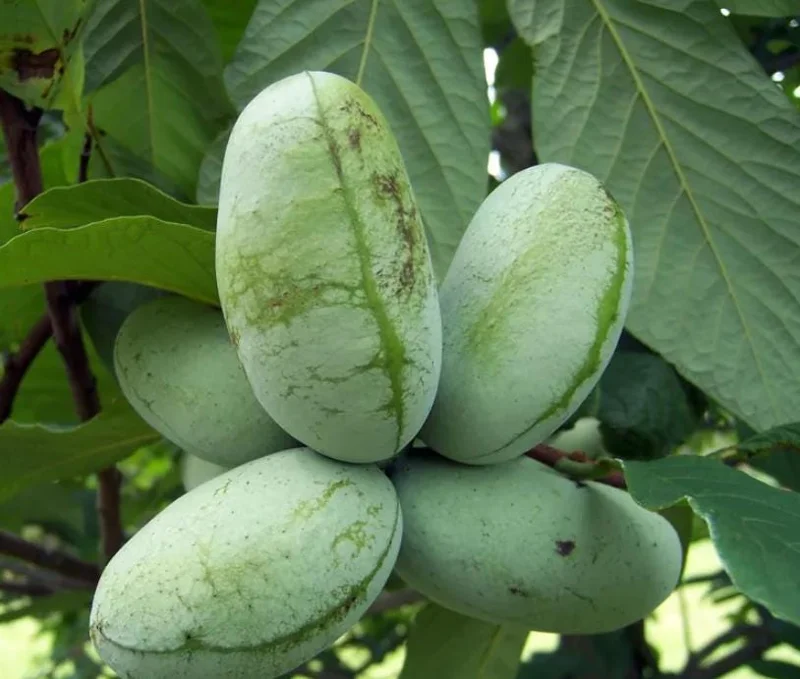
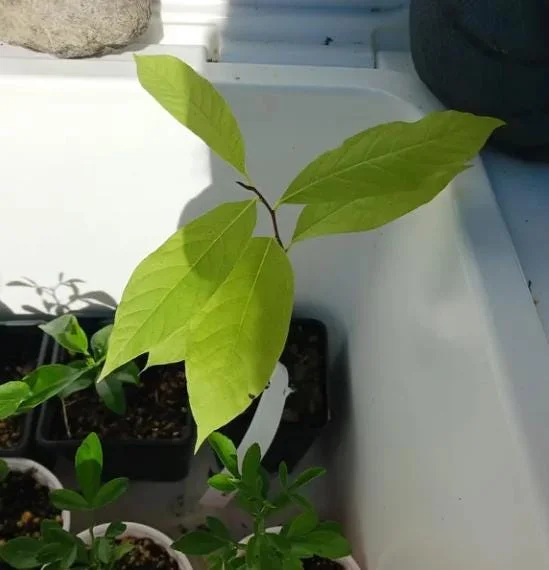
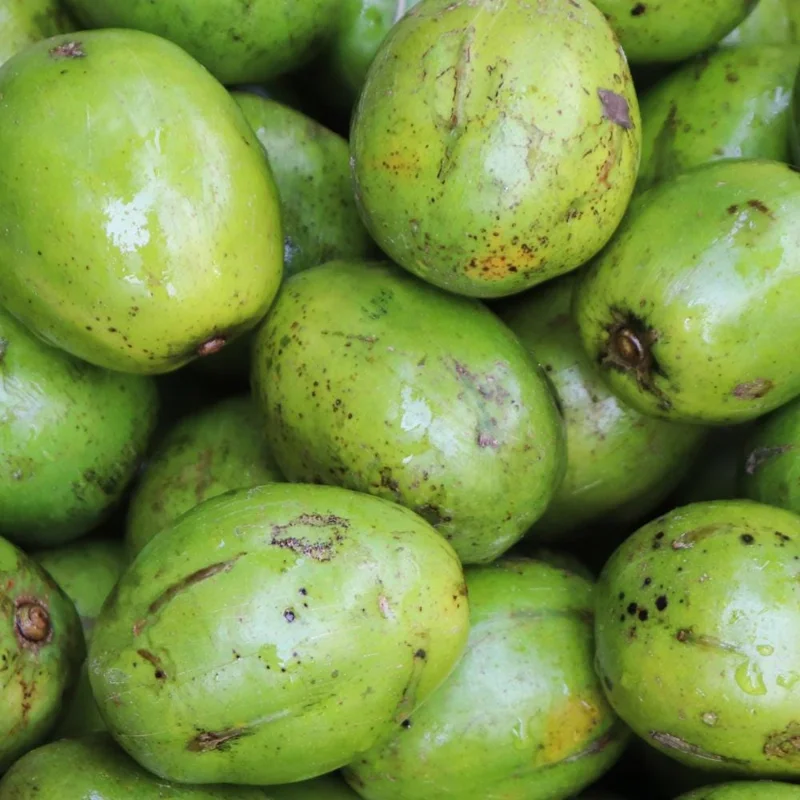
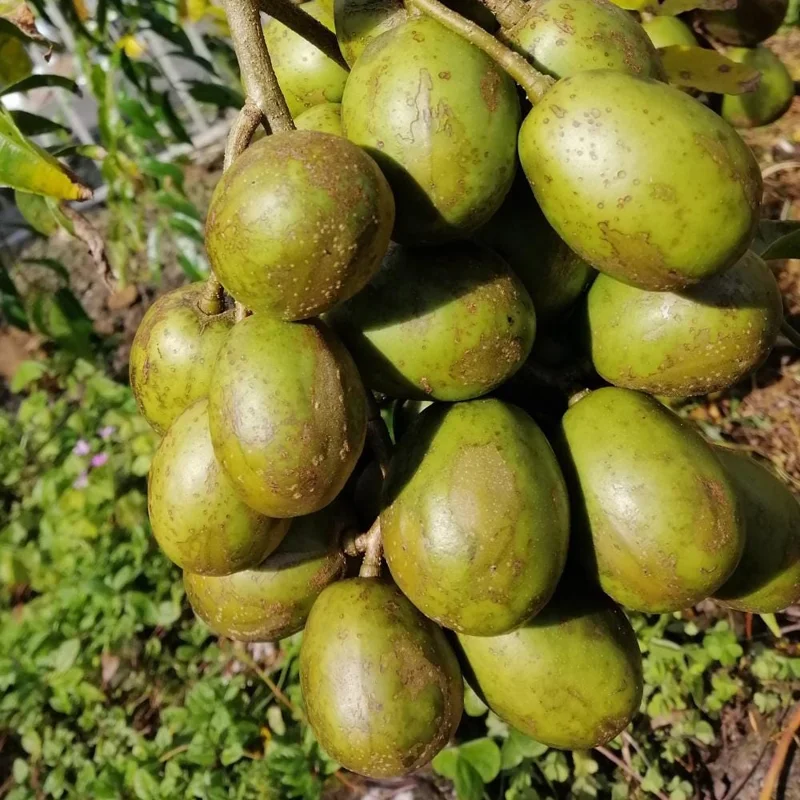
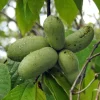
This offering is for one paw paw tree live plant, shipped as a young seedling in a quart pot. The plant height at shipping typically ranges from 6 to 12 inches tall, providing a healthy start for your garden. The species is Asimina triloba, known for its small, deciduous tree habit. It’s ideal for fruit orchards, garden landscapes, and edible landscaping projects. The fruit, when mature, is banana-like in appearance with a creamy, custard texture, ripening in late summer to early fall.
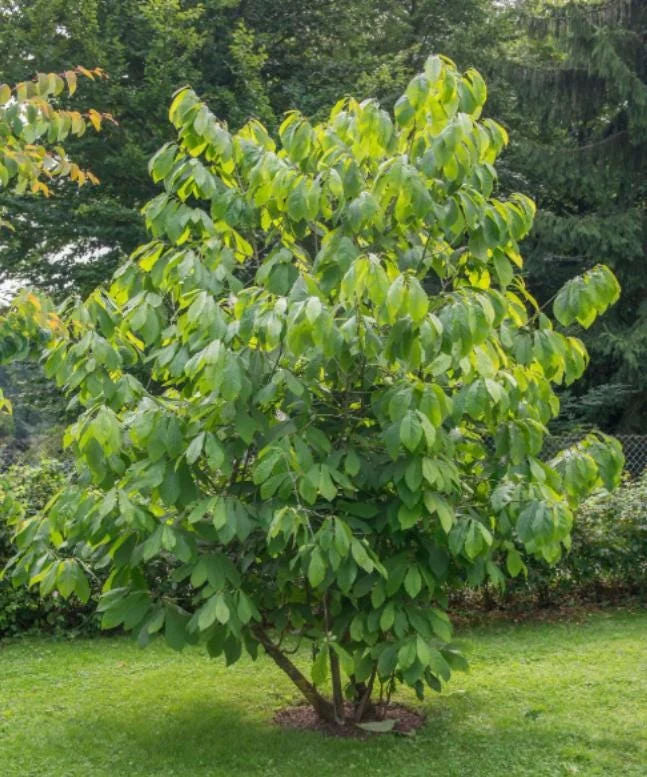
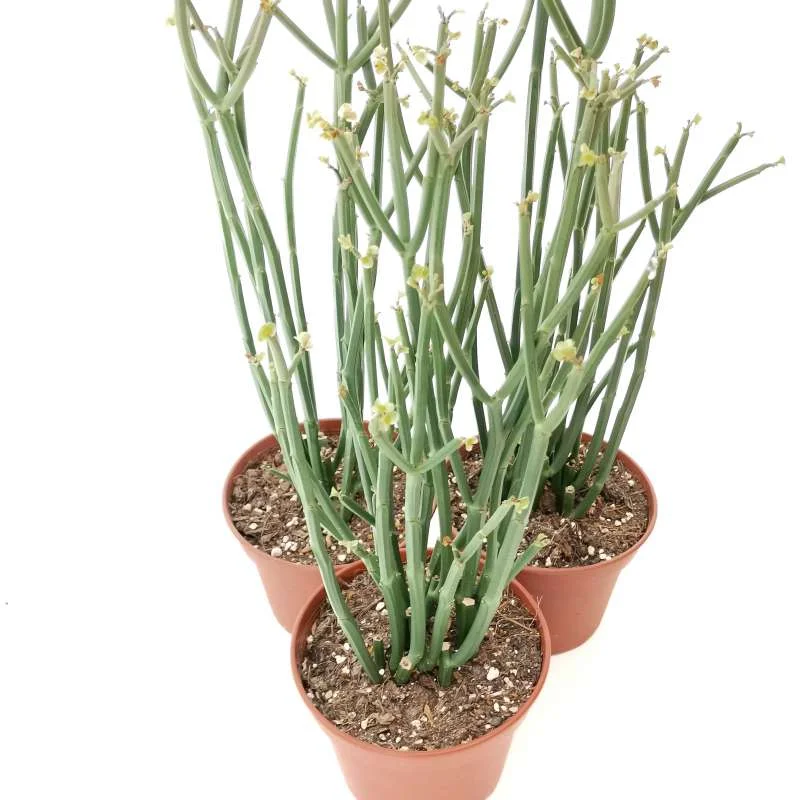
Expected growth rate for Paw Paws varies, but they can reach mature heights of 15-30 feet, often with a similar spread, creating a rounded canopy. While the plant you receive is a young seedling, with proper care and time, it will grow into a robust fruit-bearing tree. Please note that the first image often depicts a mature tree or fruit, while the plant shipped is a juvenile specimen. This paw paw fruit tree is a long-term investment, offering years of enjoyment and delicious, homegrown fruit.
Frequently Asked Questions
- Q: How big will this Paw Paw tree get? A: This paw paw tree live plant is a young seedling, typically 6-12 inches tall at shipping. Mature Paw Paw trees can reach heights of 15-30 feet with a similar spread, forming a rounded, attractive canopy in your garden.
- Q: What size pot does it come in? A: The asimina triloba plant is shipped in a quart-sized pot, providing a good root system for transplanting into your garden or a larger container.
- Q: Is this an indoor or outdoor plant? A: The Paw Paw tree is an outdoor fruit tree, best suited for planting directly in the ground in USDA Zones 5-9. While it can be grown in a large container temporarily, it thrives when established in a garden landscape.
- Q: How much sunlight does it need? A: Young native fruit tree seedlings prefer partial shade, especially during hot summers. As they mature, they can tolerate more sun, which can lead to better fruit production, though some afternoon shade is still beneficial in warmer climates.
- Q: Is this plant easy to care for? A: Once established, the Paw Paw tree is relatively low-maintenance. It requires consistent watering, especially when young, and occasional fertilization. It’s known for its resilience and natural resistance to many pests and diseases.
- Q: What condition will it arrive in? A: Your indian banana plant may arrive dormant or with some leaves dropped, which is normal for deciduous trees. This indicates the plant is healthy and resting, ready to produce new growth when the season returns.
- Q: How long until it blooms and fruits? A: Paw Paw trees typically begin to flower and produce fruit within 5-7 years after planting, depending on growing conditions and care. Patience is key for enjoying the delicious harvest from your paw paw fruit tree.
- Q: Can I grow this Paw Paw tree in my climate? A: Paw Paw trees thrive in USDA hardiness zones 5 through 9. If you live within these zones, your climate is generally suitable for growing this unique fruit tree.




Reviews
There are no reviews yet.