Overview
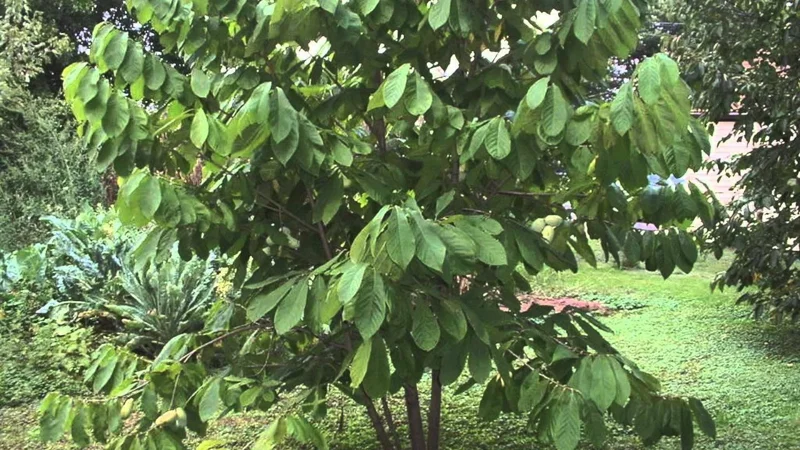
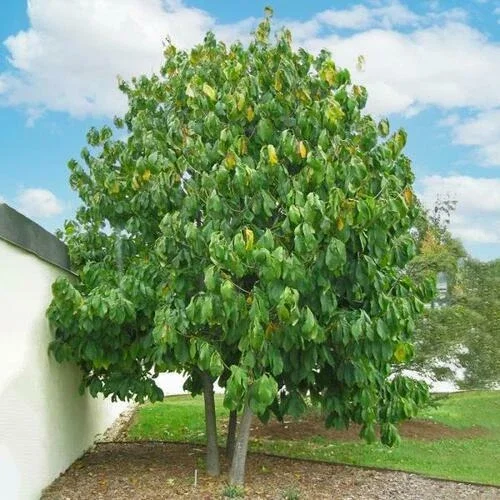
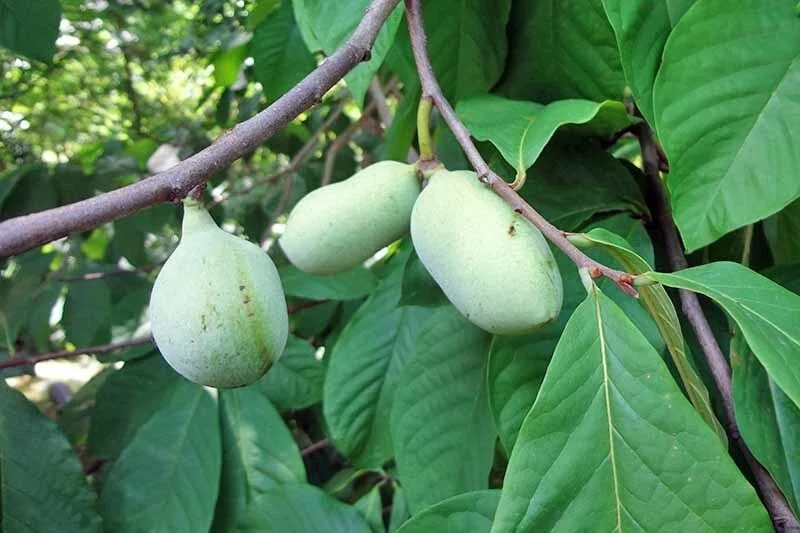
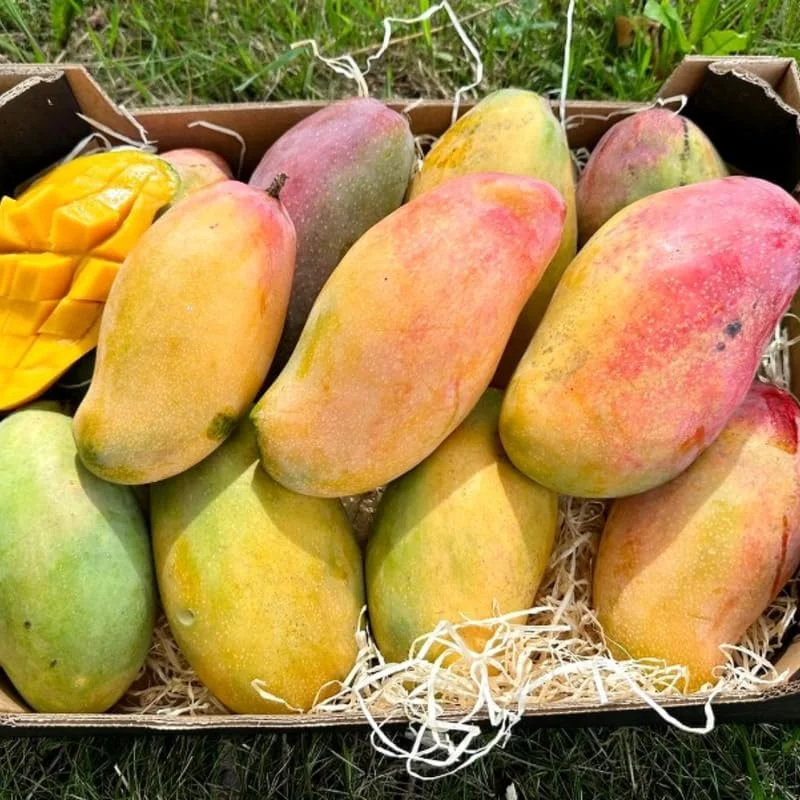
Embark on a rewarding gardening journey with this set of two paw paw live plant specimens. The Paw Paw (Asimina triloba tree) is a remarkable native North American fruit tree, cherished for its unique, tropical-tasting fruit. Often described as a blend of banana, mango, and pineapple, the paw paw fruit ripens in late summer to early fall, offering a delightful culinary experience. These live plants arrive as bare roots, ready for planting, ensuring a fresh start for your garden. Growing to a mature height of 15-20 feet, the paw paw live plant is an excellent choice for adding both ornamental beauty and edible bounty to your landscape. This particular offering includes a set of two trees, an ideal number for ensuring cross-pollination and a bountiful harvest, as most paw paw varieties require another genetically different paw paw for optimal fruit production.
Key Benefits
Adding a paw paw fruit tree to your garden offers a multitude of benefits, from delicious fruit to ecological advantages. These trees are not only a source of unique produce but also contribute to a healthier environment.
- Unique Edible Fruit: Enjoy the distinct, tropical flavor of paw paw fruit, a rare treat that is difficult to find in commercial markets. This makes growing paw paw a truly special endeavor for any home gardener.
- Native & Resilient: As a native North American species, the Asimina triloba tree is well-adapted to various climates and soil conditions, making it relatively low-maintenance once established.
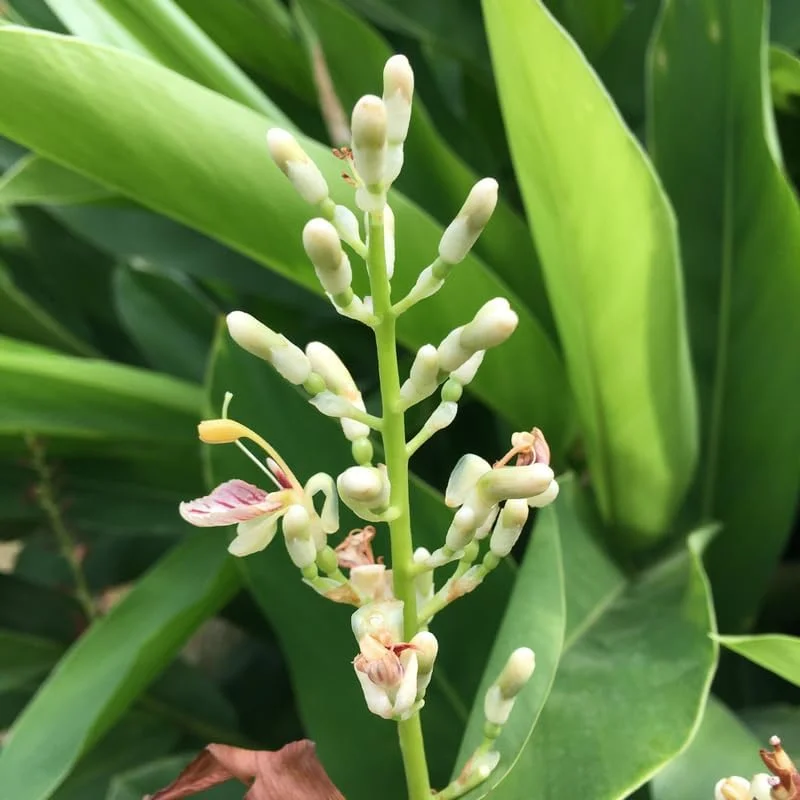
- Ornamental Value: Beyond its fruit, the paw paw tree boasts attractive foliage and unique purplish-brown flowers in spring, adding visual interest to your garden.
- Wildlife Attractor: The paw paw is a host plant for the zebra swallowtail butterfly, providing essential habitat and attracting beautiful pollinators to your yard. This contributes to a vibrant and diverse ecosystem around your paw paw live plant.
- Shade Tolerance: Unlike many fruit trees, young paw paw trees thrive in partial shade, making them suitable for understory planting or areas with dappled sunlight.
- Nutrient-Rich Produce: Paw paw fruit is packed with vitamins, minerals, and antioxidants, offering a healthy and delicious addition to your diet.
- Drought Resistance: Once mature, paw paw fruit tree specimens exhibit good drought tolerance, reducing the need for frequent watering.
Plant Care & Growing Tips
Proper care is essential for a thriving paw paw live plant. These trees prefer a site with well-draining, slightly acidic to neutral soil (pH 5.5-7.0). While young paw paws tolerate partial shade, mature trees require full sun for optimal fruit production, ideally 6-8 hours of direct sunlight per day. When planting your Asimina triloba tree, dig a hole twice as wide as the root ball and just as deep. Amend heavy clay soils with organic matter to improve drainage. Water newly planted trees regularly to keep the soil consistently moist but not waterlogged. Once established, they are more drought-tolerant but will benefit from deep watering during dry spells. Fertilize in early spring with a balanced, slow-release fertilizer designed for fruit trees. Protect young trees from strong winds and intense afternoon sun during their first year. Pruning is generally minimal, focusing on removing dead, damaged, or crossing branches to maintain good air circulation and shape. Watch out for common pests like the paw paw peduncle borer and diseases such as powdery mildew, though paw paws are generally considered robust plants. Understanding paw paw tree care will lead to a successful harvest.
Size & Details
This offering includes a set of two paw paw live plant specimens, each measuring approximately 8 to 12 inches in height. These are bare root seedlings, meaning they are shipped without soil around their roots, which is a common and effective method for dormant trees. Bare root plants are typically more economical and establish quickly once planted. These Asimina triloba trees are young and will require a few years to reach fruit-bearing maturity, typically beginning to produce fruit within 3-5 years under ideal conditions. They are deciduous trees, shedding their leaves in the fall and entering a dormant state for winter. When mature, these trees can reach a height of 15-20 feet with a spread of 10-15 feet, forming a beautiful, small understory tree or a prominent feature in a sunny garden. The green foliage provides a lush appearance throughout the spring and summer before turning a lovely yellow in the fall.
Frequently Asked Questions
- Q: How big will these paw paw live plants get? A: These paw paw live plant specimens are currently 8-12 inches tall. When mature, a paw paw fruit tree typically reaches a height of 15-20 feet with a spread of 10-15 feet, making them a medium-sized tree for most landscapes.
- Q: Is this an indoor or outdoor plant? A: The Asimina triloba tree is an outdoor plant. It is a deciduous fruit tree native to North America and requires exposure to seasonal changes to thrive and produce fruit.
- Q: How much sunlight does a paw paw tree need? A: While young paw paw trees can tolerate partial shade, mature trees require at least 6-8 hours of direct sunlight per day for optimal fruit production. Partial shade in the afternoon can be beneficial in hot climates.
- Q: Is this plant easy to care for? A: Paw paw trees are generally considered low to moderate maintenance once established. Initial paw paw tree care involves consistent watering and protection from harsh elements, but they become quite resilient as they mature.
- Q: What condition will the plants arrive in? A: These are shipped as bare root live plants, meaning they will arrive dormant and without soil around their roots. This is a standard and effective shipping method for ensuring plant health.
- Q: When is the best time to plant these paw paw trees? A: The best time for growing paw paw bare root trees is in early spring, as soon as the soil can be worked and before the plants break dormancy.
- Q: What is the ideal soil for a paw paw tree? A: Paw paw trees prefer moist, well-draining, slightly acidic to neutral soil (pH 5.5-7.0) rich in organic matter.
- Q: How long until these trees produce fruit? A: Typically, a paw paw fruit tree grown from a bare root seedling will begin to produce fruit within 3-5 years after planting, given proper care and environmental conditions.
- Q: Do I need more than one paw paw tree for fruit? A: Yes, most paw paw varieties require cross-pollination from another genetically different paw paw tree to produce fruit. This set includes two plants, which is a good start.
- Q: Will these trees survive winter in my zone? A: The Asimina triloba tree is hardy in USDA Zones 5-9, making it suitable for a wide range of climates. They are well-adapted to cold winters.




Reviews
There are no reviews yet.