Overview
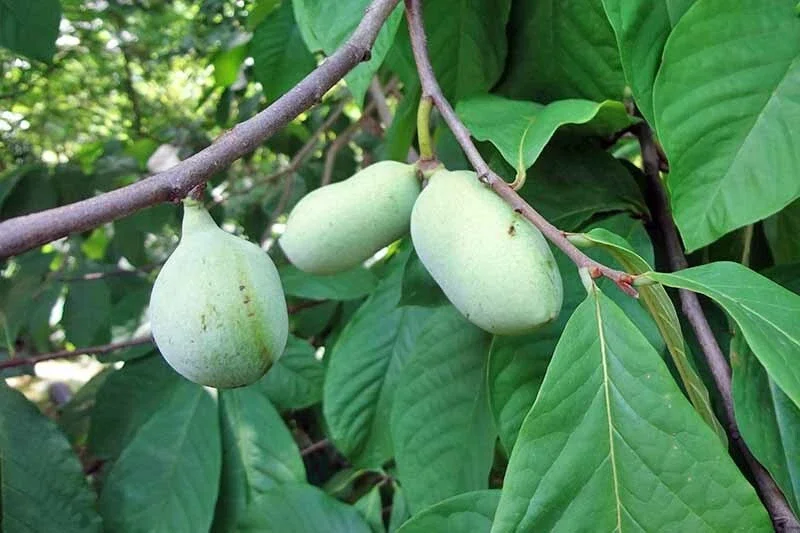
Embark on a rewarding gardening journey with this set of two Paw Paw tree live plant seedlings. The Paw Paw, scientifically known as Asimina triloba, is a unique and often underappreciated native North American fruit tree renowned for its delicious, tropical-flavored fruit. These young trees, measuring 8 to 12 inches tall, are shipped as bare roots, ensuring they are ready for successful transplanting into your garden. The Paw Paw tree is known for its resilience and adaptability, making it an excellent choice for both experienced gardeners and those looking to explore unusual fruit varieties. Its distinct flavor, often described as a blend of banana, mango, and pineapple, makes it a true culinary delight. Growing your own Paw Paw fruit tree not only provides a source of fresh, organic produce but also adds a touch of natural beauty and ecological benefit to your landscape.
Key Benefits
Growing Paw Paw trees offers a multitude of benefits, from their unique fruit to their environmental contributions. These trees are a fantastic addition to any edible landscape, providing both aesthetic appeal and a bountiful harvest.
- Unique Edible Fruit: Enjoy the sweet, custardy fruit of the Paw Paw, often called the ‘poor man’s banana.’ This distinctive flavor profile is a rare treat, offering a taste of the tropics right in your backyard. The fruit is also rich in vitamins and minerals.
- Native & Resilient: As a native North American species, the Asimina triloba is well-adapted to various climates and soil conditions, particularly within its natural range. This makes it a relatively low-maintenance option for gardeners.
- Wildlife Attractor: Paw Paw trees serve as a host plant for the beautiful Zebra Swallowtail butterfly, adding vibrant life and biodiversity to your garden. The fruit also attracts various other wildlife.
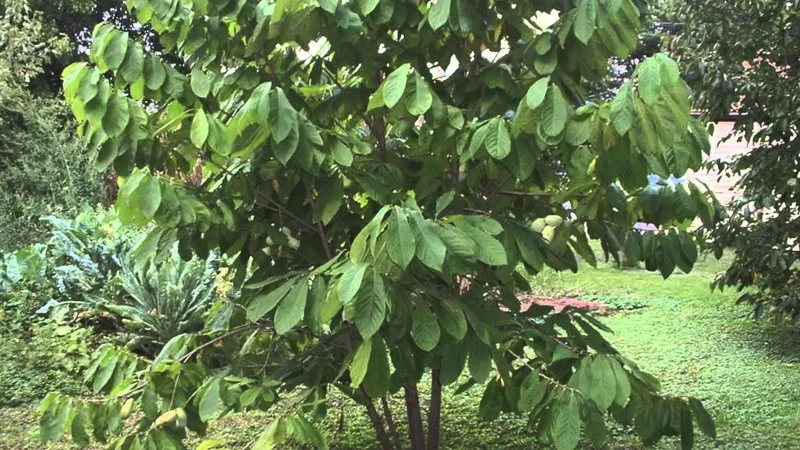
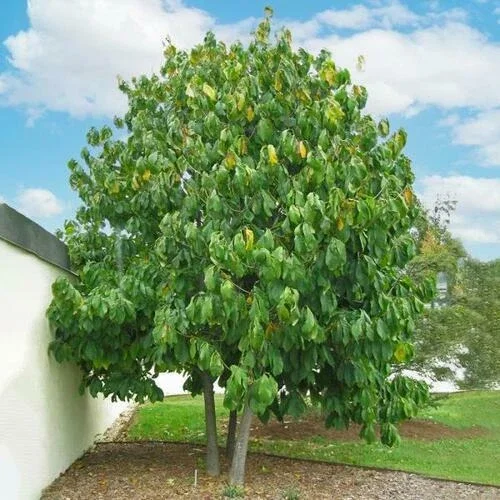
- Shade & Landscape Value: With its broad, deep green leaves, the Paw Paw tree provides excellent shade and a lush, ornamental presence. It develops an attractive pyramidal shape, enhancing garden aesthetics.
- Easy to Grow from Bare Root: These bare root Paw Paw seedlings are an economical and effective way to establish new trees. Bare roots typically establish quickly when planted correctly, allowing for robust growth.
- Adaptable to Various Light Conditions: While Paw Paws prefer full sun for optimal fruiting, they can tolerate partial shade, especially when young, making them versatile for different garden spots.
- Natural Pest Resistance: Paw Paws generally exhibit good resistance to many common pests and diseases, reducing the need for chemical interventions and promoting a healthier garden ecosystem.
Plant Care & Growing Tips
Proper Asimina triloba care is essential for establishing healthy and productive Paw Paw trees. These trees are relatively forgiving, but understanding their specific needs will ensure the best results. When planting your Paw Paw tree live plant, choose a location that receives full sun to partial shade. While young trees benefit from some afternoon shade to prevent leaf scorch, mature trees require at least 6-8 hours of direct sunlight for optimal fruit production. The ideal soil for Paw Paws is well-draining, fertile, and slightly acidic to neutral (pH 5.5-7.0). Incorporate organic matter like compost to improve soil structure and nutrient content. Ensure the planting site has good drainage to prevent root rot.
Watering is crucial, especially during the first few years after planting. Keep the soil consistently moist but not waterlogged. Deep watering once or twice a week, depending on rainfall and temperature, is generally sufficient. Reduce watering once the trees are established and during cooler months. Paw Paw trees are typically hardy in USDA zones 5-9. They are deciduous, shedding their leaves in the fall. Fertilize in early spring with a balanced, slow-release fertilizer, or an organic option suitable for fruit trees. Avoid high-nitrogen fertilizers, especially when the trees are young. Pruning should be minimal, primarily to remove dead, damaged, or crossing branches, and to maintain a strong central leader. Young Paw Paws can be sensitive to transplant shock, so handle them with care. Mulching around the base of the tree will help retain soil moisture, regulate soil temperature, and suppress weeds.
One important aspect of growing Paw Paw trees is understanding their pollination needs. Most Paw Paw varieties require cross-pollination from a genetically different Paw Paw tree to produce fruit. Therefore, planting at least two different varieties or seedlings from different parent trees is highly recommended for fruit set. Bees and other insects are the primary pollinators. If you are starting with a single tree, consider acquiring another for successful fruiting. Keep an eye out for common issues like leaf spot, which can usually be managed with proper air circulation and cultural practices. With diligent care, your Paw Paw fruit tree will flourish and reward you with its exotic harvest.
Size & Details
This offering includes a set of two Paw Paw tree live plant seedlings, each measuring 8 to 12 inches in height. These trees are supplied as bare roots, meaning they are dormant and without soil around their roots, which is the ideal state for shipping and transplanting. Bare root plants typically establish quickly once planted, as their root systems are directly exposed to the soil. Paw Paw trees generally have a moderate growth rate, reaching a mature height of 15-20 feet and a spread of 10-15 feet, though they can sometimes grow taller. They are known for their attractive, large green leaves that turn a beautiful yellow in the fall. Expect these young seedlings to begin producing fruit within 3-5 years after planting, given proper growing conditions and cross-pollination. The trees will arrive ready for immediate planting in your prepared garden space, ideally in spring or fall.
Frequently Asked Questions
- Q: How big do these Paw Paw trees get at maturity? A: A mature Paw Paw tree live plant typically reaches a height of 15 to 20 feet and a spread of 10 to 15 feet. With ideal conditions, some varieties can grow taller, providing ample shade and fruit.
- Q: Are these trees suitable for containers? A: While young Asimina triloba seedlings can be started in large containers, they are ultimately best suited for planting directly in the ground due to their mature size and extensive root system. They thrive when given space to grow outdoors.
- Q: How much sunlight does a Paw Paw tree need? A: For optimal fruit production, a mature Paw Paw tree requires at least 6-8 hours of direct sunlight per day. Young trees can benefit from some partial shade, especially in hot climates, to prevent leaf scorch, which is important for proper Asimina triloba care.
- Q: What condition will the bare root Paw Paw trees arrive in? A: Your bare root Paw Paw trees will arrive dormant, carefully packaged to protect their roots. They will be without leaves, which is normal for bare root stock, indicating they are ready for planting.
- Q: When is the best time to plant these Paw Paw trees? A: The best time for growing Paw Paw trees from bare root is in early spring, after the last frost, or in the fall after the leaves have dropped. This allows the roots to establish before extreme temperatures.
- Q: Do I need more than one Paw Paw tree for them to produce fruit? A: Yes, most Paw Paw varieties are not self-pollinating and require at least two genetically different trees for successful cross-pollination and fruit production. This is a key consideration for a productive Paw Paw fruit tree.
- Q: What kind of soil is best for Paw Paw trees? A: Paw Paw trees prefer fertile, well-draining soil with a slightly acidic to neutral pH (5.5-7.0). Amending the soil with organic matter will help them thrive.
- Q: Are Paw Paw trees susceptible to many pests or diseases? A: Paw Paw trees are generally quite resistant to most common pests and diseases, making them a relatively low-maintenance fruit tree. Proper Asimina triloba care helps maintain their natural resilience.
- Q: How long until these Paw Paw trees start producing fruit? A: Typically, a Paw Paw tree live plant grown from a seedling will begin to bear fruit within 3 to 5 years after planting, provided they receive proper care and cross-pollination.
- Q: Can I grow Paw Paw trees in colder climates? A: Paw Paw trees are quite cold hardy, generally thriving in USDA Zones 5-9. They can withstand winter temperatures well within these zones, making them suitable for many temperate regions, which is great for growing Paw Paw trees.






Reviews
There are no reviews yet.