Overview
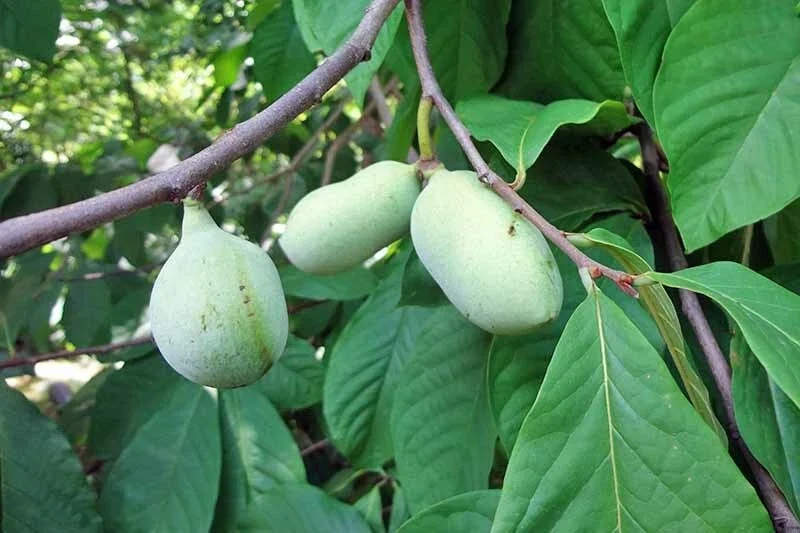
Introduce a piece of American horticultural history into your garden with the paw paw tree live plant. This Asimina triloba specimen, standing 8 to 12 inches tall, represents a fascinating and increasingly popular choice for home gardeners and fruit enthusiasts alike. Known for producing the largest edible fruit native to North America, the paw paw offers a unique, custard-like flavor often compared to a blend of banana, mango, and pineapple. Unlike many fruit trees, the paw paw is relatively low-maintenance once established, making it an excellent option for both novice and experienced growers. Our bare root paw paw tree live plant is carefully prepared for shipping, ensuring a healthy start in your landscape. Prepare to enjoy the beauty of its distinctive foliage and the delight of its exotic-tasting fruits.
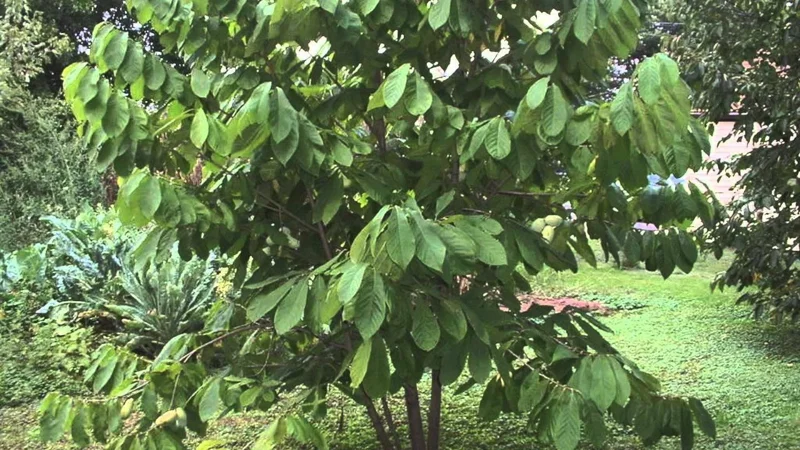
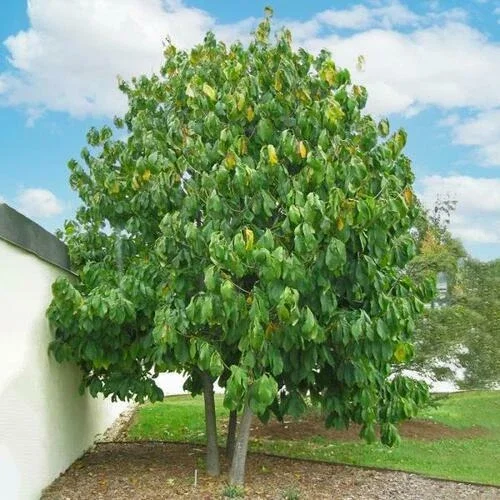
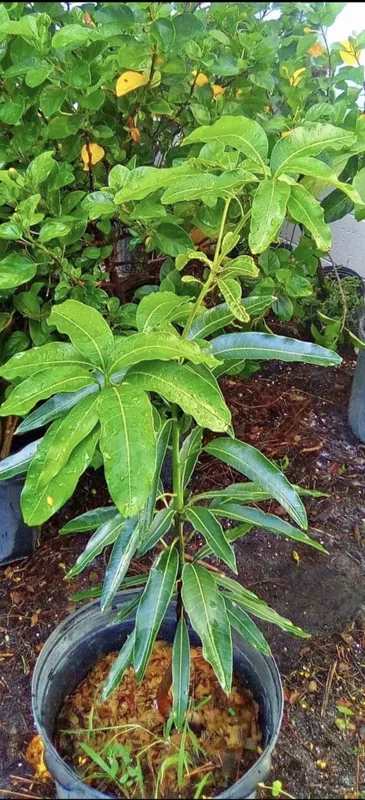
The paw paw fruit tree is a deciduous tree that thrives in temperate climates, offering lush green leaves throughout the growing season and striking yellow fall foliage. Beyond its delectable fruit, the paw paw’s attractive appearance makes it a wonderful ornamental addition to any garden or yard. This particular offering is a young seedling, ready to be planted and nurtured into a mature, fruit-bearing tree. With proper care, your new asimina triloba plant will quickly establish itself, contributing to local biodiversity and providing a sustainable source of unique, homegrown fruit.
Key Benefits
Cultivating a paw paw tree live plant in your garden brings a multitude of benefits, from its unique fruit to its ecological value. Here are some compelling reasons to add this remarkable tree to your collection:
Delicious, Native Fruit: Enjoy the rich, tropical-like flavor of paw paw fruit, a delicious and nutritious native American delicacy. The fruit is excellent eaten fresh, or used in custards, pies, and ice cream.
Low Maintenance: Once established, the paw paw tree live plant requires minimal care compared to many other fruit trees, making it suitable for busy gardeners.
Pest and Disease Resistant: Paw paws are naturally resistant to many common pests and diseases, reducing the need for chemical treatments and promoting a healthier garden ecosystem.
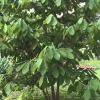
Unique Ornamental Value: With its large, attractive green leaves and distinctive purplish-brown flowers in spring, the asimina triloba plant adds unique aesthetic appeal to your landscape, especially when its leaves turn a vibrant yellow in autumn.
Supports Local Wildlife: The paw paw is a host plant for the zebra swallowtail butterfly, and its fruit is a food source for various wildlife, contributing to local biodiversity.
Adaptable to Various Soil Types: While preferring rich, moist soil, paw paws can adapt to a range of soil conditions, showing resilience in diverse garden environments.
Hardy and Resilient: These trees are extremely cold hardy, making the paw paw fruit tree suitable for a broad range of USDA zones.
Plant Care & Growing Tips
Caring for your paw paw tree live plant is a rewarding experience, leading to bountiful harvests of unique fruit. Paw paws prefer a location with at least 6 hours of direct sunlight for optimal fruit production, though young trees (especially those grown from bare root) benefit from some partial shade during their first year or two to prevent sunscald. They are adaptable to a range of soil types but thrive in deep, fertile, moist, and well-draining soil with a pH between 5.5 and 7.0. Amending heavy clay or sandy soils with organic matter like compost can significantly improve growth.
Watering is crucial, especially for young plants. Keep the soil consistently moist but not waterlogged. Deep watering once or twice a week, depending on rainfall and temperature, is generally sufficient. Mature asimina triloba plant specimens are more drought-tolerant but will produce better fruit with consistent moisture. Fertilize in early spring with a balanced, slow-release fertilizer or a fruit tree specific formula. Avoid over-fertilizing, especially with high nitrogen, which can promote leafy growth at the expense of fruit production. Protecting young trees from deer and other browsers may be necessary, as they can damage tender shoots. The native fruit trees are generally hardy in USDA Zones 5-9.
Pruning is usually minimal for paw paws, primarily focusing on removing dead, damaged, or crossing branches to maintain good air circulation and tree structure. It’s also important to understand that paw paws often require cross-pollination from a different paw paw variety to produce fruit. Consider planting at least two genetically distinct paw paw trees for reliable fruit set. This pawpaw tree care guide will help ensure your plant thrives and becomes a productive part of your garden for years to come.
Size & Details
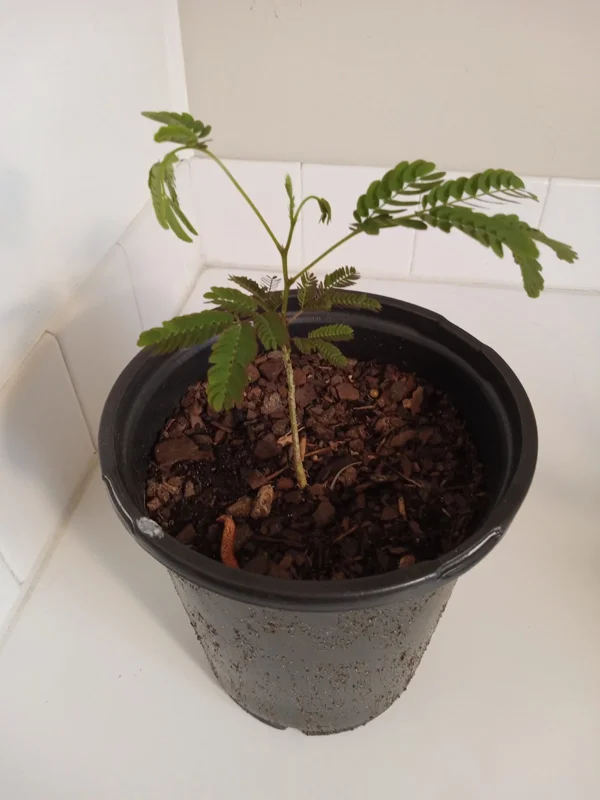
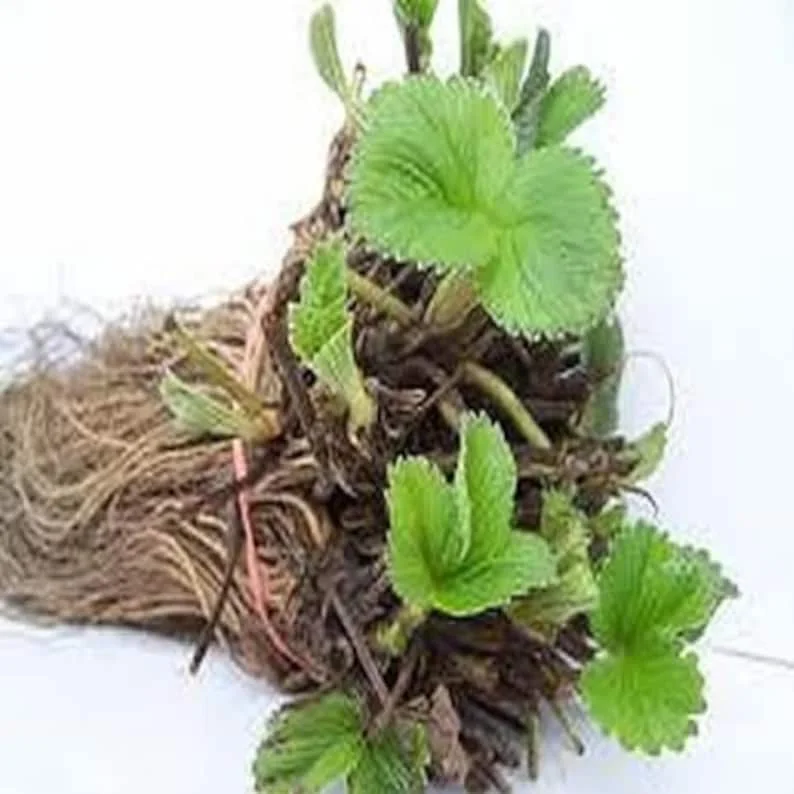
This offering is for one paw paw tree live plant, an Asimina triloba seedling. Each plant measures approximately 8 to 12 inches in height from the root collar to the tip of the highest stem. These young trees are typically shipped as bare root plants to ensure safe and efficient transport, allowing them to establish quickly once planted in your garden. Paw paws are known for their moderate growth rate, and this seedling will gradually grow into a robust paw paw fruit tree, eventually reaching heights of 15 to 20 feet with a similar spread when mature. Expect the tree to begin flowering and producing fruit within 3 to 5 years after planting, depending on growing conditions and care. The plant will develop lush green foliage, providing ample shade and beauty.
The bare root form means the plant is dormant and ready for planting upon arrival. This method reduces transplant shock and encourages strong root development. Provide ample space for your asimina triloba plant to grow, as it will develop a wide canopy and root system. This native fruit trees specimen is ready to become a long-term asset to your edible landscape, offering both aesthetic beauty and delicious, homegrown produce for many seasons to come. Early establishment is key for a successful and productive paw paw tree.
Frequently Asked Questions
Q: How big does this paw paw tree get? A: This paw paw tree live plant is currently 8 to 12 inches tall. When mature, it can reach heights of 15 to 20 feet with a similar spread, forming a small understory tree.
Q: Is this an indoor or outdoor plant? A: The paw paw tree live plant is an outdoor tree, best suited for temperate climates. It requires significant space and sunlight to thrive and produce fruit.
Q: How much sunlight does it need? A: For optimal fruit production, a mature paw paw fruit tree needs at least 6 hours of direct sunlight daily. Young plants, especially in their first year, can benefit from partial shade to protect them from intense afternoon sun.
Q: Is this plant easy to care for? A: Once established, the asimina triloba plant is relatively low-maintenance. It’s quite hardy and resistant to many pests and diseases, making pawpaw tree care straightforward for most gardeners.
Q: What condition will it arrive in? A: Your paw paw tree live plant will arrive as a bare root seedling, meaning it is dormant and without soil around its roots. This is a standard and effective method for shipping young trees.
Q: How long until it blooms and fruits? A: Paw paw trees typically begin to flower and produce fruit within 3 to 5 years after planting, given proper growing conditions and care. Remember that cross-pollination from a different variety is often needed for fruit set.
Q: Will it survive winter in my zone? A: Paw paw trees are very cold hardy and are suitable for USDA Hardiness Zones 5 through 9. They are deciduous and naturally go dormant during the winter months.
Q: What type of soil does it prefer? A: The paw paw tree live plant prefers deep, fertile, moist, and well-draining soil. It thrives in slightly acidic to neutral pH levels (5.5-7.0).
Q: Do I need more than one paw paw tree to get fruit? A: Yes, for reliable fruit production, it is highly recommended to plant at least two genetically distinct native fruit trees for cross-pollination.
Q: What are the main benefits of growing a paw paw? A: The main benefits include enjoying delicious, unique native fruit, its low maintenance nature, pest resistance, and its attractive ornamental qualities in the garden.



Reviews
There are no reviews yet.