Overview
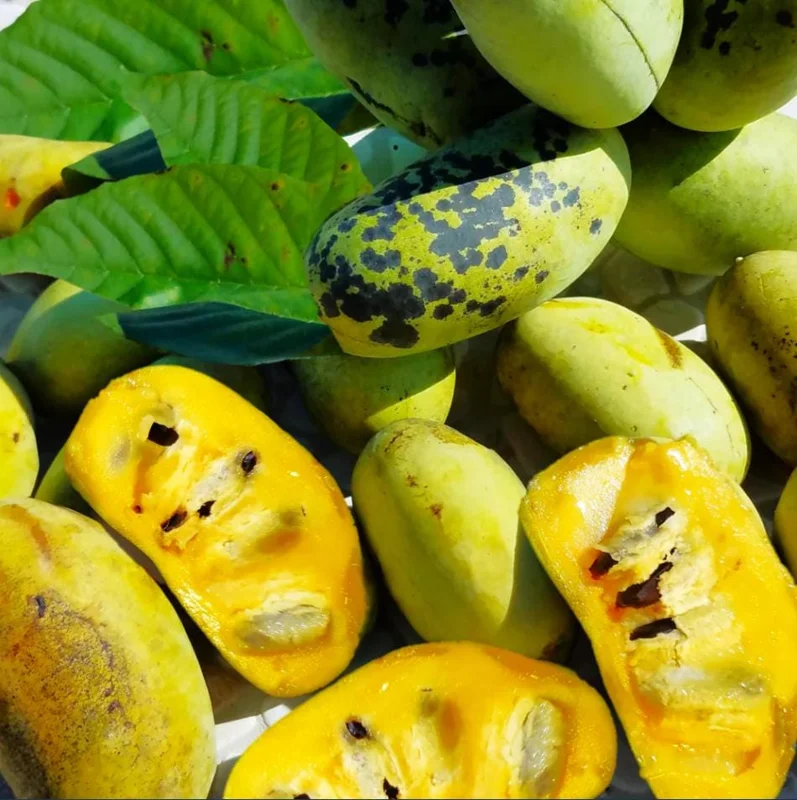
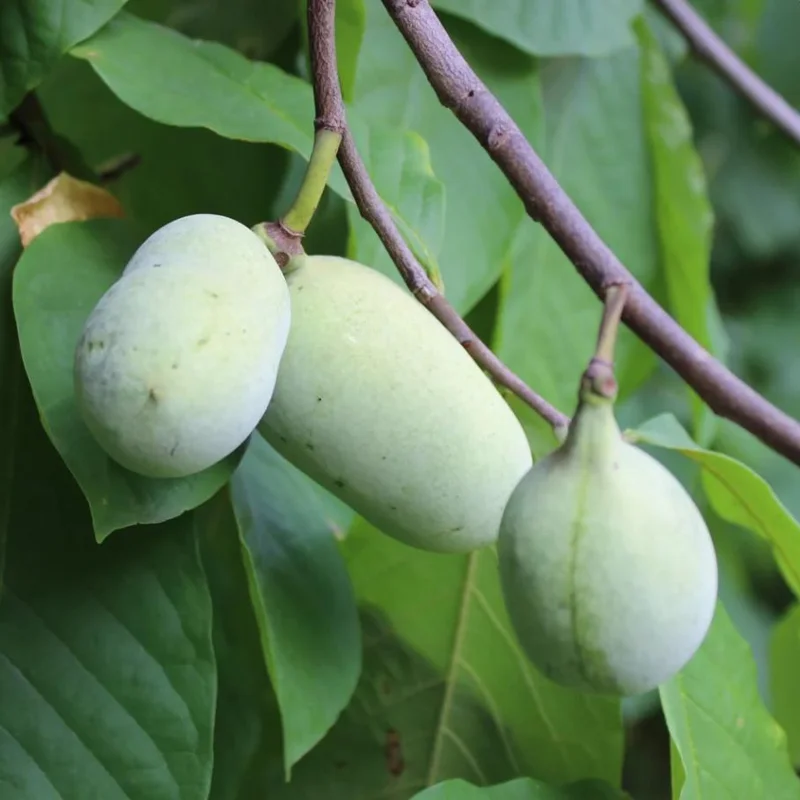
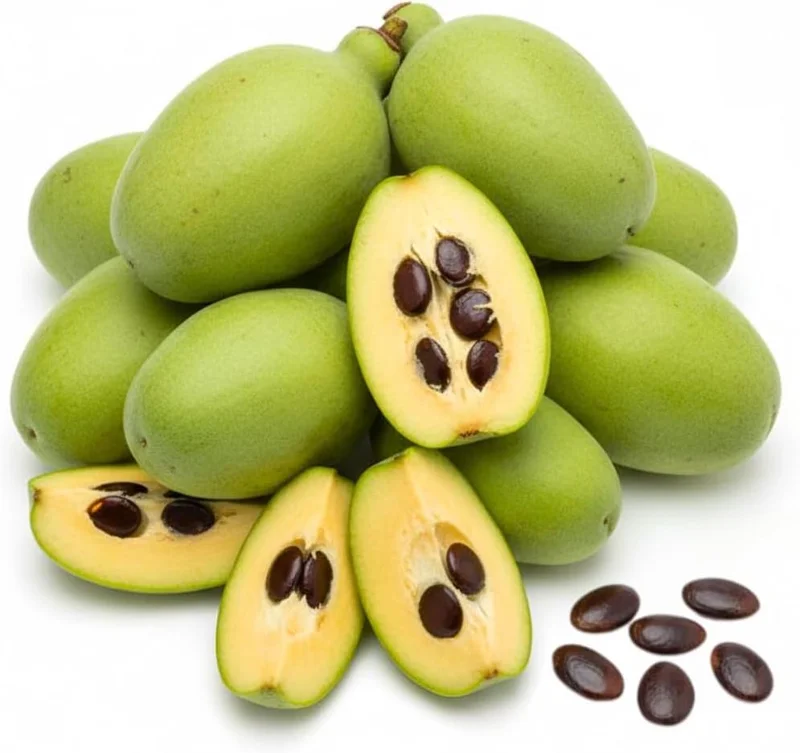
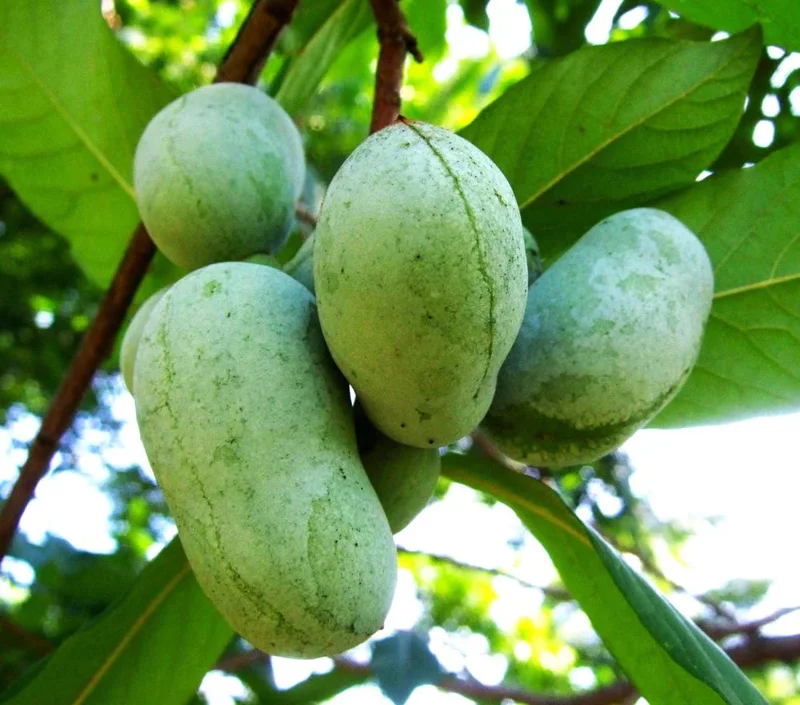
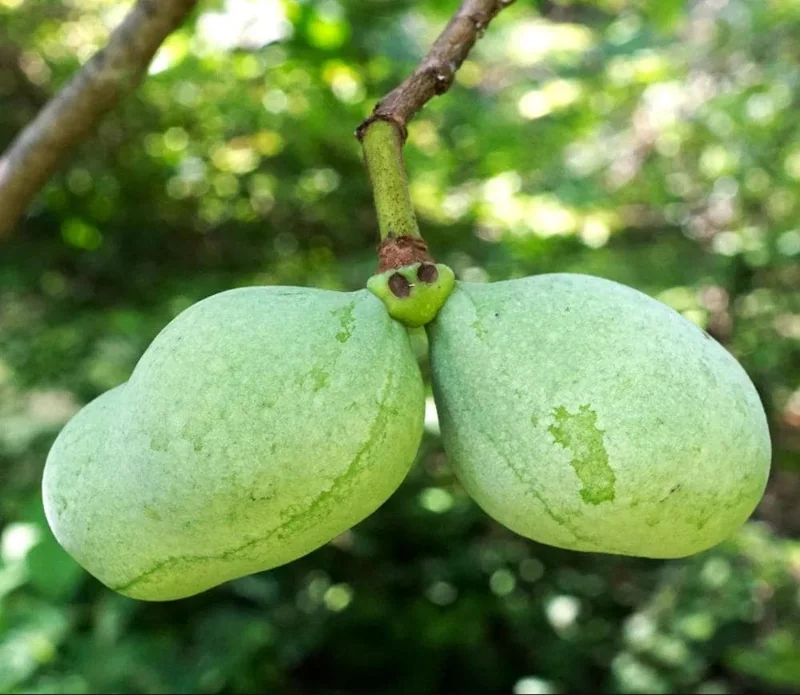
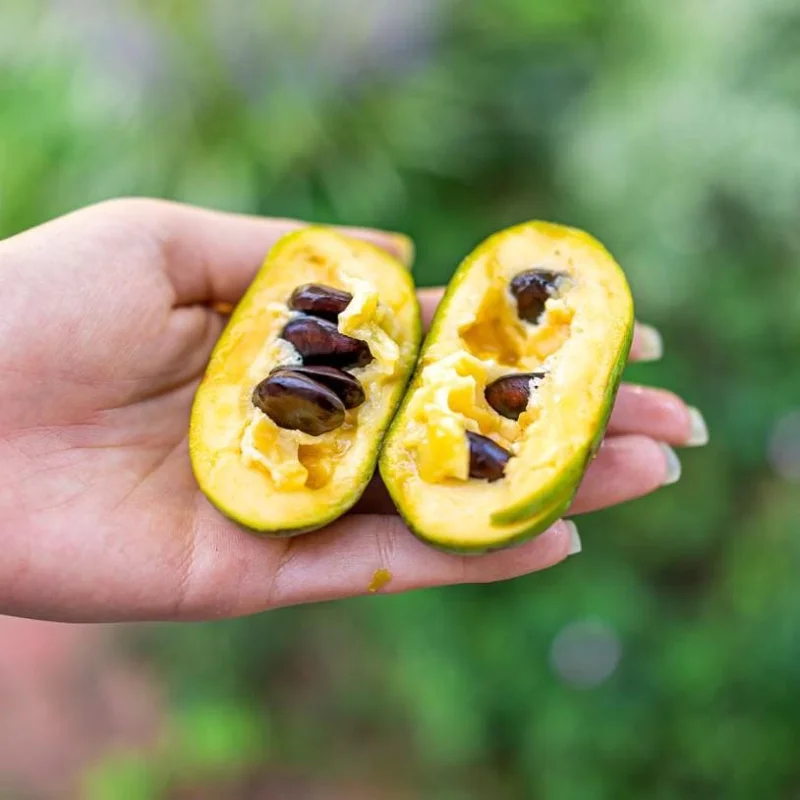
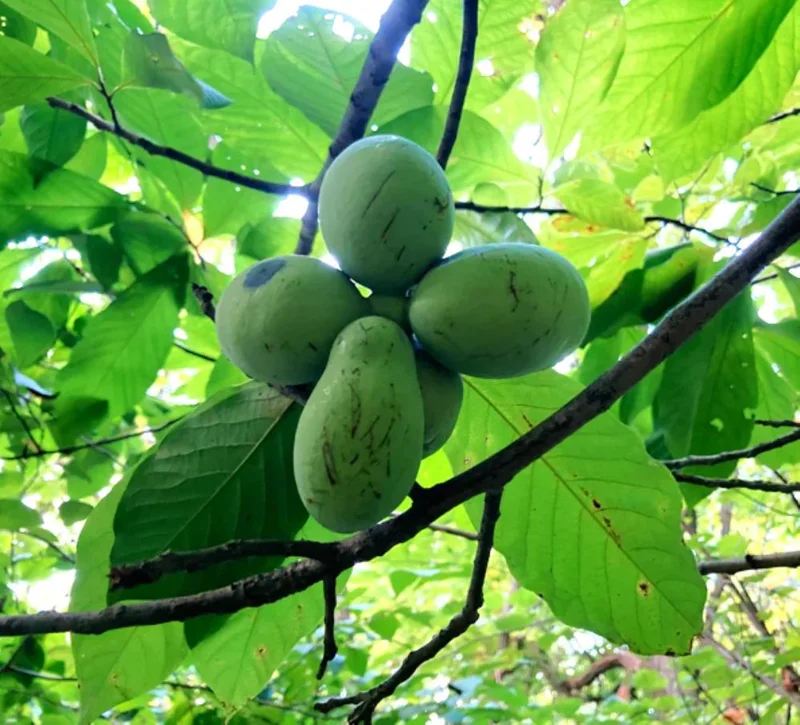
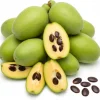
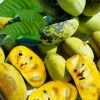
Embark on the rewarding journey of growing your own native fruit trees with our premium pawpaw tree seeds. Each pack contains 10 carefully selected seeds of the Asimina triloba, commonly known as the Pawpaw tree. This unique deciduous tree is native to the eastern United States and Canada, celebrated for its delicious, custard-like fruit that offers a tropical flavor profile reminiscent of banana, mango, and pineapple. Growing Pawpaws from seed allows you to establish a robust and resilient orchard, contributing to local ecosystems and providing a sustainable source of wild food. These seeds are ideal for forest farming, permaculture projects, or simply adding a distinctive edible plant to your home garden.
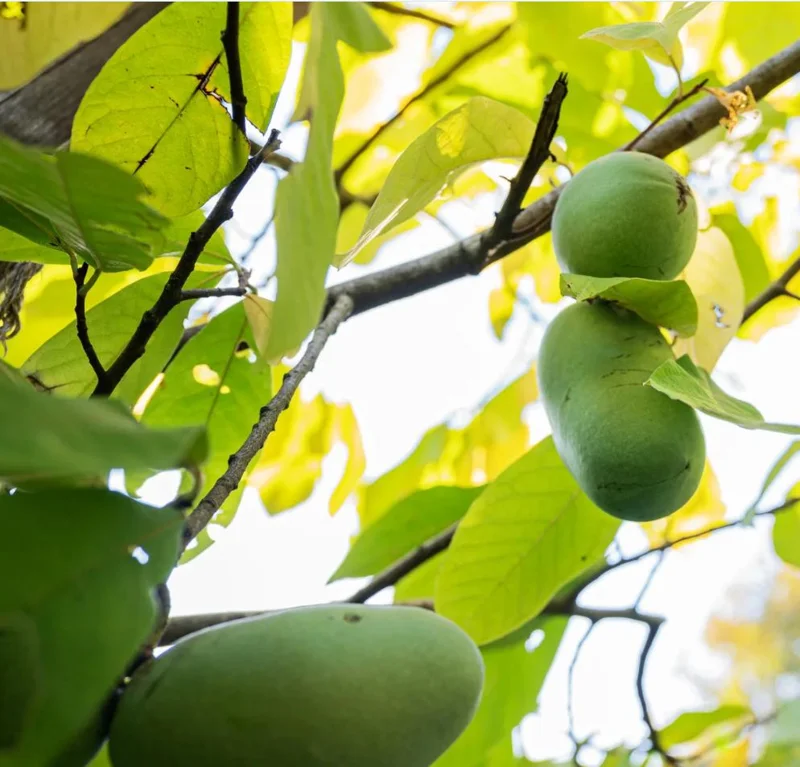
The Pawpaw tree is not only prized for its fruit but also for its ornamental value and its ability to thrive in a variety of conditions. It’s a fantastic choice for those looking to cultivate a plant with historical significance and a low-maintenance nature. Our pawpaw tree seeds are specifically harvested and prepared to ensure the best possible germination rates, setting you up for success in growing these fascinating trees.
Key Benefits
Planting pawpaw tree seeds offers a multitude of advantages for both the gardener and the environment. These trees are a truly unique addition to any landscape, providing both beauty and bounty.
- Unique Edible Fruit: Enjoy the distinctive, sweet, and creamy fruit of the Pawpaw, often described as North America’s forgotten tropical fruit. The fruit is rich in vitamins and minerals, offering a healthy and delicious treat directly from your garden.
- Native & Resilient: As a native species, the Pawpaw tree is well-adapted to North American climates, making it highly resilient to local pests and diseases. This reduces the need for extensive care and chemical interventions, contributing to a healthier garden ecosystem.
- Supports Wildlife: Pawpaw trees serve as a host plant for the beautiful Zebra Swallowtail butterfly, whose larvae feed exclusively on Pawpaw leaves. Planting these trees helps support local biodiversity and provides a habitat for beneficial insects.
- Low Maintenance: Once established, Pawpaw trees require relatively little maintenance, making them an excellent choice for both experienced gardeners and beginners. They are naturally hardy and can thrive with minimal intervention.
- Shade Tolerance: Unlike many fruit trees, young Pawpaw trees prefer partial shade, making them suitable for understory planting in forest gardens or shaded areas where other fruit trees might struggle. This makes them versatile for various garden designs.
- Sustainable Food Source: Growing pawpaw fruit seeds contributes to a sustainable and self-sufficient food system. These trees can become a long-term source of nutritious fruit for your family and community.
- Forest Farming & Permaculture: The Pawpaw tree is an excellent candidate for forest farming and permaculture designs due to its shade tolerance, native status, and ability to form productive groves. It’s a key component in creating resilient and diverse edible landscapes.
Plant Care & Growing Tips
Successfully germinating and growing pawpaw tree seeds requires understanding their specific needs, particularly regarding stratification. Pawpaw seeds require a period of cold stratification to break dormancy. After receiving your 10 pawpaw tree seeds, store them in a refrigerator between 32°F and 40°F (0°C–4°C) for 70 to 120 days. It is crucial not to freeze the seeds, as this will kill the embryo. You can stratify them in a moist medium like peat moss or sand within a sealed plastic bag. Ensure the medium remains consistently damp but not waterlogged to prevent mold.
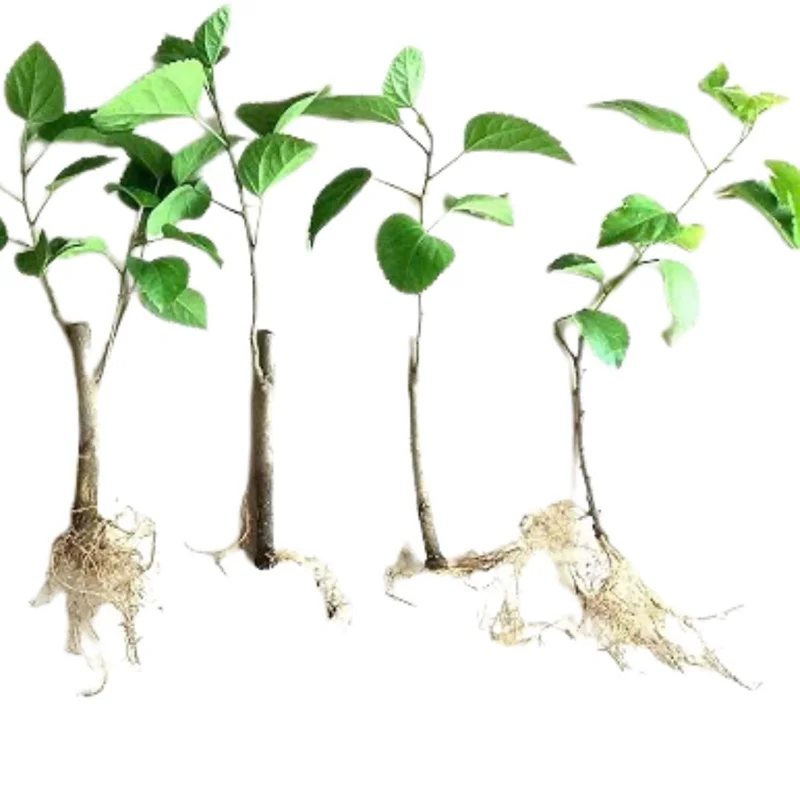
Once stratified, plant the seeds in deep pots, at least 10–18 inches tall, or specialized ‘tree pots’. This accommodates the long, brittle taproot that develops immediately upon germination. A well-draining soil mix is essential to prevent root rot. Plant seeds about 1 inch deep. Young Pawpaw seedlings are sensitive to direct sunlight and prefer partial shade for their first year or two. Gradually introduce them to more sun as they mature. Watering should be consistent, keeping the soil moist but not soggy. Pawpaws prefer slightly acidic to neutral soil (pH 5.5-7.0) rich in organic matter. Fertilize sparingly with a balanced, slow-release fertilizer once the seedlings are established. Protect young plants from strong winds and ensure good air circulation. These tips will help you successfully grow pawpaw tree specimens.
Size & Details
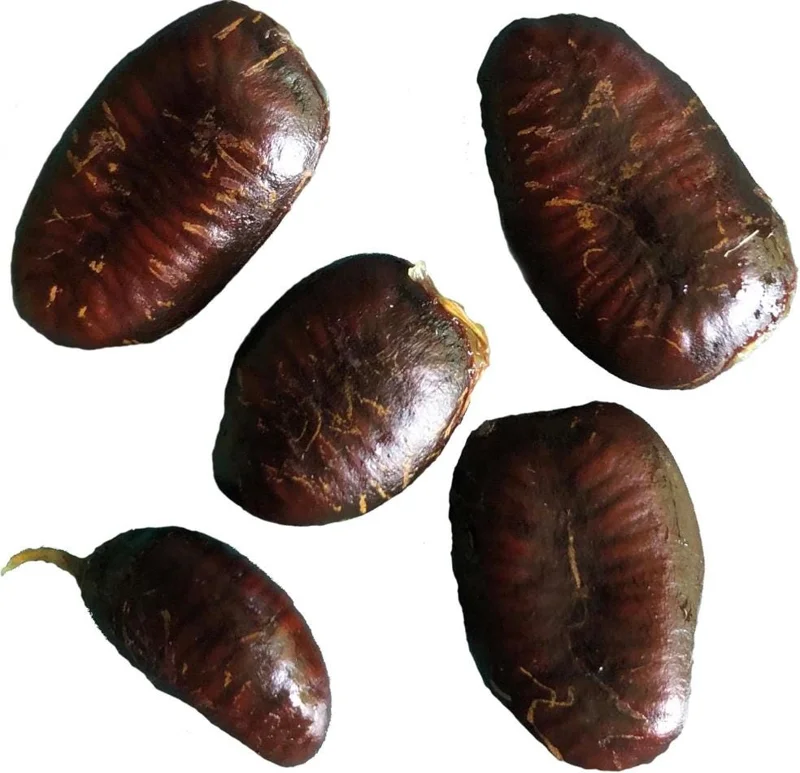
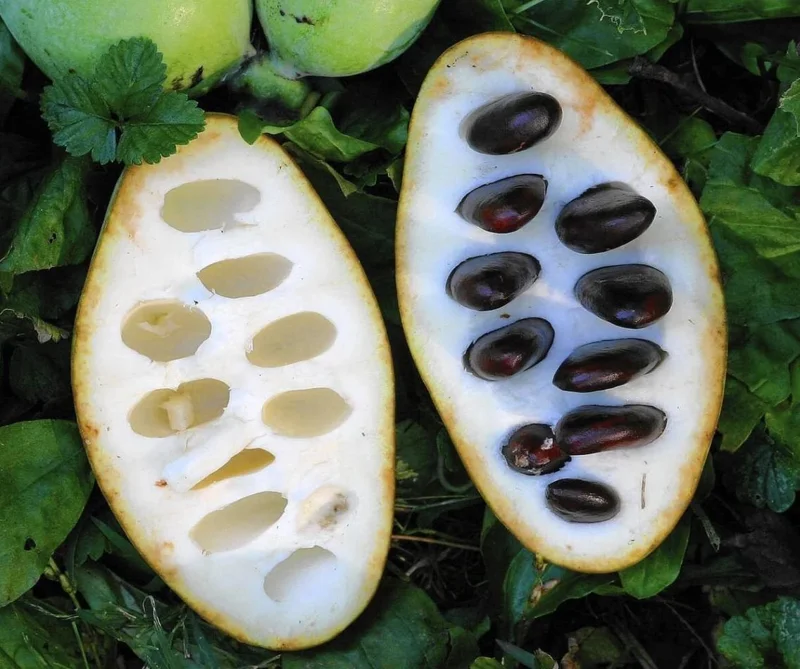
This offering includes 10 viable pawpaw tree seeds, ready for stratification and planting. The Pawpaw tree (Asimina triloba) is a medium-sized deciduous tree, typically growing to a height of 15-30 feet (4.5-9 meters) with a spread of 15-20 feet (4.5-6 meters) at maturity. Its growth rate is moderate, and fruit production usually begins 3-5 years after planting. The seeds are approximately 0.5-1 inch in length. Pawpaws develop a strong taproot, making them somewhat challenging to transplant once established, which is why starting them in deep containers is highly recommended. These seeds are sourced to help you cultivate healthy, productive asimina triloba seeds into mature trees.
Frequently Asked Questions
- Q: How long does it take for pawpaw tree seeds to germinate? A: After the required 70-120 days of cold stratification, germination can take anywhere from 1 to 3 months once planted in warm soil. Patience is key when growing pawpaw tree seeds.
- Q: What are the ideal growing conditions for Pawpaw trees? A: Pawpaws thrive in rich, well-drained soil with a slightly acidic to neutral pH. Young trees prefer partial shade, while mature trees can tolerate full sun if provided with adequate moisture.
- Q: Is this an indoor or outdoor plant? A: Pawpaw trees are outdoor plants native to temperate climates. They are not suitable for long-term indoor cultivation, though seedlings can be started indoors before transplanting.
- Q: How much sunlight do Pawpaw trees need? A: Young Pawpaw trees (up to 2 years old) require partial shade, about 4-6 hours of indirect light. Mature trees can handle full sun, especially if they have consistent moisture, optimally 6-8 hours of direct sunlight.
- Q: Are Pawpaw trees difficult to care for? A: While they have specific germination requirements, once established, Pawpaw trees are relatively low-maintenance. They are quite hardy and resistant to most pests and diseases, making them good for beginners interested in edible landscaping.
- Q: What condition will the seeds arrive in? A: You will receive 10 fresh, viable pawpaw fruit seeds, carefully packaged to maintain their quality during transit. They will be ready for the stratification process upon arrival.
- Q: When is the best time to plant Pawpaw seeds? A: After cold stratification, the best time to plant the seeds outdoors is in early spring once the danger of hard frost has passed and soil temperatures begin to warm.
- Q: Will Pawpaw trees survive winter in my zone? A: Pawpaw trees are hardy in USDA Zones 5-9. They are deciduous and will lose their leaves in winter, naturally going dormant to withstand cold temperatures.
- Q: What’s the minimum temperature Pawpaw trees can tolerate? A: Mature Pawpaw trees can tolerate winter temperatures down to -20°F (-29°C), making them quite cold-hardy for many regions.
- Q: Can I grow Pawpaw trees in containers? A: While it’s possible to start asimina triloba seeds in deep containers, Pawpaws eventually require planting in the ground to reach their full potential and produce abundant fruit due to their extensive root system.




Reviews
There are no reviews yet.