Overview
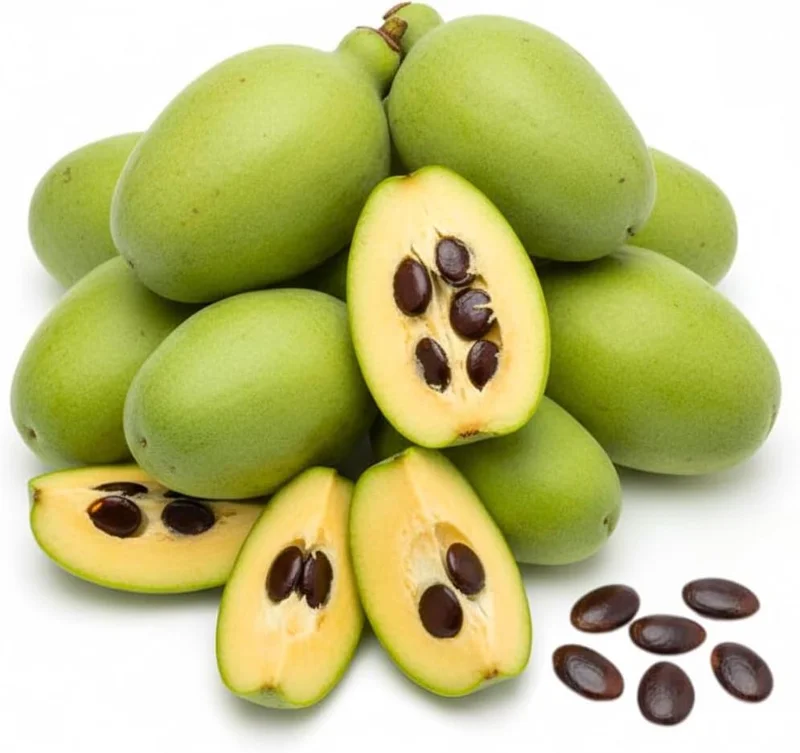
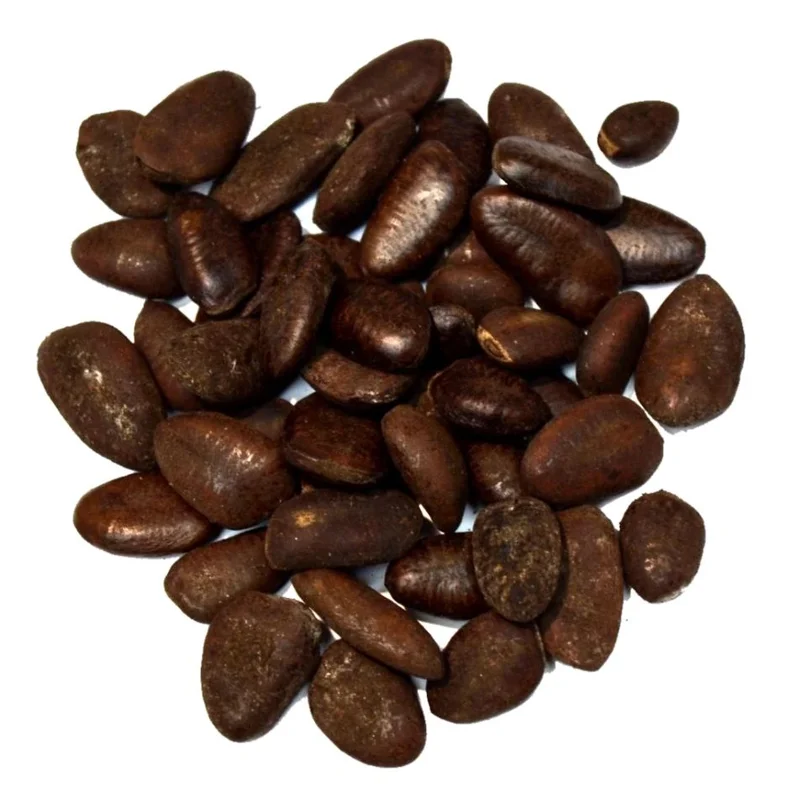
Embark on a rewarding gardening journey with these premium pawpaw tree seeds, offering you the chance to grow one of North America’s most unique and delicious native fruits. Known for its tropical custard-like flavor, the pawpaw (Asimina triloba) is a deciduous tree that thrives in temperate climates. This offering provides 20 viable seeds, an excellent starting point for home gardeners, permaculture enthusiasts, and those interested in forest farming. Growing pawpaws from seed is a patient but incredibly fulfilling endeavor, leading to a resilient and productive fruit tree that requires minimal long-term care once established. These seeds are perfect for creating an edible landscape or adding a touch of native biodiversity to your garden.
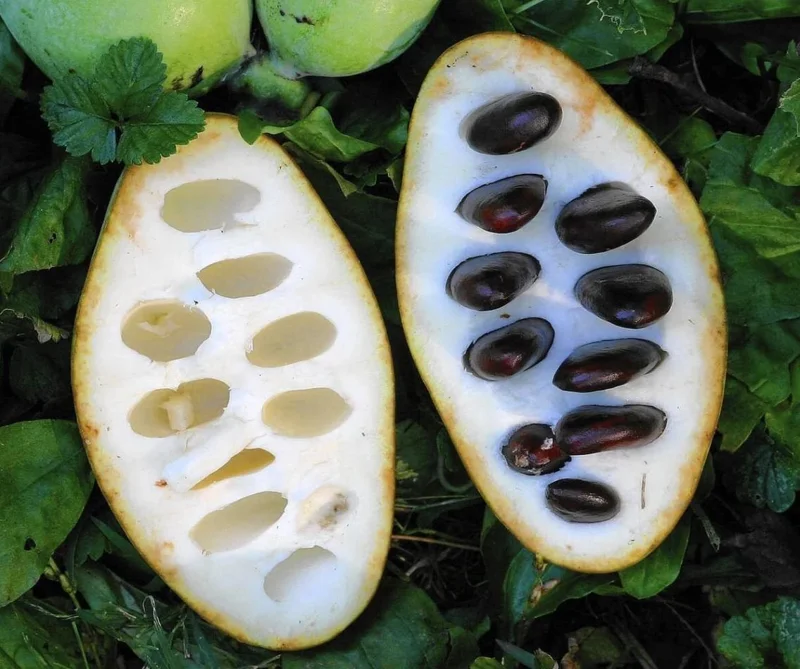
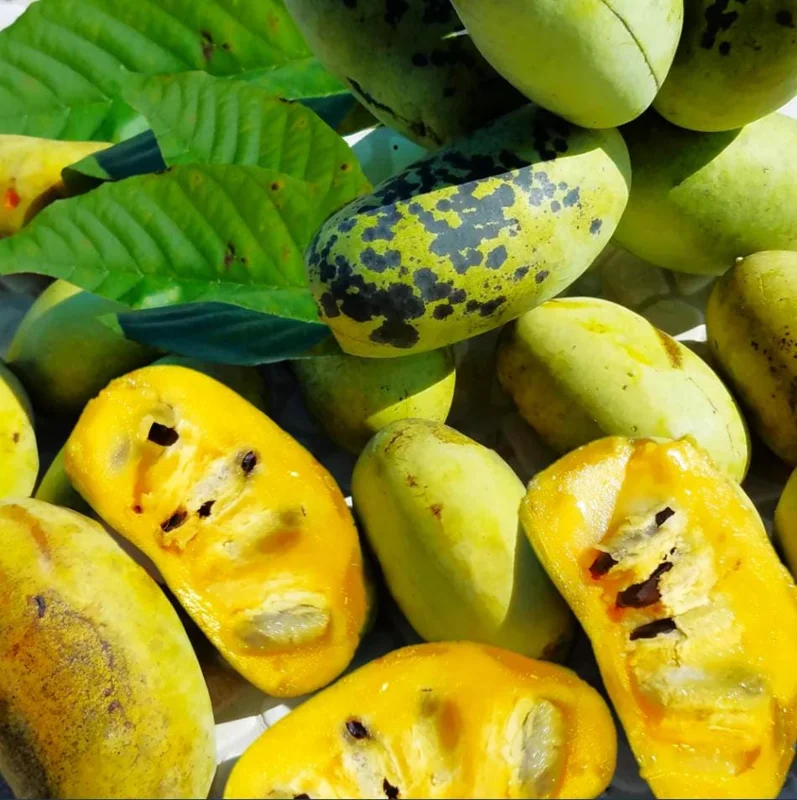
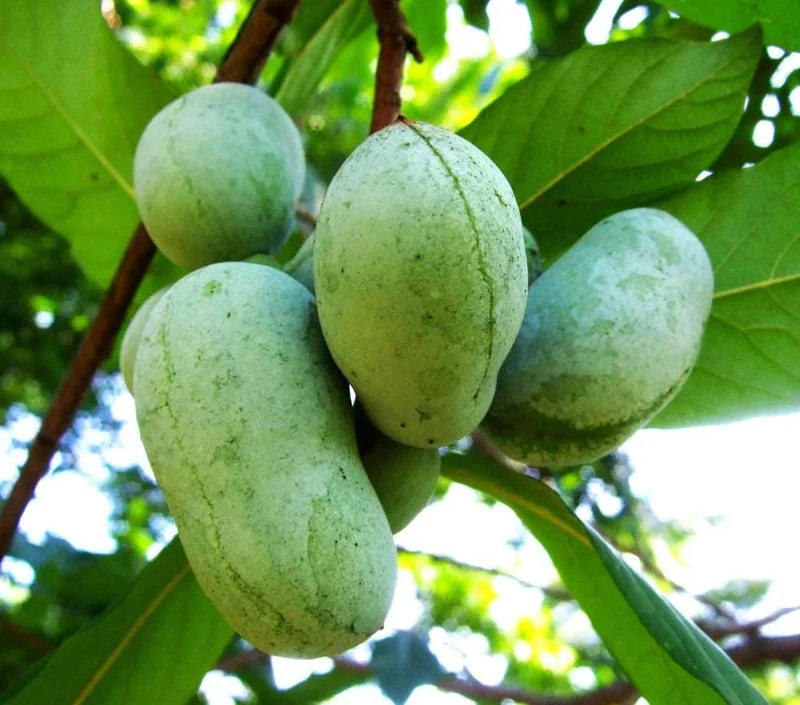
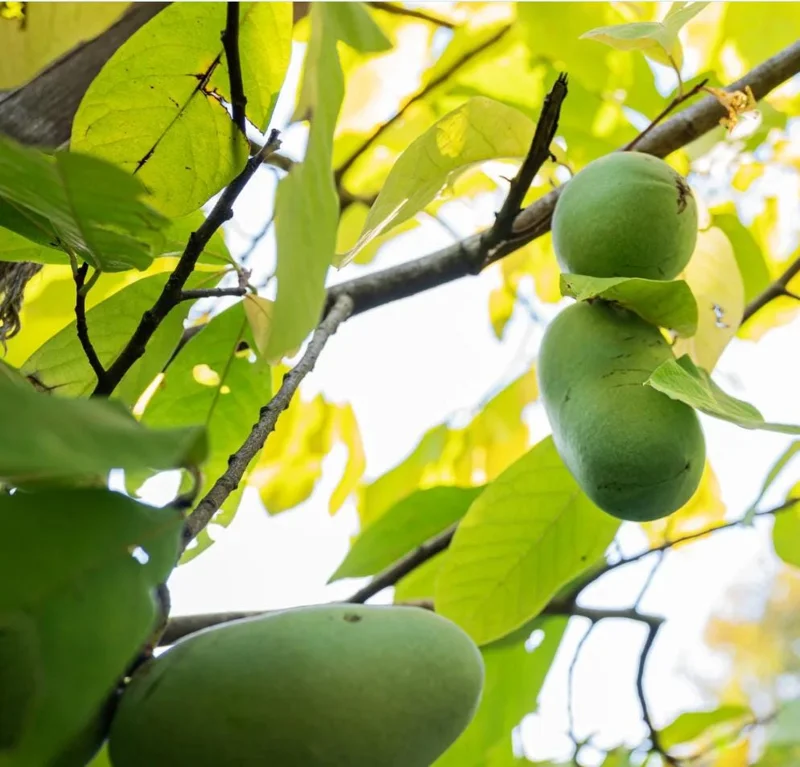
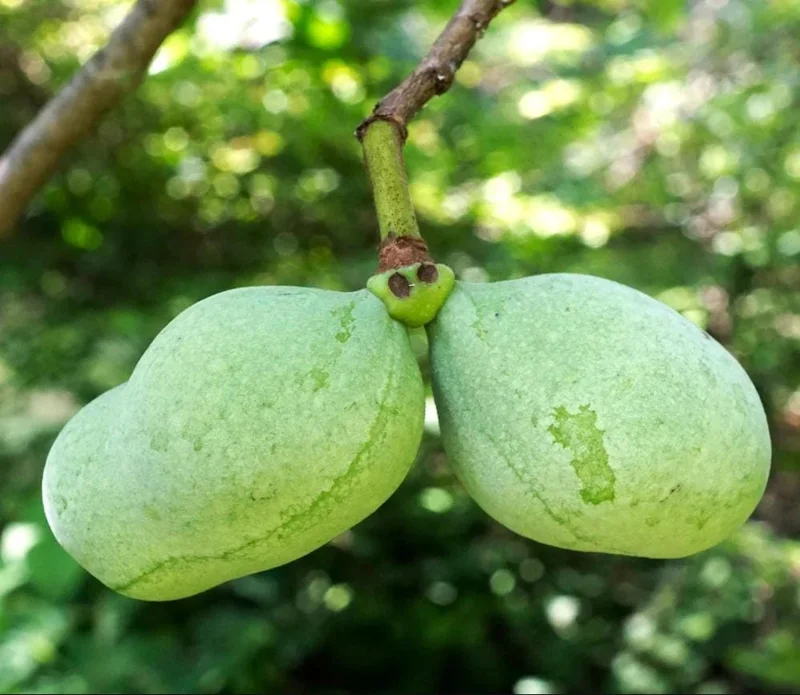
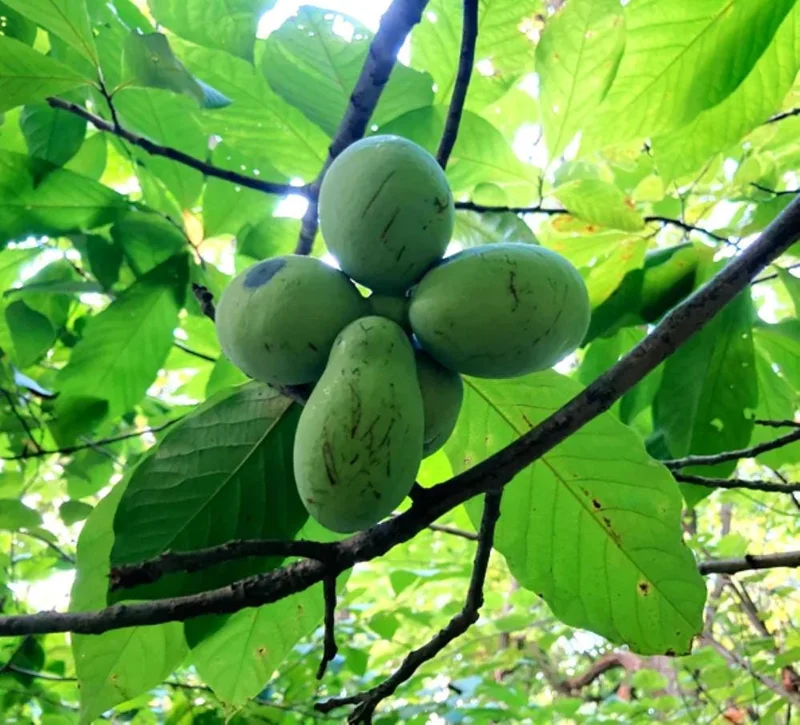
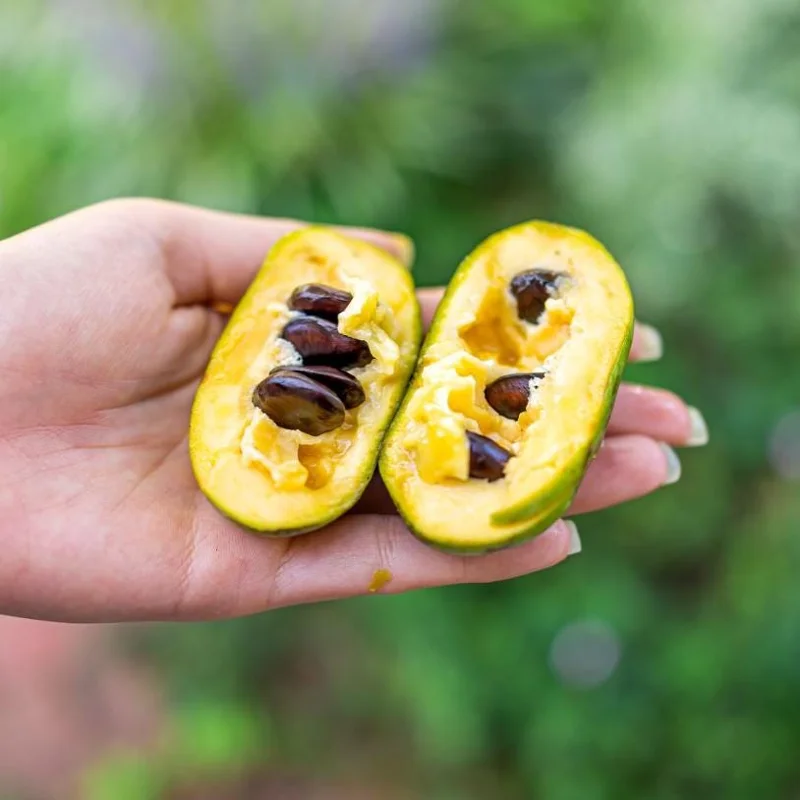
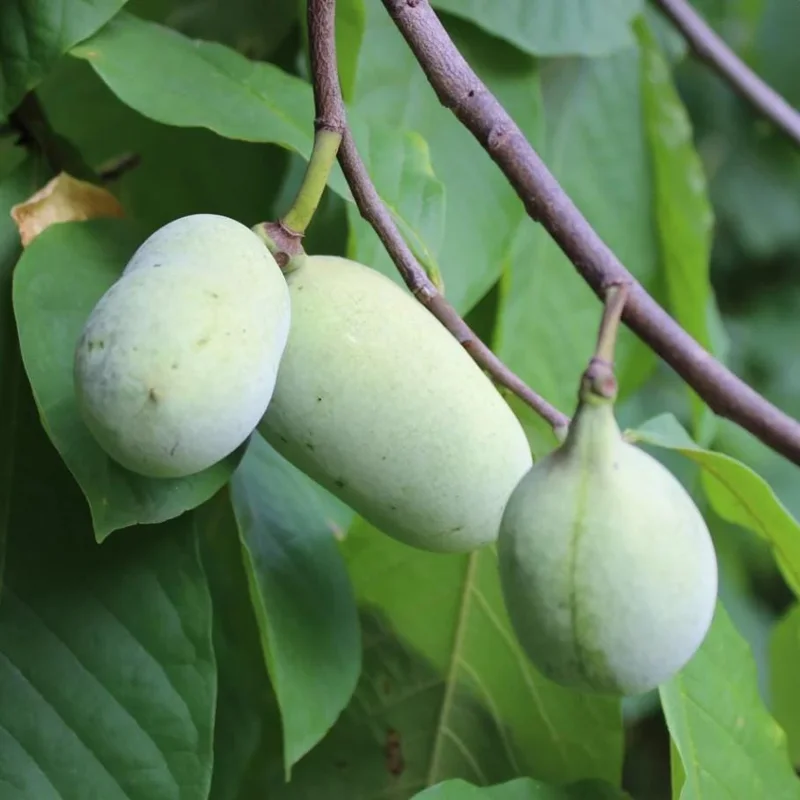
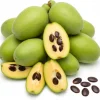
The pawpaw tree, sometimes called the ‘poor man’s banana’ or ‘custard apple’, produces large, oblong, greenish-yellow fruits with a creamy, sweet flesh. These fruits are not only a culinary delight but also a rich source of vitamins, minerals, and amino acids. Our pawpaw seeds for planting are carefully selected to ensure high germination potential, giving you the best possible start for cultivating these remarkable trees. Whether you’re an experienced grower or new to fruit trees, these seeds provide an accessible way to introduce this fascinating native species into your environment.
Key Benefits
Growing pawpaw trees from seed offers a multitude of benefits, from enjoying fresh, homegrown fruit to contributing to local ecosystems. Here are some of the key advantages:
- Unique Edible Fruit: Enjoy the sweet, tropical flavor of fresh pawpaw fruit, often described as a blend of banana, mango, and pineapple. This distinct taste is hard to find in stores.
- Native Resilience: Pawpaw trees are naturally adapted to many North American climates, making them relatively low-maintenance and resistant to many common pests and diseases. Grow your own edible pawpaw fruit with confidence.
- Forest Farming Potential: These seeds are ideal for agroforestry and forest farming pawpaw systems, contributing to a sustainable and diverse food forest.
- Wildlife Support: Pawpaw trees provide food and habitat for various wildlife, including the zebra swallowtail butterfly, whose larvae feed exclusively on pawpaw leaves.
- Shade Tolerance: Young pawpaw trees tolerate partial shade, making them suitable for understory planting in established woodlands or shaded garden areas.
- Nutrient-Rich Harvest: Pawpaw fruits are packed with vitamins (A, C), minerals (potassium, magnesium), and essential amino acids, offering a healthy addition to your diet.
- Long-Term Investment: Once established, pawpaw trees can produce fruit for many decades, providing a sustainable source of delicious produce for years to come.
Plant Care & Growing Tips
Starting pawpaw tree seeds requires patience and specific stratification to mimic natural conditions. First, seeds need a cold stratification period of 90-120 days at temperatures between 35-45°F (1-7°C). This can be achieved by placing seeds in a moist medium (like peat moss or sand) in a sealed bag in your refrigerator. Once stratification is complete, plant seeds in early spring when soil temperatures consistently reach 75-85°F (24-29°C). Use deep pots, at least 10-18 inches, to accommodate the pawpaw’s long, brittle taproot, as they do not transplant well. A good quality, well-draining soil mix is crucial to prevent root rot.
For young seedlings, provide partial shade for the first 1-2 years, as direct sun can scorch tender leaves. As they mature, pawpaw trees prefer full sun for optimal fruit production but can tolerate partial shade. Keep the soil consistently moist but never waterlogged. Mature trees require roughly 1 inch of water per week, either from rainfall or irrigation, especially during dry spells and fruit development. Pawpaws typically do not require heavy fertilization; a balanced, slow-release fertilizer applied in spring can be beneficial for established trees. Protect young trees from deer, who may browse on tender shoots. These native fruit tree seeds will eventually grow into resilient trees with proper care.
Pawpaws are generally hardy in USDA Zones 5-8, sometimes extending to Zone 4 with protection or Zone 9 in ideal microclimates. Ensuring good air circulation around the trees can help prevent fungal issues. Remember that pawpaws are not self-pollinating and require at least two genetically different trees for cross-pollination to produce fruit. Consider planting multiple seeds to increase your chances of successful pollination and a bountiful harvest of edible pawpaw fruit.
Size & Details
This product includes 20 high-quality pawpaw tree seeds, ready for stratification and eventual planting. Pawpaw trees are deciduous, meaning they lose their leaves in the fall. When mature, they typically reach a height of 15-20 feet with a spread of 10-15 feet, forming an attractive, somewhat pyramidal shape. The growth rate is moderate, with trees typically beginning to bear fruit 5-7 years after planting from seed, though this can vary. Each seed is carefully selected for viability and packaged to ensure its integrity during transit. The seeds are best planted in deep containers initially to accommodate their unique taproot system, which helps the young tree establish strongly.
The resulting trees will produce fruits that typically mature in late summer to early fall, offering a delightful harvest period. These seeds are a fantastic way to begin cultivation of a truly American fruit, whether for personal consumption, ecological restoration, or a unique addition to your home garden. The long-term reward of fresh, homegrown edible pawpaw fruit makes the initial investment of time and care well worth it.
Frequently Asked Questions
- Q: How big does a pawpaw tree get? A: A mature pawpaw tree typically grows to a height of 15-20 feet with a spread of 10-15 feet, forming a small, understory tree. Its size makes it suitable for many home gardens.
- Q: What size pot should I use for pawpaw tree seeds? A: It’s crucial to use deep pots, at least 10-18 inches, for starting pawpaw tree seeds. This accommodates their long, brittle taproot and minimizes transplant shock.
- Q: Is this an indoor or outdoor plant? A: Pawpaw trees are outdoor plants, native to temperate climates. They require a period of dormancy and are not suitable for long-term indoor cultivation, though seedlings can be started indoors temporarily.
- Q: How much sunlight do pawpaw trees need? A: Young pawpaw seedlings need partial shade for their first 1-2 years. Mature pawpaw trees, however, thrive and produce the most edible pawpaw fruit in full sun (6+ hours per day).
- Q: Are pawpaw trees easy to care for? A: Pawpaw trees are relatively low-maintenance once established, especially if they are well-suited to your climate. The most challenging part is often the initial stratification and germination of the pawpaw seeds for planting.
- Q: What condition will the pawpaw tree seeds arrive in? A: You will receive 20 fresh, viable pawpaw tree seeds, carefully packaged to maintain their quality and readiness for stratification and planting.
- Q: How long until pawpaw trees bear fruit from seed? A: Pawpaw trees grown from seed typically begin to bear fruit 5-7 years after germination, though this can vary depending on growing conditions and care.
- Q: Will pawpaw trees survive winter in my zone? A: Pawpaw trees are hardy in USDA Zones 5-8. They require a certain amount of winter chill for proper dormancy and fruit set. They are well-adapted to surviving cold winters in these zones.
- Q: Do I need more than one pawpaw tree for fruit? A: Yes, pawpaw trees are not self-pollinating. You will need at least two genetically distinct trees for cross-pollination to ensure successful fruit production of edible pawpaw fruit.
- Q: What is forest farming pawpaw? A: Forest farming pawpaw involves integrating pawpaw trees into an existing or newly established woodland environment, mimicking their natural habitat and creating a productive, sustainable food system.




Reviews
There are no reviews yet.