Overview
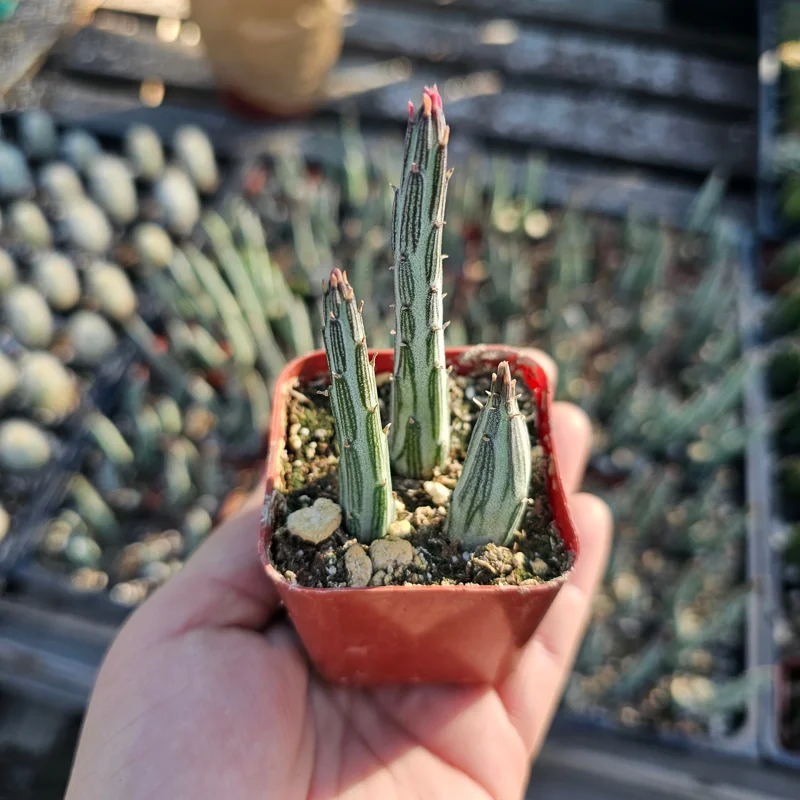
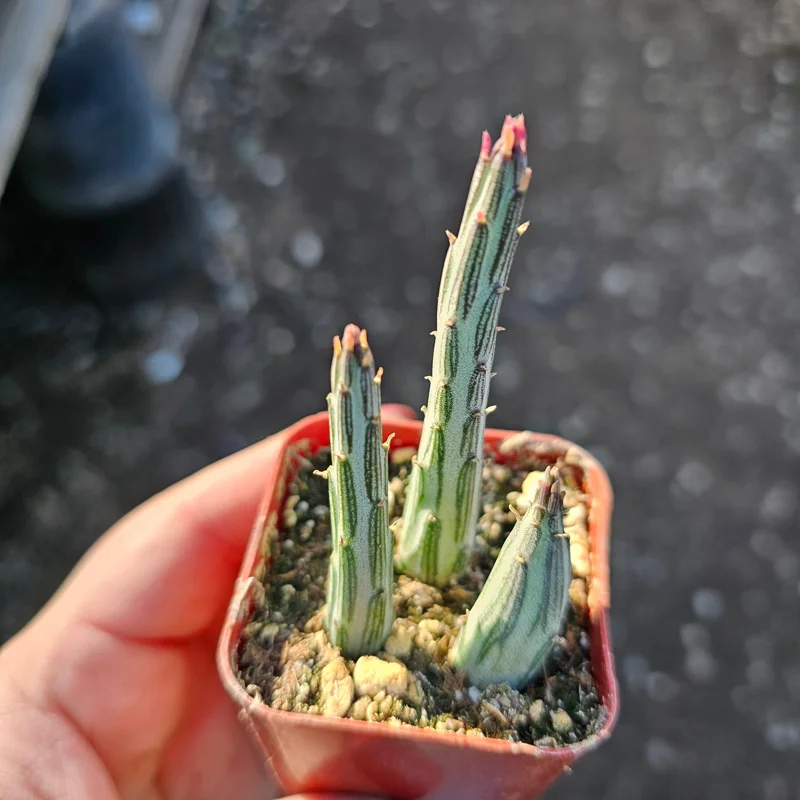
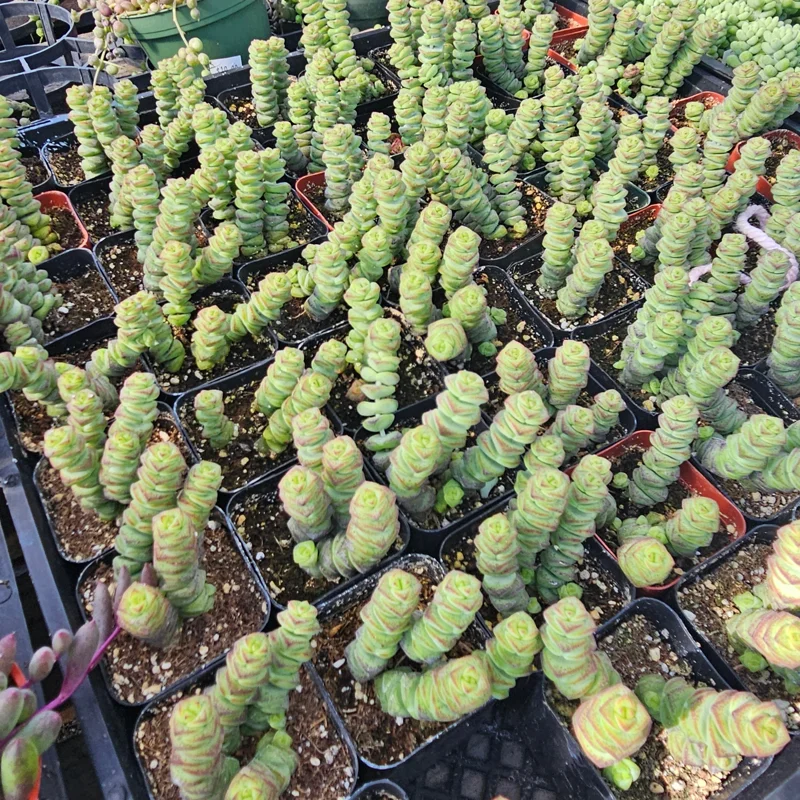
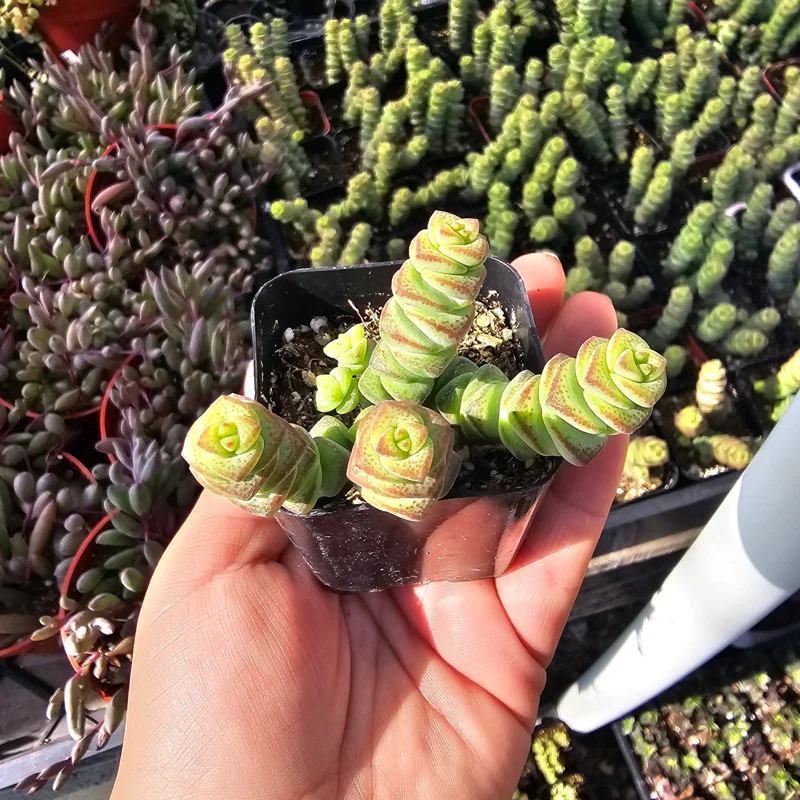
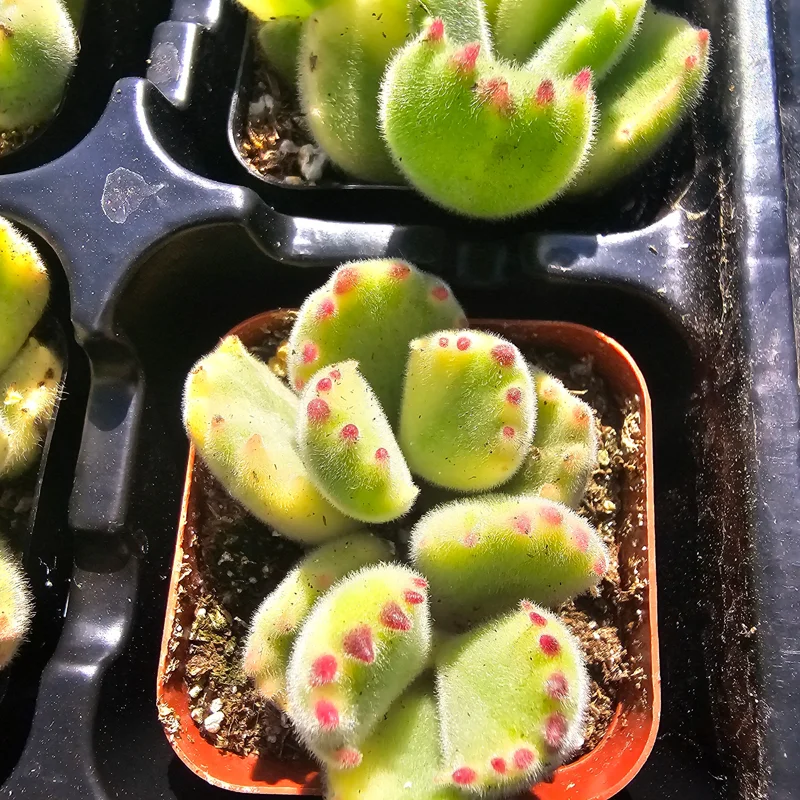
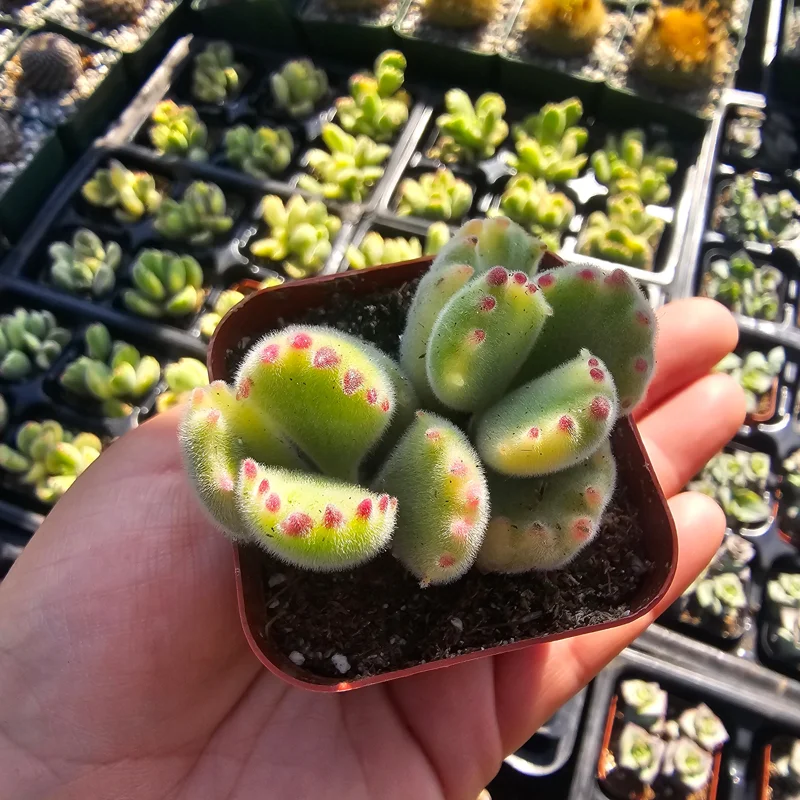
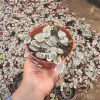
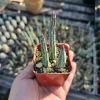
Introducing the captivating pickle plant live succulent, scientifically known as Delosperma echinatum. This delightful succulent gets its common name from its unique, cylindrical leaves that resemble tiny gherkins or pickles, covered in soft, translucent bristles. Native to South Africa, the Delosperma echinatum care is surprisingly straightforward, making it an excellent choice for both novice and experienced plant enthusiasts. Its quirky appearance and resilience make it a popular addition to succulent collections, terrariums, and arid garden landscapes. Whether you’re looking to add a touch of whimsy to your indoor plant display or seeking a hardy groundcover for a sunny outdoor spot, the pickle plant indoor or outdoor variety offers distinctive charm and easy cultivation.
The pickle plant live succulent is a fascinating member of the Aizoaceae family, known for its ability to thrive in harsh, dry conditions. Its succulent leaves store water, allowing it to endure periods of drought with ease. Beyond its distinctive foliage, mature plants may produce small, yellow, daisy-like flowers, adding another layer of appeal. This plant is sold as a live specimen, ready to bring its unique character into your home or garden.
Key Benefits
The pickle plant live succulent offers numerous advantages, making it a favored choice among plant lovers. Its unique aesthetic and robust nature contribute to a rewarding ownership experience.
- Unique Aesthetic Appeal: The distinctive, pickle-shaped leaves covered in soft bristles make this succulent a true conversation starter and a visually intriguing addition to any collection or display. Its unusual texture and form stand out among other succulents.
- Low Maintenance: This plant is incredibly forgiving and requires minimal attention, making it perfect for busy individuals or those new to plant care. Its drought-tolerant nature means less frequent watering.
- Drought Tolerant: As a succulent, the pickle plant live succulent efficiently stores water in its leaves, allowing it to withstand dry periods and requiring infrequent watering, which is beneficial for water-wise gardening.
- Versatile Placement: Thrives equally well as a charming indoor potted plant in bright light or as an interesting groundcover or rock garden specimen in suitable outdoor climates. This versatility makes growing pickle plant adaptable to various settings.
- Compact Growth Habit: Typically remains a relatively small and manageable plant, making it ideal for windowsills, desks, small containers, or as part of a mixed succulent arrangement.
- Air Purification: Like many plants, it contributes to a healthier indoor environment by absorbing certain toxins and releasing oxygen, enhancing the air quality in your living space.
- Easy Propagation: The Delosperma echinatum care also extends to its ease of propagation, allowing enthusiasts to easily create new plants from cuttings, sharing the joy with friends and family.
Plant Care & Growing Tips
Proper Delosperma echinatum care ensures your pickle plant live succulent thrives and displays its unique beauty. This hardy succulent is relatively easy to care for, provided its basic needs are met, particularly regarding light and water. Understanding the specific requirements for growing pickle plant will lead to a healthy and vibrant specimen.
Sunlight Requirements
The pickle plant live succulent prefers abundant sunlight. For optimal growth and to maintain its compact form and vibrant color, provide at least 6 hours of direct sunlight daily. If grown indoors, a south-facing window is ideal. Outdoors, choose a location that receives full sun, especially in the morning. While it can tolerate some partial shade, too little light will lead to leggy growth and less dense foliage. Ensure adequate light for a robust pickle plant indoor or outdoor display.
Watering Schedule and Soil Moisture Preferences
Water sparingly and deeply. Allow the soil to dry out completely between waterings. Overwatering is the most common cause of problems for succulents, leading to root rot. During the active growing season (spring and summer), you might water every 2-4 weeks, depending on temperature and humidity. In fall and winter, reduce watering significantly, perhaps once a month or less, as the plant enters a period of dormancy. Always ensure excellent drainage to prevent waterlogging.
Soil Type and Drainage Requirements
A well-draining soil mix is crucial for the health of your pickle plant live succulent. A specialized succulent or cactus mix is ideal, as it provides the necessary aeration and prevents water retention. You can also create your own by mixing potting soil with perlite, pumice, or coarse sand in a 1:1 ratio. The pot must have drainage holes to allow excess water to escape freely. This is a fundamental aspect of successful growing pickle plant.
Temperature Range and USDA Hardiness Zone
The Delosperma echinatum care includes maintaining appropriate temperatures. This succulent is generally hardy in USDA Zones 9-11, meaning it can tolerate mild winters outdoors in these regions. It prefers temperatures between 60-80°F (15-27°C). If temperatures drop below 40°F (4°C), it’s best to bring outdoor plants indoors or provide frost protection. As a pickle plant indoor specimen, protect it from cold drafts.
Fertilization Schedule and Type
Fertilize sparingly, if at all. Succulents generally do not require heavy feeding. If you choose to fertilize, use a balanced liquid fertilizer diluted to half or quarter strength, once or twice during the active growing season (spring/summer). Avoid fertilizing in fall and winter. Excessive fertilization can lead to weak, leggy growth.
Common Problems and Solutions
Watch out for common succulent pests like mealybugs or spider mites, which can be treated with insecticidal soap. The primary issue is usually overwatering, leading to root rot. If you notice mushy stems or leaves, reduce watering immediately and check the roots for rot. Ensure good air circulation and proper drainage to prevent fungal issues.
Size & Details
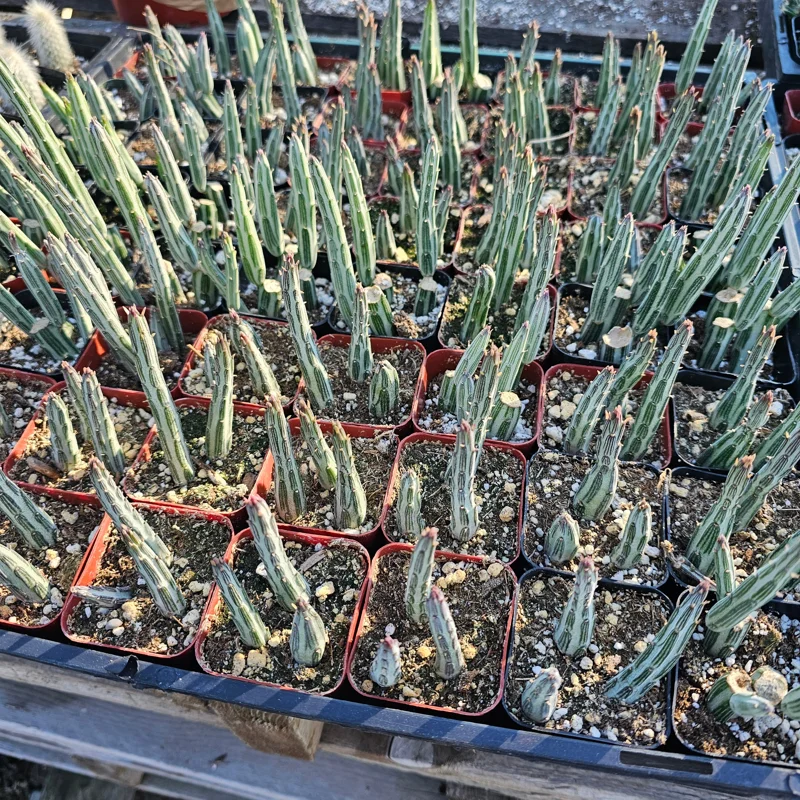
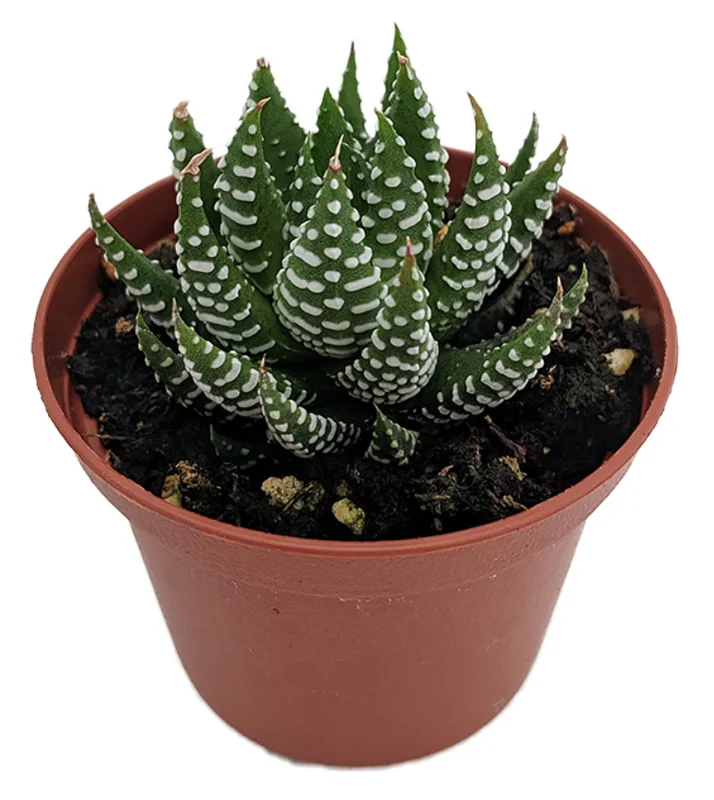
This offering includes a healthy pickle plant live succulent (Delosperma echinatum) available in either a 2-inch or 4-inch nursery pot. The plant’s size will vary slightly depending on the pot size chosen, with the 2-inch pot containing a younger, more compact specimen, and the 4-inch pot featuring a more established plant. Typically, a mature pickle plant live succulent can grow to be about 6-12 inches tall and spread up to 12-24 inches wide, forming a dense, mat-like groundcover or a beautiful pot filler. These plants are shipped in their original nursery grow pots, ensuring minimal transplant shock and providing a healthy start for your new addition. The growth rate is moderate, and with proper growing pickle plant techniques, you can expect it to fill its container within a season or two. The vibrant green, textured foliage provides year-round interest, and given adequate light, it may produce small yellow flowers during its blooming season, typically in late spring to early summer.
Frequently Asked Questions
- Q: How big does this plant get? A: The pickle plant live succulent typically grows to about 6-12 inches tall and can spread up to 12-24 inches wide, forming a lovely trailing or mounding habit. Its size depends on the pot size and growing conditions.
- Q: What size pot does it come in? A: This pickle plant live succulent is available in either a 2-inch or 4-inch nursery pot, providing options for different stages of growth and immediate display.
- Q: Is this an indoor or outdoor plant? A: The pickle plant live succulent is incredibly versatile. It thrives as a bright pickle plant indoor specimen or can be grown outdoors in suitable climates (USDA Zones 9-11) in rock gardens or as groundcover.
- Q: How much sunlight does it need? A: For optimal health and growth, the pickle plant live succulent requires at least 6 hours of direct sunlight daily. Indoors, place it in a south-facing window; outdoors, choose a full sun location.
- Q: Is this plant easy to care for? A: Yes, the pickle plant live succulent is considered very easy to care for, making it suitable for beginners. Its drought-tolerant nature means it’s forgiving if you forget to water occasionally.
- Q: What condition will it arrive in? A: Your pickle plant live succulent will arrive carefully packaged in its original nursery grow pot, ensuring it is healthy and ready for its new home. We take great care to minimize transit stress.
- Q: How often should I water my pickle plant? A: Water thoroughly only when the soil has completely dried out. This could be every 2-4 weeks during warmer months and even less frequently in winter. Overwatering is the biggest risk for Delosperma echinatum care.
- Q: Is it good for beginners? A: Absolutely! Its low-maintenance nature and resilience make the pickle plant live succulent an excellent choice for those new to gardening or succulent care.
- Q: Will it survive winter in my zone? A: If you are in USDA Zones 9-11, it can typically survive mild winters outdoors. In colder zones, it should be brought indoors before the first frost to protect it from freezing temperatures.
- Q: Can I propagate this plant? A: Yes, growing pickle plant from cuttings is quite easy. Simply take a stem cutting, allow it to callus for a few days, and then plant it in well-draining soil.




Reviews
There are no reviews yet.