Overview
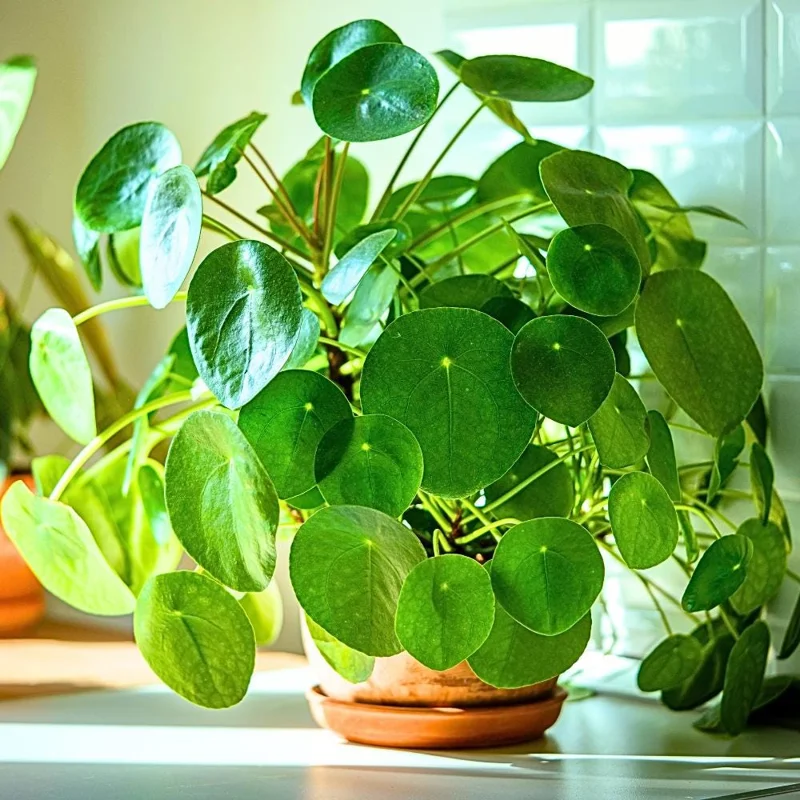
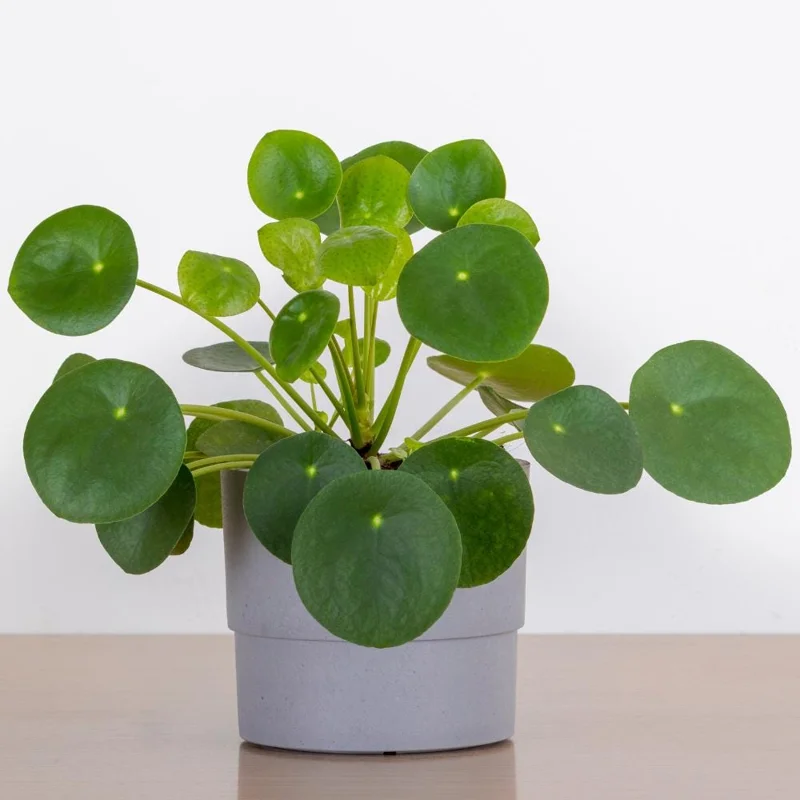
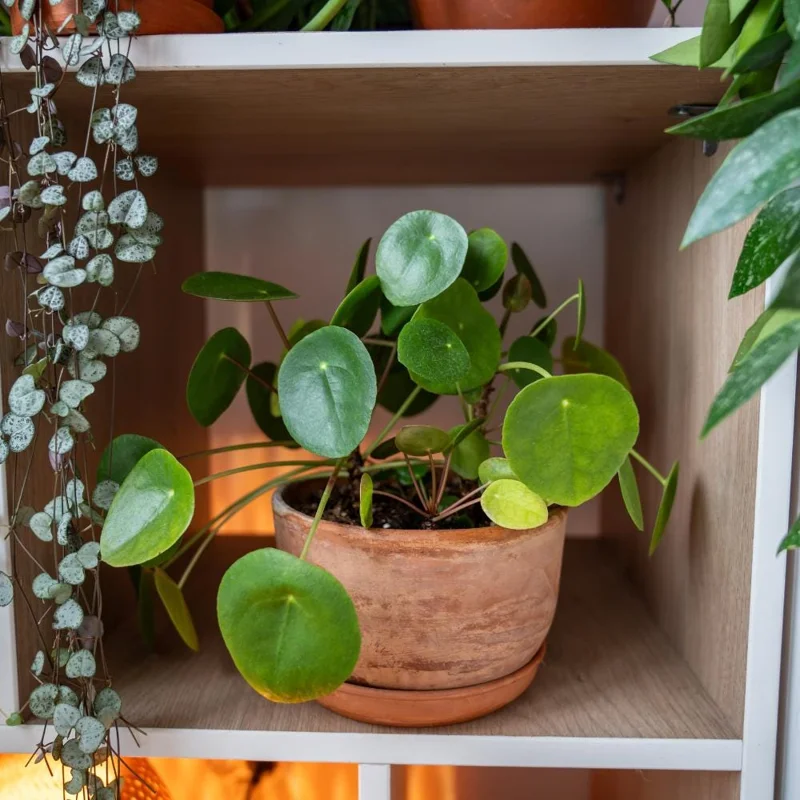
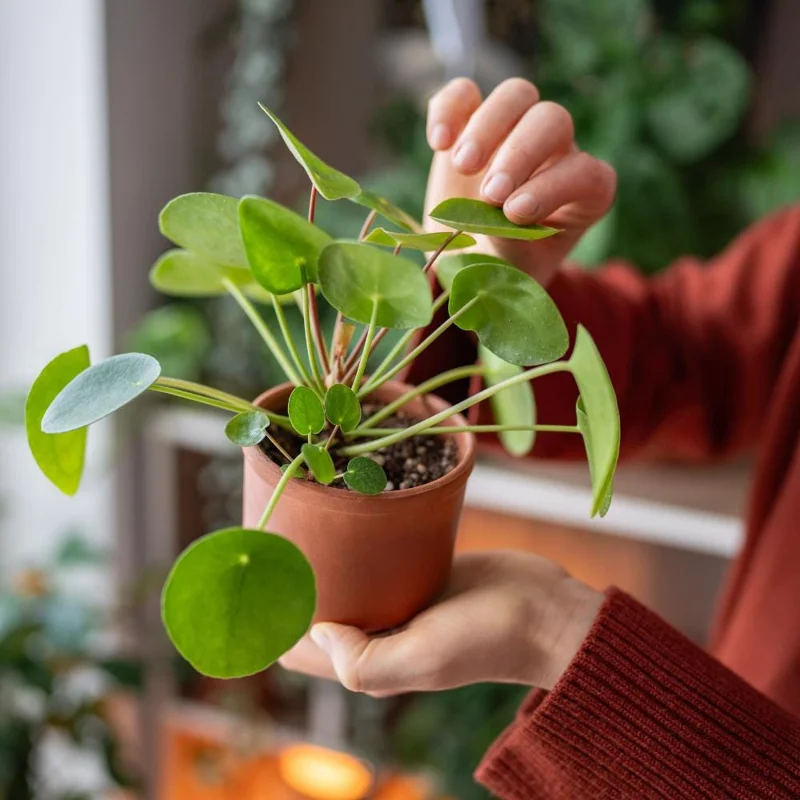
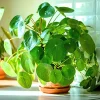
The pilea chinese money live plant, scientifically known as Pilea peperomioides, is a highly sought-after and charming houseplant that brings a touch of modern elegance to any indoor space. Originating from the Yunnan and Sichuan provinces of China, this plant is often referred to as the Chinese Money Plant due to its distinctive, flat, and round leaves that resemble coins. These unique coin shaped leaves grow on slender, upright stems, creating a visually appealing and compact form. This particular live plant is delivered well-rooted in its pot, ensuring a smooth transition to its new home. Its popularity stems not only from its attractive appearance but also from its reputation as an easy care houseplant, making it an excellent choice for both seasoned plant enthusiasts and beginners alike. The Pilea Chinese Money Plant is celebrated for its ability to produce ‘pups’ or baby plants, which can be easily propagated, allowing you to share the joy and beauty of this plant with friends and family.
The Pilea peperomioides is more than just a decorative item; it’s a living piece of art that promises to add personality and a refreshing green hue to your living environment. Its minimalist aesthetic fits perfectly with contemporary decor, while its vibrant foliage can brighten up any corner. The plant’s upright growth habit ensures it remains compact, making it suitable for smaller spaces like office desks, bookshelves, or windowsills. When you choose this pilea chinese money live plant, you’re not just getting a plant; you’re inviting a conversation starter and a source of natural beauty into your home. Its intriguing appearance and straightforward care requirements solidify its status as a must-have indoor plant.
Key Benefits
The Pilea Chinese Money Plant offers a multitude of benefits, making it an exceptional addition to any indoor setting. Its unique characteristics contribute positively to both aesthetic appeal and overall well-being. This indoor money plant is not just beautiful; it’s also incredibly rewarding to nurture.
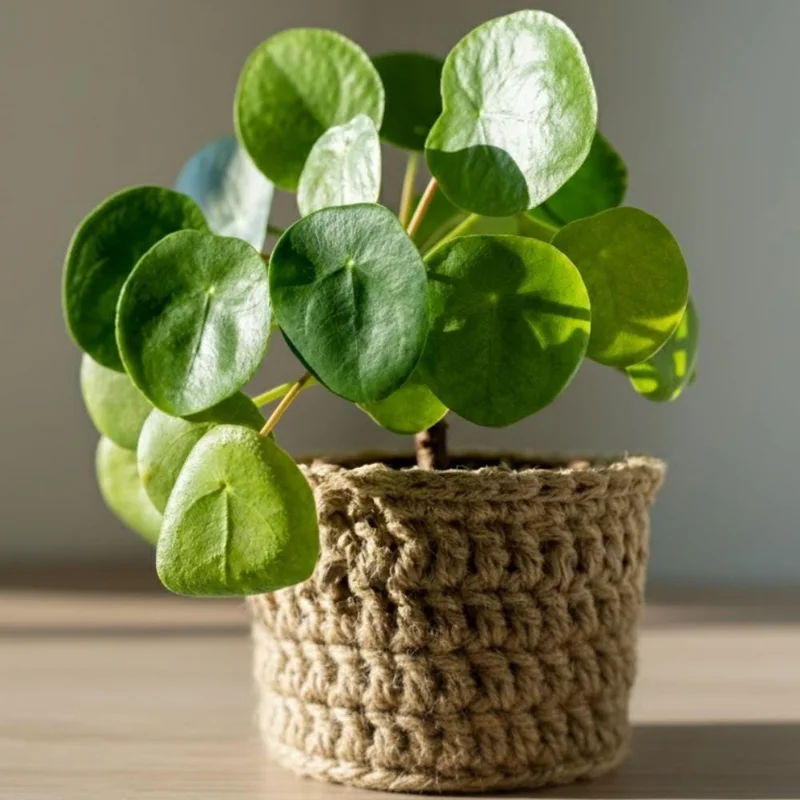
- Unique Aesthetic Appeal: The most striking feature of the Pilea Chinese Money Plant is its perfectly round, coin-shaped leaves. These glossy green leaves create a captivating visual display, adding a unique and modern touch to any room. Its sculptural form and clean lines make it a focal point in minimalist or contemporary decor.
- Easy Care Houseplant: Known for its resilience and low maintenance needs, this plant is ideal for busy individuals or those new to plant care. It tolerates a range of indoor conditions and doesn’t demand constant attention, making it a truly easy care houseplant.
- Air Purification: Like many houseplants, the Pilea contributes to a healthier indoor environment by naturally filtering toxins from the air. While not as potent as some larger plants, it still plays a role in improving air quality, making your living space fresher.
- Compact and Versatile Size: The Pilea remains relatively compact, typically growing to a manageable size that fits perfectly on desks, shelves, windowsills, or small tables. Its upright growth habit ensures it doesn’t sprawl, making it a versatile choice for various placements.
- Symbol of Good Fortune: In many cultures, the Pilea is associated with good luck, prosperity, and wealth, earning it the nickname “Money Plant.” Having this plant in your home is believed to attract positive energy and fortune, adding a layer of cultural significance.
- Easy Propagation: One of the most enjoyable aspects of owning a Pilea is its prolific production of ‘pups’ or baby plants. These can be easily separated and rooted, allowing you to expand your plant collection or share them as thoughtful gifts. This makes pilea plant care a rewarding experience.
- Boosts Mood and Reduces Stress: The presence of living greenery indoors has been scientifically linked to reduced stress levels, improved mood, and increased productivity. Caring for this beautiful pilea chinese money live plant can be a therapeutic and calming activity.
Plant Care & Growing Tips
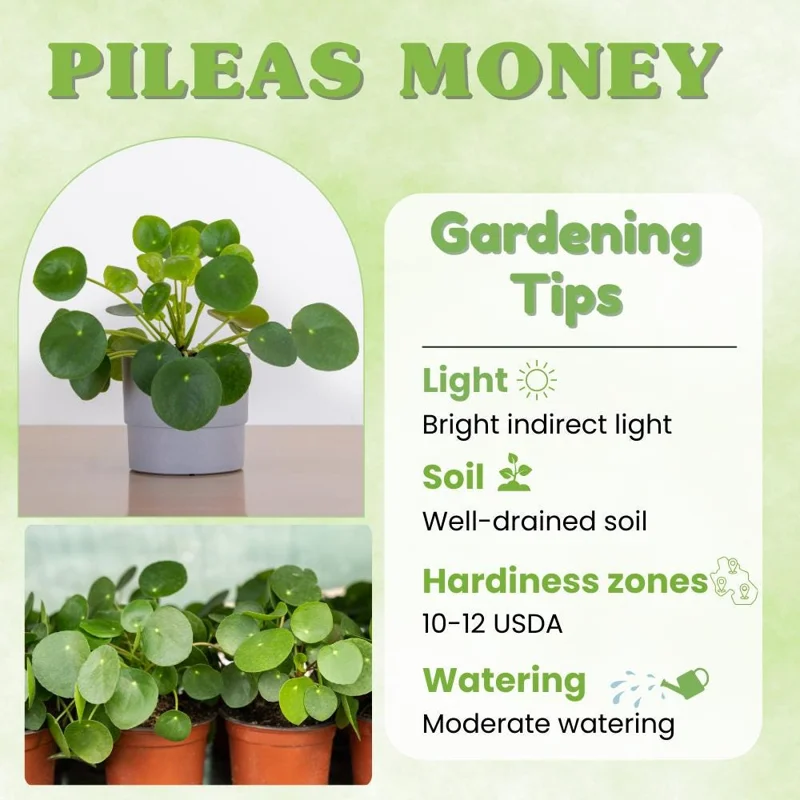
Caring for your pilea chinese money live plant is straightforward, making it an ideal choice for both novice and experienced plant parents. Understanding its basic needs will ensure your plant thrives and continues to produce its charming coin shaped leaves. This plant prefers bright, indirect light. Place it near a north or east-facing window, or a few feet away from a south or west-facing window where it won’t receive harsh, direct sunlight, which can scorch its leaves. If the light is too low, the plant may become leggy and its leaves might appear smaller. Rotating the plant regularly will encourage even growth and prevent it from leaning towards the light source.
When it comes to watering, the Pilea prefers its soil to dry out slightly between waterings. Stick your finger about an inch or two into the soil; if it feels dry, it’s time to water. Ensure the pot has drainage holes to prevent waterlogging, which can lead to root rot. Overwatering is a common issue, so it’s better to underwater slightly than to overwater. During the growing season (spring and summer), you may need to water more frequently, while in winter, the plant’s water needs will decrease. Humidity is also appreciated, so consider misting your plant occasionally or placing it near a humidifier, especially in dry environments. This contributes greatly to successful pilea plant care.
The ideal soil for a Pilea is a well-draining potting mix. A standard indoor potting mix amended with perlite or coarse sand for improved drainage works well. Fertilize your indoor money plant sparingly, typically once a month during the spring and summer growing season, using a balanced liquid fertilizer diluted to half strength. Avoid fertilizing in fall and winter when the plant’s growth slows. The Pilea thrives in average room temperatures, generally between 65-75°F (18-24°C). Avoid sudden temperature fluctuations or cold drafts. While primarily an indoor plant, it can be placed outdoors in a shaded area during warm summer months, but be sure to bring it in before temperatures drop. This plant is generally pest-resistant, but keep an eye out for common houseplant pests like spider mites or mealybugs and treat them promptly if they appear.
Size & Details
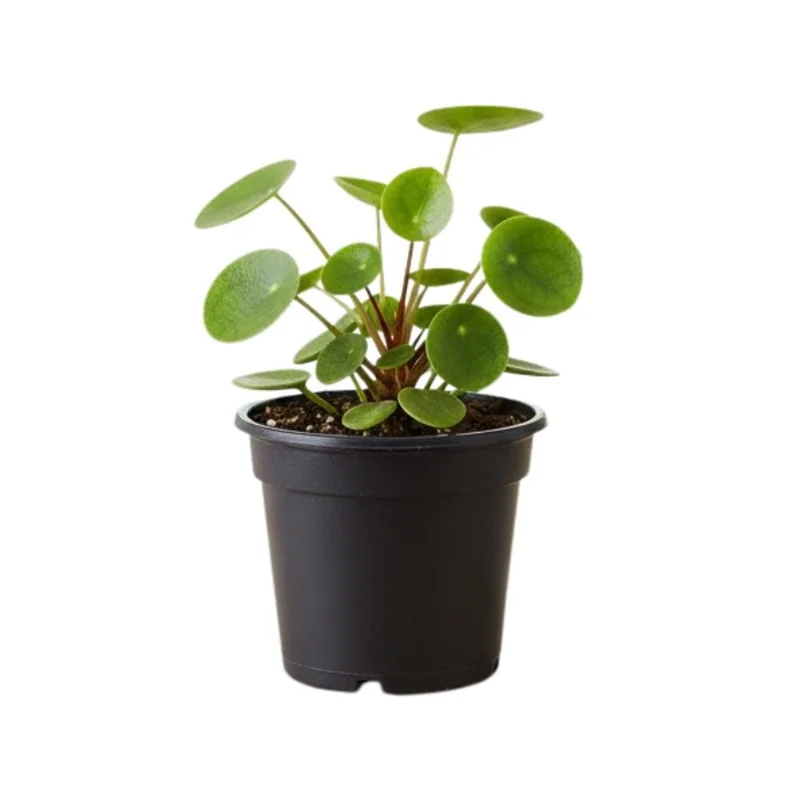
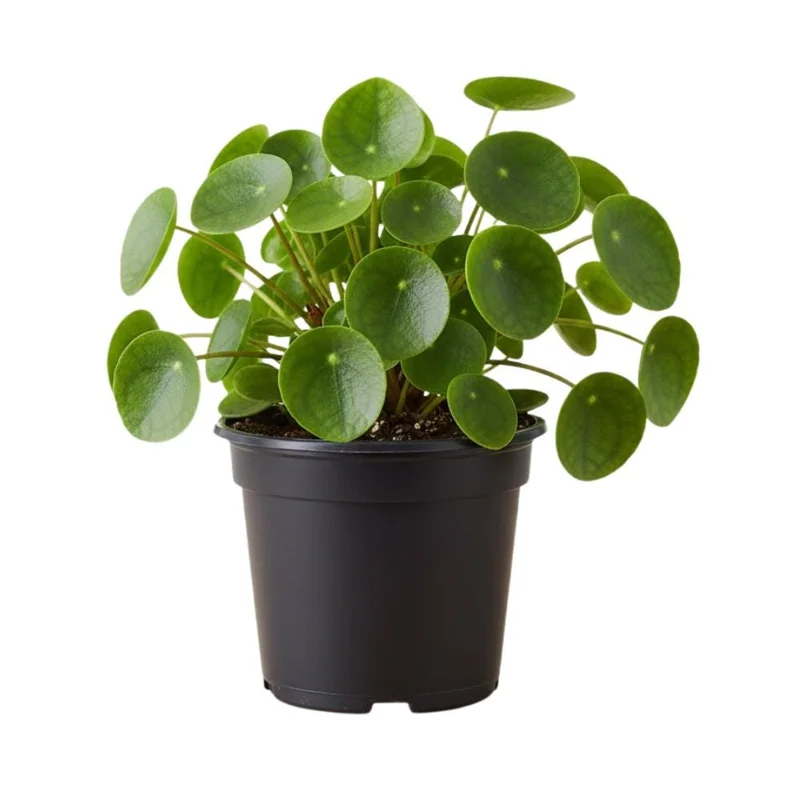
This pilea chinese money live plant is cultivated to be a robust and healthy specimen upon arrival, ready to continue its growth journey in your home. It typically arrives in a standard nursery pot, well-rooted and established, ensuring an easy transition. The plant size is suitable for immediate display on desks, shelves, or as a charming table centerpiece. While specific dimensions can vary slightly due to natural growth, you can expect a compact plant that usually reaches a mature height of 10 to 12 inches indoors, with a similar spread, creating a full and bushy appearance. Its growth rate is moderate, meaning you’ll observe noticeable changes and the development of new coin shaped leaves over time without it outgrowing its space too quickly.
The plant is shipped carefully packed to protect its delicate foliage and ensure it arrives in excellent condition. It is grown to be an easy care houseplant, making it suitable for a wide range of growing environments within your home. Over time, as the plant matures, it will naturally produce small offsets or ‘pups’ at its base, which can be easily separated and propagated to create new plants. This natural propagation is a delightful aspect of pilea plant care, allowing you to expand your collection or share with others. The Pilea is typically enjoyed as a long-lived perennial indoors, offering years of green beauty with proper care.
Frequently Asked Questions
- Q: How big does this pilea chinese money live plant get? A: A mature Pilea Chinese Money Plant typically grows to an average height of 10-12 inches indoors, with a similar spread. Its compact nature makes it ideal for smaller spaces like desks and shelves, and it maintains an attractive, rounded shape.
- Q: Is this an indoor or outdoor plant? A: The Pilea Chinese Money Plant is predominantly an indoor money plant. It thrives in typical indoor temperatures and bright, indirect light. While it can be placed outdoors in a shaded spot during warm summer months, it must be brought inside before temperatures drop below 50°F (10°C).
- Q: How much sunlight does the Pilea need? A: This plant prefers bright, indirect light. Direct, harsh sunlight can scorch its leaves, while too little light can lead to leggy growth and smaller leaves. An east or north-facing window is often ideal, or a few feet away from a south or west-facing window.
- Q: Is this plant easy to care for? A: Yes, the Pilea Chinese Money Plant is widely considered an easy care houseplant, making it perfect for beginners. Its care requirements are relatively simple: bright indirect light, well-draining soil, and watering when the top soil dries out.
- Q: What condition will the pilea chinese money live plant arrive in? A: Your plant will arrive well-rooted in a nursery pot, carefully packaged to ensure its safety during transit. It will be ready for continued growth and immediate placement in your home.
- Q: Is the Pilea pet-safe? A: The Pilea peperomioides is generally considered non-toxic to cats and dogs, making it a safe choice for homes with pets. However, it’s always best to prevent pets from ingesting any houseplant.
- Q: How often should I water my indoor money plant? A: Water your Pilea when the top 1-2 inches of soil feel dry to the touch. This typically means once every 1-2 weeks, but can vary based on light, humidity, and time of year. Always ensure the pot has good drainage.
- Q: What kind of soil is best for pilea plant care? A: A well-draining potting mix is crucial. You can use a standard indoor potting mix and enhance its drainage by adding perlite or coarse sand. Good drainage prevents root rot and keeps your plant healthy.
- Q: Why are my Pilea’s coin shaped leaves turning yellow? A: Yellowing leaves can often indicate overwatering or underwatering. Check your watering schedule and ensure the soil is drying out sufficiently between waterings. It can also be a sign of nutrient deficiency or too much direct sunlight.
- Q: Can I propagate this plant? A: Absolutely! The Pilea is famous for producing ‘pups’ or offsets from its main stem or roots. These can be carefully separated and rooted in water or soil to create new plants, making propagation an enjoyable part of pilea plant care.




Reviews
There are no reviews yet.