Overview
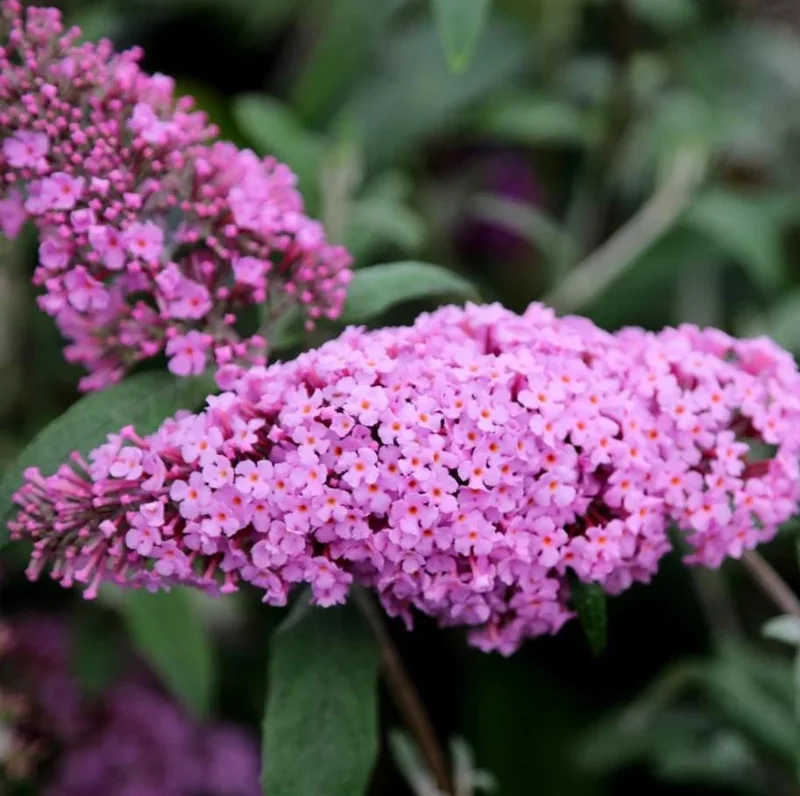
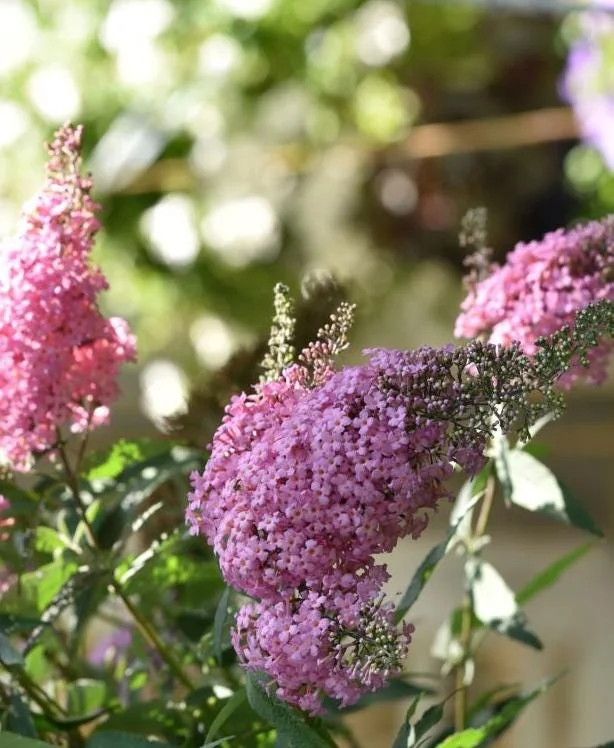
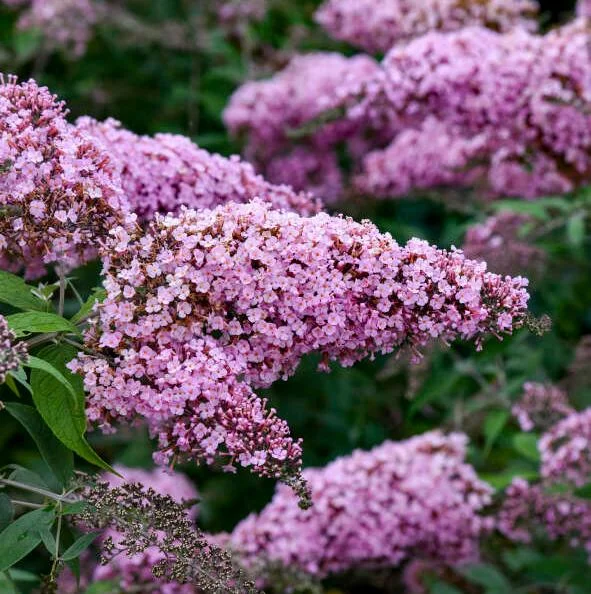
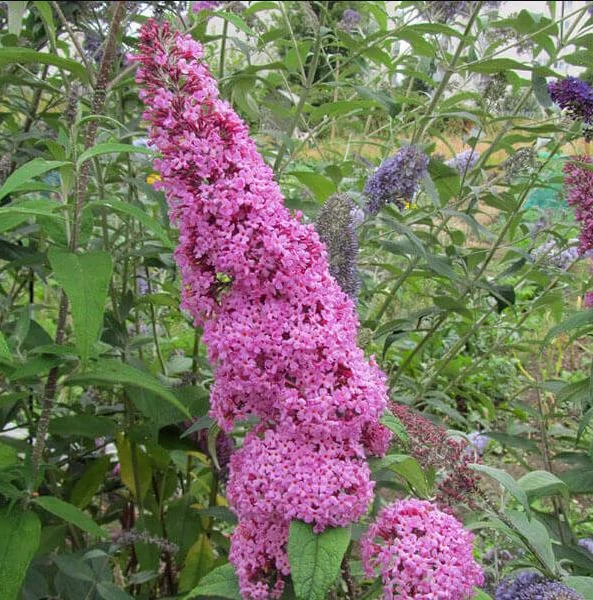
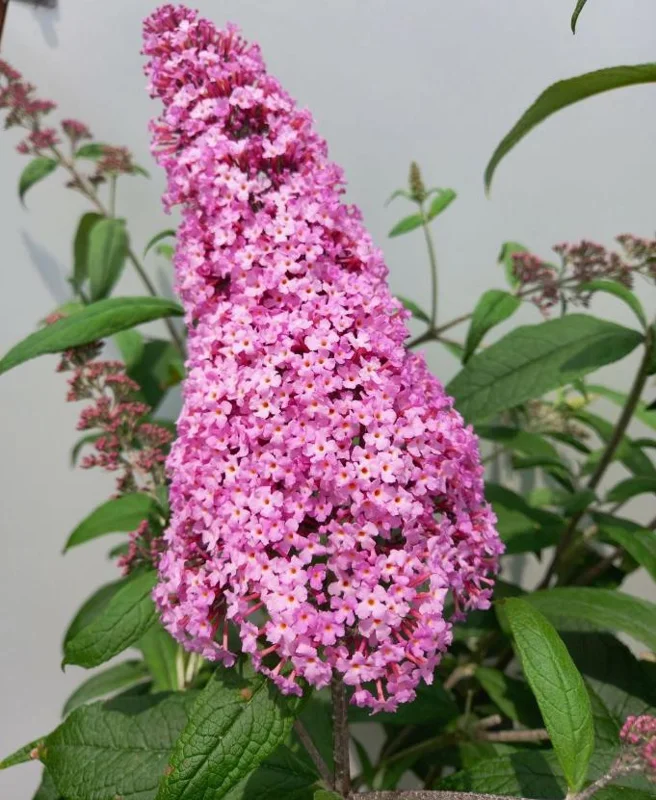
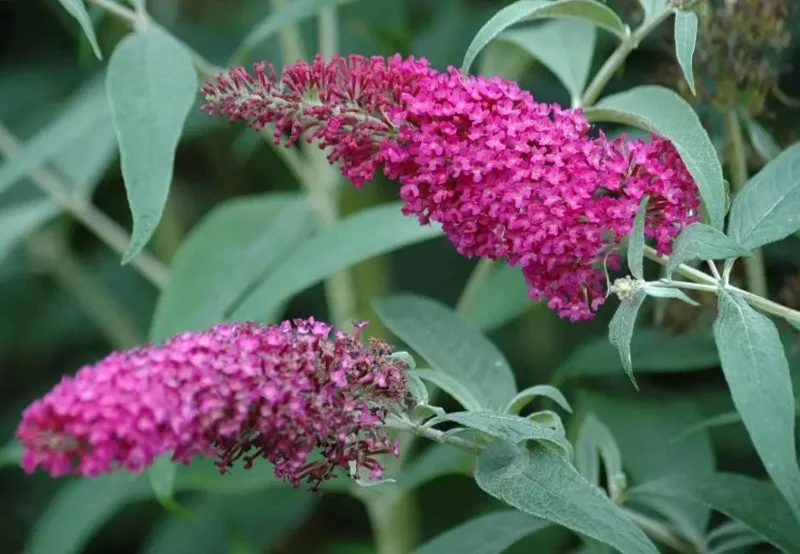
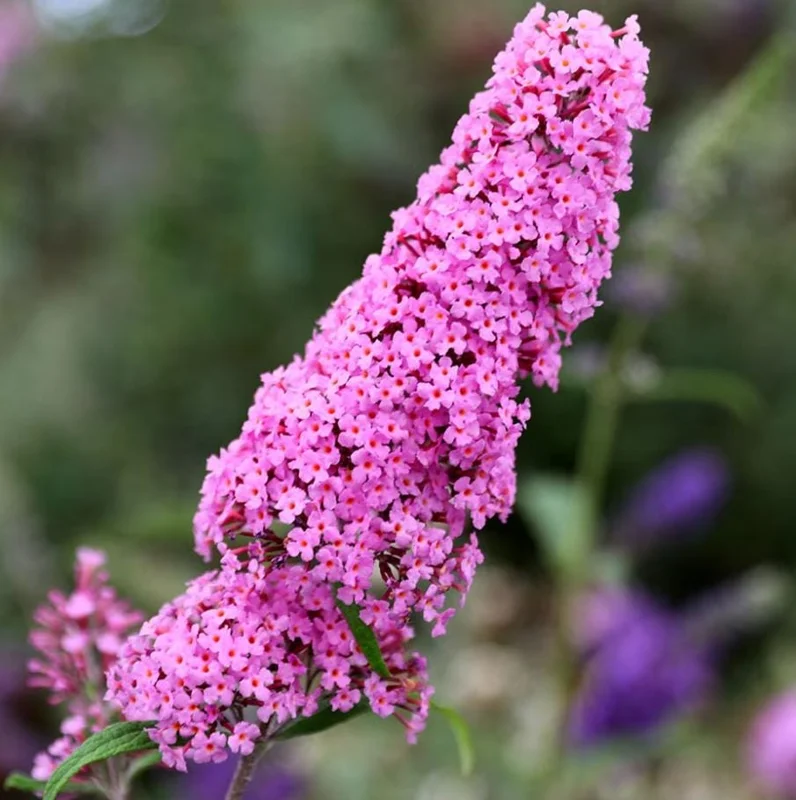
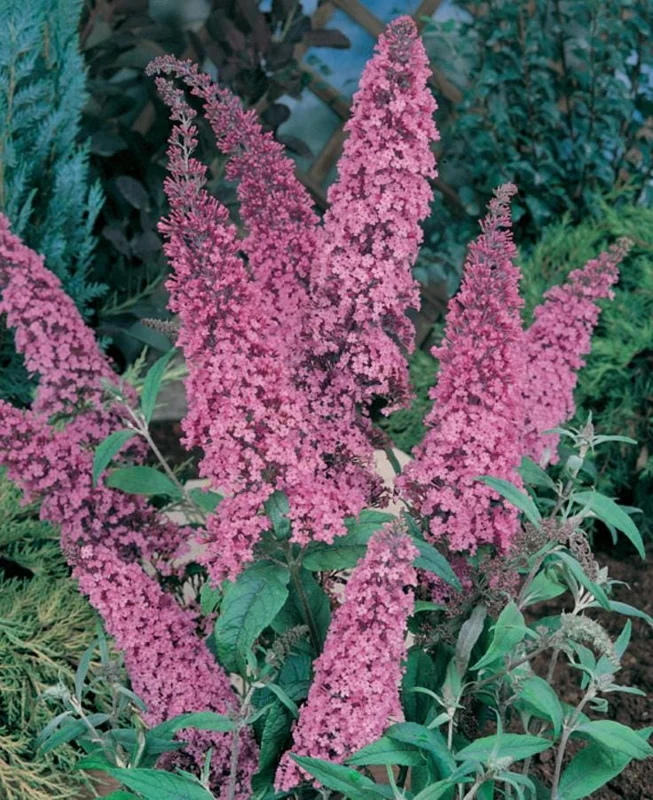
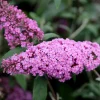
Transform your outdoor space into a pollinator’s paradise with the stunning pink butterfly bush live plant. This vibrant Buddleia Davidii, also known as Summer Lilac, is celebrated for its abundant, fragrant, cone-shaped flower clusters that bloom profusely from summer into fall. The captivating pink hues and sweet scent are irresistible to butterflies, hummingbirds, and other beneficial insects, making it a dynamic and engaging addition to any garden. This hardy shrub is known for its vigorous growth and ability to thrive in various conditions, providing continuous beauty and ecological benefit. Whether you’re a seasoned gardener or just starting, growing a pink butterfly bush live plant offers a rewarding experience with minimal fuss, delivering maximum visual impact and attracting cherished wildlife right to your doorstep.
Our pink butterfly bush live plant arrives ready to be planted, ensuring a smooth transition to your garden. Its fast-growing nature means you won’t have to wait long to enjoy its spectacular blooms. Beyond its aesthetic appeal, this plant also contributes to biodiversity by providing a vital nectar source for pollinators during crucial months. Embrace the joy of gardening with a plant that is as delightful to observe as it is easy to maintain, creating a lively and colorful focal point in your landscape.
Key Benefits
The pink butterfly bush live plant offers numerous advantages for both your garden and the local ecosystem. Its captivating presence and ease of care make it a top choice for gardeners seeking both beauty and functionality.
- Attracts Pollinators: The vibrant pink flowers are a magnet for butterflies, bees, and hummingbirds, turning your garden into a buzzing sanctuary of life and activity. This helps support local ecosystems and promotes healthy plant growth.
- Long Blooming Season: Enjoy continuous blooms from early summer through fall. The extended flowering period ensures your garden remains colorful and lively for months, providing a consistent food source for pollinators.
- Fragrant Flowers: The delicate, sweet fragrance emitted by the flower clusters adds another sensory layer to your garden experience, making outdoor spaces more inviting and enjoyable. The pleasant aroma can fill your garden on warm days.
- Low Maintenance: Once established, the pink butterfly bush live plant is remarkably resilient and drought-tolerant, requiring minimal attention. This makes buddleia davidii care simple and suitable for busy gardeners.
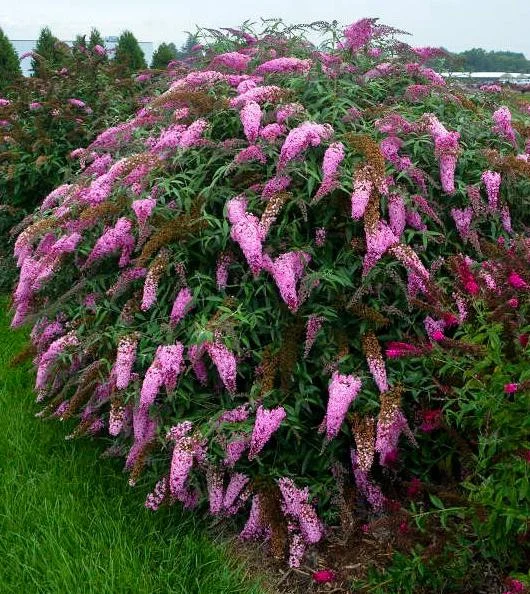
- Vigorous Growth: Known for its rapid growth rate, this shrub quickly fills out, providing substantial visual impact and structure to your garden beds or borders. You’ll see significant development in its first growing season.
- Deer Resistant: Generally, deer tend to avoid butterfly bushes, which is a significant advantage for gardeners in areas where deer browse can be an issue. This helps protect your investment and effort.
- Versatile Landscaping: Its medium size and attractive form make it ideal for various garden applications, including mixed borders, mass plantings, specimen plants, or even large containers. Learn about planting butterfly bush to maximize its potential.
Plant Care & Growing Tips
Successful buddleia davidii care is straightforward, making this a rewarding plant for gardeners of all skill levels. To ensure your pink butterfly bush live plant thrives, proper attention to its specific needs for sunlight, soil, and watering is essential. This plant prefers a location with full sun, meaning at least 6-8 hours of direct sunlight per day. Adequate sunlight is crucial for prolific blooming and strong, healthy growth. While it can tolerate some partial shade, flowering may be reduced. When it comes to soil, the butterfly bush is not overly particular but thrives in well-draining soil with a slightly acidic to neutral pH (6.0-7.5). Avoid heavy, waterlogged soils, as these can lead to root rot. If your soil is clay-heavy, amending it with organic matter like compost can significantly improve drainage and aeration.
Watering is critical, especially for new plants. Keep the soil consistently moist but not soggy, watering 2-3 times per week during the initial establishment phase. Once mature, the pink butterfly bush live plant becomes quite drought-tolerant, usually requiring water only once a week unless there’s sufficient rainfall. Fertilize in early spring with a balanced fertilizer (such as a 10-10-10 formula) to encourage robust growth and abundant flowering. Be cautious not to over-fertilize, as excessive nitrogen can prioritize foliage growth over bloom production. Pruning is best done in late winter or early spring before new growth emerges. Cut the plant back to about 12-24 inches above the ground to promote strong new shoots and maintain a desirable shape. Regularly remove dead or weak branches to keep the plant healthy and vigorous. Understanding these aspects of planting butterfly bush will lead to a flourishing garden.
Size & Details
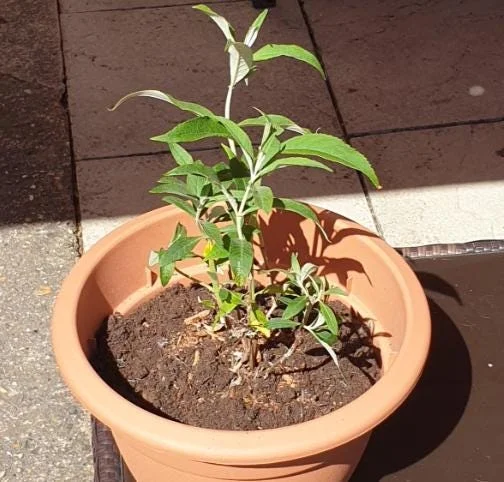
This pink butterfly bush live plant is shipped as a healthy, actively growing specimen, measuring approximately 5 to 9 inches tall from the base of the plant to the tip of its tallest stem. It is carefully prepared for shipment without a pot to minimize stress and ensure safe transit, ready for immediate planting upon arrival. While exact dimensions can vary slightly due to natural growth, you can expect a robust young plant that is well-rooted and eager to establish itself in your garden. The Buddleia Davidii is known for its relatively fast growth rate, and under optimal conditions, it can reach a mature height of 6 to 12 feet and a similar spread within a few seasons, providing a substantial presence in your landscape. This variety is perfect for creating a beautiful, fragrant hedge or a standout specimen plant. The expected time to first bloom is typically within the first growing season after planting, especially with proper care and adequate sunlight, allowing you to enjoy the delightful fragrant butterfly bush flowers relatively quickly.
Frequently Asked Questions
- Q: How big does this plant get? A: This pink butterfly bush live plant typically grows to a mature height of 6 to 12 feet tall and can spread equally wide, forming a substantial shrub. Its size makes it ideal for back borders or as a focal point.
- Q: Is this an indoor or outdoor plant? A: The pink butterfly bush live plant is primarily an outdoor plant, thriving in garden beds, and can also be grown in large containers on patios or decks. It requires full sun exposure to flourish.
- Q: How much sunlight does it need? A: This plant requires full sun, meaning at least 6-8 hours of direct sunlight per day, to produce the most abundant and vibrant blooms. Insufficient light can lead to leggy growth and fewer flowers.
- Q: Is this plant easy to care for? A: Yes, the pink butterfly bush live plant is considered very easy to care for, especially once established. Its drought tolerance and general hardiness make buddleia davidii care suitable for beginners and experienced gardeners alike.
- Q: What condition will it arrive in? A: Your pink butterfly bush live plant will arrive as a healthy, bare-root specimen, carefully packed to ensure its vitality during transit. It’s ready for immediate planting upon arrival.
- Q: How long until it blooms? A: With proper care and planting, your pink butterfly bush live plant can begin to bloom in its first growing season after planting, providing beautiful fragrant butterfly bush flowers by mid-summer.
- Q: Will it survive winter in my zone? A: Butterfly bushes are generally hardy in USDA Zones 5-9. In colder zones, they may die back to the ground but often re-emerge from the roots in spring. For best results, consult your local hardiness zone.
- Q: What is the best time for planting butterfly bush? A: The ideal time for planting butterfly bush is in spring after the last frost, or in early fall. This allows the plant to establish its root system before extreme weather conditions.
- Q: Is the fragrant butterfly bush attractive to pests? A: While generally robust, like all plants, it can occasionally encounter pests. However, it’s relatively resistant, and its strong aroma often deters many common garden nuisances.
- Q: What type of soil does it prefer? A: It prefers well-draining soil that is slightly acidic to neutral. Good drainage is crucial to prevent root issues, so amending heavy soils with organic matter can be beneficial.




Reviews
There are no reviews yet.