Overview
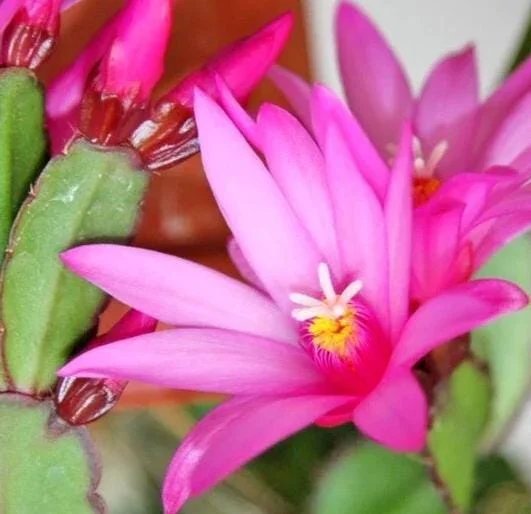
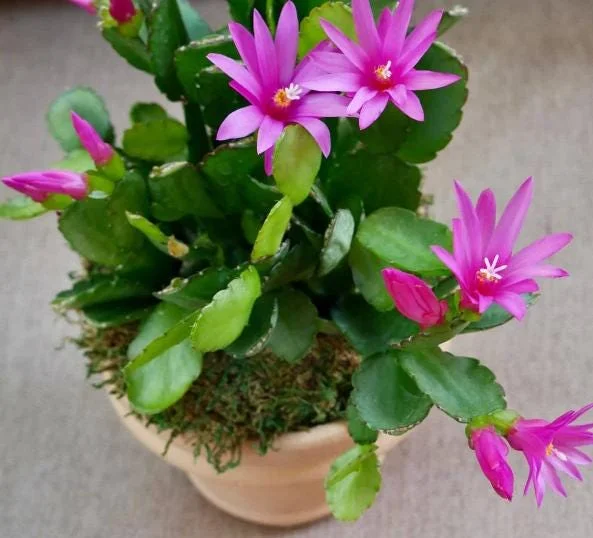
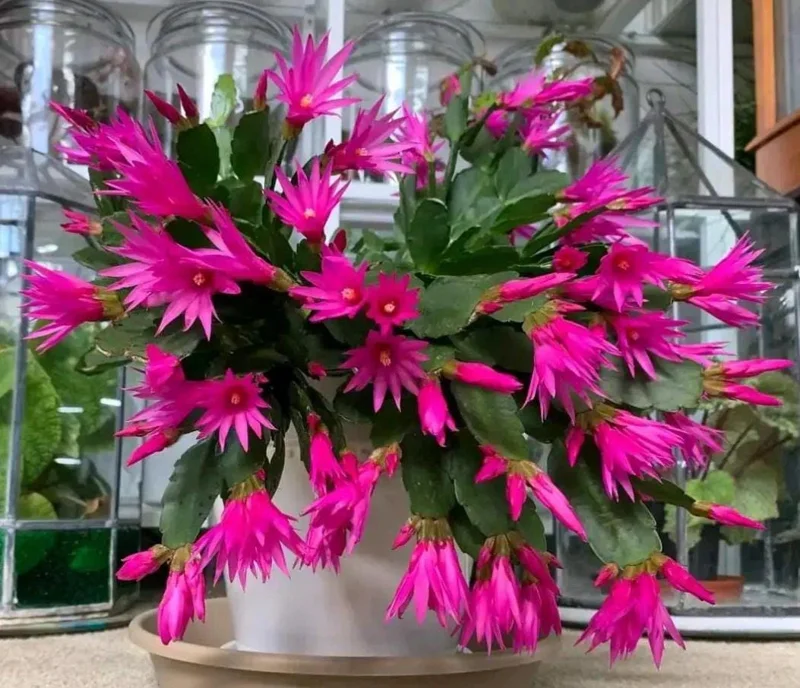
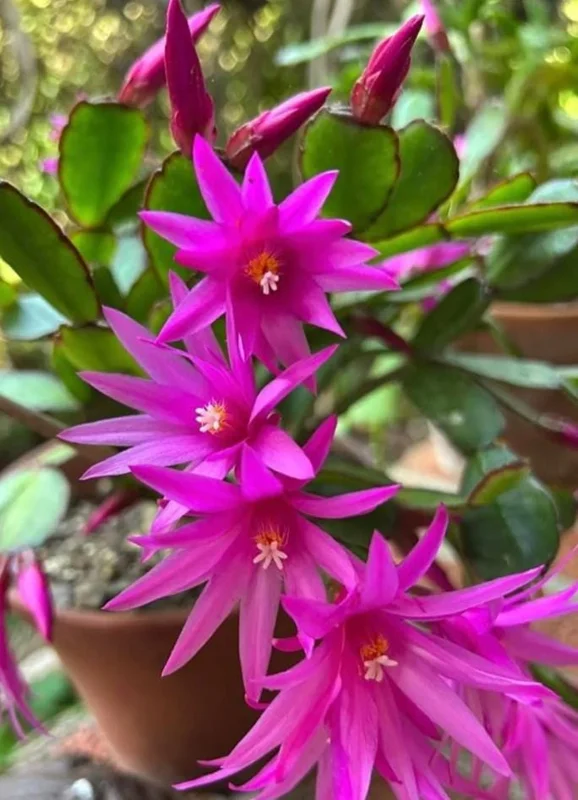
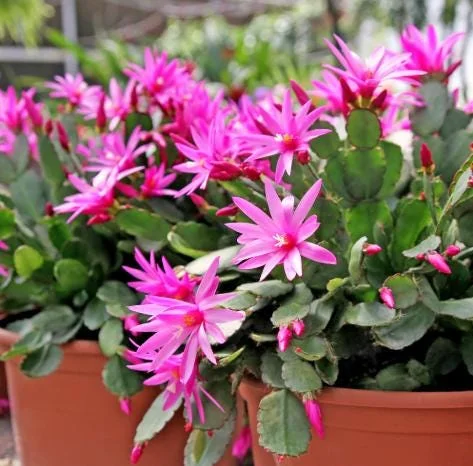
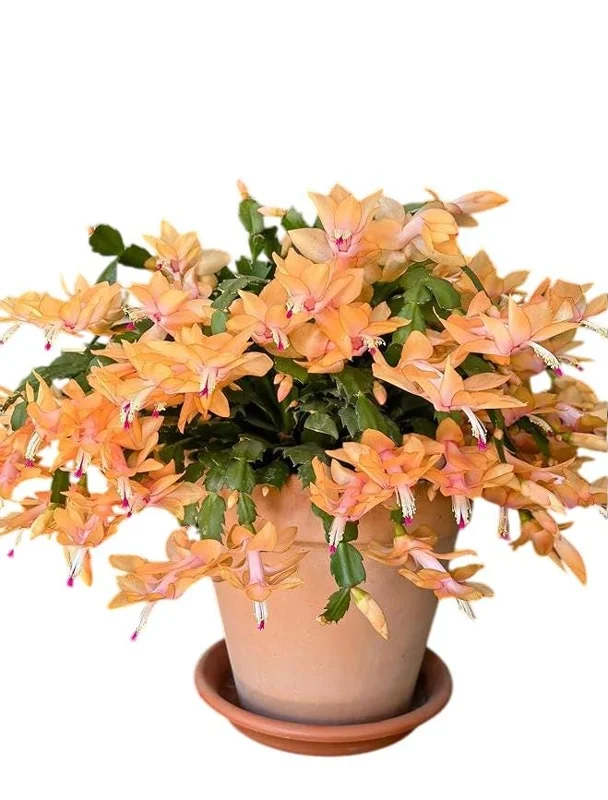
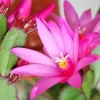
Introduce a burst of vibrant color and life into your home with a stunning pink Easter cactus plant. This captivating live Easter cactus (scientifically known as Rhipsalidopsis gaertneri) is a true gem among houseplants, celebrated for its spectacular star-shaped pink blooms that typically emerge in spring, often coinciding with the Easter holiday. Unlike its desert-dwelling cousins, this tropical epiphytic cactus is native to the rainforests of Brazil, thriving in humid environments with dappled light. Its unique flat, segmented green stems grow in an elegant, slightly trailing form, culminating in a dazzling display of flowers at the tips of its segments. Perfect for windowsills, hanging baskets, or as a festive centerpiece, the pink Easter cactus plant offers year-round greenery and a breathtaking floral show.
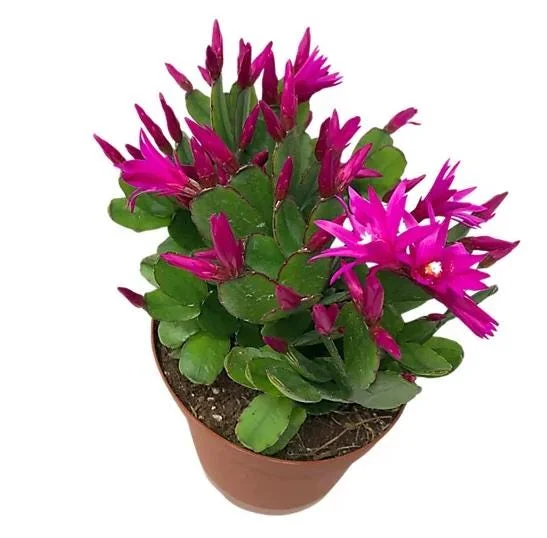
This particular variety promises the classic vibrant pink hues that make Easter cacti so beloved. Its compact size makes it an excellent choice for smaller spaces or as part of a larger plant collection. Easy to care for and visually striking, it’s a delightful addition for both seasoned plant enthusiasts and beginners looking to add a touch of exotic beauty to their indoor garden.
Key Benefits
The pink Easter cactus plant offers a multitude of benefits, making it a highly desirable addition to any indoor plant collection. From its aesthetic appeal to its relatively easy care, this plant is sure to bring joy and beauty into your home. Its unique flowering cycle provides a refreshing change from typical foliage plants.
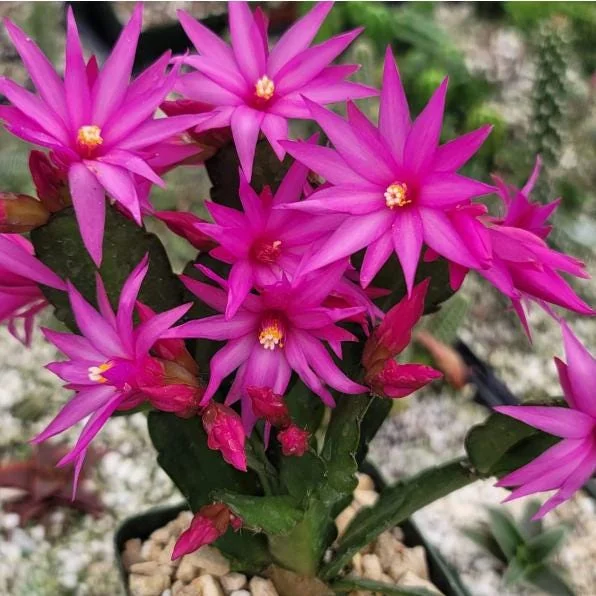
- Stunning Seasonal Blooms: Enjoy a spectacular display of star-shaped pink flowers, typically blooming in spring, adding a festive and cheerful atmosphere to your home, especially around the Easter season. These vibrant blossoms are a true highlight.
- Low Maintenance Houseplant: Despite its exotic appearance, this live Easter cactus is surprisingly easy to care for, making it suitable for both novice and experienced plant owners. It requires less frequent watering than many other houseplants.
- Compact & Versatile Size: Growing in a compact, slightly trailing form, this plant is perfect for small spaces, desks, shelves, or hanging baskets, offering versatility in placement and design. Its manageable size ensures it fits well in various home aesthetics.
- Air Purifying Qualities: Like many houseplants, the pink Easter cactus plant contributes to a healthier indoor environment by helping to filter airborne toxins, promoting better air quality for you and your family.
- Long-Lived Beauty: With proper care, this flowering holiday cactus can thrive for many years, providing recurring seasonal blooms and consistent green foliage, becoming a cherished part of your home decor.
- Unique Tropical Appeal: Its tropical epiphytic nature and segmented stems offer a distinct and intriguing appearance, setting it apart from common houseplants and adding an exotic touch to your interior design.
- Ideal Gift Choice: Due to its beautiful blooms and relatively easy care, this indoor spring cactus makes an excellent and thoughtful gift for friends and family, especially during the spring holidays.
Plant Care & Growing Tips
Caring for your pink Easter cactus plant is a rewarding experience, and with the right approach, you can enjoy its beautiful blooms for years to come. Unlike desert cacti, this tropical variety has specific needs that mimic its rainforest origins. Proper care will ensure a healthy plant and abundant flowering.
When it comes to light, the Rhipsalidopsis gaertneri thrives in bright, indirect light. Avoid direct, intense sunlight, especially during the hottest parts of the day, as this can scorch its delicate stems. An east or north-facing window is often ideal, providing ample light without harsh exposure. If placed in a south or west-facing window, ensure it’s set back a few feet or protected by sheer curtains. Regarding watering, it’s crucial to use a well-draining cactus or succulent mix. Water thoroughly when the top 1 inch of soil feels dry to the touch. During its active growing and blooming season (spring to summer), keep the soil slightly moist, but never waterlogged. Reduce watering significantly in winter when the plant is dormant, allowing the soil to dry out more between waterings. Overwatering is a common cause of issues, so always check soil moisture before adding more water.
Temperature and humidity are also important factors for your flowering holiday cactus. Ideal temperatures range between 60°F and 75°F (15°C to 24°C). These plants appreciate higher humidity, so consider placing a humidifier nearby or misting occasionally, especially in dry indoor environments. Fertilize with a balanced liquid houseplant fertilizer diluted to half strength every 2-4 weeks during the growing season (spring and summer). Avoid fertilizing in fall and winter. For optimal blooming, a cool period of 6-8 weeks with temperatures around 50-55°F (10-13°C) and reduced watering in late fall/early winter can encourage flower bud formation. This indoor spring cactus is generally pest-resistant, but occasionally watch for common houseplant pests like mealybugs or spider mites, treating promptly if found.
Size & Details
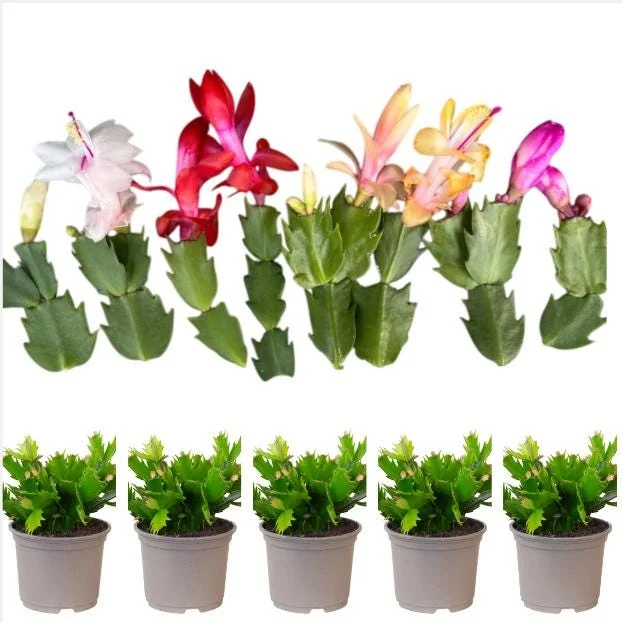
This pink Easter cactus plant arrives as a vibrant, healthy young specimen, perfectly sized for immediate display. It is typically supplied in a 2-inch nursery pot, providing a strong root system to help it establish quickly in its new home. The plant features multiple flat, segmented green stems that form a compact, slightly trailing mound, ready to produce its characteristic star-shaped pink blooms. While young, it will grow to a mature size, typically reaching a height of 8-12 inches and spreading up to 12-18 inches, making it a medium-sized houseplant.
You can expect to see its first blooms in the upcoming spring season, provided it receives appropriate care and a cool resting period in late autumn or early winter. This live Easter cactus is shipped as a potted plant, ensuring minimal transplant shock and allowing it to settle into your home environment with ease. Its moderate growth rate means it will gradually fill out, becoming a fuller, more impressive display each year. This Rhipsalidopsis gaertneri is a long-term companion for your indoor garden.
Frequently Asked Questions
- Q: How big does this pink Easter cactus plant get? A: This plant typically grows to a height of 8-12 inches and can spread up to 12-18 inches, forming a lovely, compact, slightly trailing mound. It arrives in a 2-inch pot.
- Q: Is this an indoor or outdoor plant? A: The pink Easter cactus plant is primarily an indoor houseplant in most climates. It can be moved outdoors to a shaded, protected spot during warm summer months, but should be brought inside before temperatures drop below 50°F (10°C).
- Q: How much sunlight does my flowering holiday cactus need? A: It prefers bright, indirect light. Avoid direct, harsh sunlight, which can scorch its leaves. An east or north-facing window is ideal, or a spot a few feet back from a south or west-facing window.
- Q: Is this plant easy to care for? A: Yes, the live Easter cactus is considered relatively easy to care for, making it a great choice for beginners. Its main requirements are bright indirect light, well-draining soil, and careful watering.
- Q: What condition will my indoor spring cactus arrive in? A: Your plant will arrive as a healthy, live potted plant in its 2-inch nursery pot, carefully packaged to ensure it reaches you in excellent condition, ready for planting or display.
- Q: How long until my Rhipsalidopsis gaertneri blooms? A: With proper care, including a cool rest period in late fall/early winter, you can expect your pink Easter cactus plant to produce its beautiful pink blooms in the upcoming spring season.
- Q: What’s the minimum temperature this plant can tolerate? A: This tropical cactus is sensitive to cold. It thrives in temperatures between 60-75°F (15-24°C) and should not be exposed to temperatures below 50°F (10°C).
- Q: What kind of soil should I use for my Easter cactus? A: Use a well-draining cactus or succulent potting mix. This will prevent waterlogging and ensure healthy root development for your flowering holiday cactus.
- Q: Is the pink Easter cactus pet-safe? A: While generally considered non-toxic to pets, it’s always best to prevent pets from consuming any houseplant to avoid potential stomach upset.
- Q: How often should I water my live Easter cactus? A: Water when the top 1 inch of soil feels dry. Keep the soil slightly moist during spring and summer, and reduce watering in fall and winter.









Reviews
There are no reviews yet.