Overview
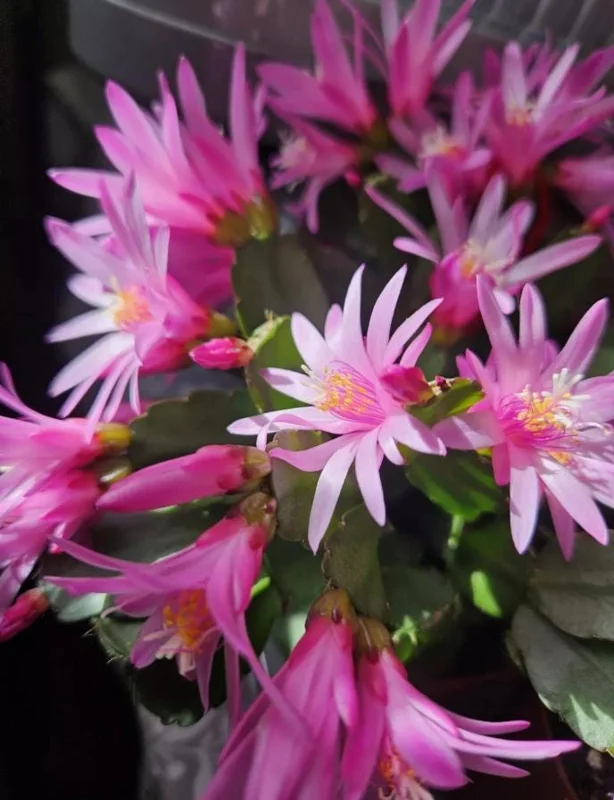
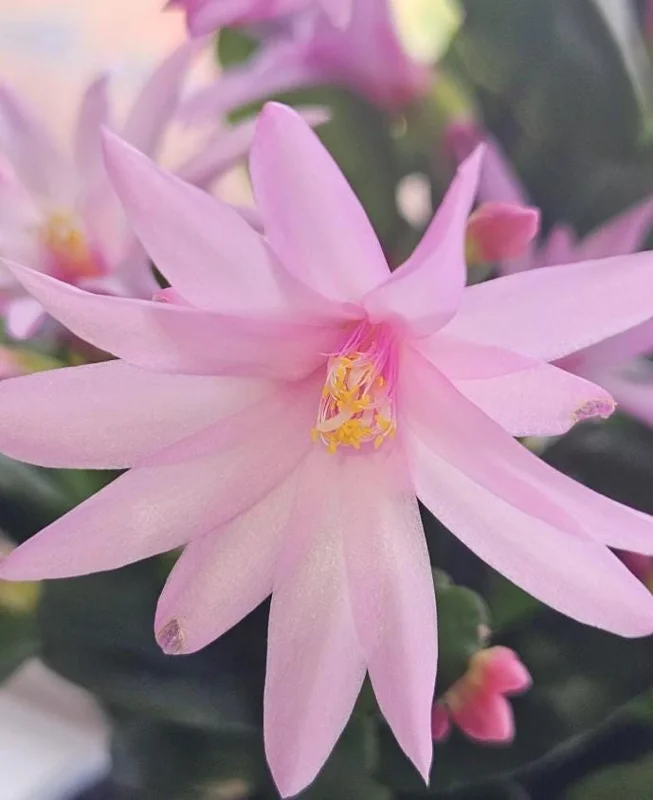
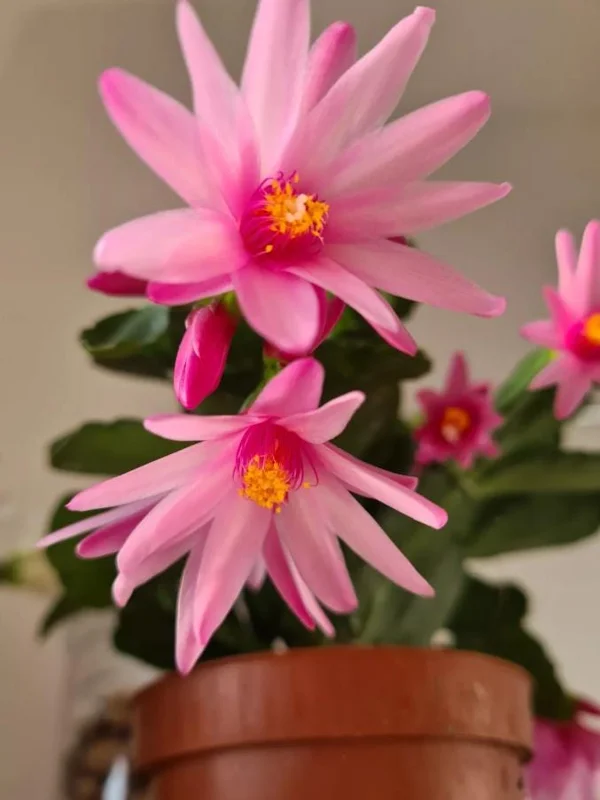
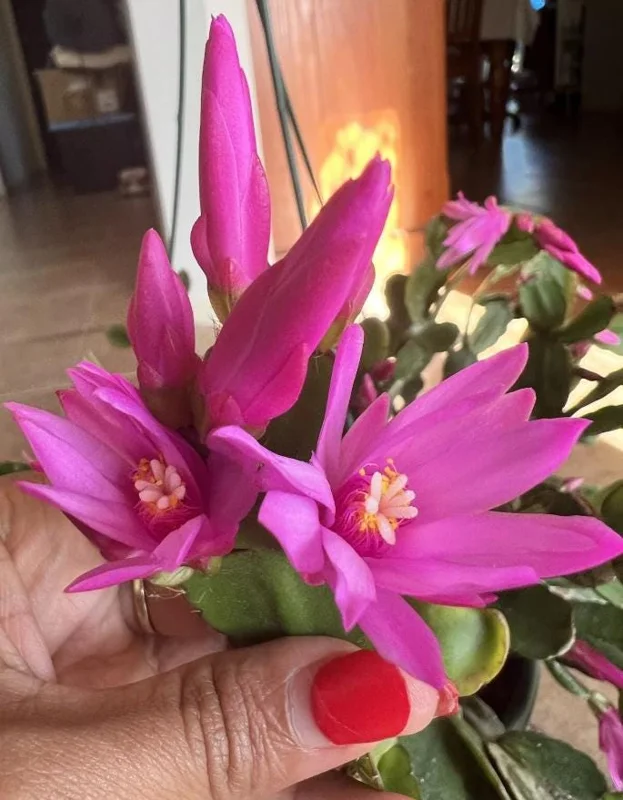
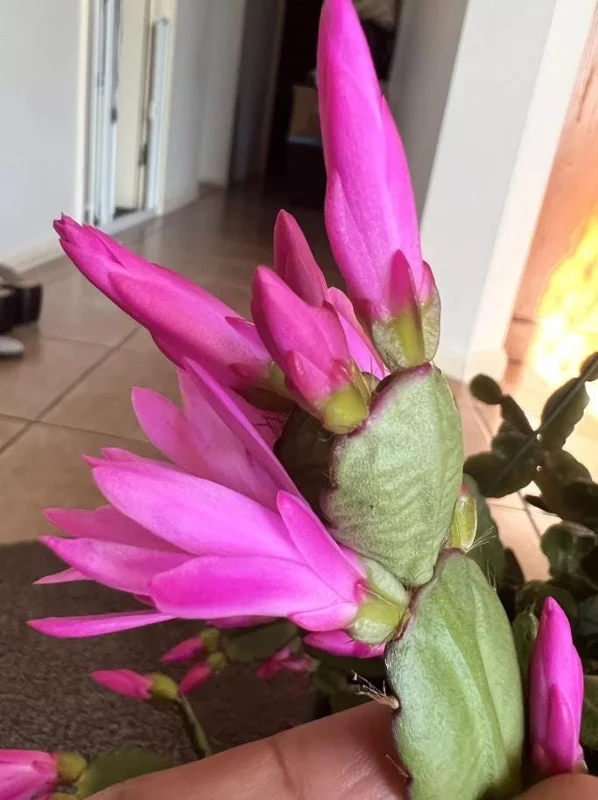
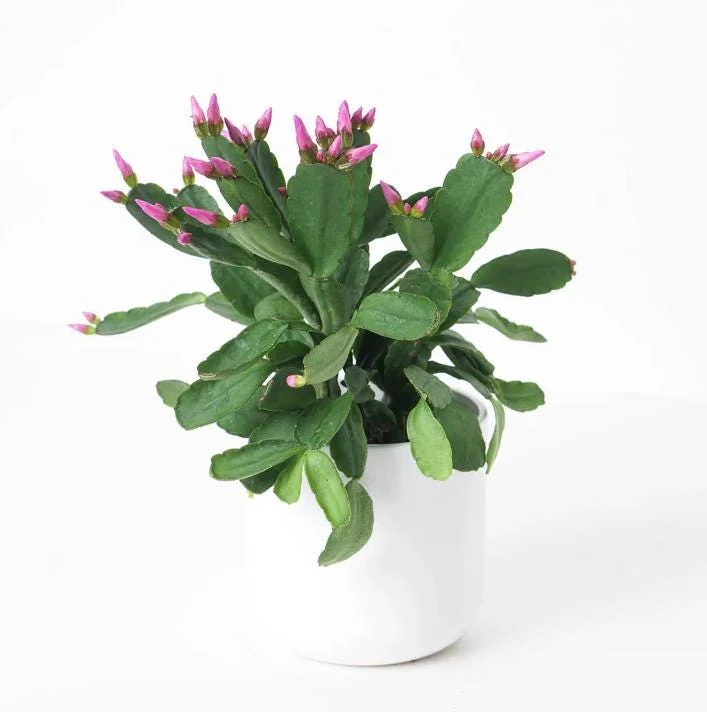
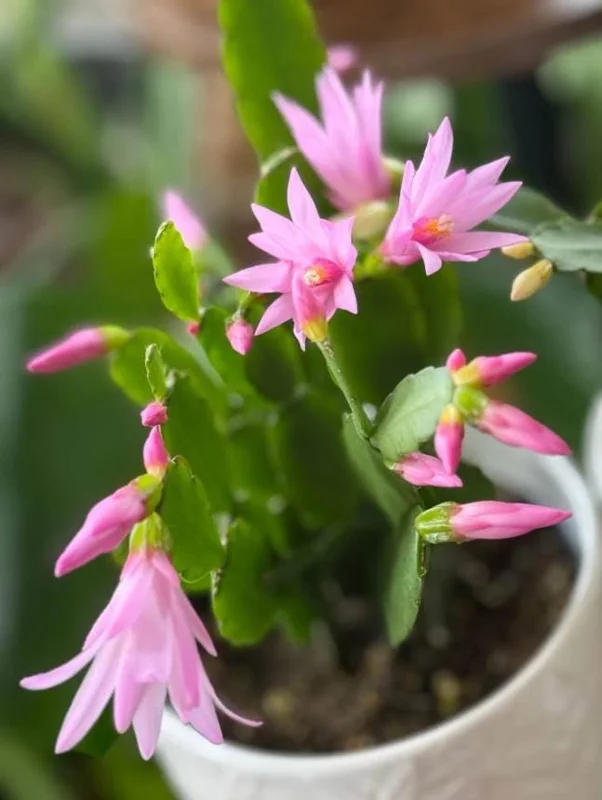
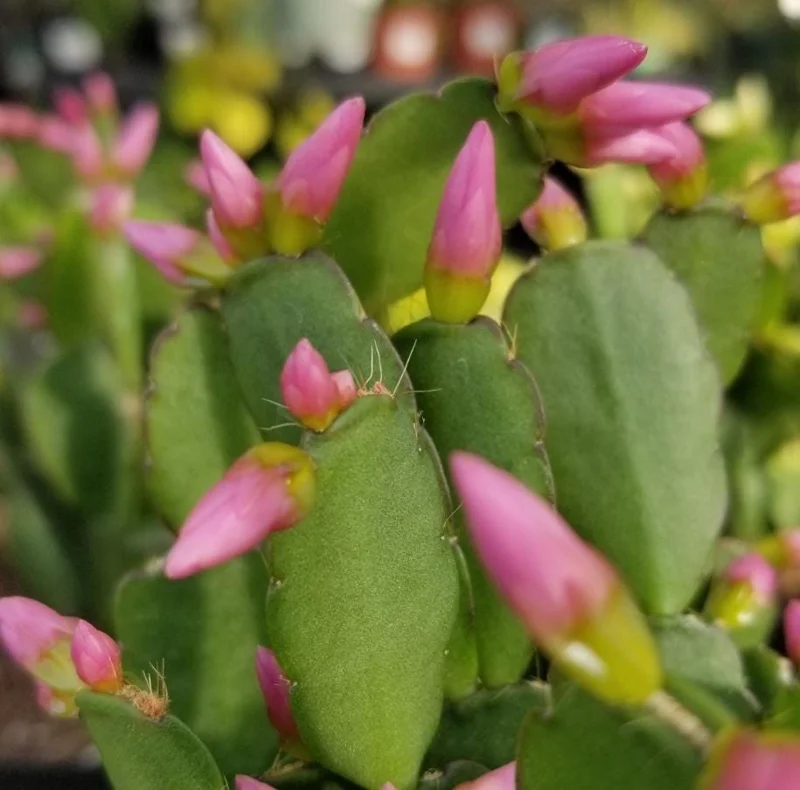
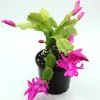
Introduce a touch of springtime magic into your home with the enchanting pink Easter cactus live plant. This captivating succulent, scientifically known as Rhipsalidopsis gaertneri, is a true spectacle, unfurling vibrant pink blooms typically around the Easter season. Unlike its desert cactus cousins, the Easter cactus is an epiphytic plant, naturally growing on trees in tropical rainforests. This particular specimen stands proudly at 5 to 6 inches tall, making it a perfect addition to any indoor plant collection. It arrives ready to thrive, providing a burst of refreshing color and natural beauty. The pink Easter cactus live plant is a wonderfully rewarding plant for both novice and experienced gardeners, offering a unique aesthetic that transforms your living space.
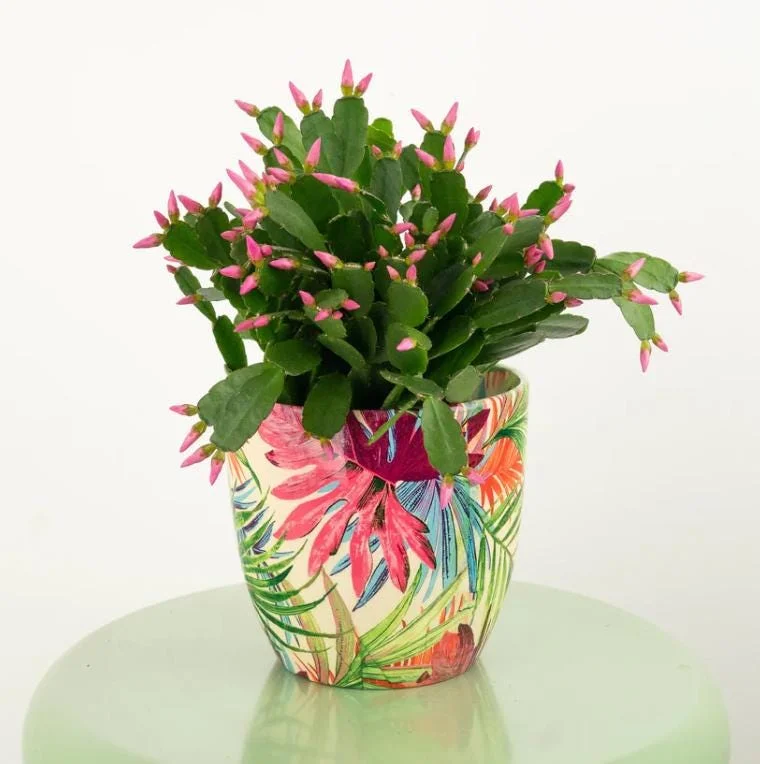
The Easter cactus is cherished for its distinctive flattened, segmented stems and its prolific, star-shaped flowers that appear in shades of pink, red, or white. This variant showcases a charming pink hue, promising to be a focal point in your home. Its relatively compact size makes it suitable for various settings, from a cozy kitchen window to a bright office desk. Caring for a pink Easter cactus live plant is a delightful experience, as it responds well to consistent attention and rewards you with spectacular seasonal displays. Prepare to be charmed by its elegant form and delightful blossoms.
Key Benefits
The pink Easter cactus live plant offers a multitude of benefits, making it an excellent choice for any plant enthusiast. Its unique characteristics contribute to both aesthetic appeal and ease of maintenance, ensuring a joyful gardening experience.
- Stunning Seasonal Blooms: The primary allure of the pink Easter cactus live plant is its breathtaking display of vibrant pink flowers that typically emerge in early spring, coinciding with the Easter holiday. These cheerful blossoms add a festive and colorful touch to your home just when you need it most after the winter months.
- Easy to Care For: Despite its exotic appearance, the Easter cactus is surprisingly low-maintenance. With proper light, water, and temperature, it can thrive and bloom successfully, making Rhipsalidopsis gaertneri care accessible for gardeners of all skill levels, including beginners.
- Compact and Versatile Size: Measuring 5-6 inches tall, this plant is perfectly sized for small spaces like windowsills, shelves, or tabletops. Its manageable dimensions allow it to fit seamlessly into diverse interior designs without overwhelming the space.
- Long-Lasting Foliage: Even when not in bloom, the segmented, green stems of the Easter cactus provide attractive, lush foliage. This ensures that your plant remains an appealing decorative element year-round, offering continuous natural beauty.
- Air Purifying Qualities: Like many houseplants, the Easter cactus contributes to a healthier indoor environment by helping to filter and purify the air. It’s a small step towards a fresher, more vibrant living space.
- Encourages Mindfulness: The ritual of caring for a plant, observing its growth, and anticipating its blooms can be a calming and meditative practice. The seasonal transformation of the Easter cactus provides a wonderful opportunity for mindful engagement with nature.
- Unique Holiday Decor: Beyond its natural beauty, the pink Easter cactus live plant serves as a living decoration, particularly fitting for spring and holiday themes. It offers a natural, sustainable alternative to artificial decor, bringing genuine life into your celebrations.
Plant Care & Growing Tips
Ensuring your pink Easter cactus live plant thrives and produces its stunning blooms requires attention to a few key care guidelines. Understanding the specific needs of this unique succulent will help you enjoy its beauty for years to come. Proper Rhipsalidopsis gaertneri care focuses on mimicking its natural rainforest environment while avoiding common pitfalls.
Sunlight Requirements: The Easter cactus prefers bright, indirect light. An east or north-facing window is ideal, providing gentle morning sun or consistent indirect light throughout the day. Direct, intense sunlight, especially during the afternoon, can scorch its delicate leaves and prevent blooming. While it can tolerate some morning sun, ensure it’s protected from harsh midday and afternoon rays. For optimal Easter cactus blooming tips, consistent, bright indirect light is crucial.
Watering Schedule and Soil Moisture: Water your Easter cactus when the top inch of soil feels dry to the touch, typically once a week during its active growing season in spring and summer. Reduce watering significantly in fall and winter when the plant is dormant or preparing to bloom. Use room-temperature, filtered, or distilled water if possible, as tap water can sometimes contain salts and chemicals that may harm the plant. It’s vital to avoid overwatering, which can lead to root rot. Always ensure the pot has drainage holes and empty any excess water from the saucer after watering.
Soil Type and Drainage: A well-draining potting mix is essential for the Easter cactus. A specialized cactus or succulent potting mix, often amended with perlite or orchid bark, provides the aeration and drainage these epiphytic plants need. This prevents waterlogged roots, which are detrimental to their health. Ensure the pot itself has adequate drainage holes to facilitate proper water runoff. For successful holiday cactus varieties, good drainage is non-negotiable.
Temperature Range and USDA Hardiness Zone: The Easter cactus thrives in average room temperatures between 60-75°F (16-24°C). Protect it from cold drafts and sudden temperature fluctuations. To encourage blooming, provide cooler nighttime temperatures (around 50-60°F or 10-15°C) in the fall for about 6-8 weeks. This temperature drop, combined with reduced watering and increased darkness, is a key component of effective Easter cactus blooming tips. While typically an indoor plant, if grown outdoors in very mild climates, it would correspond to USDA zones 10-11, where temperatures rarely drop below freezing.
Fertilization Schedule and Type: During the growing season (spring and summer), fertilize your Easter cactus once a month with a balanced liquid fertilizer, diluted to half strength (e.g., 10-10-10 or 20-20-20). Reduce feeding in the fall and cease entirely during winter dormancy. Over-fertilization can harm the plant, so always follow product instructions carefully. Providing adequate nutrients supports healthy growth and robust flowering for your indoor spring flowering plant.
Common Problems and Solutions: Yellowing leaves can indicate overwatering or nutrient deficiency. Adjust watering habits and consider a balanced fertilizer if needed. Lack of blooms often points to insufficient darkness, improper temperature cycling, or inadequate light during the growing season. Ensure the plant receives 12-14 hours of complete darkness daily for about 6 weeks in late fall to stimulate bud formation. Pests like mealybugs can be treated with insecticidal soap or neem oil. Regular inspection will help catch issues early for your pink Easter cactus live plant.
Size & Details
This vibrant pink Easter cactus live plant is carefully cultivated to ensure a healthy and robust specimen for your home. Each plant typically stands between 5 to 6 inches tall from the base of the soil to the top of the foliage, offering a substantial yet manageable size perfect for indoor display. It arrives nestled in a 3.5-inch nursery pot, providing a stable environment for its initial growth. The plant features multiple segmented stems, indicative of its healthy development and potential for prolific blooming. Its growth rate is moderate, allowing you to enjoy its current size for a significant period while it slowly matures. Expect the stunning pink flowers to emerge in early spring, usually around the Easter holiday, given proper care and environmental cues. This specific size is ideal for placement on windowsills, office desks, or as part of a larger indoor plant arrangement, adding a delicate splash of color and unique texture.
The plant is shipped as a live, established specimen in its nursery pot, ensuring minimal transplant shock upon arrival. This allows you to either keep it in its current container or easily transplant it into a decorative pot of your choosing. With consistent care, this pink Easter cactus live plant will continue to grow and reward you with its beautiful seasonal blooms year after year. Its compact form makes it a wonderful choice for those with limited space, or for anyone looking for a charming, long-lived indoor spring flowering plant that brings joy and beauty into their home.
Frequently Asked Questions
- Q: How big does this pink Easter cactus get? A: This particular pink Easter cactus live plant is currently 5-6 inches tall. With proper care, it can grow to be about 8-12 inches tall and wide, forming a lovely, bushy specimen over several years, making it a perfect size for indoor display.
- Q: Is this an indoor or outdoor plant? A: The Easter cactus is primarily an indoor plant, especially in most climates. It thrives in typical indoor temperatures and bright, indirect light. If you live in a very warm, humid climate (USDA zones 10-11), it can be grown outdoors in a shaded, protected spot.
- Q: How much sunlight does the Rhipsalidopsis gaertneri care require? A: This plant prefers bright, indirect light. An east or north-facing window is ideal. Avoid direct afternoon sun, which can scorch its leaves. Too little light can hinder flowering, so finding the right balance is key for proper Rhipsalidopsis gaertneri care.
- Q: Is this plant easy to care for? A: Yes, the pink Easter cactus live plant is considered relatively easy to care for, making it suitable for both beginners and experienced plant enthusiasts. The main considerations are proper watering, light, and a cool period to encourage blooming.
- Q: What condition will it arrive in? A: Your pink Easter cactus live plant will arrive as a healthy, live plant, shipped in its 3.5-inch nursery pot. It will be carefully packaged to ensure it reaches you in excellent condition, ready to be placed in your home.
- Q: How long until it blooms? A: Given proper care and a period of cool temperatures and reduced light in the fall, your Easter cactus should bloom in early spring, typically around Easter. The plant needs these specific conditions to set flower buds, so following the Easter cactus blooming tips is essential.
- Q: What is the best soil for this plant? A: The best soil for an Easter cactus is a well-draining mix, such as a specialized cactus or succulent potting mix. You can also amend regular potting soil with perlite, orchid bark, or coarse sand to improve drainage for your holiday cactus varieties.
- Q: Is this plant pet-safe? A: While generally considered non-toxic to pets, it’s always best to prevent pets from munching on any houseplants. Ingesting plant material can sometimes cause mild digestive upset.
- Q: How do I encourage more blooms? A: To encourage more blooms, ensure your plant receives a period of cooler temperatures (50-60°F) and 12-14 hours of complete darkness daily for about 6 weeks in late fall. Reduce watering slightly during this period. These are crucial Easter cactus blooming tips.
- Q: What are some other names for this plant? A: This plant is commonly known as Easter Cactus, Spring Cactus, and its scientific name is Rhipsalidopsis gaertneri. It is one of several popular holiday cactus varieties, often confused with Thanksgiving or Christmas cacti.








Reviews
There are no reviews yet.