Overview
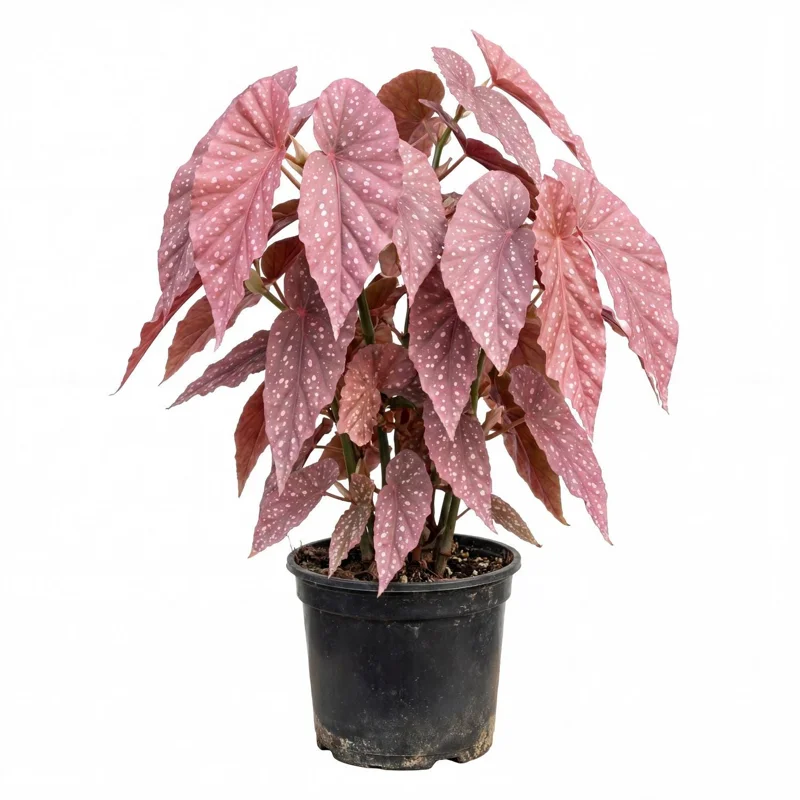
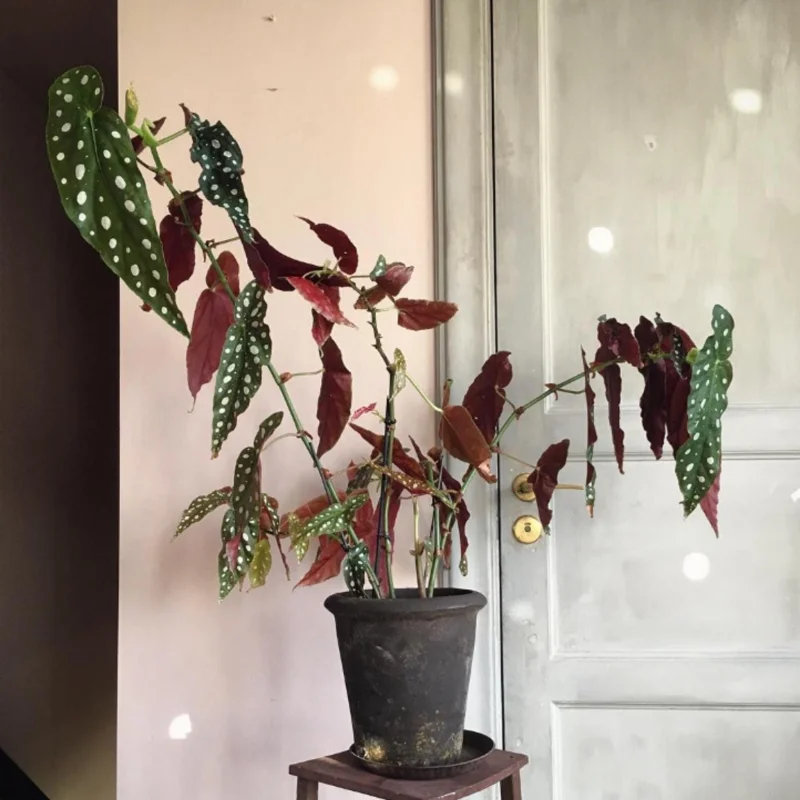
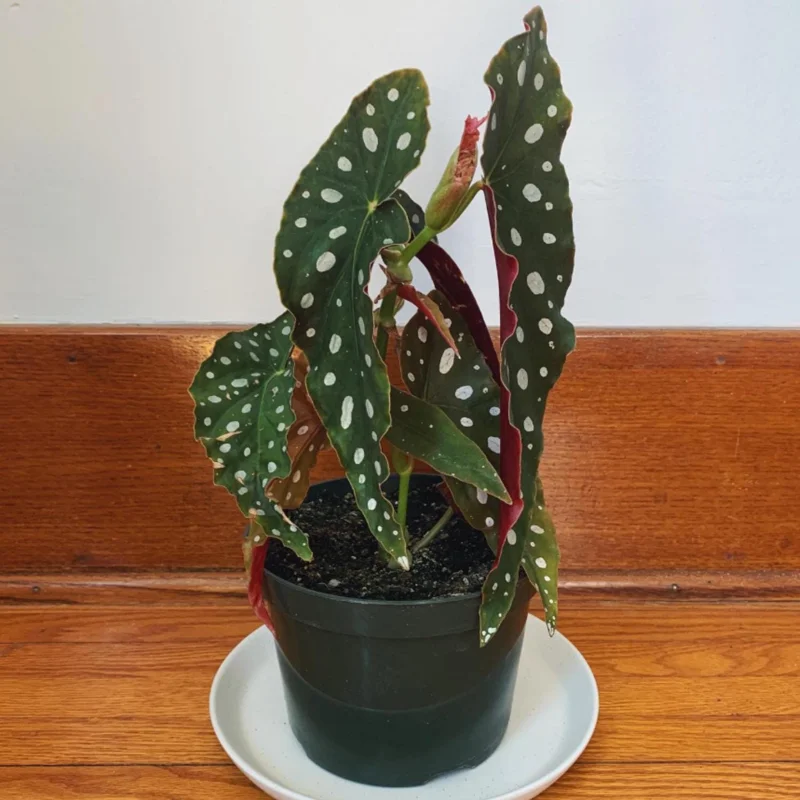
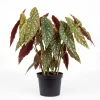
Bring a splash of vibrant color and unique texture to your home or garden with the stunning pink polka dot begonia live plant. Also known by its scientific name, Begonia maculata, this ornamental plant is highly sought after for its distinctive foliage featuring silvery-pink polka dots against deep green, angel-wing-shaped leaves. Originating from Brazil, the pink polka dot begonia live plant is a tropical beauty that adapts well to indoor environments, making it a popular choice for houseplant enthusiasts. Its compact growth habit and eye-catching appearance make it an ideal specimen for desks, shelves, or as a focal point in a plant collection. This live plant offers an instant upgrade to any decor, providing year-round visual interest with its captivating leaves. It’s a fantastic option for those looking to add an exotic touch without requiring overly complex care.
Key Benefits
The pink polka dot begonia live plant offers numerous benefits, making it an excellent addition to any plant lover’s collection. Its aesthetic appeal is undeniable, but it also provides other advantages for a thriving indoor environment.
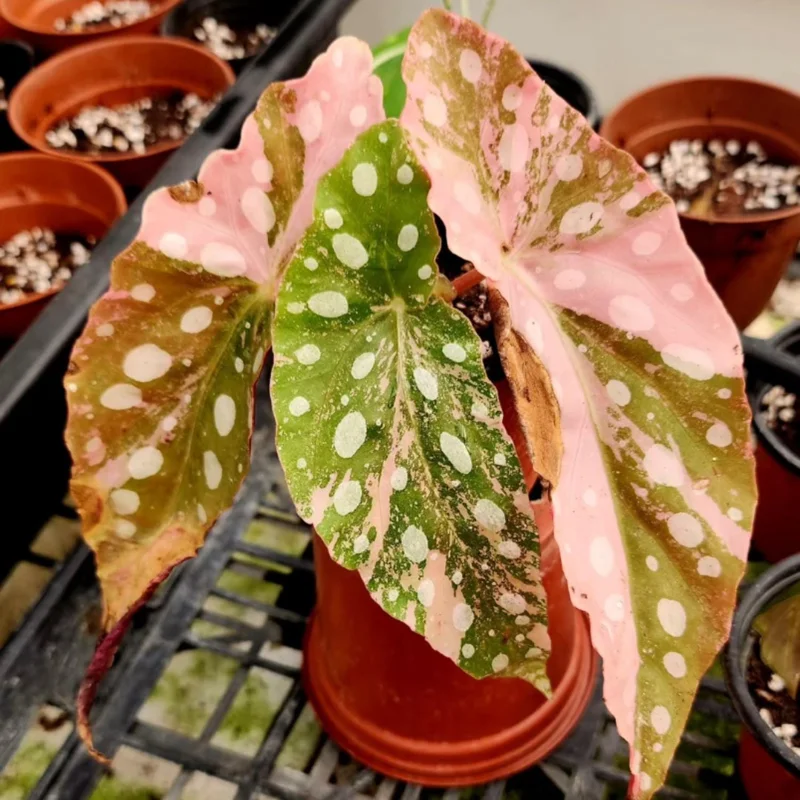
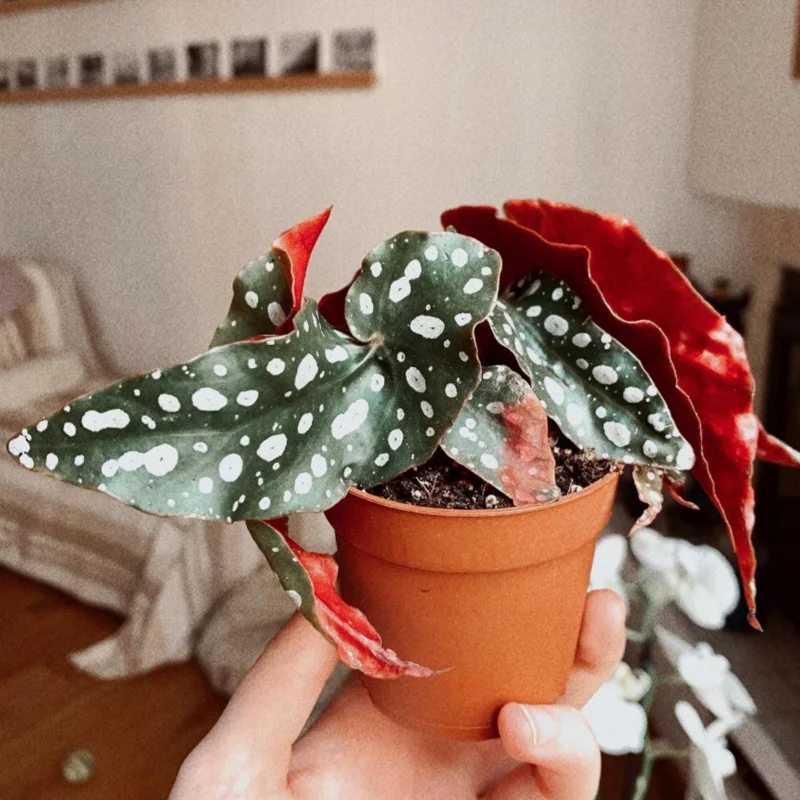
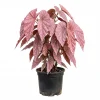
Stunning Visual Appeal: The most striking benefit is its unique foliage. The dark green leaves adorned with bright pink or silver polka dots and often a reddish-purple underside create a dramatic contrast that instantly captures attention and adds a sophisticated touch to any room. This makes the pink polka dot begonia live plant a true conversation starter.
Air Purification: Like many houseplants, the begonia contributes to improved indoor air quality by absorbing common household toxins and releasing fresh oxygen. This natural air-cleaning capability helps create a healthier and more pleasant living space.
Compact Growth Habit: This begonia typically maintains a manageable size, making it suitable for smaller spaces such as apartment living, office desks, or windowsills. Its upright growth pattern means it won’t take up excessive room, yet still provides significant visual impact.
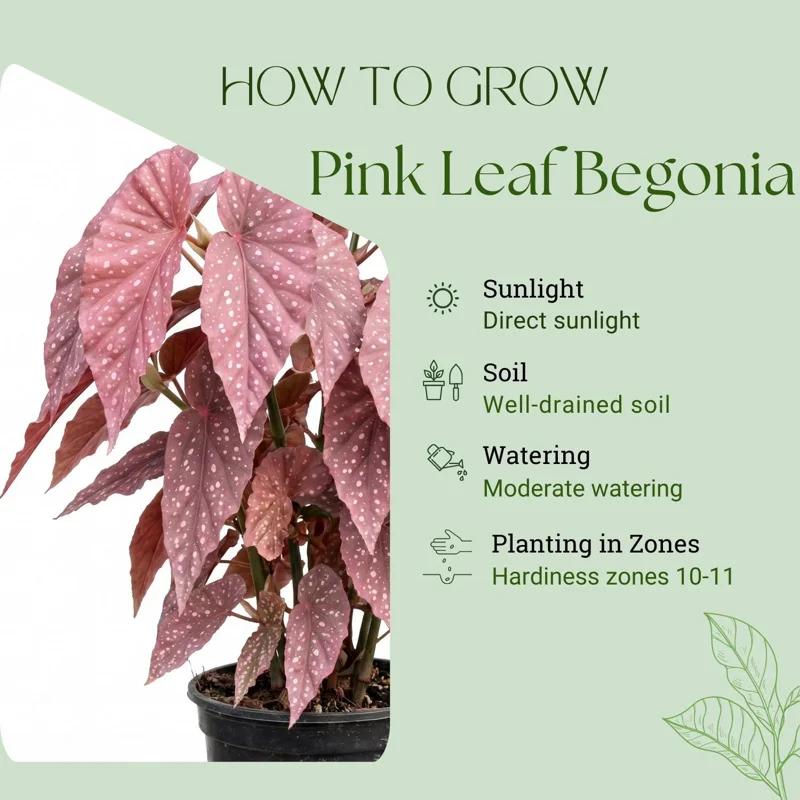
Versatile Placement: While primarily an indoor begonia plant, it can also thrive outdoors in shaded, warm environments, particularly in USDA Zones 10–11. This versatility allows you to enjoy its beauty in various settings, from containers on patios to bright indoor rooms.
Relatively Easy Care: With consistent indirect light and proper watering, the pink polka dot begonia live plant is not overly demanding. It’s a great plant for those looking to expand their plant care skills beyond basic succulents, offering rewarding growth with straightforward attention.
Unique Foliage Over Flowers: While some begonias are grown for their blooms, the maculata variety is celebrated for its foliage, ensuring continuous color and interest even when not in flower. This provides consistent decorative value throughout the year.
Plant Care & Growing Tips
Caring for your pink polka dot begonia live plant is a rewarding experience that ensures its vibrant foliage remains healthy and striking. These tropical plants thrive in conditions that mimic their natural habitat, preferring warmth and humidity. Providing the right environment and consistent care is key to a flourishing polka dot begonia houseplant.
For sunlight, the pink polka dot begonia live plant prefers bright, indirect light. Place it near an east or north-facing window, or a few feet away from a south or west-facing window where it won’t receive direct, harsh sunlight, which can scorch its delicate leaves. Too little light can lead to leggy growth and duller leaf patterns. When it comes to watering, consistency is crucial. Water thoroughly when the top inch of soil feels dry to the touch, but avoid letting the plant sit in standing water, which can lead to root rot. Good drainage is essential, so ensure your pot has drainage holes. Humidity is also vital for this plant; consider placing it on a pebble tray with water or using a humidifier, especially in dry indoor environments.
The ideal temperature range for a pink polka dot begonia live plant is between 65-75°F (18-24°C). Avoid sudden temperature fluctuations and cold drafts. For soil, a well-draining, peat-based potting mix is recommended. A mix designed for African Violets or a blend of potting soil, perlite, and orchid bark works well to provide adequate drainage and aeration. Fertilize every 2-4 weeks during the growing season (spring and summer) with a balanced liquid fertilizer diluted to half strength. Reduce feeding in fall and winter. Common problems include crispy leaf edges (low humidity), yellowing leaves (overwatering or underwatering), and brown spots (direct sun exposure). Learning effective begonia maculata care practices will help you address these issues promptly.
Size & Details
This offering is for a pink polka dot begonia live plant, typically a starter houseplant measuring approximately 4-8 inches in height from the base of the pot to the top of the foliage. It is shipped as a live, rooted plant, ready to be potted into a decorative container. The plant’s growth rate is moderate, and with optimal begonia plant care tips, it can eventually reach heights of 8-24 inches indoors, depending on environmental conditions and variety. The foliage will display the characteristic deep green leaves with prominent pink or silvery-white polka dots, often accompanied by a reddish-purple underside, providing continuous visual interest. This size is perfect for immediate display on a desk, shelf, or as part of a larger plant arrangement, allowing you to watch it grow and flourish with proper attention.
Frequently Asked Questions
Q: How big will my pink polka dot begonia live plant get?
A: Your starter pink polka dot begonia live plant will arrive approximately 4-8 inches tall. With good care, it can grow to an average indoor height of 8-24 inches, depending on growing conditions and specific variety.
Q: Is this an indoor or outdoor plant?
A: This begonia is primarily grown as an indoor begonia plant due to its tropical nature. However, it can thrive outdoors in shaded areas within USDA Zones 10–11, where temperatures remain warm year-round.
Q: How much sunlight does a polka dot begonia need?
A: The polka dot begonia houseplant prefers bright, indirect light. Avoid direct sunlight, which can scorch its leaves. An east or north-facing window is often ideal, or a spot a few feet away from a brighter window.
Q: Is this plant easy to care for, good for beginners?
A: While not as hands-off as a succulent, the pink polka dot begonia live plant is considered moderately easy to care for. Consistent watering and indirect light are key. It’s a great plant for those ready to learn specific tropical plant care.
Q: What condition will my plant arrive in?
A: Your pink polka dot begonia live plant will arrive as a healthy, live starter plant, carefully packaged to ensure its safety during transit. It will be rooted and ready for you to pot in your chosen container.
Q: What kind of soil is best for begonia maculata care?
A: For optimal begonia maculata care, use a well-draining, peat-based potting mix. A mix formulated for African Violets or a custom blend with perlite and orchid bark is excellent for providing the necessary drainage and aeration.
Q: How often should I water my begonia plant?
A: Water your pink polka dot begonia live plant when the top inch of soil feels dry to the touch. It’s better to slightly under-water than over-water, as too much moisture can lead to root rot. Ensure the pot has good drainage.
Q: Is the pink polka dot begonia pet-safe?
A: No, begonias, including the pink polka dot begonia live plant, are considered toxic to pets if ingested. It is best to keep them out of reach of curious animals.
Q: When is the best time to repot this begonia?
A: Repot your pink polka dot begonia live plant in the spring when it shows signs of being root-bound, typically every 1-2 years. Choose a pot that is only one size larger than its current one.
Q: What are some essential begonia plant care tips for humidity?
A: High humidity is crucial for a thriving pink polka dot begonia live plant. You can increase humidity by placing the pot on a pebble tray filled with water, using a room humidifier, or grouping it with other plants.






Reviews
There are no reviews yet.