Overview
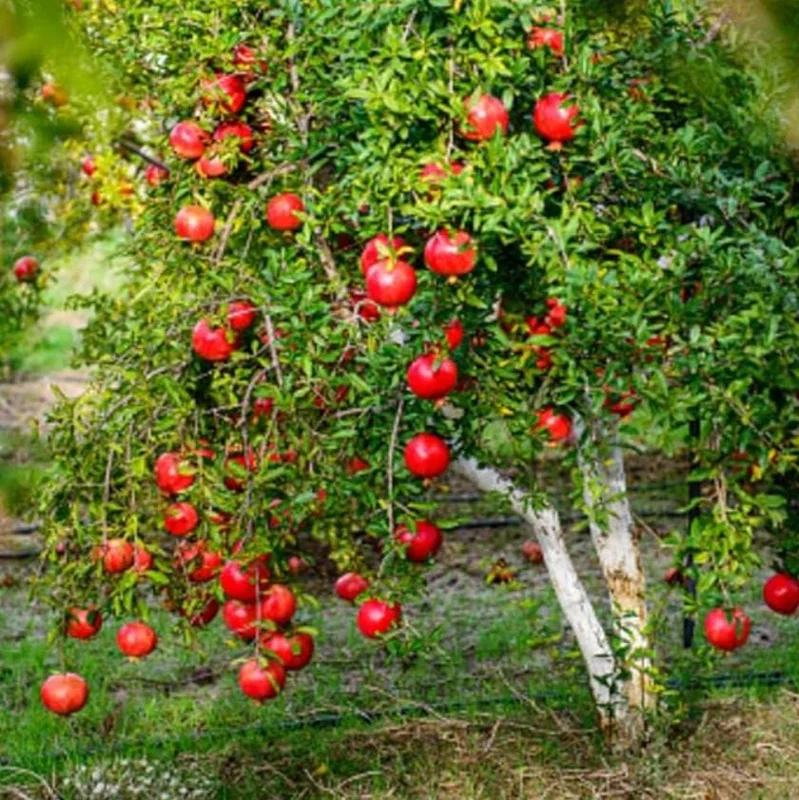
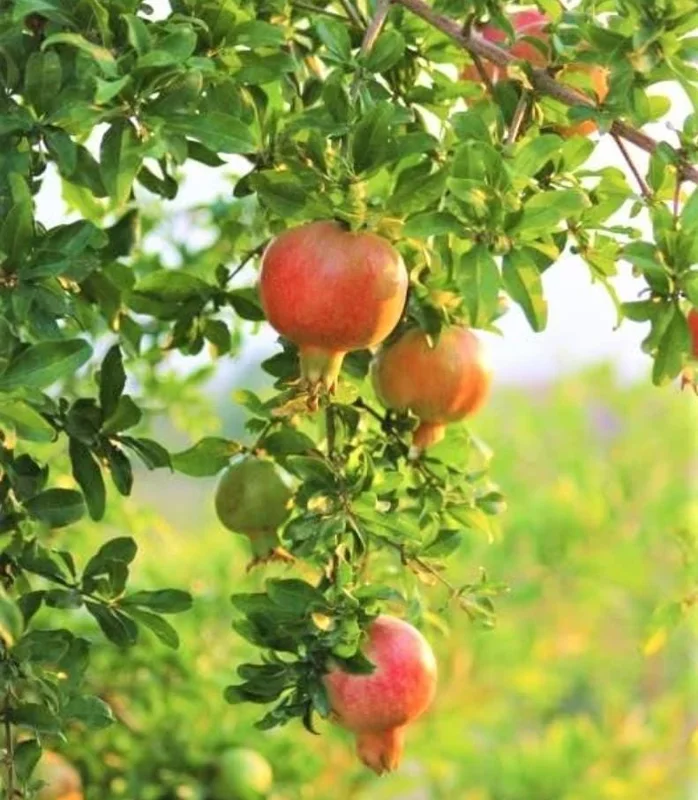
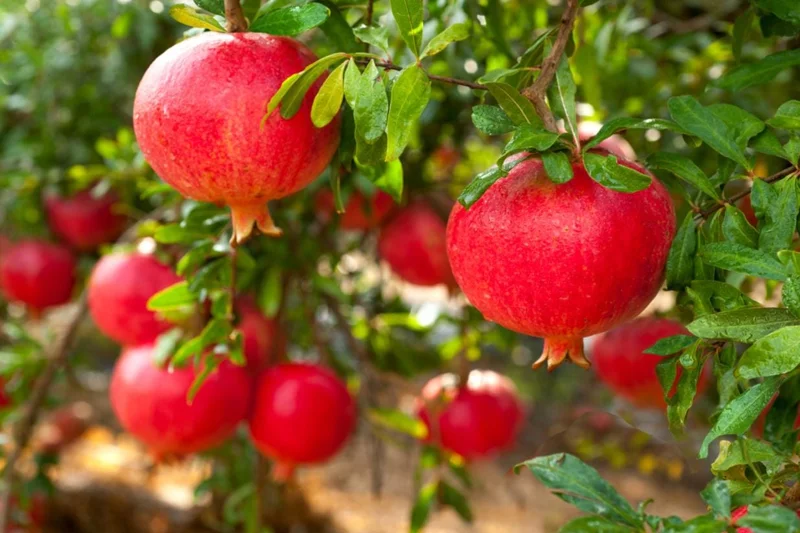
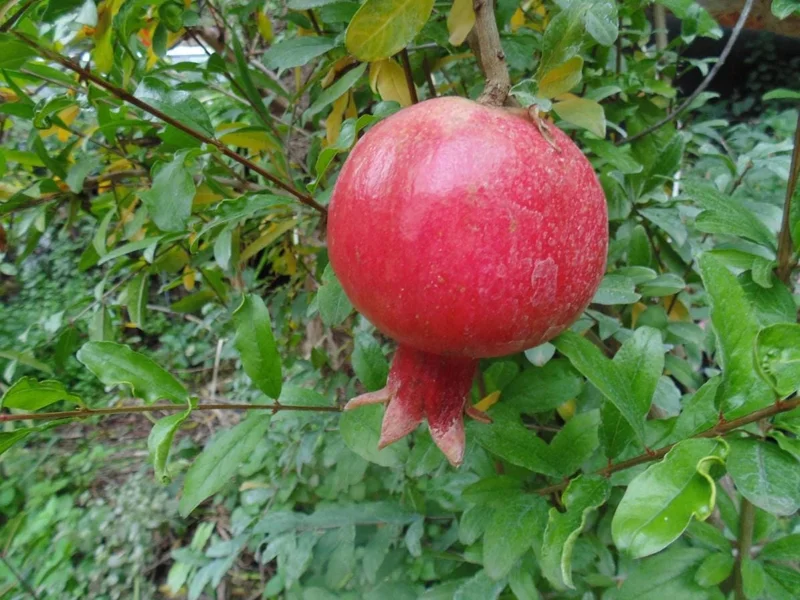
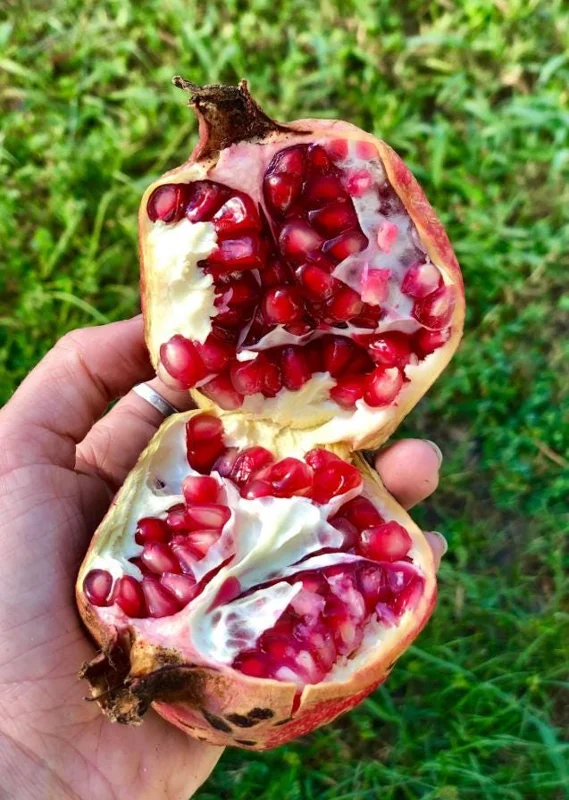
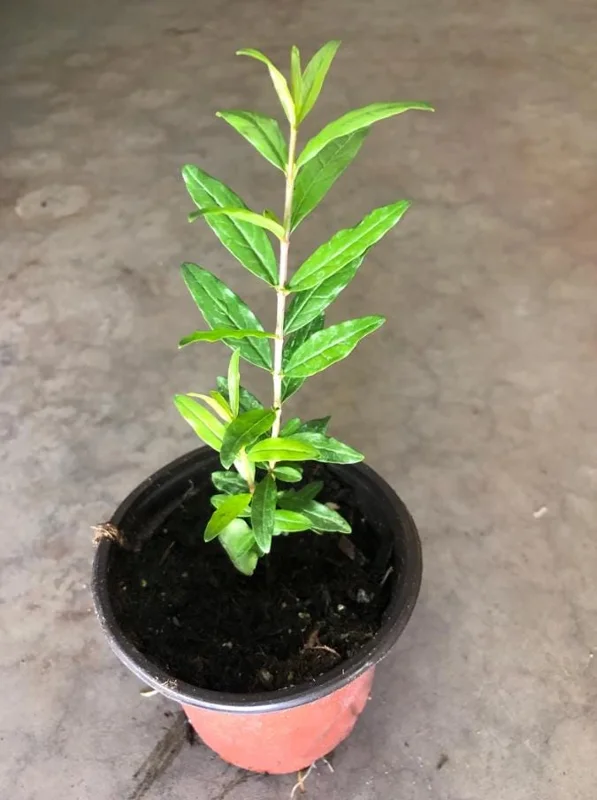
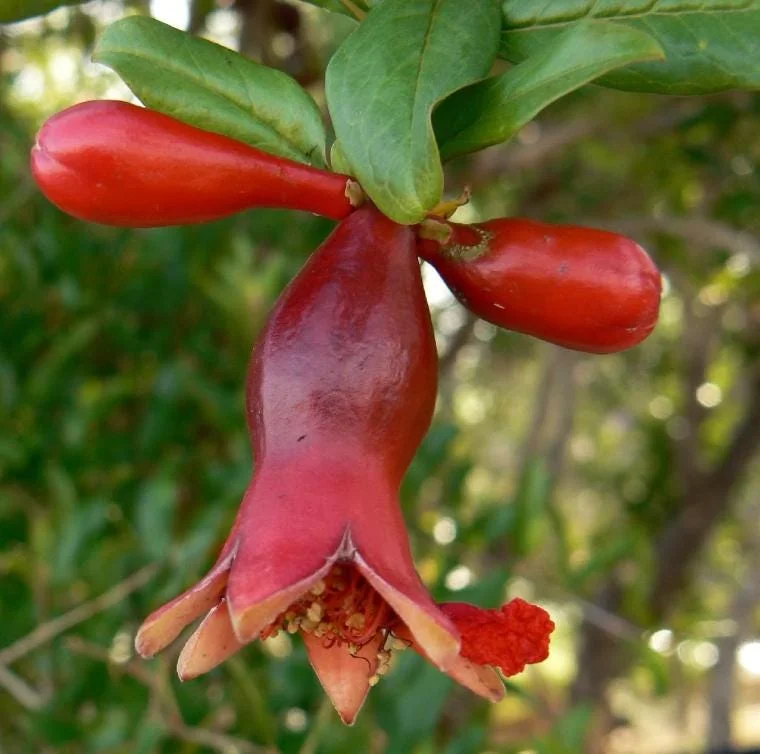
Discover the joy of growing your own fruit with this beautiful pomegranate live plant. This healthy seedling, scientifically known as Punica granatum, offers both ornamental appeal and the promise of delicious, homegrown pomegranates. Standing approximately 8-10 inches tall and rooted in a convenient 4-inch pot, this young fruit tree is perfect for gardeners looking to add a unique and productive specimen to their collection. Whether you’re interested in a compact fruit tree for your patio or a decorative addition to your landscape, this pomegranate fruit tree is a versatile choice. Its glossy foliage and potential for vibrant red fruits make it a captivating plant that thrives in various settings, bringing a touch of Mediterranean charm to your home or garden.
This particular pomegranate live plant is a one-year-old seedling, making it an excellent starting point for both novice and experienced gardeners. Its manageable size at arrival allows for easy integration into existing garden spaces or as a striking focal point in a container. With proper care, this plant will mature into a productive pomegranate fruit tree, yielding the juicy, antioxidant-rich fruits that are prized worldwide. It is suitable for a wide range of climates and can be adapted to indoor growing conditions with adequate light, offering flexibility for various gardening enthusiasts.
Key Benefits
Adding a pomegranate live plant to your home or garden offers numerous advantages, from aesthetic appeal to the satisfaction of harvesting your own fruit. This robust seedling is designed to thrive and provide lasting enjoyment.
- Homegrown Fruit: Experience the delight of harvesting fresh, flavorful pomegranates directly from your own pomegranate fruit tree. These fruits are not only delicious but also packed with antioxidants.
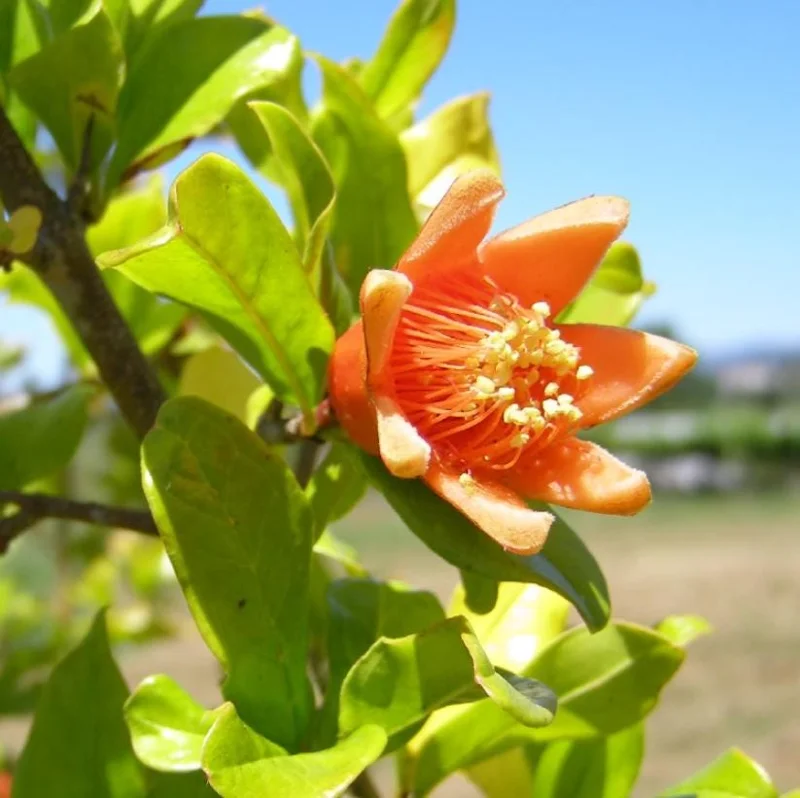
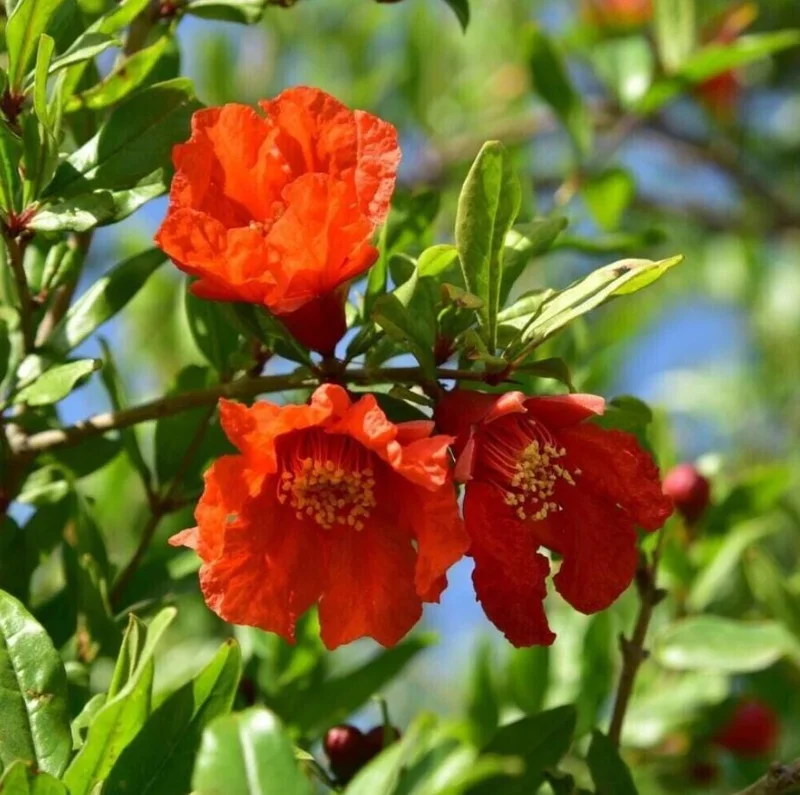
- Ornamental Beauty: Beyond its fruit-bearing capabilities, the pomegranate plant features attractive glossy green foliage and, in season, vibrant red blossoms that add significant visual interest to any space.
- Versatile Growing Options: This seedling is perfectly suited for container gardening, allowing you to cultivate it on balconies, patios, or even indoors with sufficient light, making it an ideal choice for compact spaces. It can also be planted directly in the ground for a larger harvest.
- Drought Tolerance: Once established, the Punica granatum plant is remarkably drought-tolerant, requiring less frequent watering compared to many other fruit trees, which makes it a low-maintenance option for busy gardeners.
- Adaptable to Various Climates: This robust plant is suitable for USDA zones 7-10, demonstrating its adaptability to a range of environmental conditions, although protection from severe cold is recommended.
- Compact Growth Habit: For those interested in growing pomegranate indoors or in limited outdoor spaces, this variety can be managed to maintain a compact size, especially if pruned regularly, making it a great dwarf pomegranate plant alternative.
- Educational Experience: Growing a fruit tree from a seedling provides a rewarding educational experience, allowing you to observe the plant’s life cycle and the development of its fruit from flower to harvest.
Plant Care & Growing Tips
Caring for your pomegranate live plant is straightforward, and with the right conditions, it will flourish and produce fruit. Pomegranates are relatively hardy, but attention to their specific needs will ensure optimal growth and a bountiful harvest. For successful growing pomegranate indoors or out, understanding its environmental preferences is key.
Sunlight: Pomegranate plants absolutely thrive in full sun, requiring at least 6-8 hours of direct sunlight daily for optimal growth and fruit production. If you are growing pomegranate indoors, place it near a south-facing window or supplement with a grow light. Outdoors, choose the sunniest spot in your garden. Adequate light is crucial for the development of flowers that will eventually become pomegranates.
Watering: This pomegranate fruit tree prefers moderate watering. Allow the topsoil to dry out slightly between waterings to prevent root rot. While established plants are drought-tolerant, consistent moisture is vital during flowering and fruiting periods. Reduce watering frequency in cooler months or if the plant is dormant. Ensure your pot has excellent drainage to avoid soggy conditions.
Soil: Pomegranates are adaptable but prefer well-draining soil. A sandy loam mix is ideal. If planting in a container, use a high-quality potting mix that drains well. Avoid heavy clay soils that retain too much moisture. The ideal pH for a Punica granatum plant is slightly acidic to alkaline, between 5.5 and 7.0.
Temperature & USDA Zones: This plant is best suited for USDA Hardiness Zones 7-10. In colder zones (7-8), it may require protection during winter, such as mulching heavily or bringing container plants indoors. It can tolerate temperatures down to about 10-15°F (-12 to -9°C) for short periods once established. For those in cooler climates, considering a dwarf pomegranate plant for indoor cultivation is a great option.
Fertilization: Fertilize your pomegranate live plant in early spring with a balanced slow-release fertilizer or an organic fruit tree fertilizer. Follow package instructions for application rates. Avoid over-fertilizing, especially with high nitrogen, which can promote foliage growth at the expense of fruit production.
Pruning: Prune your pomegranate fruit tree in late winter or early spring before new growth begins. Remove any dead, damaged, or crossing branches. You can also prune to maintain shape and size, especially if you desire a more compact or dwarf pomegranate plant form. Light shaping can also encourage better air circulation and fruit development.
Size & Details
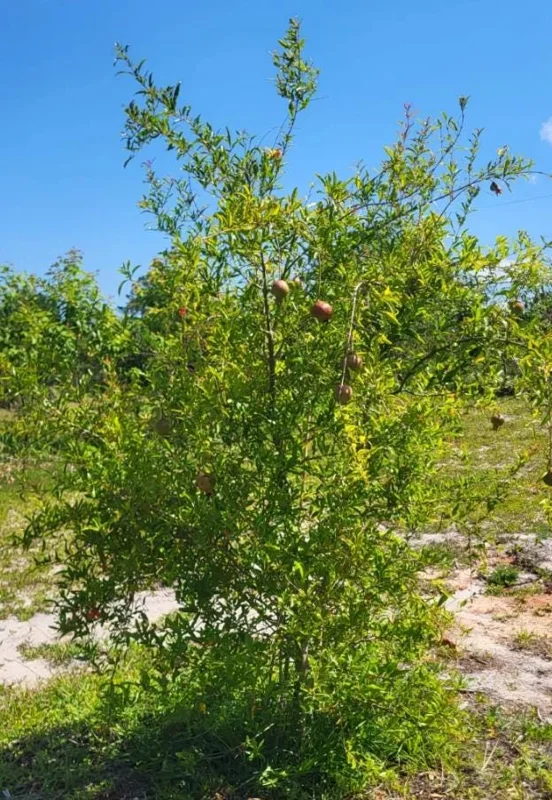
This pomegranate live plant is provided as a healthy seedling, typically measuring 8-10 inches in height from the base of the soil to the top of the foliage upon arrival. It is established in a 4-inch nursery pot, ensuring a robust root system ready for transplanting. While the exact growth rate varies based on environmental conditions and care, a young pomegranate fruit tree can grow several inches per year, eventually reaching a mature height of 10-20 feet if planted in the ground, or a more manageable 6-10 feet in a large container. Expect your plant to establish itself within the first growing season, with fruit production typically beginning after 2-3 years. This specimen is ideal for those looking to start a Punica granatum plant from a young stage, offering a rewarding journey as it matures.
Frequently Asked Questions
- Q: How big does this pomegranate live plant get? A: This seedling arrives 8-10 inches tall. If planted in the ground, a mature pomegranate fruit tree can reach 10-20 feet; in a container, it can be maintained at 6-10 feet with pruning.
- Q: What size pot does it come in? A: The pomegranate live plant is shipped in a 4-inch nursery pot, providing a healthy start for its root system.
- Q: Is this an indoor or outdoor plant? A: This versatile Punica granatum plant can be grown both indoors, especially if you are interested in growing pomegranate indoors, or outdoors in USDA zones 7-10. Indoors, ensure it receives ample light.
- Q: How much sunlight does it need? A: For best growth and fruit production, your pomegranate live plant requires at least 6-8 hours of direct full sun daily.
- Q: Is this plant easy to care for? A: Yes, pomegranates are relatively easy to care for once established, especially given their drought tolerance. They are a good choice for beginners looking for a fruit-bearing plant.
- Q: What condition will it arrive in? A: Your pomegranate live plant will arrive as a healthy, well-rooted seedling in its 4-inch nursery pot, carefully packaged to ensure its safety during transit.
- Q: How long until it produces fruit? A: Typically, a pomegranate fruit tree grown from a seedling will begin to produce fruit within 2-3 years after planting, with increasing yields as it matures.
- Q: Can I grow this as a dwarf pomegranate plant? A: While not specifically a dwarf variety, this pomegranate live plant can be effectively managed and kept to a smaller, more compact size through regular pruning, making it suitable for smaller spaces or container growing.
- Q: What’s the minimum temperature this plant can tolerate? A: Established pomegranate plants can tolerate temperatures down to about 10-15°F (-12 to -9°C) for short durations. In colder zones, protection or indoor relocation is recommended.
- Q: What kind of soil is best for growing pomegranate indoors? A: For growing pomegranate indoors, use a well-draining potting mix. A blend designed for citrus or fruit trees often works well, ensuring good aeration and drainage.








Reviews
There are no reviews yet.