Overview
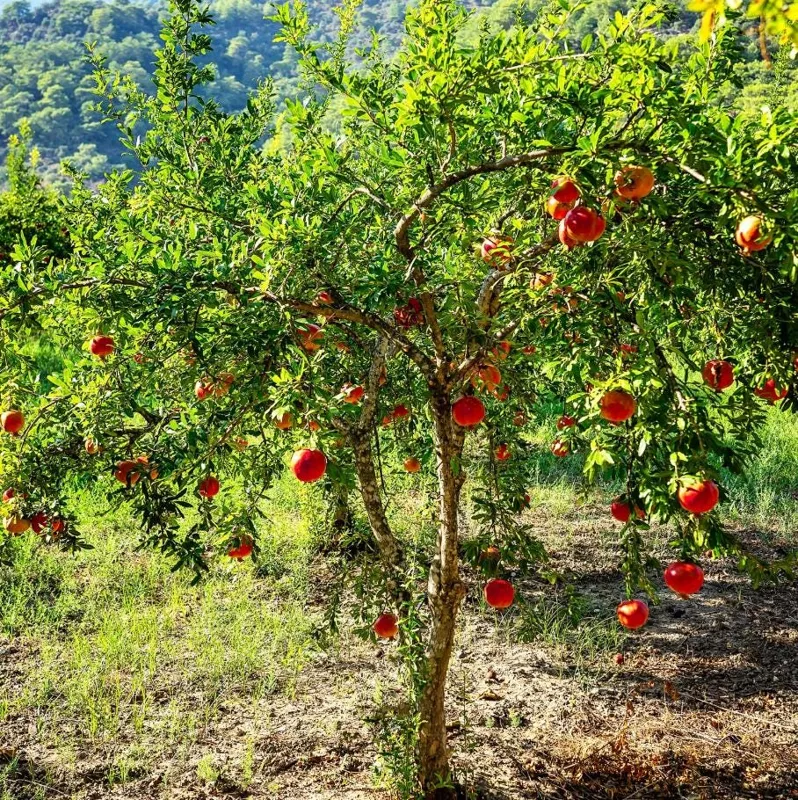
Introduce a touch of Mediterranean charm and the promise of delicious fruit to your home or garden with this exquisite pomegranate live plant. Revered for its lush foliage, vibrant potential fruit, and attractive growth habit, the pomegranate tree is a captivating addition to any plant collection. This starter plant provides an excellent opportunity for gardeners of all levels to cultivate their own fruit-bearing specimen. Whether you’re looking to enhance your landscape with an ornamental tree or aspire to harvest your own pomegranates, this plant offers both beauty and bounty. Its adaptability makes it suitable for various growing environments, allowing you to enjoy the unique allure of a pomegranate live plant.
The pomegranate (Punica granatum) has been cultivated for thousands of years, celebrated for its striking flowers, glossy leaves, and the iconic, jewel-filled fruit. This particular offering is a robust pomegranate tree starter, carefully nurtured to ensure a strong beginning in its new home. It’s a fantastic choice for those interested in sustainable living, edible landscaping, or simply adding an exotic flair to their surroundings. With its potential to thrive in both indoor and outdoor settings, this plant offers versatility and enduring appeal, making it a truly rewarding choice for any gardener.
Key Benefits
Cultivating a pomegranate live plant offers a multitude of benefits, from its aesthetic appeal to the potential for a homegrown harvest. This versatile fruit tree is not only a beautiful ornamental but also a source of rich, flavorful pomegranates. Its unique characteristics make it a standout choice for both novice and experienced gardeners.
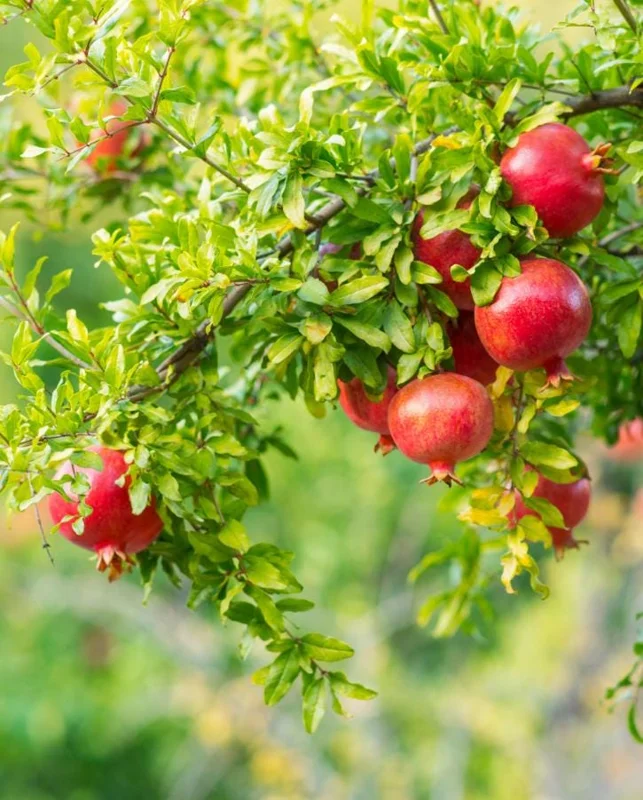
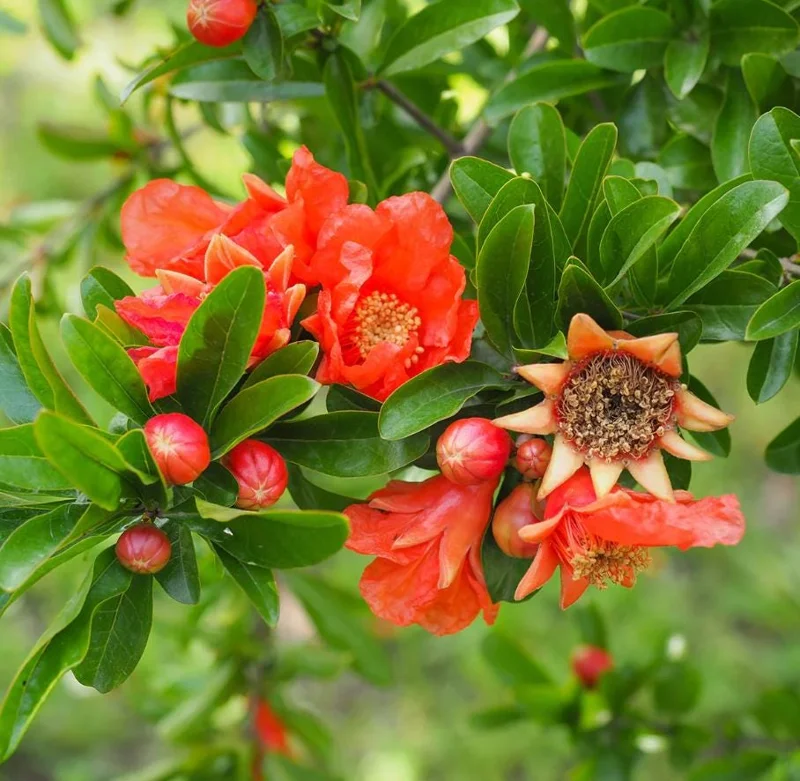
- Attractive Ornamental Value: The pomegranate plant boasts glossy green leaves, often adorned with vibrant, trumpet-shaped flowers that add a splash of color to any setting. Its graceful form and beautiful foliage make it a stunning focal point in gardens, on patios, or as an indoor specimen.
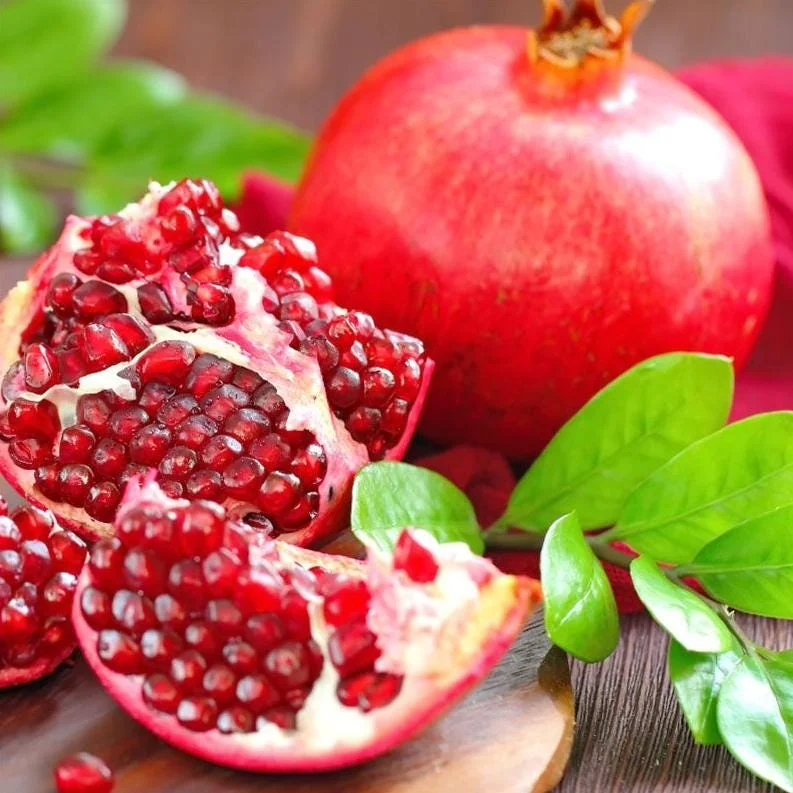
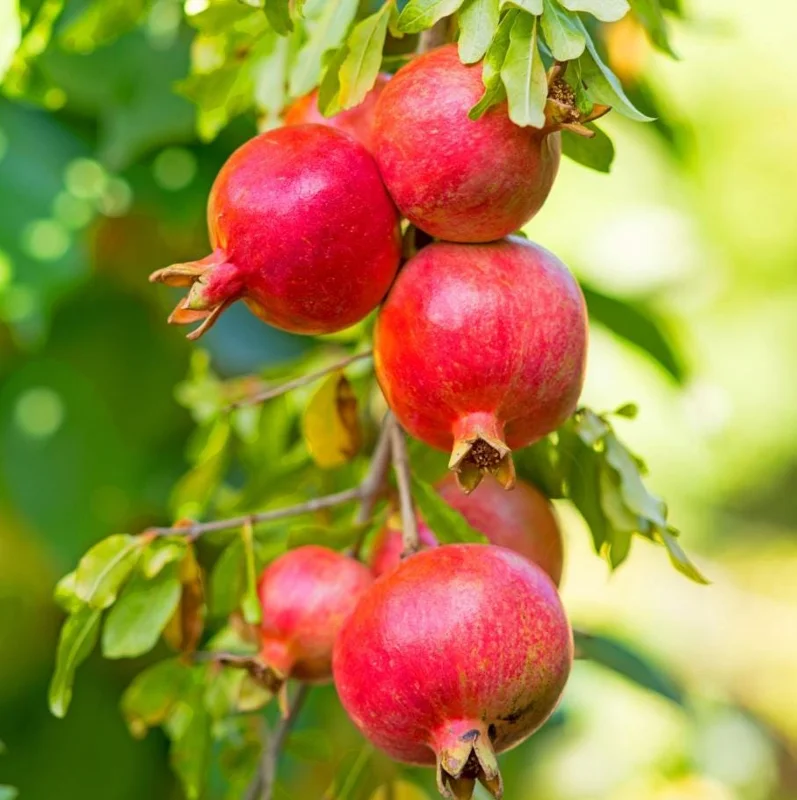
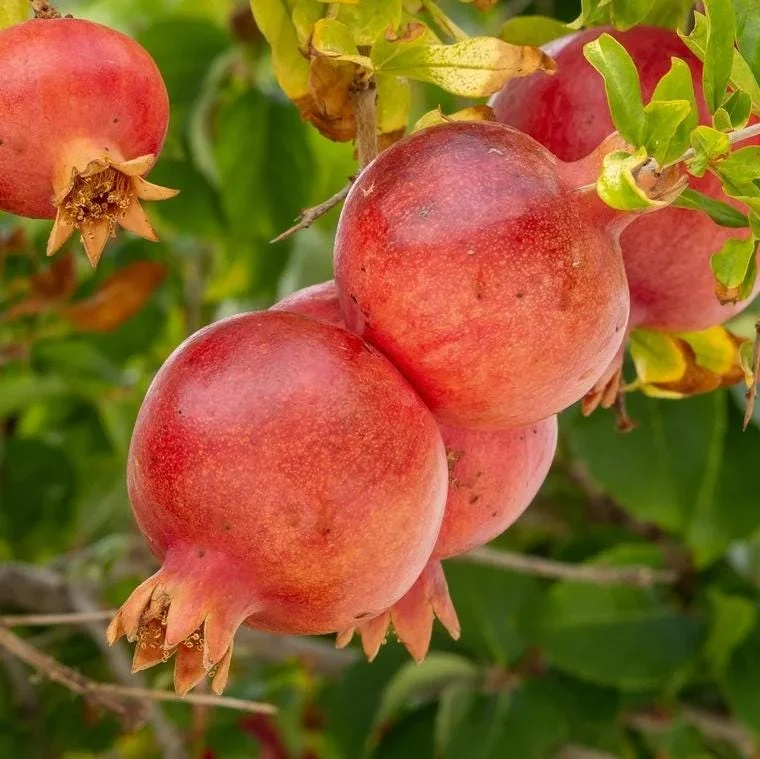
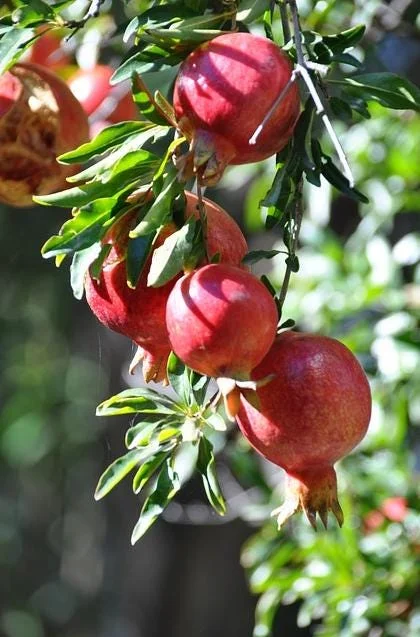
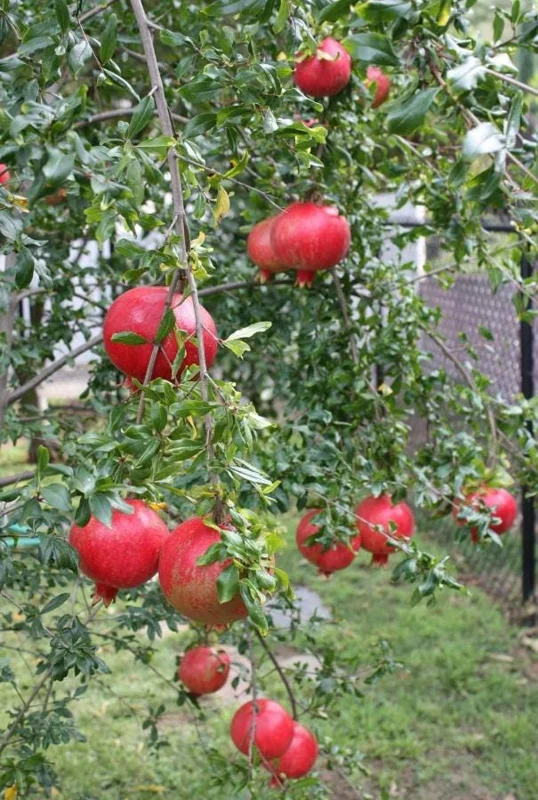
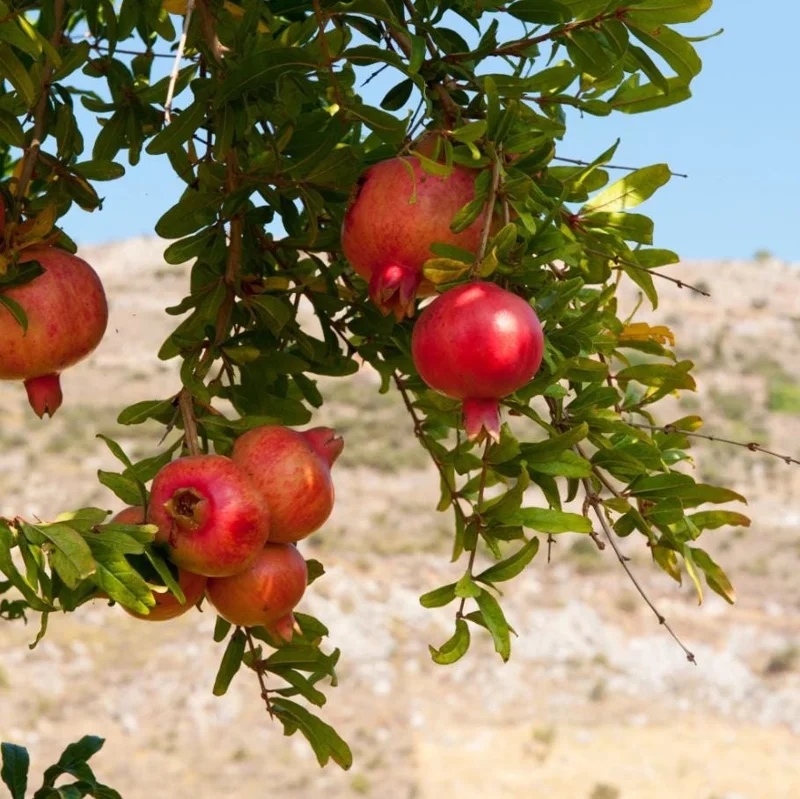
- Potential for Delicious Fruit: With proper care and favorable conditions, this pomegranate live plant can produce its iconic, vitamin-rich fruits. Enjoy the satisfaction of harvesting your own pomegranates, renowned for their juicy arils and distinct flavor, straight from your garden.
- Adaptable to Various Growing Conditions: Pomegranates are surprisingly resilient and can adapt to a range of environments. They thrive in warm climates outdoors but can also be successfully grown as container plants, allowing for indoor cultivation in colder regions or on patios.
- Suitable for Container Gardening: The compact growth habit of many pomegranate varieties makes them ideal for container planting. This allows you to easily move the plant indoors during winter or position it for optimal sunlight, making growing pomegranate indoors a viable option.
- Thoughtful Gift for Plant Lovers: A pomegranate tree starter makes an excellent and unique gift for anyone who appreciates plants, gardening, or fresh fruit. It’s a living gift that offers long-term enjoyment and the excitement of watching it grow and potentially bear fruit.
- Drought Tolerance: Once established, pomegranate plants exhibit good drought tolerance, making them a relatively low-maintenance option for gardeners in suitable climates. This resilience contributes to their ease of care and longevity.
- Unique Culinary Potential: Beyond fresh eating, the fruits from your red pomegranate plant can be used in a variety of culinary applications, from juices and sauces to salads and desserts, adding a gourmet touch to your home cooking.
Plant Care & Growing Tips
Caring for your pomegranate live plant is a rewarding experience that requires attention to a few key environmental factors. Pomegranates generally prefer a warm, sunny environment to thrive and produce fruit. For outdoor planting, choose a location that receives at least 6-8 hours of direct sunlight daily. If growing pomegranate indoors, place your plant near a south-facing window or under bright grow lights to ensure it gets adequate light. Insufficient light is a common reason for poor flowering and fruit set.
When it comes to watering, pomegranates prefer consistent moisture but are very susceptible to root rot in waterlogged conditions. Allow the top inch or two of soil to dry out completely between waterings, then water thoroughly until water drains from the bottom of the pot. Reduce watering frequency during the cooler months when the plant’s growth slows. The ideal soil for a pomegranate tree starter is well-draining, slightly acidic to neutral (pH 5.5-7.0), and rich in organic matter. A good quality potting mix designed for fruit trees or a blend of garden soil, compost, and perlite works well. Ensure containers have drainage holes.
Pomegranates are generally hardy in USDA zones 7-10, though some varieties can tolerate zone 6 with protection. They prefer temperatures between 60-95°F (15-35°C). Fertilize your red pomegranate plant during the growing season (spring and summer) with a balanced, slow-release fertilizer or a liquid feed formulated for fruit trees. Follow package instructions for application rates. Pruning is essential for shaping the tree, encouraging fruit production, and removing dead or diseased branches. Light pruning can be done annually to maintain size and shape, while heavier pruning is best done in late winter or early spring before new growth appears. Watch out for common pests like aphids and scale insects, and treat with horticultural oil or insecticidal soap if necessary.
Size & Details
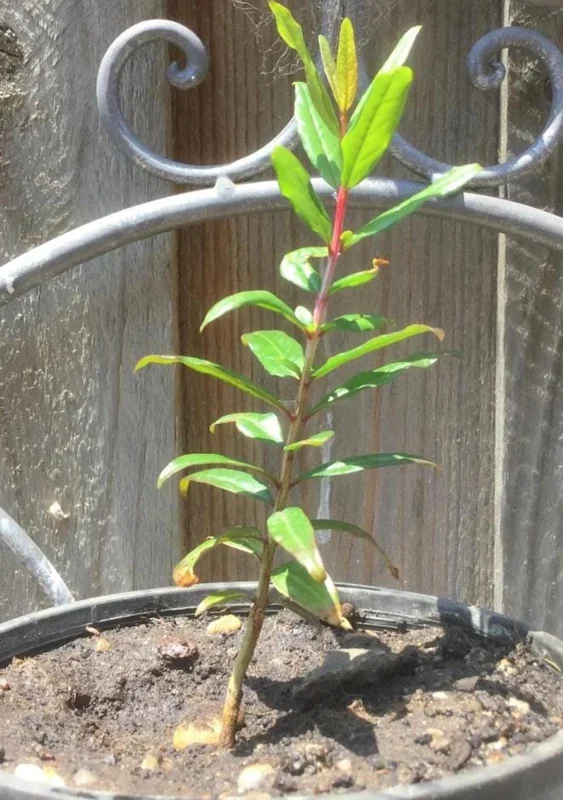
This offering is for a vibrant pomegranate live plant, which arrives as a healthy starter plant. At the time of shipping, the plant typically measures approximately 5-7 inches in height, measured from the soil line. It is carefully shipped in a nursery pot, ensuring its roots are protected and it’s ready to continue growing immediately upon arrival. This compact size makes it ideal for transitioning into a larger pot for container gardening or for planting directly into your garden landscape.
Pomegranate plants are known for their moderate growth rate, and with optimal care, this pomegranate tree starter will gradually develop into a more substantial specimen. While exact mature size can vary depending on variety and growing conditions, pomegranates can typically reach heights of 10-20 feet when planted in the ground, or be maintained at a smaller, more manageable size (4-8 feet) through regular pruning in containers. Expect to see steady foliage development and, in appropriate climates and with maturity, the emergence of flowers and eventually fruit. The compact form of this young plant makes it an excellent choice for a fruit tree for containers, allowing you to cultivate it on a patio or indoors in a sunny location.
Frequently Asked Questions
- Q: How big does this pomegranate live plant get? A: This is a starter plant, measuring 5-7 inches tall upon arrival. With proper care, it can grow into a large shrub or small tree, reaching 10-20 feet outdoors, or can be maintained at 4-8 feet when grown as a fruit tree for containers through pruning.
- Q: Is this an indoor or outdoor plant? A: This pomegranate live plant is versatile. It can be grown outdoors in USDA Zones 7-10 where winter temperatures are mild enough, or it can be successfully grown indoors in a bright location as a potted plant, making growing pomegranate indoors a popular option.
- Q: How much sunlight does it need? A: Pomegranates require abundant sunlight. For optimal growth and fruit production, ensure your plant receives at least 6-8 hours of direct sun per day. Indoors, place it in the brightest available window, such as a south-facing one.
- Q: Is this plant easy to care for? A: Pomegranates are relatively easy to care for, especially once established. They require consistent watering, plenty of sunlight, and well-draining soil. They are also quite drought-tolerant once mature.
- Q: What condition will the pomegranate tree starter arrive in? A: Your pomegranate tree starter will arrive potted and healthy, ready to be transplanted or placed in its new home. We take great care in packaging to ensure safe delivery.
- Q: When is the best time to plant this pomegranate live plant? A: The best time for outdoor planting is in the spring after the last frost. If growing indoors, you can plant it any time of year as long as it has adequate light and warmth.
- Q: Can I expect fruit from this plant? A: While this is a young starter plant, with proper care, sufficient sunlight, and time, your pomegranate live plant has the potential to produce fruit. Fruit production typically begins once the plant reaches a certain maturity, usually after 2-3 years.
- Q: What kind of soil is best for a red pomegranate plant? A: Pomegranates prefer a well-draining, slightly acidic to neutral soil (pH 5.5-7.0) that is rich in organic matter. A good quality potting mix with added perlite or sand is suitable for containers.
- Q: Does this plant require a lot of water? A: While young plants need consistent moisture, established pomegranates are quite drought-tolerant. Water thoroughly when the top few inches of soil are dry, then allow it to dry out again before the next watering to prevent root rot.
- Q: Is this a named variety of pomegranate? A: This listing is for a generic pomegranate live plant. While it is a fruiting type, specific varietal names are not provided for this starter plant.





Reviews
There are no reviews yet.