Overview
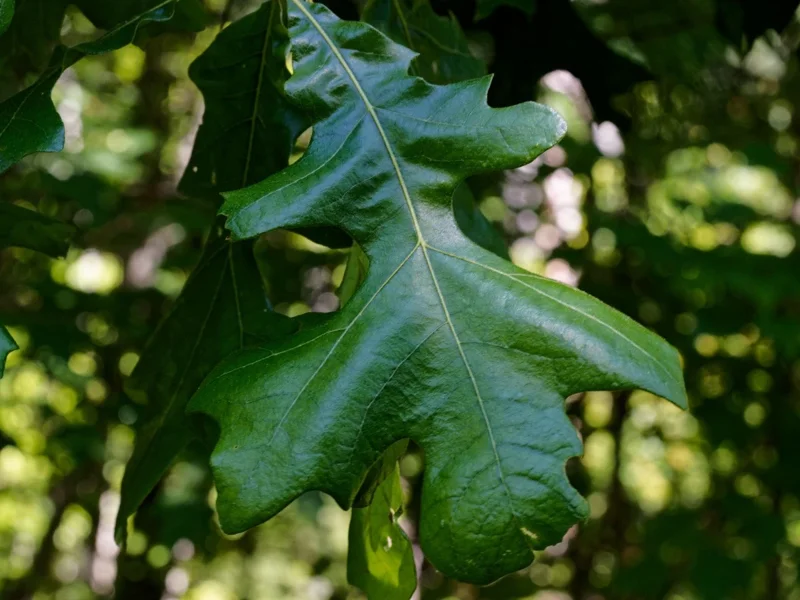
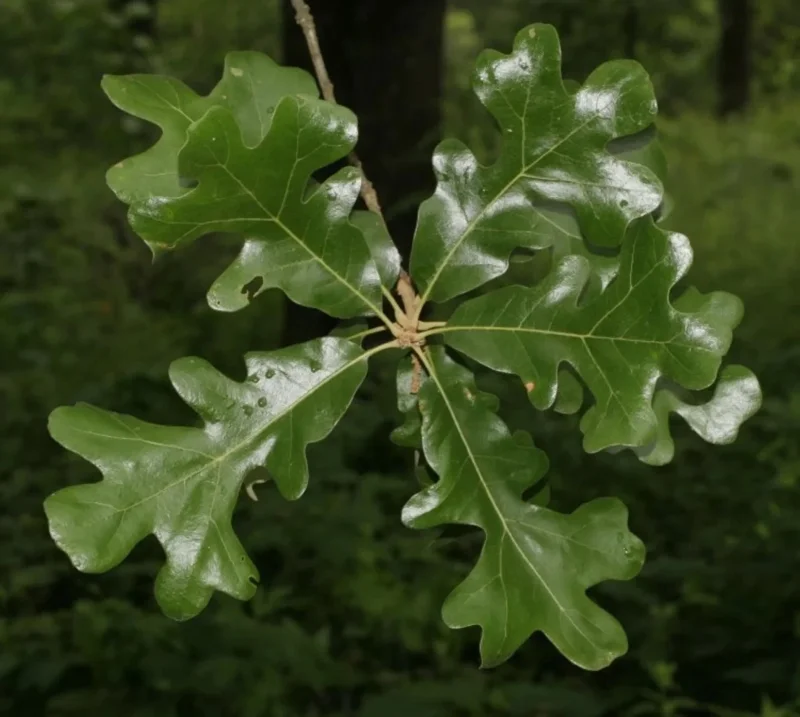
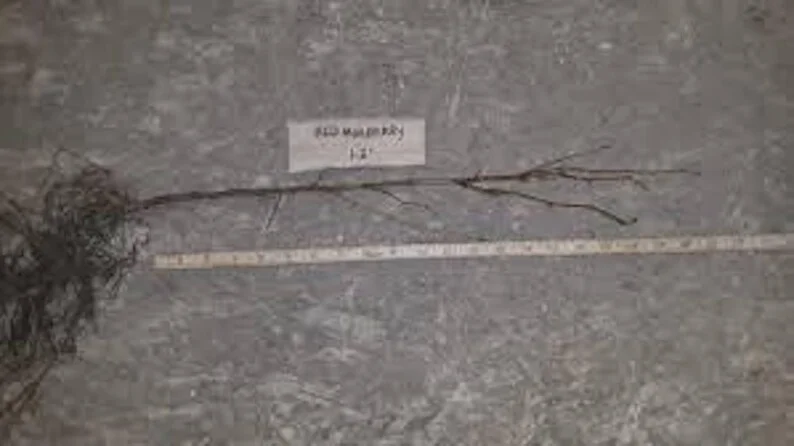
Introduce a piece of American heritage to your landscape with the Post Oak Tree live plant, scientifically known as Quercus stellata. This magnificent deciduous tree is renowned for its iconic cross-shaped leaves, durable wood, and adaptability, making it a favorite among gardeners and conservationists alike. Growing to an impressive size, the Post Oak Tree live plant offers substantial shade and contributes significantly to local ecosystems, providing food and shelter for wildlife. Each specimen is a bare root seedling, approximately 18+ inches in height, ready to establish itself in its new environment. Its unique foliage transitions from green to attractive shades of brown and gold in the fall, adding seasonal interest to your property. If you’re looking for a resilient and stately tree that thrives in various conditions, the Quercus stellata is an exceptional choice.
Key Benefits
The Post Oak Tree live plant brings numerous advantages to any property, blending aesthetic appeal with practical ecological benefits. Its hardiness and longevity ensure it will be a cherished part of your landscape for generations.
- Drought Tolerance: Once established, the Post Oak Tree live plant is highly tolerant of dry conditions, making it an excellent choice for xeriscaping or areas with limited irrigation.
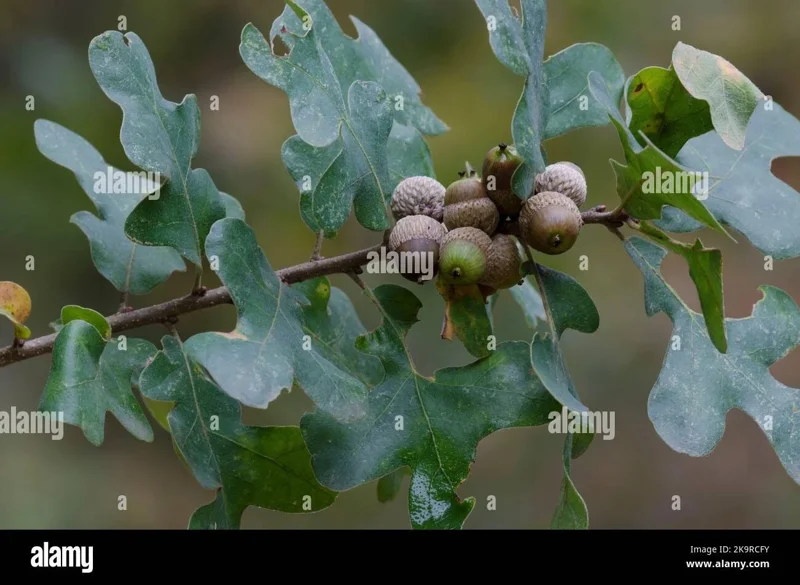
- Wildlife Support: Produces acorns that are a vital food source for a wide array of wildlife, including deer, squirrels, and various bird species, supporting local biodiversity.
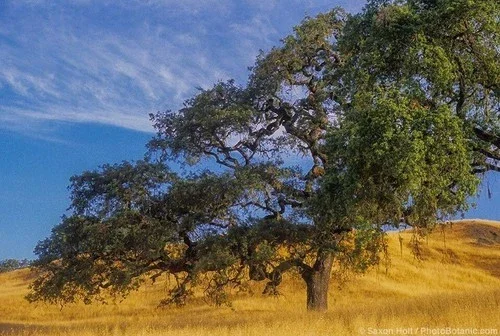
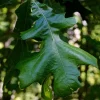
- Stately Appearance: Develops a broad, rounded crown and distinctive, deeply lobed leaves that provide significant shade and a classic, majestic presence in a mature landscape.
- Fall Color: While not as vibrant as some maples, its foliage turns attractive shades of brown and gold in the autumn, offering subtle seasonal beauty.
- Low Maintenance: After initial establishment, this native oak tree requires minimal care, thriving with natural rainfall and soil conditions.
- Long Lifespan: Known for its impressive longevity, often living for several centuries, making it a lasting investment for your property.
- Adaptability: Thrives in a wide range of soil types and climates, particularly noted for its ability to grow in poor, dry soils where other trees struggle.
Plant Care & Growing Tips
Caring for your Post Oak Tree live plant involves understanding its fundamental needs to ensure healthy establishment and robust growth. These trees are known for their resilience, but proper initial care is crucial. The Quercus stellata prefers full sun to medium sun exposure, meaning it needs at least 6 hours of direct sunlight per day to flourish. When planting, ensure the site has well-draining soil; while adaptable, it thrives best in sandy, acidic, or rocky soils. Avoid overly wet conditions, as oaks are susceptible to root rot in poorly drained areas. The ideal USDA hardiness zones for this tree are typically 5-9, where it can withstand a range of temperatures.
Watering should be consistent during the first two years after planting, especially during dry spells, to help the root system establish. Aim for deep watering sessions rather than frequent shallow ones. Once mature, the Post Oak Tree live plant is highly drought-tolerant and will generally only require supplemental watering during extended periods of extreme dryness. Fertilization is usually not necessary for established trees, particularly if they are planted in healthy soil. For young seedlings, a balanced, slow-release fertilizer can be applied in early spring, but always follow product instructions to avoid over-fertilization. Pruning should be minimal, focusing on removing dead, damaged, or crossing branches to maintain tree health and structure. Keep an eye out for common oak pests and diseases, though the Post Oak is relatively resistant, early detection is key for any issues. This resilient native oak tree will reward you with decades of beauty and ecological benefit with proper care.
Size & Details
This offering is for one Post Oak Tree live plant, a vigorous seedling measuring approximately 18+ inches in height. It is shipped in a bare-root form, which means the plant is carefully packaged without soil around its roots, a common and effective method for shipping deciduous trees, especially during their dormant season. Bare-root plants establish quickly once planted, as their roots are directly exposed to the new soil. The Quercus stellata is a moderate-rate grower, eventually reaching heights of 40-70 feet with a similar spread, creating a substantial canopy. Its broadleaf foliage provides dense shade during the warmer months and subtle color in the fall. This tree is suitable for outdoor planting and is a strong choice for those seeking a durable, long-lived specimen that contributes to the natural environment. Expect a healthy root system ready for planting upon arrival, providing a strong foundation for future growth into a majestic fall foliage tree.
Frequently Asked Questions
- Q: How big does this Post Oak Tree live plant get? A: A mature Post Oak Tree live plant typically reaches heights of 40-70 feet with a similar spread. Its growth rate is moderate, so it will take several years to reach its full majestic size, providing ample shade and habitat.
- Q: Is this an indoor or outdoor plant? A: The Post Oak Tree live plant is strictly an outdoor tree. It requires significant space for its root system and canopy, as well as exposure to natural environmental conditions to thrive.
- Q: How much sunlight does the Quercus stellata need? A: This tree thrives in full sun to medium sun, meaning it needs at least 6 hours of direct sunlight daily. Adequate sunlight is crucial for its growth and overall health.
- Q: Is this plant easy to care for? A: Once established, the Post Oak Tree live plant is considered low-maintenance and very resilient. Initial care during the first one to two years is important for proper establishment, including consistent watering.
- Q: What condition will it arrive in? A: Your Post Oak Tree live plant will arrive as a bare-root seedling, approximately 18+ inches tall. This means it will be carefully packaged without soil around its roots, ready for immediate planting.
- Q: When is the best time to plant a native oak tree? A: The best time to plant bare-root trees like the Post Oak Tree live plant is typically in late fall after leaf drop or in early spring before new growth begins, during its dormant period.
- Q: Will it survive winter in my zone? A: The Post Oak Tree live plant is hardy in USDA zones 5-9, meaning it can withstand winter temperatures in these regions. Ensure your local hardiness zone falls within this range for optimal survival.
- Q: What type of soil does the Post Oak prefer? A: It prefers well-draining soil and can tolerate a variety of soil types, including sandy, clay, or rocky soils. Good drainage is key to prevent root issues.
- Q: Is this a good tree for wildlife? A: Absolutely! As a native oak tree, it produces acorns that are a critical food source for numerous wildlife species, making it an excellent choice for supporting local ecosystems.
- Q: What are the main features of the Post Oak’s foliage? A: The Post Oak is known for its distinctive, deeply lobed leaves that often have a cross-like shape. While green in summer, its leaves turn attractive shades of brown and gold in the fall, making it a beautiful fall foliage tree.




Reviews
There are no reviews yet.