NEED SUPPORT WITH YOUR ORDER? Get in touch
Not satisfied with your purchase?
Enter your Order ID on website, and we'll resolve it right away.

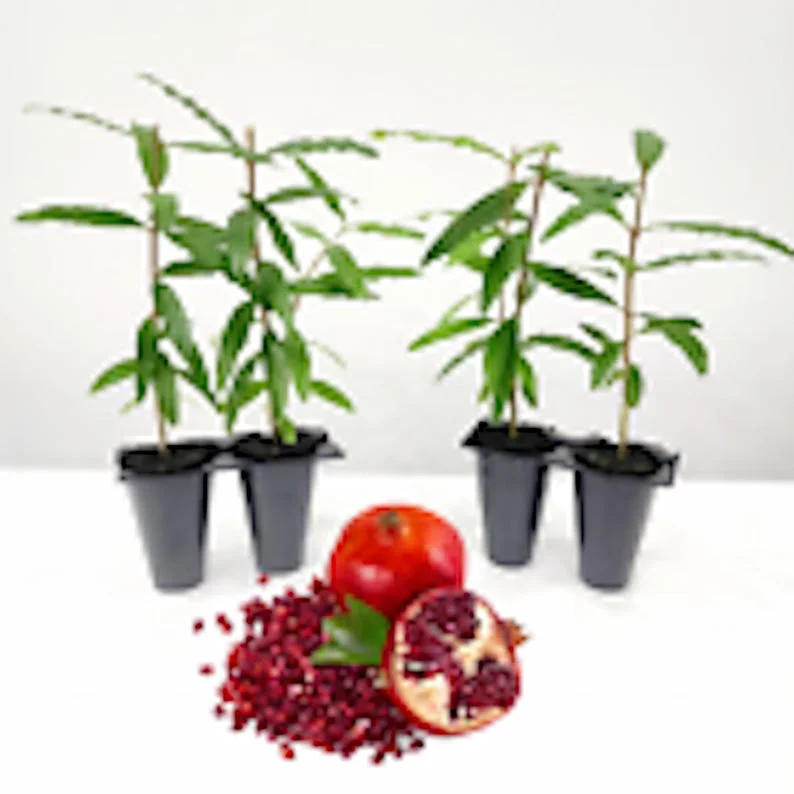
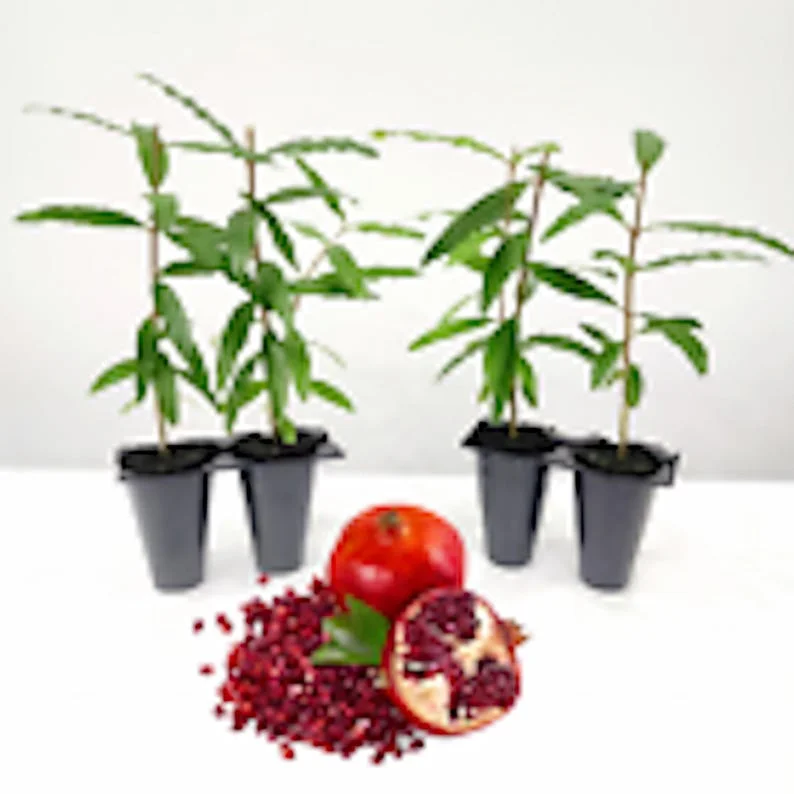
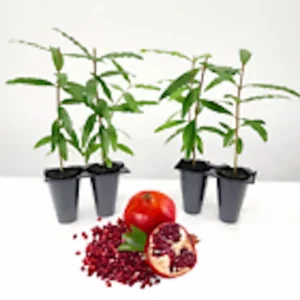
Original price was: $162.99.$144.99Current price is: $144.99.
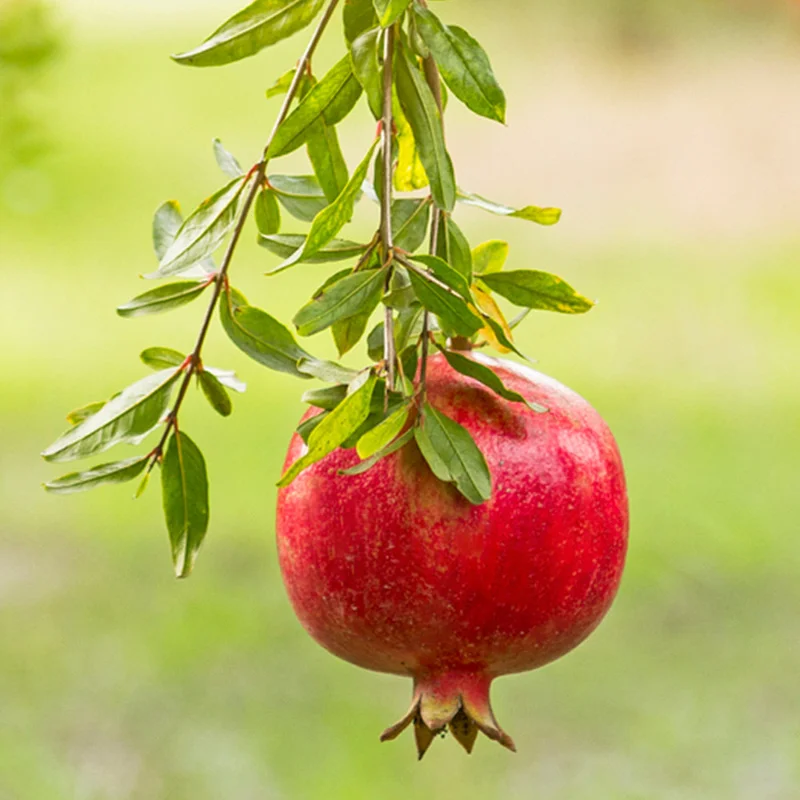
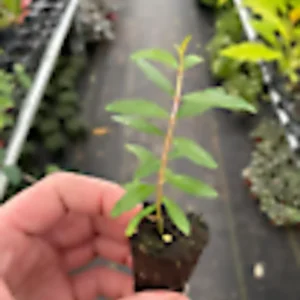
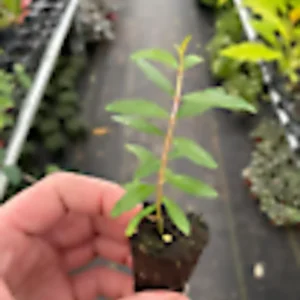
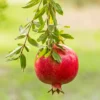
Embark on a rewarding gardening journey with this pomegranate wonderful live plant. This edible perennial starter plant promises years of delicious, homegrown fruit and stunning ornamental beauty, reaching 12-15 feet tall. Ideal for outdoor landscapes, it thrives in full sun and attracts hummingbirds.
Feb 04
Feb 09 - Feb 11
Feb 14 - Feb 18
USDA Hardiness Zone
Soil Type
Sunlight Exposure
Expected Planting Period
Shipping and return policies: Our Alive & Thrive Guarantee covers issues with your plants within the first 30 days. Get in touch with us via email, and our team will review your concerns and, if necessary, provide you with a one-time replacement at no cost.
If you're unsure about your hardiness zone, feel free to reach out to us. Our team will answer your questions and help you find the plants that are truly suitable for your environment, climate, and personal preferences.
Embark on a rewarding gardening journey with the pomegranate wonderful live plant, a magnificent addition to any landscape. This edible starter plant promises years of delicious, homegrown fruit and stunning ornamental beauty. Originating from the ancient lands of Persia and cultivated extensively throughout the Mediterranean, the pomegranate wonderful live plant brings a rich history and exotic flavor to your garden. Known scientifically as Punica Granatum, this adaptable tree thrives in various conditions, making it a versatile choice for many gardeners. Its attractive growth habit, combined with its bountiful harvest, ensures it will be a cherished and productive feature in your outdoor space, providing both aesthetic appeal and culinary delight.
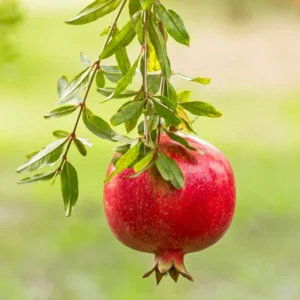
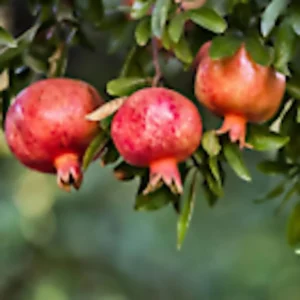
The Pomegranate ‘Wonderful’ variety is celebrated for its large, flavorful fruit and robust growth. It typically grows as a deciduous shrub or a small tree, reaching a manageable height of 12-15 feet. Beyond its delicious fruit, this plant offers significant visual interest. Its fountain-like branches are adorned with striking orange-red blooms during the summer months, which not only add a vibrant splash of color but also attract hummingbirds, bringing a lively dynamic to your yard. In early fall, these beautiful flowers give way to an abundance of burnished red fruit, ready for fresh consumption or juicing. The fruit is renowned for being a good source of vitamins and powerful antioxidants, making this edible fruit tree a healthy and beneficial addition to your home garden.
Growing your own pomegranate wonderful live plant offers a multitude of advantages, transforming your garden into a place of beauty, bounty, and health. This easy-to-care-for plant provides continuous enjoyment and valuable resources for your household.
Caring for your pomegranate wonderful live plant is straightforward, making it an excellent choice for gardeners of all experience levels. To ensure optimal growth and a bountiful harvest, understanding its basic needs is key. Pomegranates thrive in full sun, requiring at least 6-8 hours of direct sunlight daily for the best fruit production. Choose a location in your garden that receives ample sunshine throughout the day. While adaptable to many soil types, they prefer well-draining soil. If your soil is heavy clay, amend it with organic matter like compost to improve drainage and aeration. This will prevent root rot and promote healthy growth. This robust variety, ideal for growing pomegranate tree enthusiasts, is known for its heat and humidity tolerance, making it suitable for a wide range of climates, particularly USDA Zones 7-11.
Regular watering is crucial, especially during hot weather and the plant’s establishment phase. Aim for weekly watering, ensuring the soil is consistently moist but not waterlogged. Increase the frequency during extreme heat or dry spells. Once established, pomegranates become more drought-tolerant, but consistent moisture will lead to better fruit quality. Fertilize your pomegranate wonderful live plant in early spring with a balanced slow-release fertilizer or an organic option rich in phosphorus to encourage flowering and fruiting. Pruning in late winter or early spring can help maintain shape, improve air circulation, and encourage more fruit production. Watch out for common pests like aphids and scale, and address them with horticultural oil or insecticidal soap if necessary. Following these punica granatum care tips will ensure a rewarding experience.
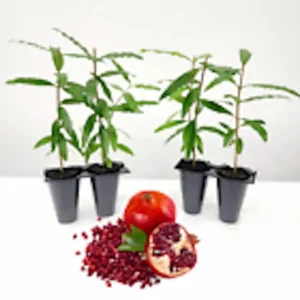
This pomegranate wonderful live plant is provided as an edible starter plant, ready to be established in your garden. It is a deciduous shrub or small tree that typically grows to a manageable height of 12-15 feet with an upright to weeping habit, making it suitable for most home gardens. The plant has a medium growth rate, allowing you to enjoy its benefits relatively quickly. It’s adaptable to many soil types, although it prefers well-draining conditions. You can expect summer blooms followed by a consistent harvest of large, burnished red fruit in early fall, providing a continuous supply of fresh, homegrown pomegranates for years to come. This versatile plant can be grown as a standalone specimen, a hedge, or espaliered against a wall, making it an excellent choice for anyone interested in growing pomegranate tree varieties.
You must be logged in to post a review.
Sold 74 products
Original price was: $64.99.$34.99Current price is: $34.99.
Sold 86 products
Original price was: $64.99.$34.99Current price is: $34.99.
Sold 51 products
Original price was: $64.99.$34.99Current price is: $34.99.
Sold 86 products
Original price was: $55.98.$27.99Current price is: $27.99.
Sold 82 products
Original price was: $79.99.$59.99Current price is: $59.99.
Sold 90 products
Original price was: $58.58.$29.29Current price is: $29.29.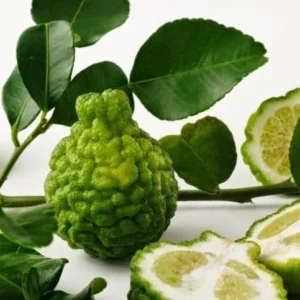
Fruits
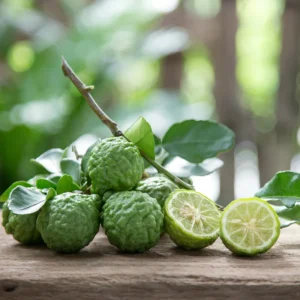
Kaffir Lime Starter Plug – Kaffir Lime Citrus Fruit Plants-Lemon Tree 2-3 Inch Live Plant Seedling
Sold 71 products
Original price was: $68.99.$47.99Current price is: $47.99.
Sold 50 products
Original price was: $73.98.$36.99Current price is: $36.99.


Reviews
There are no reviews yet.