NEED SUPPORT WITH YOUR ORDER? Get in touch
Not satisfied with your purchase?
Enter your Order ID on website, and we'll resolve it right away.


Original price was: $35.98.$16.99Current price is: $16.99.
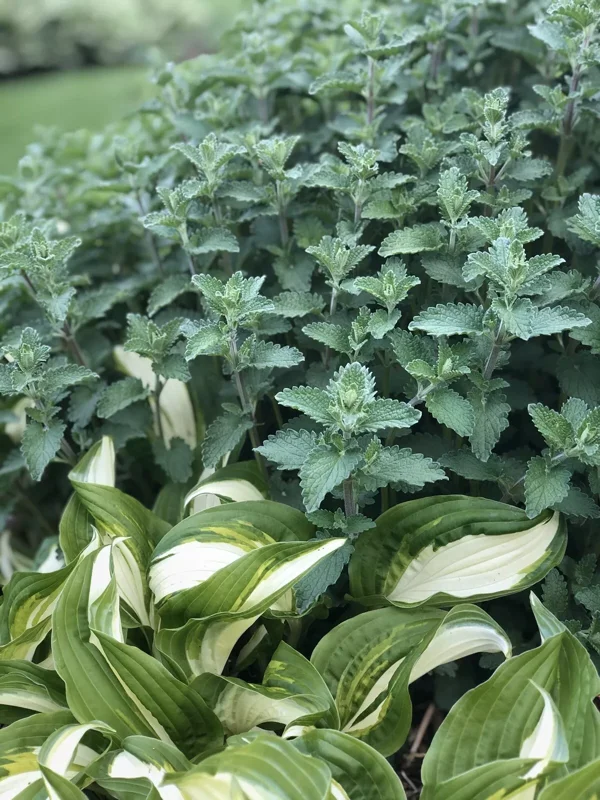
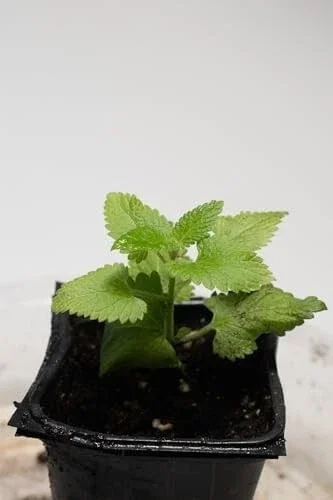
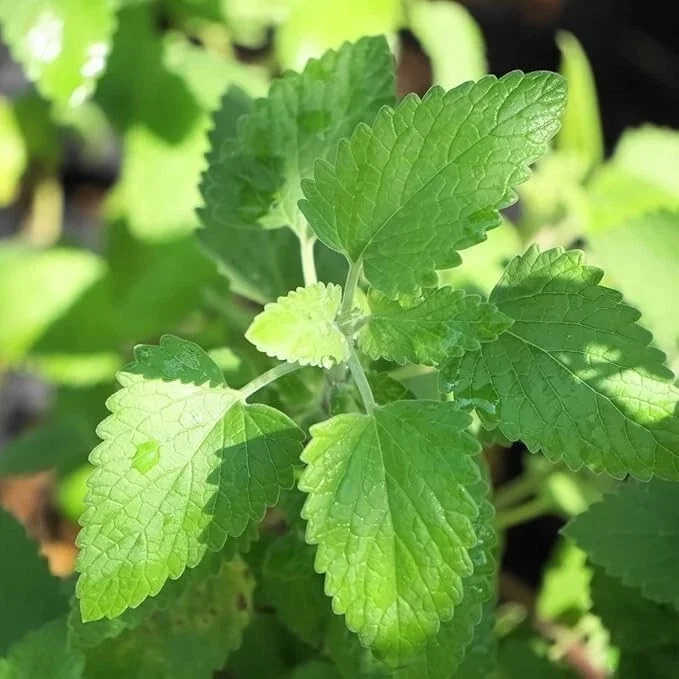
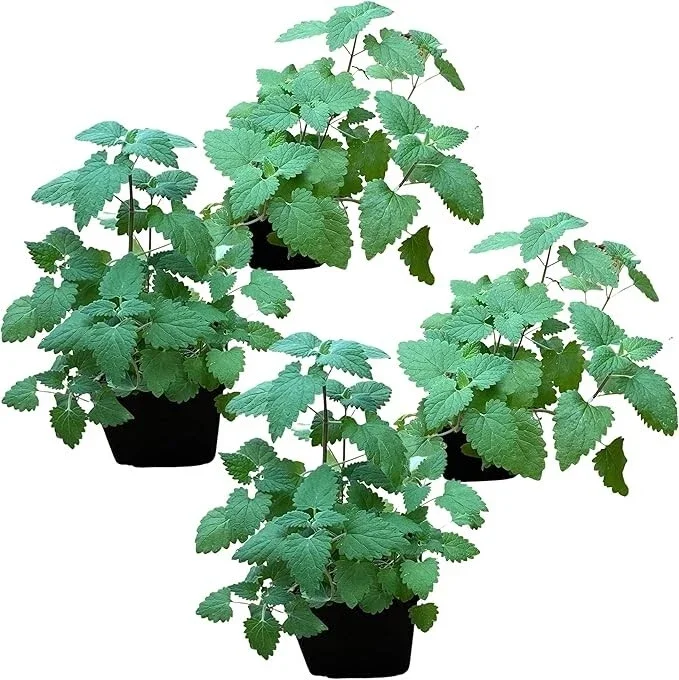
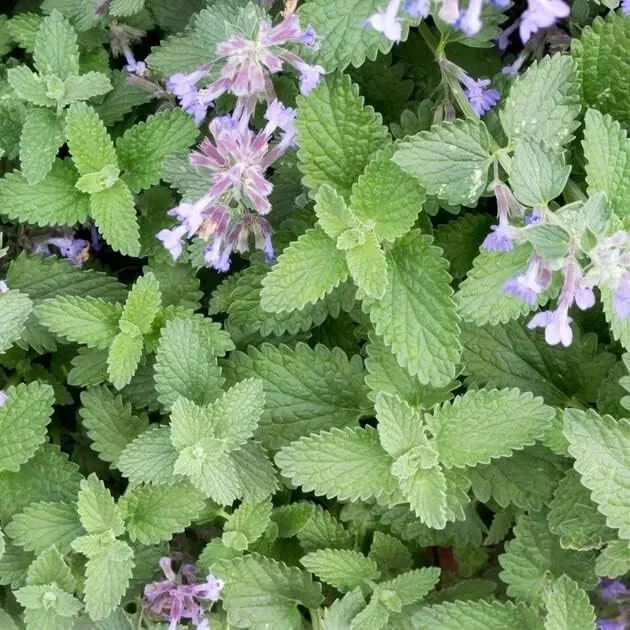
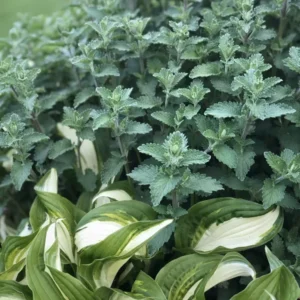
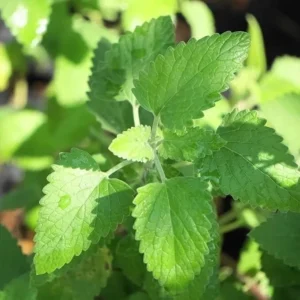
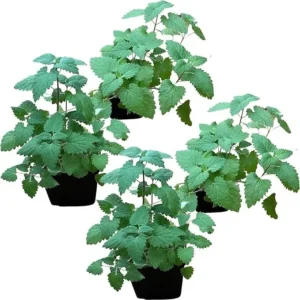
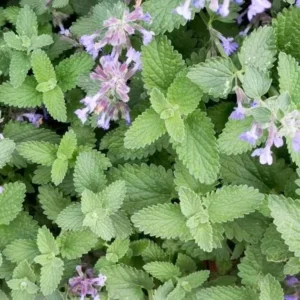
Bring delight to your feline friends with this set of 2 catnip live plants (Nepeta Cataria). These organic, easy-to-grow perennials are perfect for any garden or container, offering endless entertainment for cats and a pleasant addition to your herb collection. Enjoy fresh organic catnip year after year.
Mar 05
Mar 10 - Mar 12
Mar 15 - Mar 19
USDA Hardiness Zone
Soil Type
Sunlight Exposure
Expected Planting Period
Shipping and return policies: Our Alive & Thrive Guarantee covers issues with your plants within the first 30 days. Get in touch with us via email, and our team will review your concerns and, if necessary, provide you with a one-time replacement at no cost.
If you're unsure about your hardiness zone, feel free to reach out to us. Our team will answer your questions and help you find the plants that are truly suitable for your environment, climate, and personal preferences.
Introduce a touch of feline delight to your home or garden with our premium catnip live plant. This offering includes two healthy potted Nepeta Cataria plants, ready to thrive in your environment. Known scientifically as Nepeta Cataria, this beloved herb is famous for its aromatic leaves that naturally attract and excite cats. Beyond its appeal to felines, this versatile plant is a wonderful addition to any herb garden, offering a pleasant fragrance and the potential for soothing herbal teas. Our plants are cultivated without synthetic pesticides or fertilizers, ensuring a safe and organic catnip treat for your pets and a healthy component for your garden. Experience the joy of watching your cats interact with this delightful herb, knowing you’re providing them with natural and beneficial enrichment.
Cultivating your own nepeta cataria plant allows you to have a fresh, readily available source of this popular herb. Whether you’re a seasoned gardener or just starting, catnip is an easy-to-grow plant that promises rewarding results. Its vigorous growth and pleasant appearance make it suitable for various settings, from dedicated herb beds to decorative containers. These plants are grown with care, ensuring they arrive healthy and ready to establish themselves in their new home. Prepare to transform your outdoor space into a haven for both you and your beloved cats with these exceptional catnip live plants.
Our catnip live plant offers a multitude of benefits, making it an excellent choice for any plant enthusiast or cat owner. From providing entertainment for your pets to enhancing your garden’s biodiversity, these plants are a valuable addition.
Caring for your catnip live plant is straightforward, making it an ideal choice for both novice and experienced gardeners. These plants are robust and forgiving, adapting well to various conditions when given proper care. For optimal growth, plant your catnip during the spring season. It thrives in locations that receive partial shade, meaning it benefits from direct morning sun and protection from intense afternoon heat. While it can tolerate full sun, some afternoon shade will prevent leaf scorch and promote more lush growth, especially in warmer climates. Ensure good air circulation around the plants to prevent fungal issues.
When it comes to watering, growing catnip prefers consistent moisture but is also quite drought-tolerant once established. Water regularly, especially during dry spells, but always allow the top inch or two of soil to dry out between waterings to prevent root rot. Catnip thrives in well-draining soil with a slightly acidic to neutral pH. A good quality potting mix for containers or amended garden soil with compost will provide the necessary nutrients and drainage. Fertilization is generally not heavily required; a balanced, organic liquid fertilizer applied once or twice during the growing season can encourage vigorous growth, but avoid over-fertilizing as this can lead to leggy plants. This also helps maintain the health of your organic catnip.
The nepeta cataria plant is a perennial, meaning it will return each year. In colder regions, it might die back to the ground in winter and re-emerge in spring. Pruning is beneficial for encouraging bushier growth and preventing the plant from becoming too leggy. Pinching off spent flowers will also promote more blooms and longer flowering periods. This plant is known for its resilience and generally faces few pest or disease issues, especially when grown organically. Keep an eye out for common garden pests, but often, the plant’s strong aroma deters many. Overall, providing these basic care requirements will ensure your catnip live plant flourishes.
Each order includes 2 catnip live plants, ready to be planted in your garden or a suitable container. These plants are shipped in their nursery pots, ensuring they arrive healthy and with minimal transplant shock. Typically, growing catnip plants will reach a mature height and spread of about 1 to 3 feet, depending on growing conditions, climate, and care. They exhibit a moderate growth rate, quickly filling out their space once established. The lush green foliage is complemented by delicate purple blooms that appear throughout the growing season, adding an attractive element to your landscape. These plants are perfect for starting your own cat herb garden.
These organic catnip plants are perfect for a variety of settings, including herb gardens, flower beds, or simply as potted plants on a patio or balcony. Their adaptable nature means they can thrive in different environments. With proper care, they will provide a continuous harvest of aromatic leaves. The plants are robust and designed to establish quickly, offering an almost immediate source of fresh catnip for your feline friends and for any other uses you may have. Expect strong, healthy plants that are eager to grow and provide years of enjoyment, including being a great addition as a deer resistant catnip option.
You must be logged in to post a review.
Sold 67 products
Original price was: $45.98.$22.99Current price is: $22.99.
Sold 99 products
Original price was: $59.78.$29.89Current price is: $29.89.
Sold 71 products
Original price was: $13.70.$6.85Current price is: $6.85.
Sold 73 products
Original price was: $47.92.$23.96Current price is: $23.96.
Sold 70 products
Original price was: $65.98.$32.99Current price is: $32.99.
Sold 63 products
Original price was: $59.98.$29.99Current price is: $29.99.
Sold 68 products
Original price was: $39.94.$19.97Current price is: $19.97.
Sold 72 products
Original price was: $65.98.$32.99Current price is: $32.99.


Reviews
There are no reviews yet.