NEED SUPPORT WITH YOUR ORDER? Get in touch
Not satisfied with your purchase?
Enter your Order ID on website, and we'll resolve it right away.

Original price was: $29.99.$19.99Current price is: $19.99.
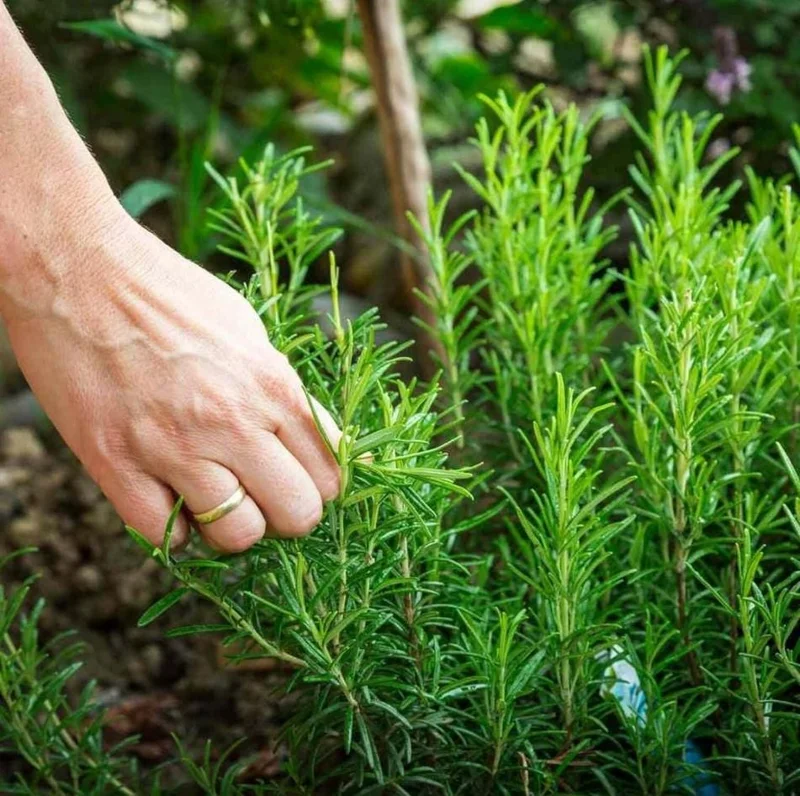
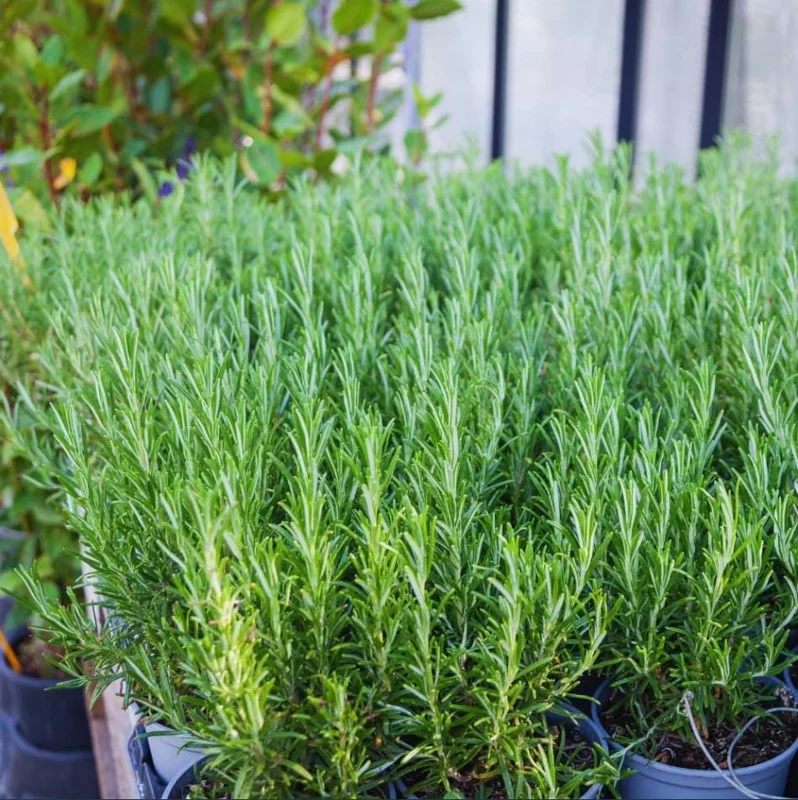
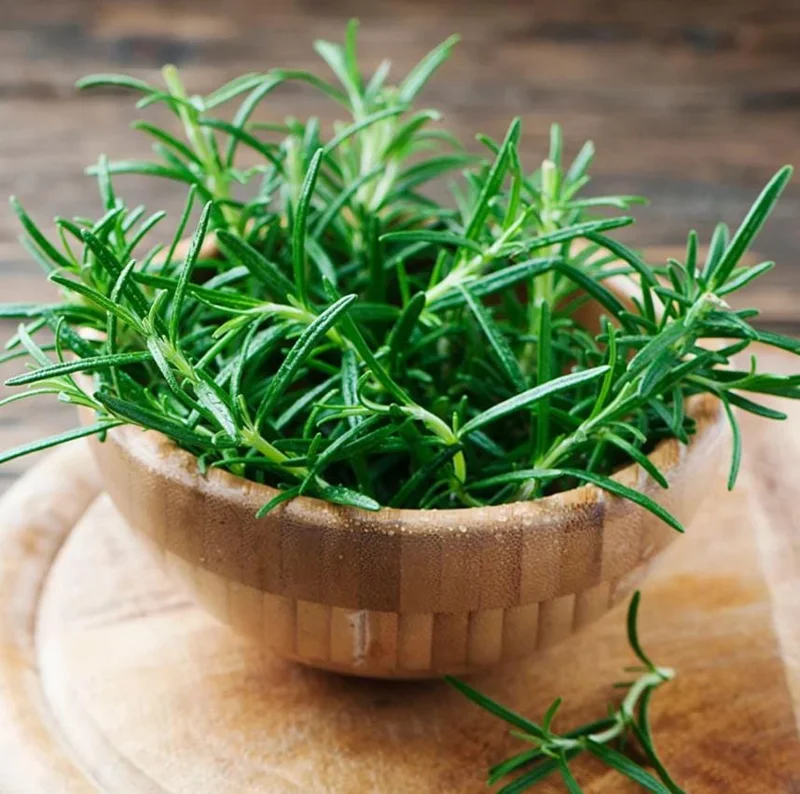
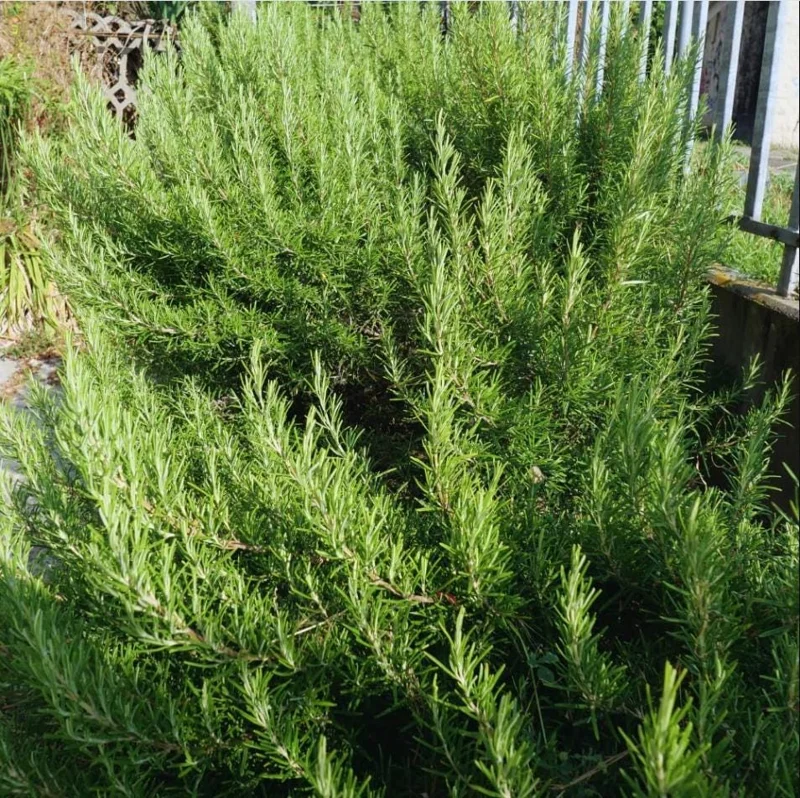
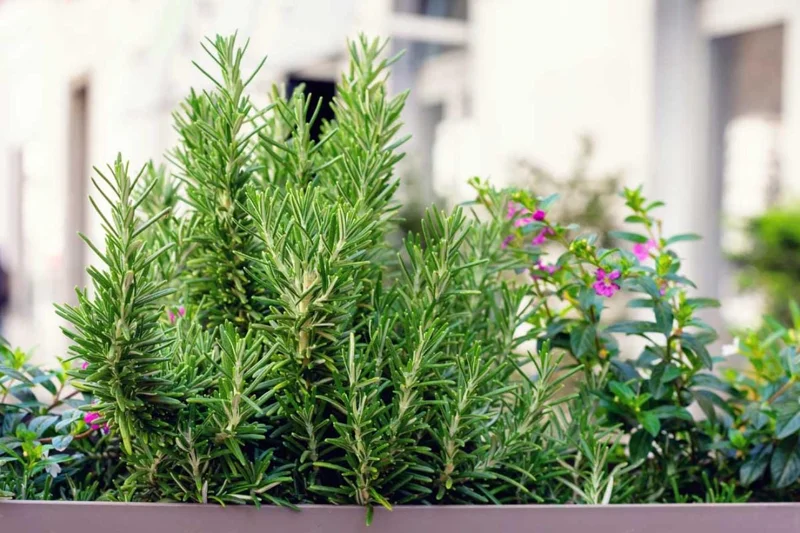
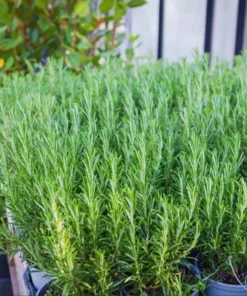
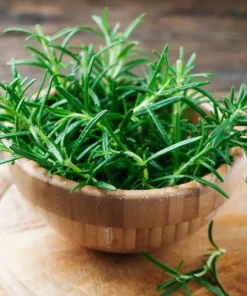
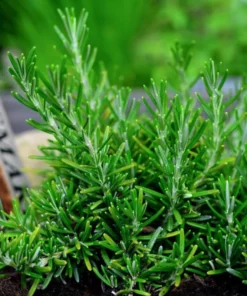
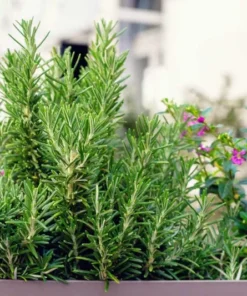
Bring the fragrant beauty and culinary versatility of rosemary live plant to your home. This offering includes two healthy rosemary starter plants, each 2-3 inches tall and rooted in a 5-inch pot. Ideal for both indoor and outdoor gardens, these plants are perfect for beginners looking to grow rosemary indoors or outdoors.
Feb 04
Feb 09 - Feb 11
Feb 14 - Feb 18
USDA Hardiness Zone
Soil Type
Sunlight Exposure
Expected Planting Period
Shipping and return policies: Our Alive & Thrive Guarantee covers issues with your plants within the first 30 days. Get in touch with us via email, and our team will review your concerns and, if necessary, provide you with a one-time replacement at no cost.
If you're unsure about your hardiness zone, feel free to reach out to us. Our team will answer your questions and help you find the plants that are truly suitable for your environment, climate, and personal preferences.
Cultivate the timeless elegance and aromatic charm of a rosemary live plant in your own garden or home. This package provides you with two vibrant rosemary starter plants, carefully nurtured to ensure a healthy beginning. Rosemary, scientifically known as Salvia rosmarinus, is a beloved evergreen shrub renowned for its needle-like leaves and distinctive fragrant aroma. Originating from the Mediterranean region, it thrives in sunny conditions and well-drained soil, making it a robust and rewarding addition to any plant collection. Whether you’re an experienced gardener or just starting, these live rosemary plants are ready to flourish, offering both aesthetic appeal and practical culinary uses. They are an excellent choice for those looking to enjoy fresh herbs year-round.
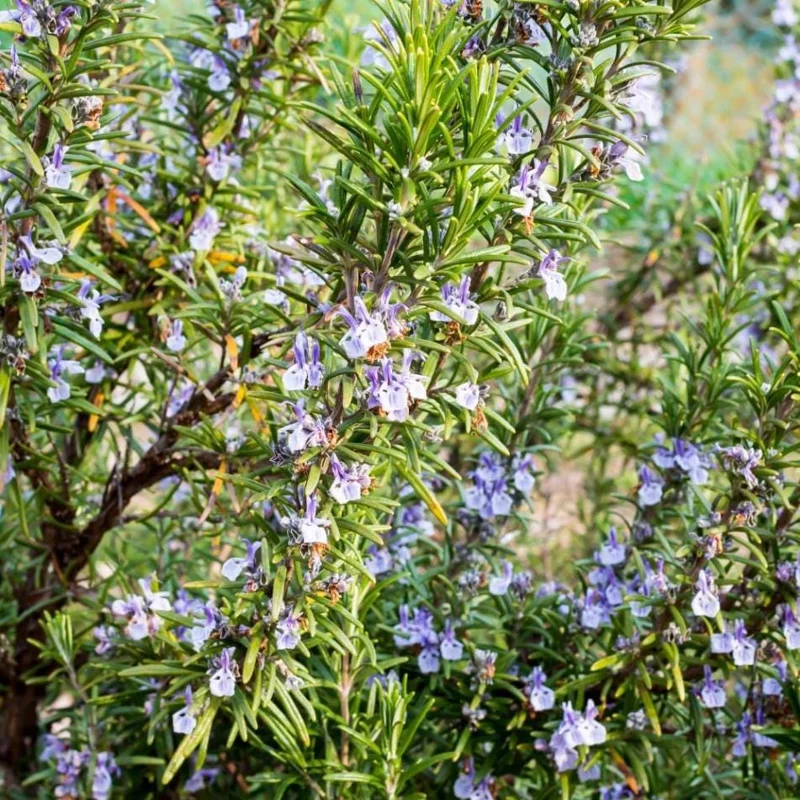
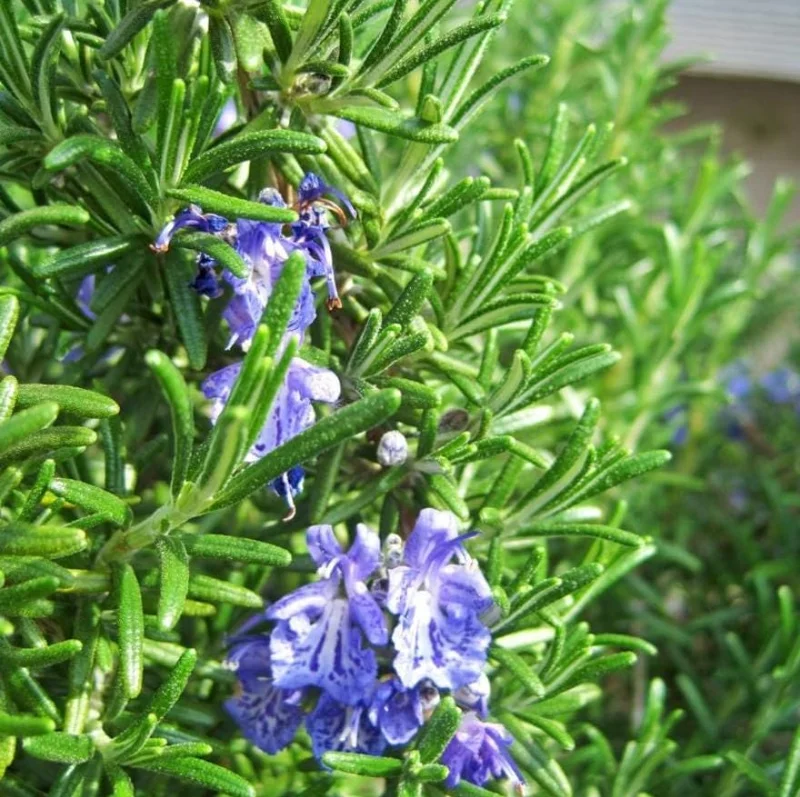
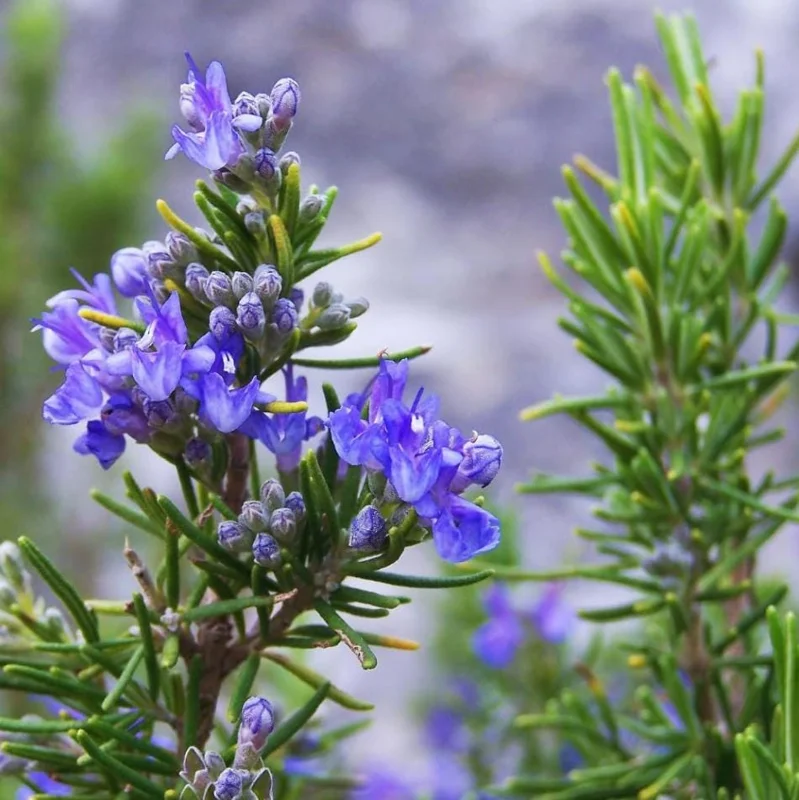
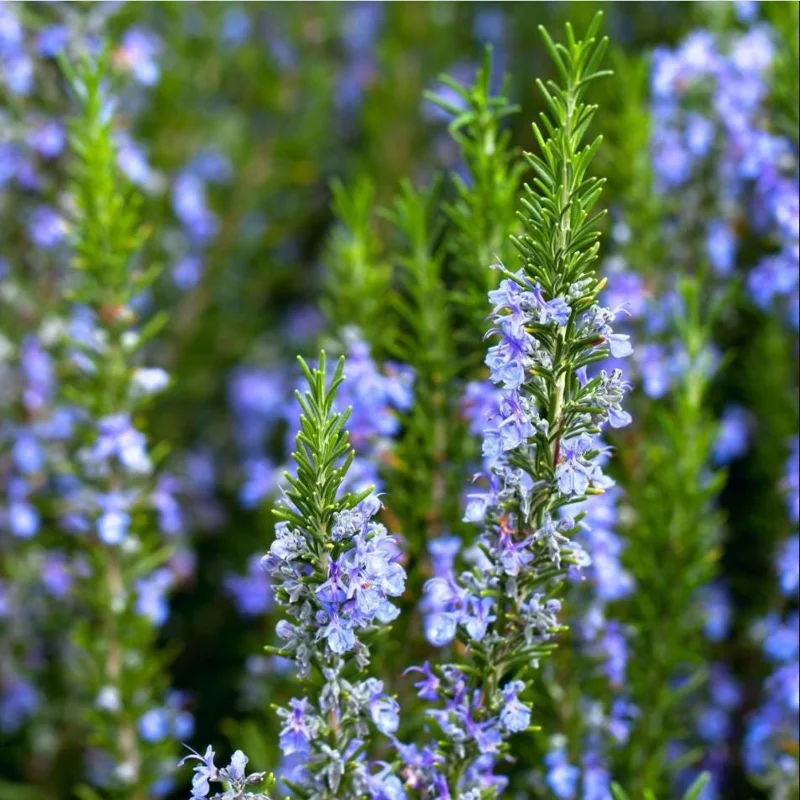
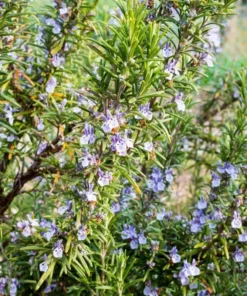
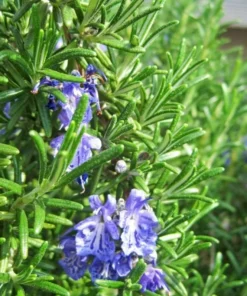
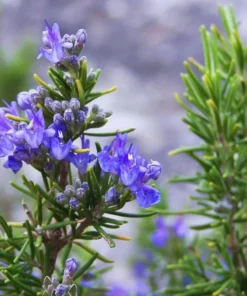
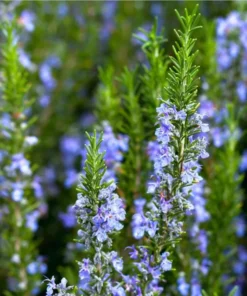
Our rosemary live plant specimens are young, healthy, and well-rooted, ensuring they are ready for planting upon arrival. They are perfect for establishing an herb garden, adding to container arrangements, or simply enjoying their pleasant fragrance. Rosemary is not only a fantastic culinary herb but also a beautiful ornamental plant, with some varieties producing delicate blue or white flowers. These plants are grown with care, ensuring you receive a premium product that will enhance your living space or garden with its unique characteristics and versatile applications. Discover the joy of growing your own fresh rosemary with these excellent starter plants.
Adding a rosemary live plant to your home or garden offers a multitude of benefits, from culinary delights to aromatic enjoyment and even potential health advantages. These resilient herbs are a fantastic investment for any plant enthusiast.
Caring for your rosemary live plant is straightforward, especially if you understand its basic needs. Rosemary thrives in conditions that mimic its native Mediterranean environment. The most crucial factors are ample sunlight and well-draining soil. Provide your plants with at least 6-8 hours of direct sunlight daily; full sun is essential for robust growth and aromatic foliage. Insufficient light will lead to weak, leggy growth and reduced fragrance. If growing indoors, place your plant near a south-facing window or supplement with a grow light to ensure it receives adequate light. Rotate the pot occasionally to ensure even growth.
When it comes to watering, moderation is key. Rosemary prefers its soil to dry out slightly between waterings. Overwatering is the most common cause of failure, leading to root rot. Check the soil moisture by sticking your finger about an inch or two deep; if it feels dry, it’s time to water. Ensure the pot has drainage holes to prevent waterlogging. For soil, a well-draining mix is critical. Rosemary prefers sandy or loamy soils with a pH between 6.0 and 7.5. Avoid heavy, clay-like soils that retain too much moisture. Many gardeners find that adding sand or perlite to standard potting mix improves drainage effectively, which is vital if you want to successfully grow rosemary indoors.
Temperature-wise, rosemary thrives in a range of 60–80°F (16–27°C). While it tolerates heat and drought once established, it needs protection from prolonged freezing temperatures, especially younger plants. In colder climates, bringing potted rosemary indoors for the winter is recommended. Fertilization is generally not heavily required; a light application of a balanced liquid fertilizer once or twice during the growing season is usually sufficient. Pruning your rosemary live plant regularly encourages bushier growth and provides you with fresh sprigs for use. Watch out for common pests like spider mites or aphids, and address them promptly with organic pest control methods if they appear.
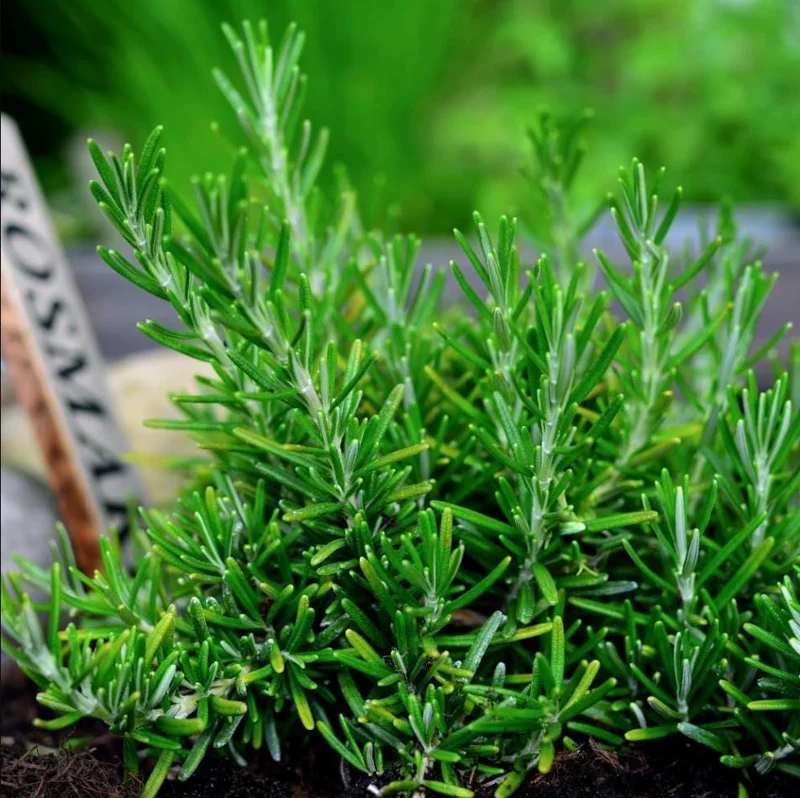
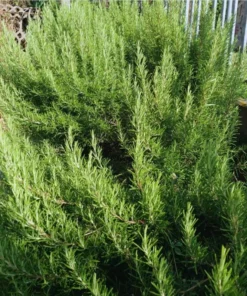
This offering includes two individual rosemary starter plants, each carefully cultivated and shipped in a 5-inch nursery pot. Upon arrival, each plant will typically measure between 2 to 3 inches in height, not including the pot. These are young, well-rooted specimens, perfect for transplanting into larger containers or directly into your garden bed. Rosemary has a moderate growth rate, and with proper care, these plants will quickly establish themselves and begin to produce abundant foliage. Expect them to mature into larger, bushier plants, potentially reaching several feet in height and width depending on growing conditions and variety.
The plants are shipped with their root ball intact within the nursery pot, ensuring minimal stress during transit. While these young plants may not yet be flowering, they possess strong root systems ready to support vigorous growth. They are ideal for gardeners seeking to establish a fresh herb supply or add a fragrant, evergreen element to their landscape. Whether you plan to keep them as compact container plants or allow them to grow into larger shrubs, these starters provide an excellent foundation for your gardening endeavors. The 5-inch pot size offers enough space for initial growth before transplanting.
You must be logged in to post a review.
Sold 87 products
Original price was: $47.98.$23.99Current price is: $23.99.
Sold 58 products
Original price was: $45.96.$22.98Current price is: $22.98.
Sold 65 products
Original price was: $65.98.$32.99Current price is: $32.99.
Sold 50 products
Original price was: $59.40.$29.70Current price is: $29.70.
Sold 59 products
Original price was: $45.98.$22.99Current price is: $22.99.
Sold 95 products
Original price was: $71.98.$35.99Current price is: $35.99.
Sold 96 products
Original price was: $65.98.$32.99Current price is: $32.99.
Sold 100 products
Original price was: $47.92.$23.96Current price is: $23.96.



Reviews
There are no reviews yet.