NEED SUPPORT WITH YOUR ORDER? Get in touch
Not satisfied with your purchase?
Enter your Order ID on website, and we'll resolve it right away.

Original price was: $62.99.$46.99Current price is: $46.99.
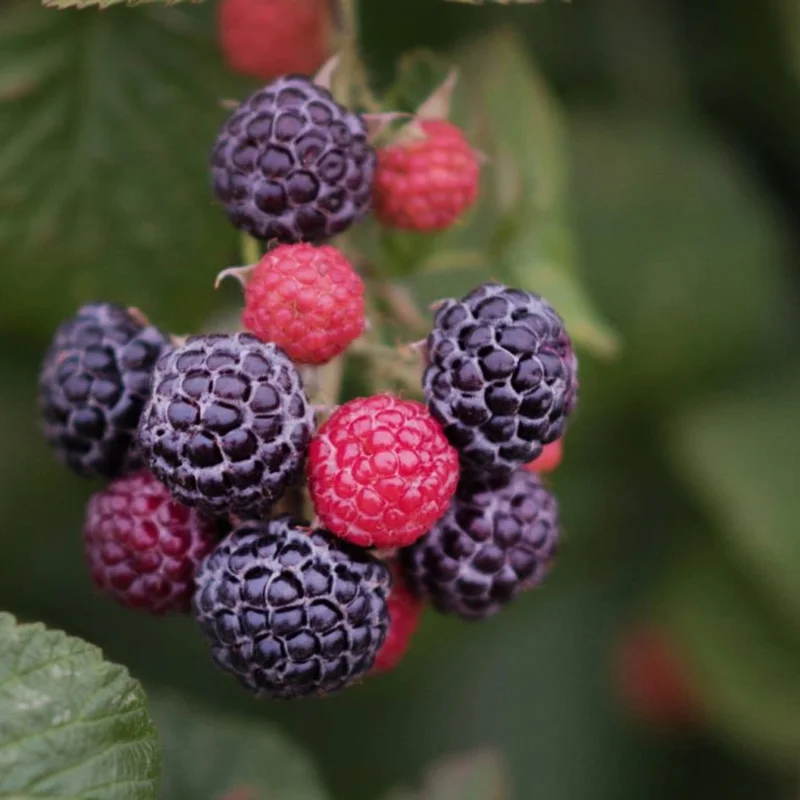
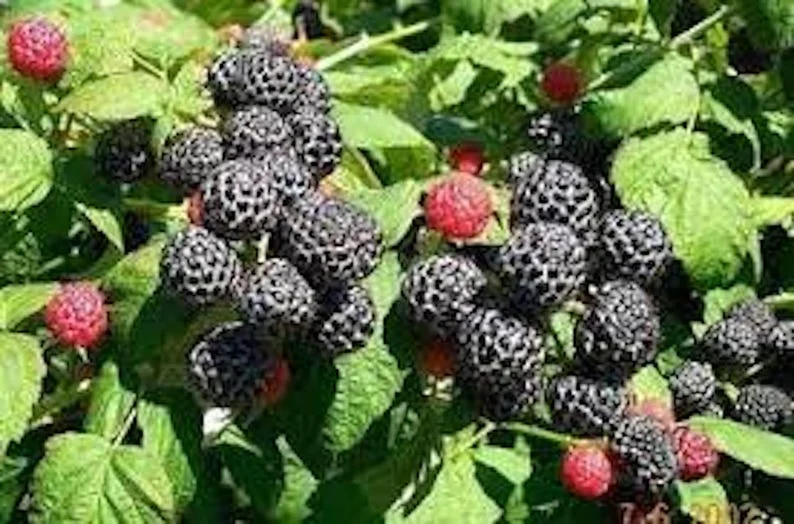
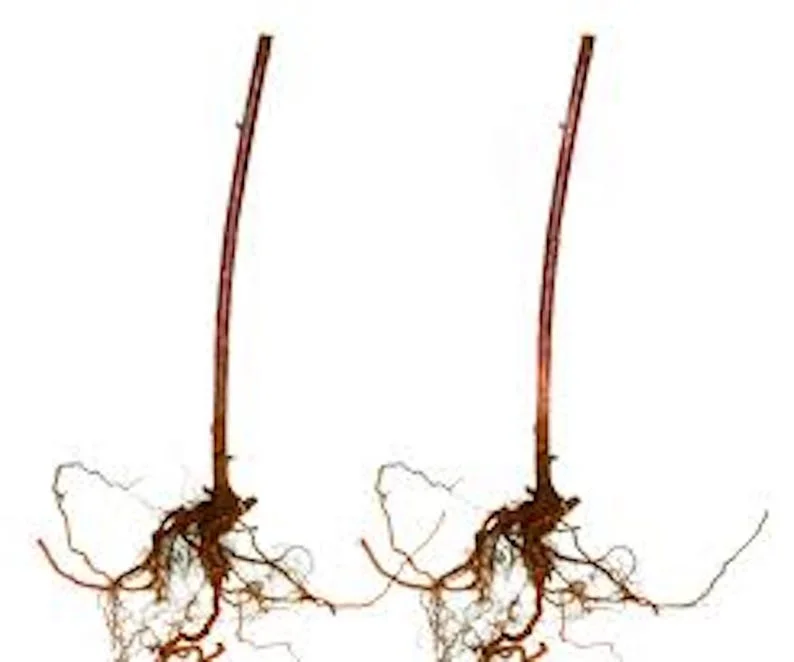
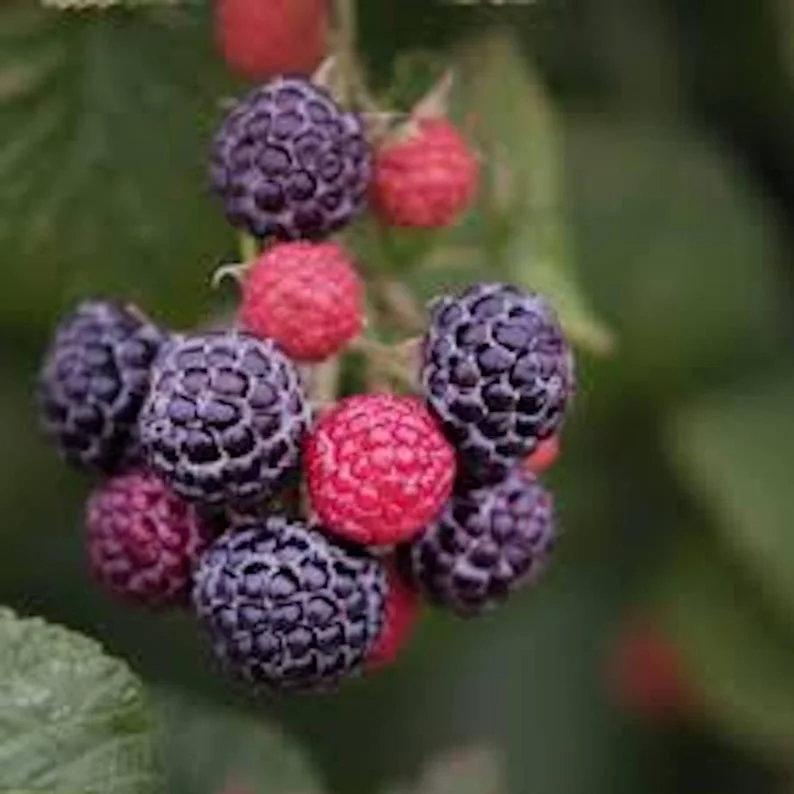
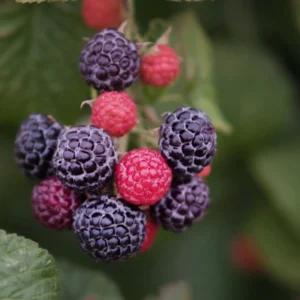
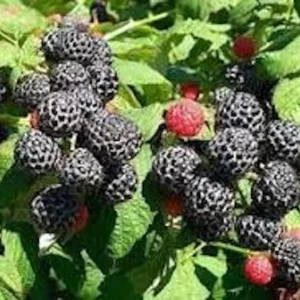
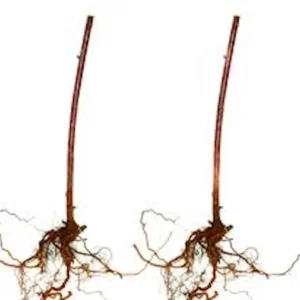
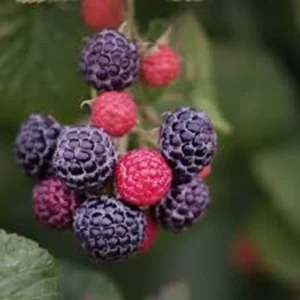
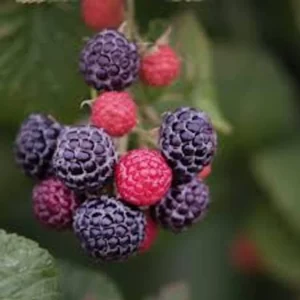
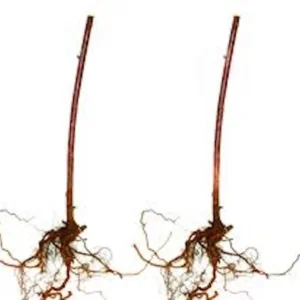
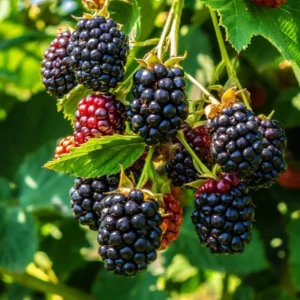
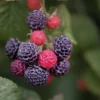
Bring the joy of fresh, homegrown berries to your garden with a Cumberland Black Raspberry live plant. This robust 2-year-old fruit bush (Rubus occidentalis) yields delicious, sweet-tart black raspberries, perfect for fresh eating or preserves. Known for its exceptional disease resistance and adaptability, it’s an excellent choice for both novice and experienced gardeners seeking a productive and low-maintenance addition to their edible landscape.
Feb 04
Feb 09 - Feb 11
Feb 14 - Feb 18
USDA Hardiness Zone
Soil Type
Sunlight Exposure
Expected Planting Period
Shipping and return policies: Our Alive & Thrive Guarantee covers issues with your plants within the first 30 days. Get in touch with us via email, and our team will review your concerns and, if necessary, provide you with a one-time replacement at no cost.
If you're unsure about your hardiness zone, feel free to reach out to us. Our team will answer your questions and help you find the plants that are truly suitable for your environment, climate, and personal preferences.
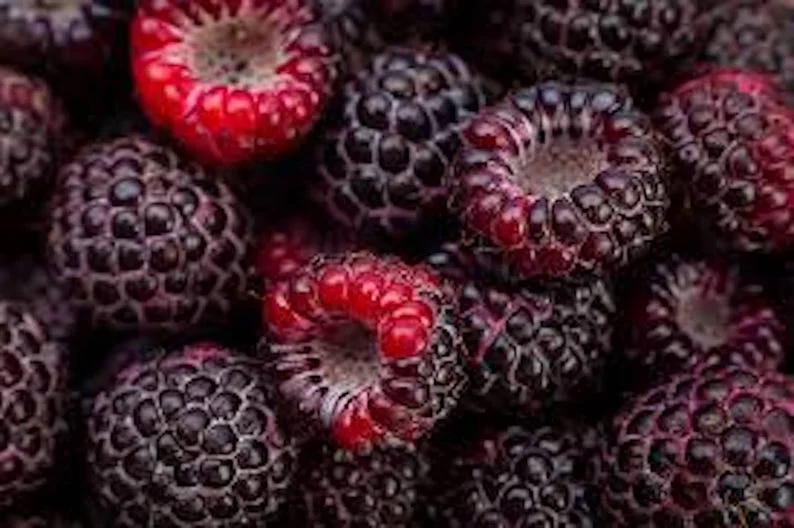
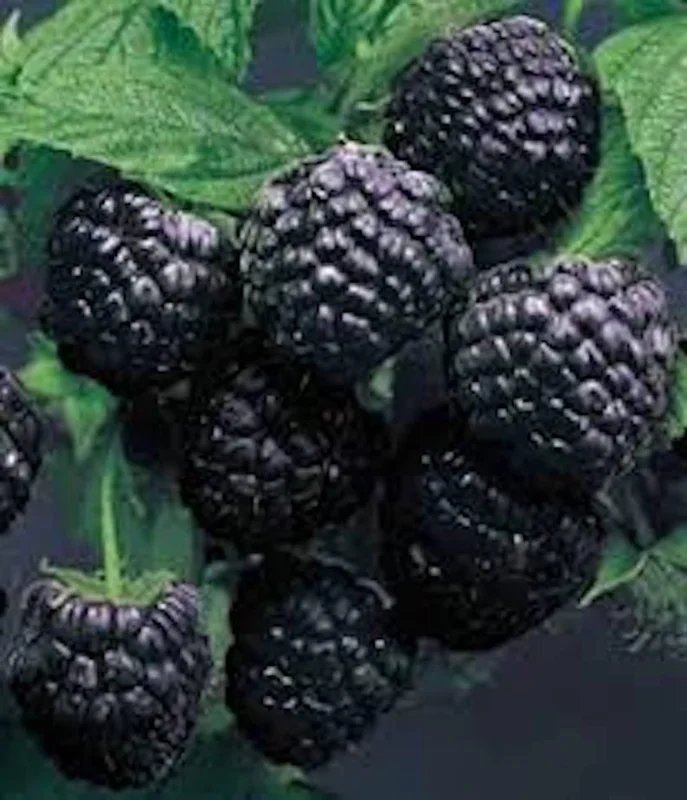
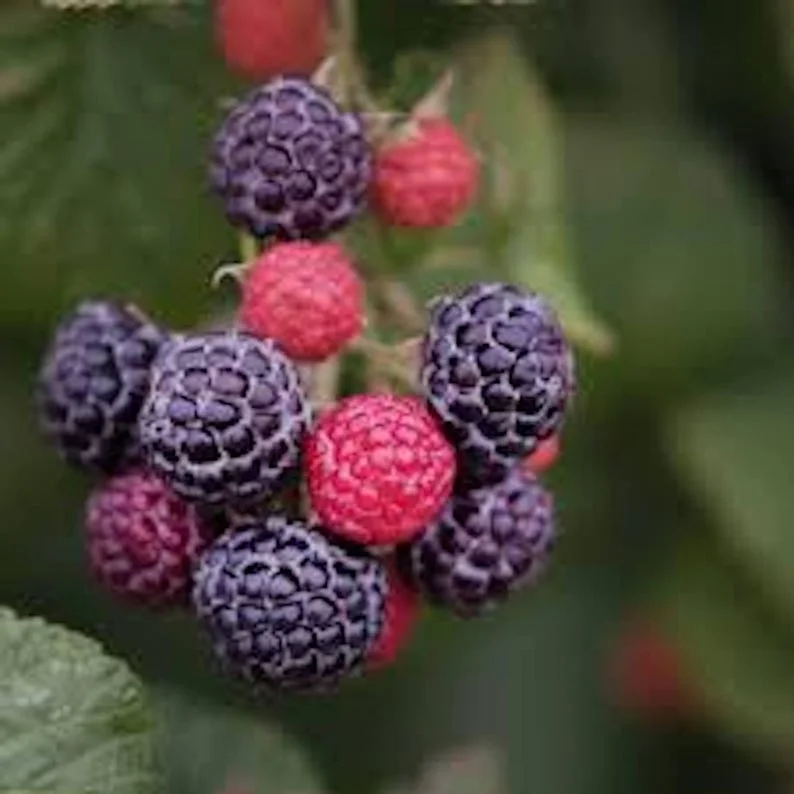
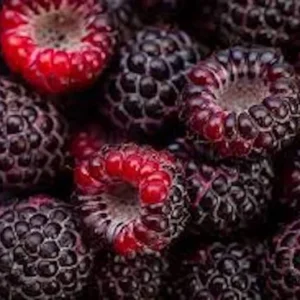
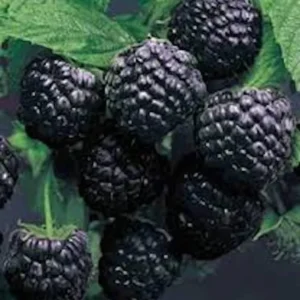
Introduce a delightful and productive addition to your edible landscape with the Cumberland Black Raspberry live plant. This 2-year-old fruit bush, scientifically known as Rubus occidentalis, is a highly prized variety celebrated for its distinctive rich, dark purple-black berries and intense sweet-tart flavor. Each plant is 2 years old, providing a strong, established start that ensures quicker fruiting and a more immediate harvest in your garden. Cultivating these black raspberry plants offers a truly rewarding experience, bringing the joy of fresh, flavorful berries directly to your backyard. Whether you’re an experienced gardener or just starting, the Cumberland Black Raspberry is an excellent choice for its robust nature and delicious yield, making it a fantastic black raspberry bush for any home gardener.
The beauty of these plants extends beyond their fruit; their vigorous canes and lush foliage add an attractive element to any garden setting. Imagine picking your own nutrient-rich berries, perfect for a variety of culinary uses or simply enjoying fresh off the bush. The Cumberland Black Raspberry live plant is not only a source of incredible flavor but also a testament to sustainable home gardening, providing years of abundant harvests with proper care.
The Cumberland Black Raspberry live plant offers numerous advantages for both the gardener and the culinary enthusiast, making it a standout choice for fruit production. Its combination of flavor, hardiness, and ease of care ensures a rewarding experience.
To ensure your Cumberland Black Raspberry live plant thrives and produces abundant fruit, understanding its specific care requirements is essential. These black raspberry plants are relatively easy to grow, but a few key practices will lead to the best results. They generally prefer a location that receives at least 6-8 hours of direct sunlight daily. More sun exposure typically translates to a greater yield of berries. Ensure the planting site has good air circulation to help prevent fungal issues.
When it comes to soil, Cumberland Black Raspberries prefer well-drained soil with a pH between 6.0 and 6.8. If your soil is heavy clay, amending it with organic matter such as compost or aged manure will significantly improve drainage and provide essential nutrients. Avoid planting in areas where other brambles or nightshades have recently grown to prevent the spread of soil-borne diseases. Water deeply once a week, especially during dry periods and when the fruit is developing. Increase watering frequency during hot, dry weather to ensure consistent moisture, but be careful not to overwater, as this can lead to root rot. Mulching around the base of the plants can help retain soil moisture and suppress weeds. For optimal results in growing black raspberries, proper soil and watering are key.
Fertilize your Rubus occidentalis plant in early spring with a balanced fertilizer or a product specifically formulated for berries, following the manufacturer’s instructions. Pruning is crucial for black raspberries; they produce fruit on second-year canes. After fruiting, these canes die back and should be pruned to the ground. New canes (primocanes) will grow in the first year and produce fruit in the second (floricanes). Providing support like a trellis or stakes is highly recommended for these vigorous plants, as their canes can reach 5-7 feet tall, preventing them from sprawling and making harvesting easier. This structured support also promotes better air circulation and sunlight penetration, which are vital for healthy growth and fruit production, making the disease resistant raspberry even more robust.
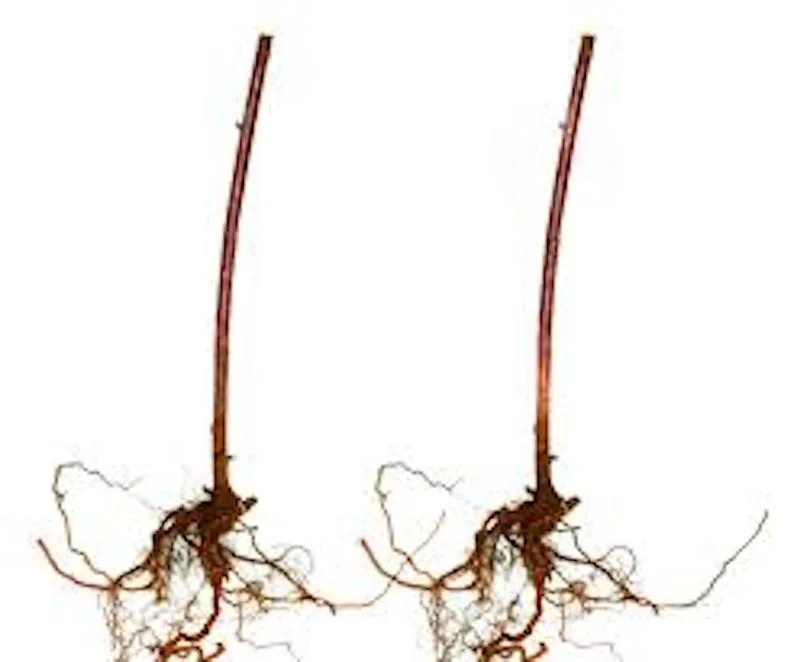
Each offering includes a Cumberland Black Raspberry live plant that is 2 years old, providing a robust and established specimen ready for planting and quicker fruit production. These plants are typically shipped as bare root or in a small nursery pot, depending on the season, ensuring they transplant easily into your garden. Once established, the vigorous canes of this variety can reach an impressive height of 5-7 feet, benefiting greatly from support structures like trellises or stakes to manage their growth and facilitate optimal fruit development. Expect your plant to begin producing fruit within one to two years after planting, with yields increasing as the plant matures.
The medium-sized berries typically ripen in mid-summer, offering a generous harvest. These plants are known for their strong root systems and resilient nature, making them a long-term investment for your edible garden. With proper care, a single black raspberry bush can produce for many years, providing a continuous supply of delicious, homegrown black raspberries. The plant’s hardy nature in USDA zones 4-8 further emphasizes its suitability for a wide array of growing conditions across the United States, simplifying the process of growing black raspberries.
You must be logged in to post a review.
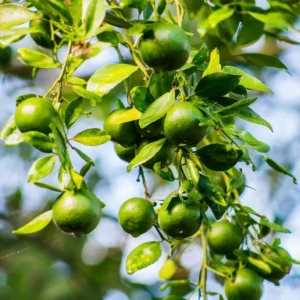
Sold 98 products
Original price was: $68.99.$47.99Current price is: $47.99.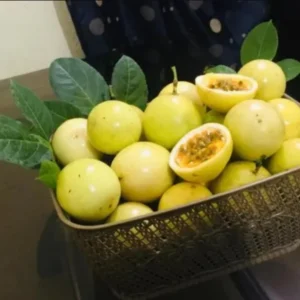
Sold 58 products
Original price was: $38.80.$19.40Current price is: $19.40.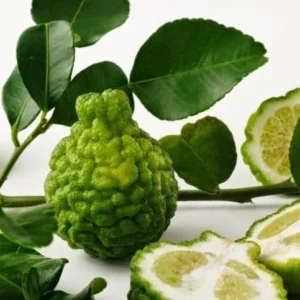
Fruits
Kaffir Lime Starter Plug – Kaffir Lime Citrus Fruit Plants-Lemon Tree 2-3 Inch Live Plant Seedling
Sold 79 products
Original price was: $68.99.$47.99Current price is: $47.99.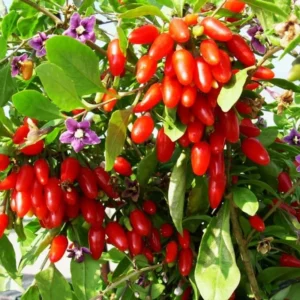
Sold 80 products
Original price was: $55.98.$27.99Current price is: $27.99.
Sold 62 products
Original price was: $57.98.$28.99Current price is: $28.99.
Sold 98 products
Original price was: $79.99.$59.99Current price is: $59.99.
Sold 83 products
Original price was: $78.99.$48.99Current price is: $48.99.
Sold 67 products
Original price was: $39.98.$19.99Current price is: $19.99.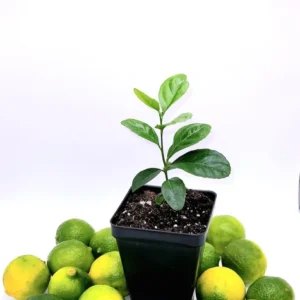
Reviews
There are no reviews yet.