NEED SUPPORT WITH YOUR ORDER? Get in touch
Not satisfied with your purchase?
Enter your Order ID on website, and we'll resolve it right away.
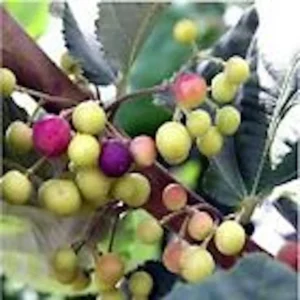
Original price was: $78.99.$50.99Current price is: $50.99.
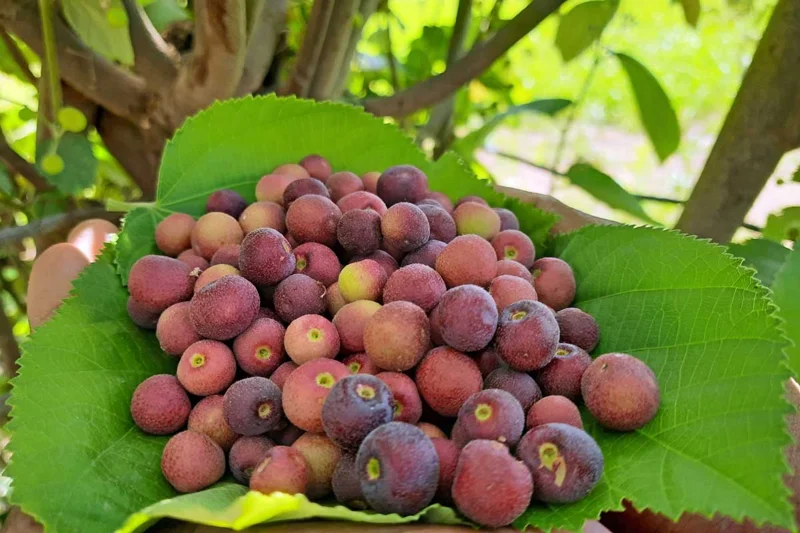
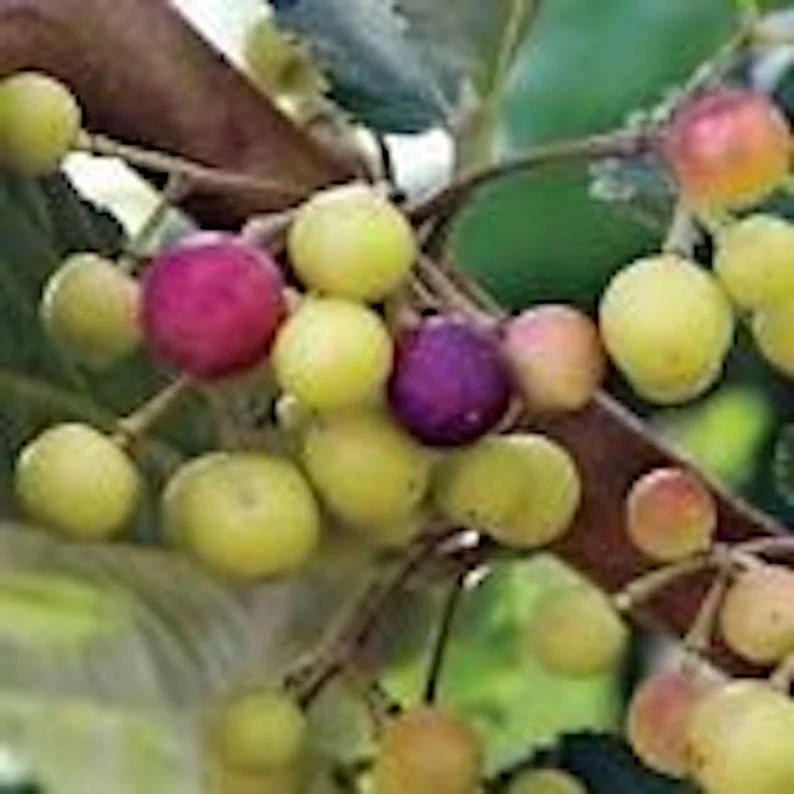
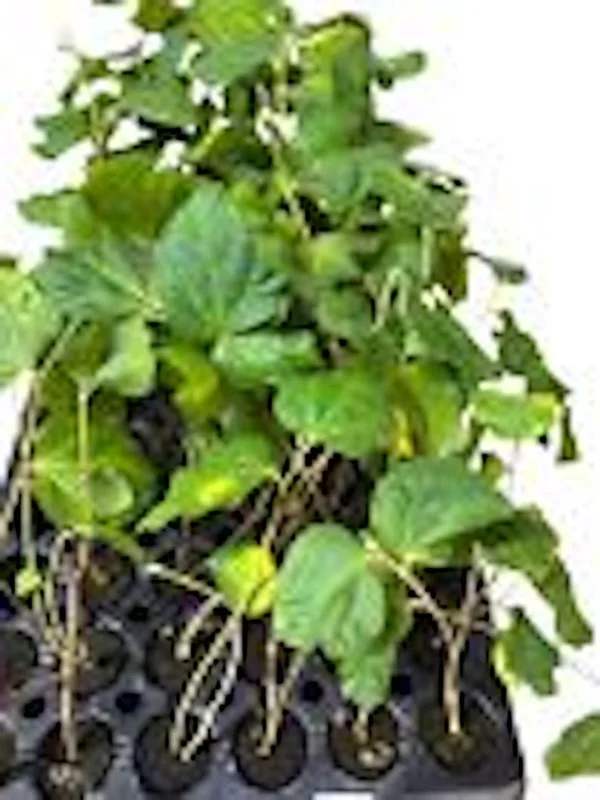
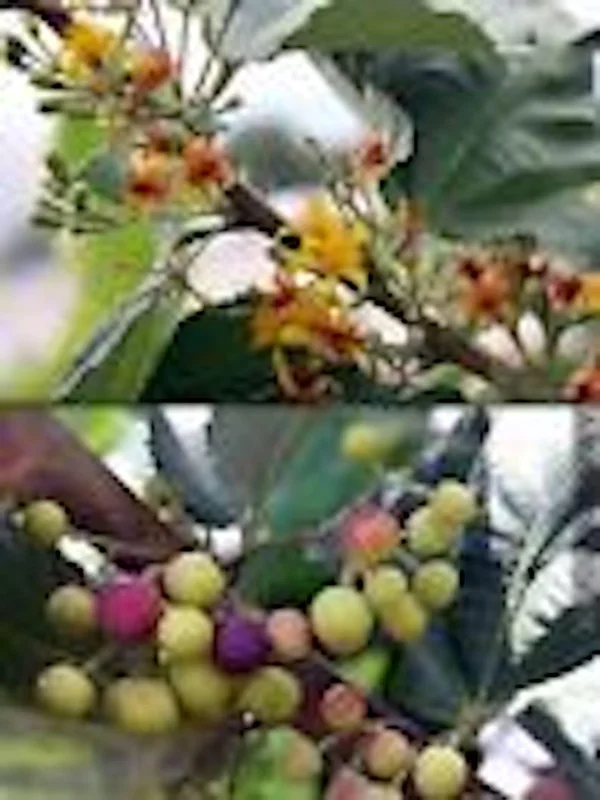
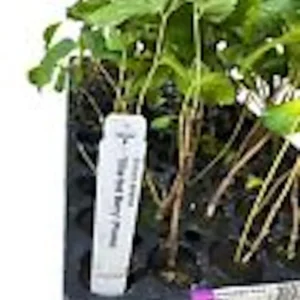
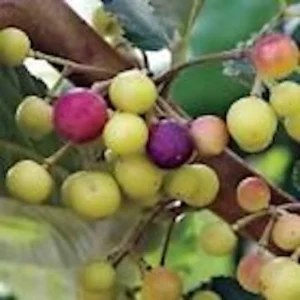
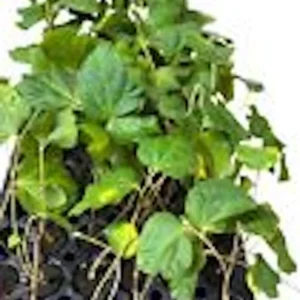
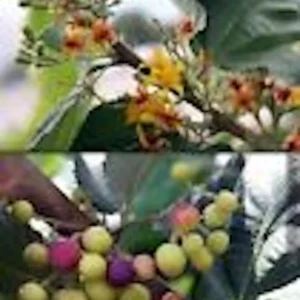
Discover the joy of growing your own exotic fruit with this set of 3 Sherbet Berry live plant starters. Also known as Grewia Asiatica or Phalsa, these edible fruit plant perennials produce delicious, tart, and antioxidant-rich berries. They are a drought-tolerant plant once established, making them an easy-care addition to any garden in USDA Zones 9-11, growing into an attractive perennial fruit bush or small tree.
Feb 04
Feb 09 - Feb 11
Feb 14 - Feb 18
USDA Hardiness Zone
Soil Type
Sunlight Exposure
Expected Planting Period
Shipping and return policies: Our Alive & Thrive Guarantee covers issues with your plants within the first 30 days. Get in touch with us via email, and our team will review your concerns and, if necessary, provide you with a one-time replacement at no cost.
If you're unsure about your hardiness zone, feel free to reach out to us. Our team will answer your questions and help you find the plants that are truly suitable for your environment, climate, and personal preferences.
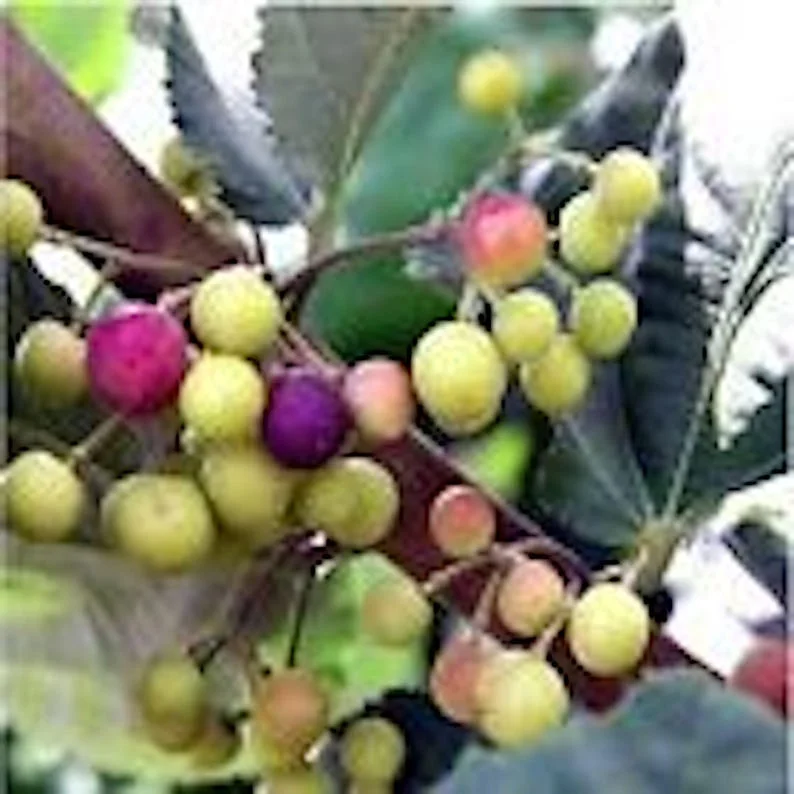
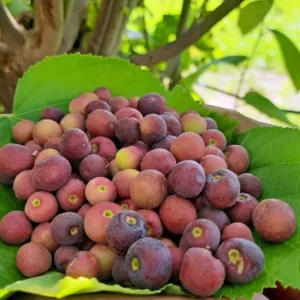
Discover the joy of growing your own exotic fruit with this set of 3 Sherbet Berry live plant starters. Botanically known as Grewia Asiatica, this fascinating and rewarding addition to any garden or home is celebrated for its unique flavor, antioxidant properties, and traditional medicinal uses. These robust starter plants are ready to establish themselves, eventually growing into attractive shrubs or small trees that yield an abundance of delicious, tart berries. Originating from Southeast Asia, the sherbet berry live plant is a wonderful choice for both seasoned gardeners and those new to cultivating edible plants, promising years of fresh, healthy fruit straight from your backyard. Also known as Phalsa, these plants are highly adaptable, thriving in various conditions and offering a continuous supply of fruit once mature. Embrace the opportunity to cultivate this unique and beneficial edible fruit plant, enhancing your garden with both beauty and bounty.
Cultivating a sherbet berry live plant offers a multitude of advantages, making it a fantastic choice for any gardener interested in edible landscapes and beneficial flora. These plants are not just producers of fruit but also contribute to a vibrant and healthy garden ecosystem, providing both aesthetic appeal and practical benefits.
Caring for your sherbet berry live plant involves understanding its preferred conditions to ensure healthy growth and abundant fruit production. These plants are relatively low-maintenance but benefit greatly from attention to their specific needs. They thrive in full to partial sun, meaning they need at least 6 hours of direct sunlight per day, though they can tolerate some afternoon shade in hotter climates. Ensure the planting location offers good air circulation to prevent fungal issues. When planting your bare-root starters, prepare a well-draining soil mix. While adaptable to various soil types, a slightly acidic to neutral pH (6.0-7.0) is ideal. Incorporate organic matter to enrich the soil and improve drainage, providing the best start for your edible fruit plant.
Watering should be consistent, especially during the plant’s establishment phase. Keep the soil evenly moist but not waterlogged. Once established, this drought-tolerant plant is quite resilient and can tolerate periods of dryness, but regular watering during fruiting periods will encourage a more prolific harvest. For optimal growth, fertilize annually in early spring with a balanced, slow-release fertilizer designed for fruiting plants. Pruning is best done in late winter or early spring to remove dead or weak branches, shape the plant, and promote new growth and fruit production. Protect young plants from hard frosts, as while mature plants can tolerate light frosts, prolonged cold can cause damage. The Grewia Asiatica is best suited for USDA zones 9-11, where it can be grown outdoors year-round.
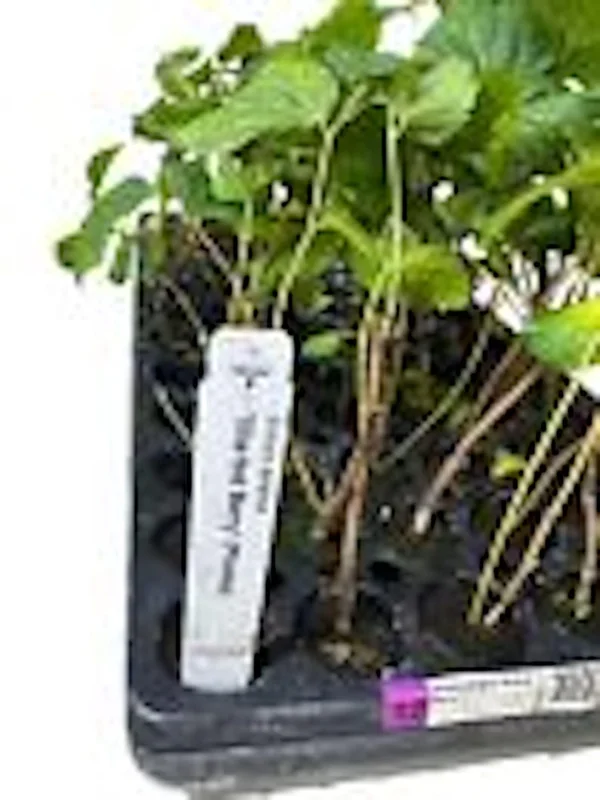
You will receive three sherbet berry live plant starters, shipped bare root and ready for immediate planting. These starter plants are typically young, healthy specimens, approximately 6-12 inches in height, designed to establish quickly in your garden. Once mature, the Sherbet Berry plant typically grows into a shrub or small tree, reaching an average height of 6-15 feet, with a spread of 4-8 feet, depending on growing conditions and pruning. The berries, also known as phalsa, are small, ranging from 1/4 to 1/2 inch in diameter. With proper care, you can expect these plants to begin producing fruit within 1-2 years of planting, offering a continuous supply of delicious harvests for many seasons as a robust perennial fruit bush. The growth rate is moderate, allowing for easy management and shaping as it matures.
You must be logged in to post a review.
Fruits
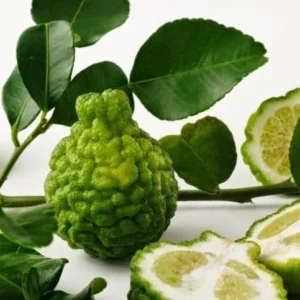
Kaffir Lime Starter Plug – Kaffir Lime Citrus Fruit Plants-Lemon Tree 2-3 Inch Live Plant Seedling
Sold 50 products
Original price was: $68.99.$47.99Current price is: $47.99.
Sold 60 products
Original price was: $38.80.$19.40Current price is: $19.40.
Sold 78 products
Original price was: $99.98.$49.99Current price is: $49.99.
Sold 62 products
Original price was: $39.98.$19.99Current price is: $19.99.
Sold 89 products
Original price was: $79.99.$59.99Current price is: $59.99.
Sold 99 products
Original price was: $64.99.$34.99Current price is: $34.99.
Sold 87 products
Original price was: $73.98.$36.99Current price is: $36.99.
Sold 74 products
Original price was: $58.58.$29.29Current price is: $29.29.
Reviews
There are no reviews yet.