NEED SUPPORT WITH YOUR ORDER? Get in touch
Not satisfied with your purchase?
Enter your Order ID on website, and we'll resolve it right away.

Original price was: $98.99.$75.99Current price is: $75.99.
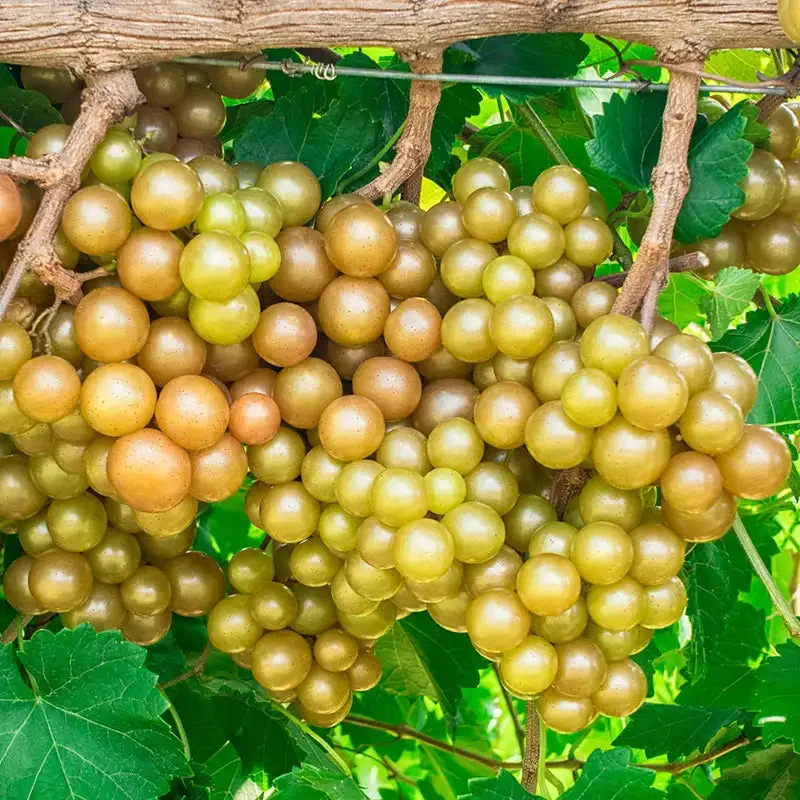
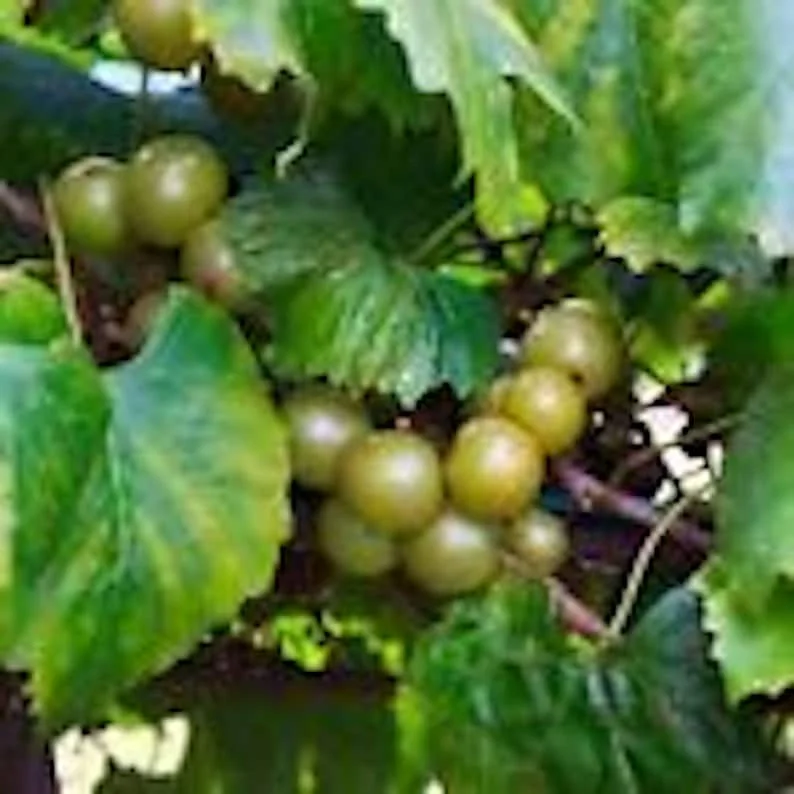
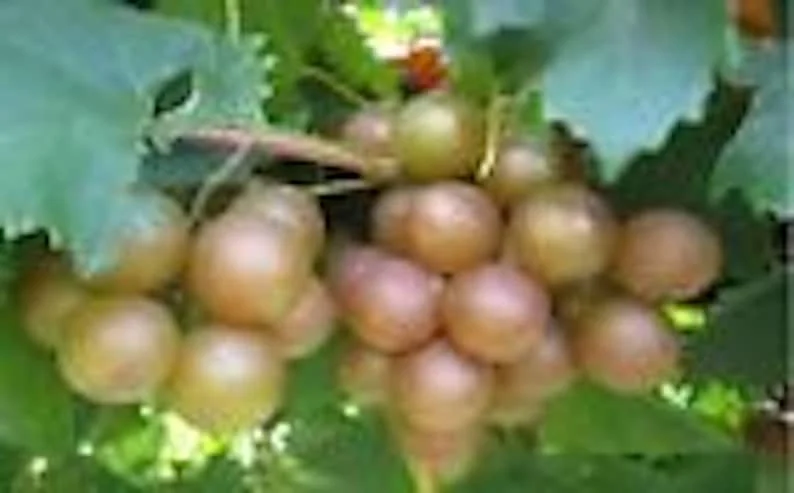
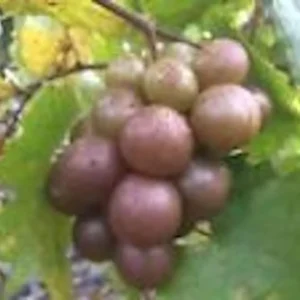
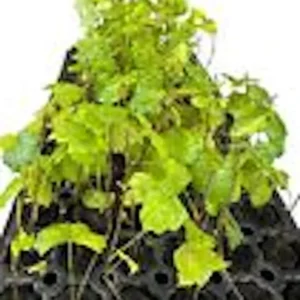
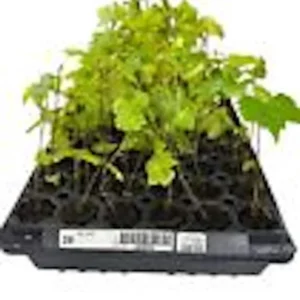
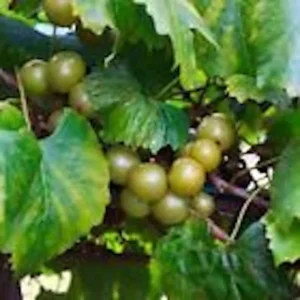
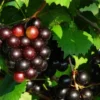
Cultivate your own vineyard with the Carlos Muscadine grape plant, a vigorous Vitis rotundifolia live plant known for its abundant harvest of sweet, bronze-colored grapes. This self-fertile grape vine is perfect for fresh eating, juice, or wine, thriving outdoors with minimal care.
Feb 04
Feb 09 - Feb 11
Feb 14 - Feb 18
USDA Hardiness Zone
Soil Type
Sunlight Exposure
Expected Planting Period
Shipping and return policies: Our Alive & Thrive Guarantee covers issues with your plants within the first 30 days. Get in touch with us via email, and our team will review your concerns and, if necessary, provide you with a one-time replacement at no cost.
If you're unsure about your hardiness zone, feel free to reach out to us. Our team will answer your questions and help you find the plants that are truly suitable for your environment, climate, and personal preferences.
Embark on a rewarding gardening journey with the Carlos Muscadine grape plant, a robust and fruitful addition to any landscape. This Vitis rotundifolia live plant is celebrated for its delicious, sweet, and edible fruit. Originating from the southeastern United States, Muscadine grapes are known for their distinctive flavor and versatility. The ‘Carlos’ variety is particularly prized for its consistent yields and adaptability. As a vigorous, self-fertile grape vine, it promises a bountiful harvest without the need for a second plant for pollination, making it an excellent choice for both novice and experienced gardeners. Imagine harvesting your own grapes for fresh eating, homemade juice, or even your own wine, all from a resilient plant that thrives with minimal fuss. The Carlos Muscadine grape plant not only provides a source of fresh produce but also adds significant aesthetic appeal to your garden with its lush foliage and unique bronze-colored grapes.
This starter vine will mature into an impressive plant, offering years of delicious harvests. Its natural hardiness and ease of care make it a standout choice among fruit-bearing plants. Whether you’re looking to enhance your culinary endeavors or simply enjoy the beauty of a productive vine, the Carlos Muscadine grape plant is an exceptional option. Its ability to thrive in various climates and its resistance to common grape ailments contribute to a hassle-free growing experience, ensuring that you can enjoy the fruits of your labor with confidence, creating a thriving sweet edible vine.
The Carlos Muscadine grape plant offers a multitude of advantages, making it a highly desirable choice for home gardeners. Its robust nature and abundant yields are just the beginning of what this exceptional vine provides, making muscadine grape care surprisingly easy.
Caring for your Carlos Muscadine grape plant is straightforward, especially given its robust nature and disease resistance. To ensure a thriving vine and bountiful harvests, understanding its basic requirements is key. Muscadine grapes are sun-loving plants, requiring at least 6-8 hours of direct sunlight daily for optimal growth and fruit production. Southern or western exposures are ideal for outdoor planting. For indoor propagation before transplanting, ensure it receives ample light from a sunny window or under grow lights.
When it comes to watering, consistency is crucial, particularly during the first year after planting. Water deeply and regularly, ensuring the soil remains moist but not waterlogged. Once established, the muscadine grape care becomes more drought-tolerant, but consistent watering during dry spells will maximize fruit development. Well-drained soil is essential, as Muscadines do not tolerate soggy conditions. An ideal soil pH is slightly acidic, ranging from 6.0 to 6.5. Enriching your soil with compost or other organic matter before planting will enhance drainage and fertility. These vines are typically hardy in USDA zones 7-10, tolerating a range of temperatures once established.
Fertilization can begin in the second year after planting. Use a balanced fertilizer in early spring, and then a high-potassium fertilizer once fruit sets. Avoid excessive nitrogen, which can promote leafy growth at the expense of fruit. Pruning is vital for managing vine size, promoting fruit production, and maintaining plant health. Prune in late winter or early spring while the vine is dormant, removing dead or weak wood and shaping the vine to your desired structure. Training the vine on a trellis or arbor is highly recommended to support its vigorous growth and facilitate harvesting. By following these Vitis rotundifolia live plant care guidelines, you’ll be well on your way to enjoying delicious homegrown grapes.
The Carlos Muscadine grape plant is typically shipped as a starter vine, ready for planting and establishment in your garden. While the initial size may vary, these plants are known for their vigorous growth habit once established. With proper support and consistent pruning, a mature sweet edible vine can become quite extensive, potentially reaching lengths of 30-50 feet. It is a perennial plant, meaning it will return year after year, providing many seasons of fruit. The plant produces distinctive bronze-colored grapes, which are medium to large in size and known for their sweet, juicy flesh.
This variety is a self-fertile grape vine type, simplifying the planting process as you only need one plant to produce fruit. The grapes typically ripen in late summer to early fall, depending on your specific climate and growing conditions. The plant is adaptable to various soil types, provided they are well-draining, and thrives in full sun exposure. Expect the vine to establish rapidly in its first year, with significant growth in subsequent seasons, leading to abundant fruit production. Ensure you have adequate space and a sturdy support structure like a trellis or arbor for this robust Vitis rotundifolia live plant.
You must be logged in to post a review.
Sold 81 products
Original price was: $68.99.$47.99Current price is: $47.99.
Sold 82 products
Original price was: $49.99.$34.99Current price is: $34.99.
Sold 50 products
Original price was: $53.98.$26.99Current price is: $26.99.
Sold 83 products
Original price was: $57.98.$28.99Current price is: $28.99.
Sold 57 products
Original price was: $55.98.$27.99Current price is: $27.99.
Sold 93 products
Original price was: $99.99.$79.99Current price is: $79.99.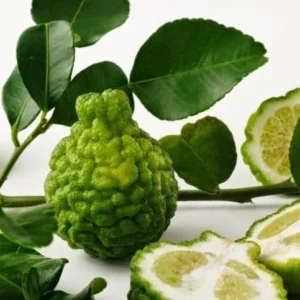
Fruits
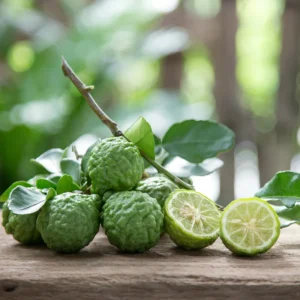
Kaffir Lime Starter Plug – Kaffir Lime Citrus Fruit Plants-Lemon Tree 2-3 Inch Live Plant Seedling
Sold 71 products
Original price was: $68.99.$47.99Current price is: $47.99.
Sold 64 products
Original price was: $39.98.$19.99Current price is: $19.99.
Reviews
There are no reviews yet.