NEED SUPPORT WITH YOUR ORDER? Get in touch
Not satisfied with your purchase?
Enter your Order ID on website, and we'll resolve it right away.

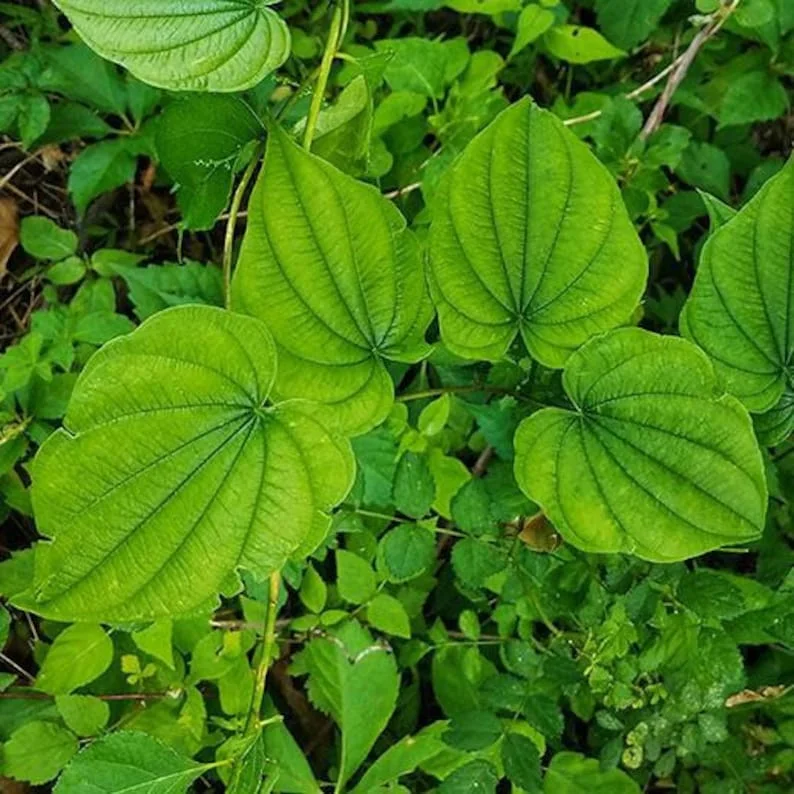
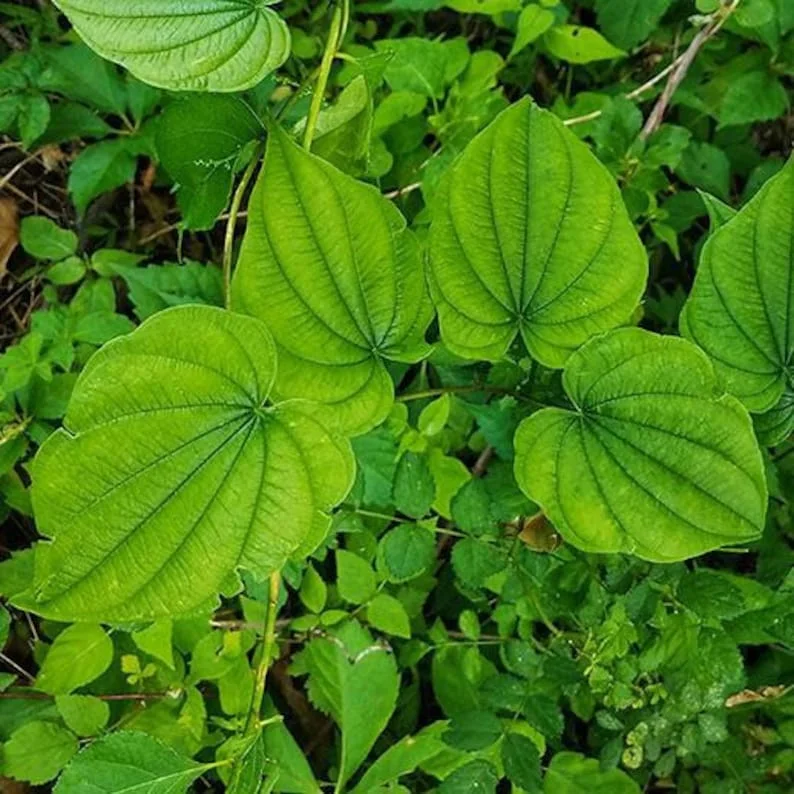
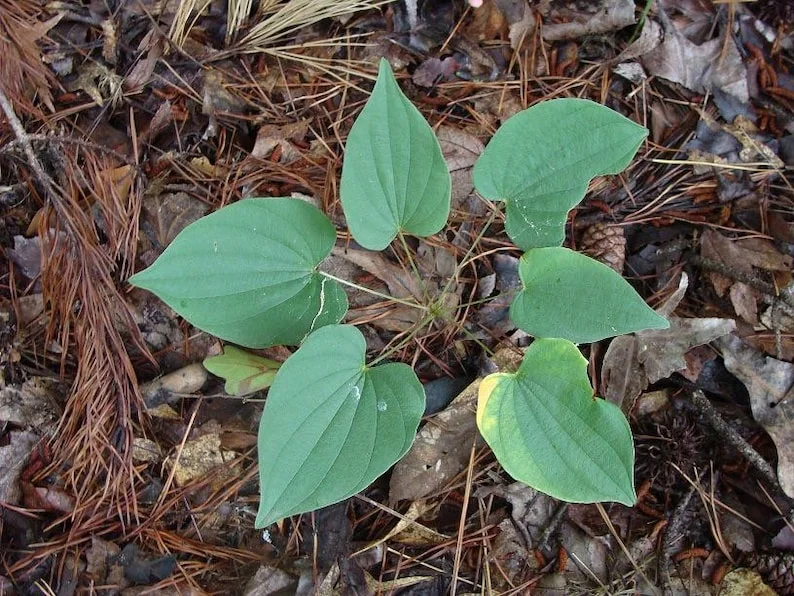
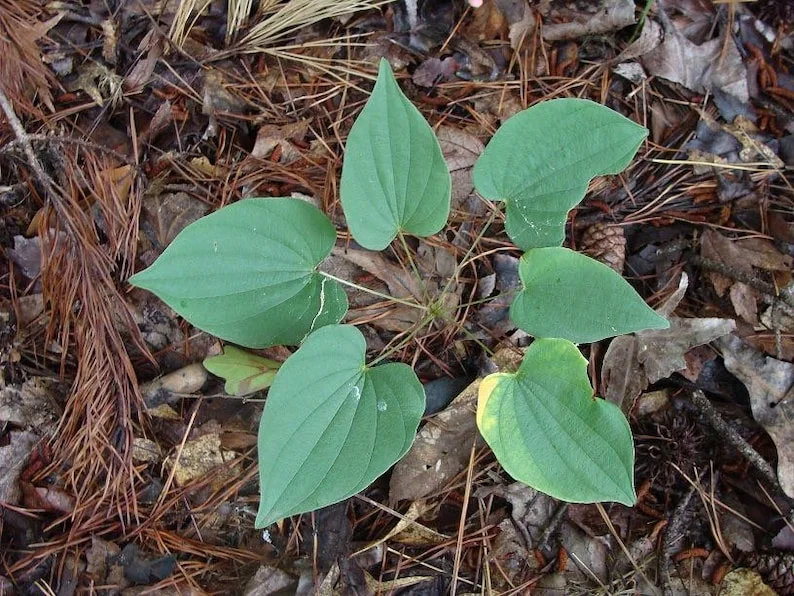
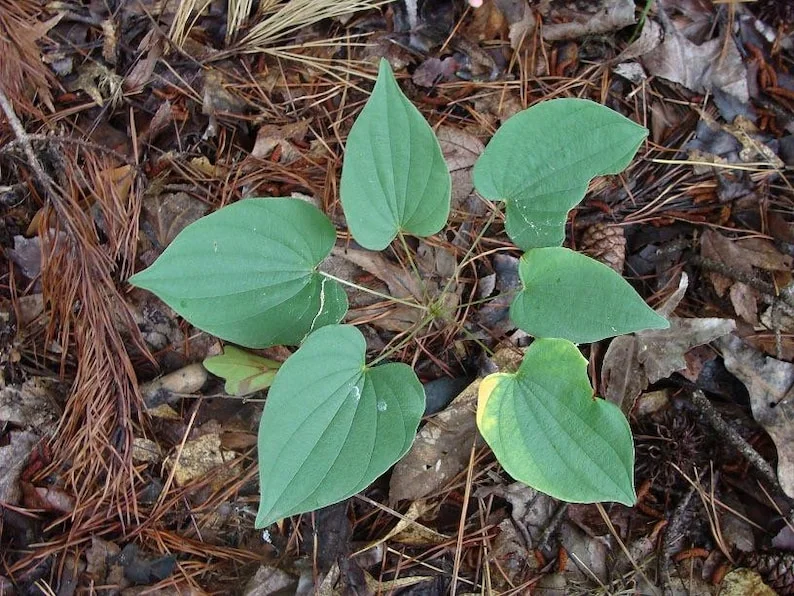
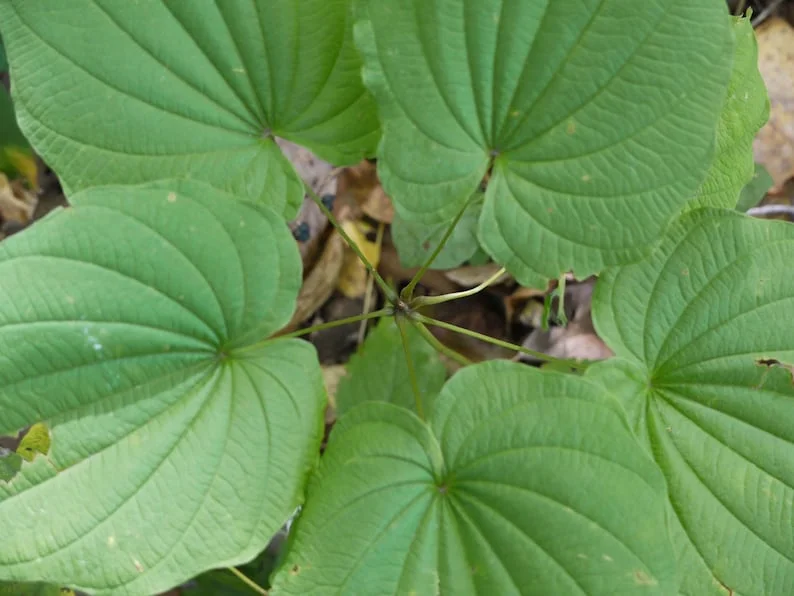
Original price was: $54.99.$25.99Current price is: $25.99.
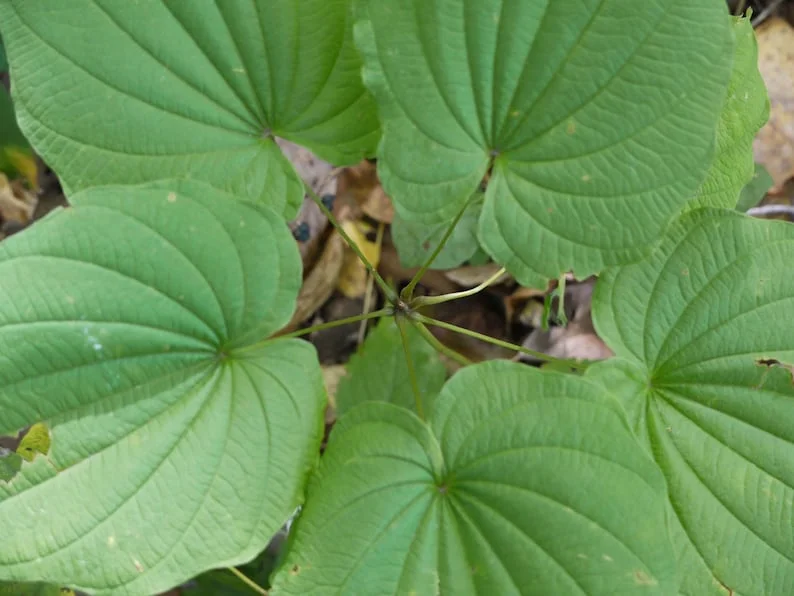
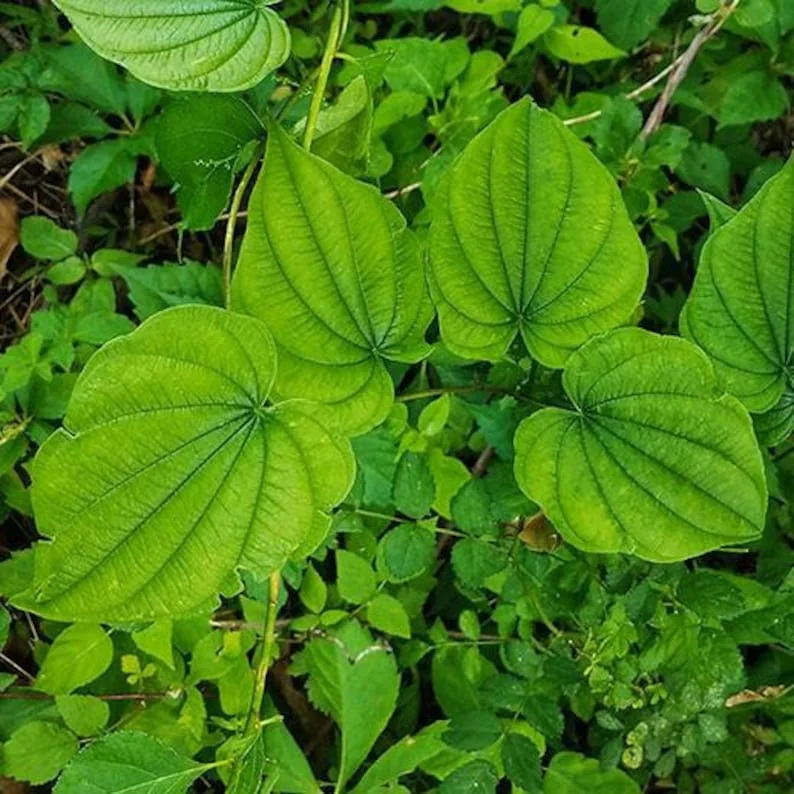
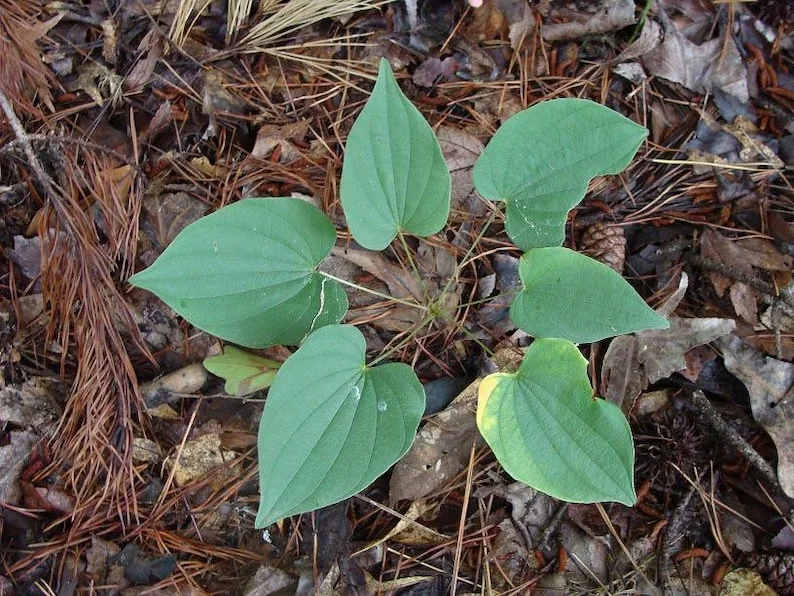
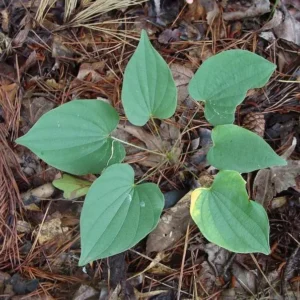
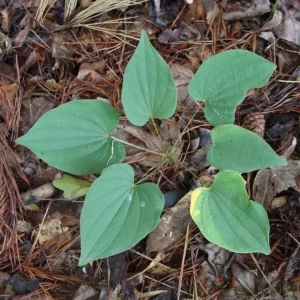
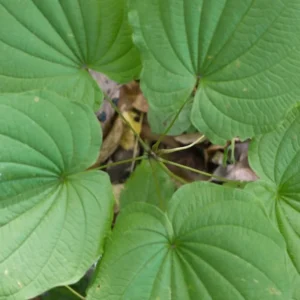
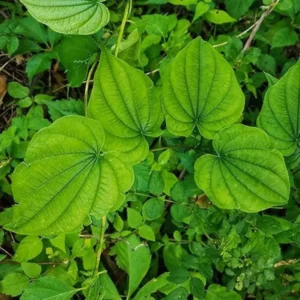
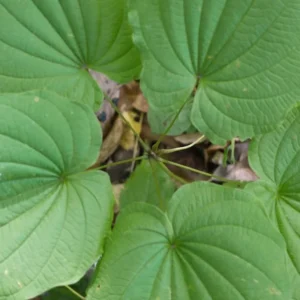
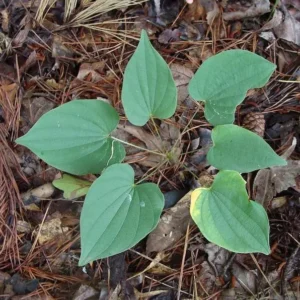
Cultivate a resilient wild yam bare roots with this 5-pack of organic Dioscorea Villosa perennial vines. Ideal for outdoor gardens, this native plant offers lush foliage and is easy to grow, thriving in partial to full shade. Enhance your landscape with this traditionally valued native medicinal herb.
Mar 03
Mar 08 - Mar 10
Mar 13 - Mar 17
USDA Hardiness Zone
Soil Type
Sunlight Exposure
Expected Planting Period
Shipping and return policies: Our Alive & Thrive Guarantee covers issues with your plants within the first 30 days. Get in touch with us via email, and our team will review your concerns and, if necessary, provide you with a one-time replacement at no cost.
If you're unsure about your hardiness zone, feel free to reach out to us. Our team will answer your questions and help you find the plants that are truly suitable for your environment, climate, and personal preferences.
Embark on a journey to cultivate a truly unique and beneficial plant with our 5-pack of wild yam bare roots. Scientifically known as Dioscorea Villosa, this remarkable plant is an organic perennial vine, celebrated for its robust growth, natural beauty, and historical significance as a native wildflower. Each order provides you with carefully harvested bare roots, ensuring a healthy and vigorous start for your garden. The Wild Yam plant is not only a visually appealing addition but also a plant traditionally valued for its medicinal properties. Our commitment to sustainable practices means these plants are organically grown, reflecting our dedication to high-quality, eco-conscious gardening.
The Dioscorea Villosa perennial is a resilient and adaptable vine that will return year after year, enriching your landscape with its lush foliage. Ideal for gardeners seeking to add biodiversity or explore ethnobotanical plants, this native species thrives in various conditions. Planting these wild yam bare roots is a direct way to connect with nature’s heritage, providing a continuous source of interest and potential wellness benefits. Whether you’re an experienced horticulturist or a budding gardener, the ease of establishment and long-term rewards of this organic wild yam make it an excellent choice.
Adding wild yam bare roots to your garden offers a multitude of advantages, blending aesthetic appeal with practical utility. This versatile plant provides continuous beauty and enhances the ecological balance of your outdoor space.
Caring for your wild yam bare roots is a rewarding experience, as this resilient plant is relatively low-maintenance once established. To ensure optimal growth for your Dioscorea Villosa plant, focus on providing the right conditions from the start. Wild Yam thrives in USDA hardiness zones 3-8, making it adaptable to a wide range of climates across the United States. It prefers well-drained soil that is rich in organic matter. Amending your garden soil with compost before planting will significantly improve its texture and nutrient content, providing an ideal environment for the roots to spread and flourish. Avoid heavy, waterlogged soils, which can lead to root rot.
When it comes to sunlight, the Wild Yam plant is quite flexible. It performs best in partial shade to full shade, making it an excellent choice for understory planting or shaded garden beds where direct sun is limited. While it can tolerate some sun, excessive direct sunlight, especially in hotter climates, may scorch its leaves. Watering should be consistent, especially during dry spells, to keep the soil evenly moist but not saturated. Once established, this organic wild yam vine becomes more drought-tolerant. Fertilization is generally not heavily required if the soil is rich in organic matter. A light application of balanced organic fertilizer in spring can encourage vigorous growth. Proper care is key for growing wild yam successfully.
Planting your wild yam bare roots is ideally done in the spring or fall when temperatures are moderate. Dig a hole about 2-3 inches deep and wide enough to accommodate the roots comfortably. Place the root horizontally or with the growth buds facing upwards, then cover with soil, gently firming it around the root. Space multiple roots 12-18 inches apart to allow for proper growth and spread, as this is a vining plant. While generally pest-resistant, keep an eye out for common garden pests and treat with organic solutions if necessary. With proper care, your native medicinal herb will thrive, providing years of beauty and interest.
Each order includes 5 individual wild yam bare roots, ready for immediate planting. These roots are carefully selected to ensure they arrive in excellent condition, prepared to vigorously establish themselves in your garden. As a vining plant, the Dioscorea Villosa exhibits a moderate to fast growth rate, quickly developing lush foliage once established. The mature vines can reach lengths of 10 to 15 feet, providing excellent coverage for trellises, fences, or as a groundcover. The roots themselves are typically several inches long, ensuring a robust start.
This Dioscorea Villosa perennial vine is shipped bare root, meaning it arrives without foliage or a pot. This method minimizes transplant shock and ensures the roots remain healthy during transit, ready to integrate into your garden soil. The plant will typically begin to show new growth within a few weeks of planting, depending on environmental conditions. It will return year after year, expanding its presence and enriching your garden landscape. The adaptability of this plant makes it a valuable addition for gardeners looking for long-term botanical interest and ecological benefits.
You must be logged in to post a review.
Sold 97 products
Original price was: $73.99.$43.99Current price is: $43.99.
Sold 54 products
Original price was: $116.99.$86.99Current price is: $86.99.
Sold 70 products
Original price was: $59.99.$43.99Current price is: $43.99.
Sold 78 products
Original price was: $114.99.$84.99Current price is: $84.99.
Sold 74 products
Original price was: $73.96.$36.98Current price is: $36.98.
Sold 92 products
Original price was: $71.98.$35.99Current price is: $35.99.
Sold 57 products
Original price was: $49.98.$29.98Current price is: $29.98.
Sold 96 products
Original price was: $81.99.$61.99Current price is: $61.99.
Reviews
There are no reviews yet.