NEED SUPPORT WITH YOUR ORDER? Get in touch
Not satisfied with your purchase?
Enter your Order ID on website, and we'll resolve it right away.

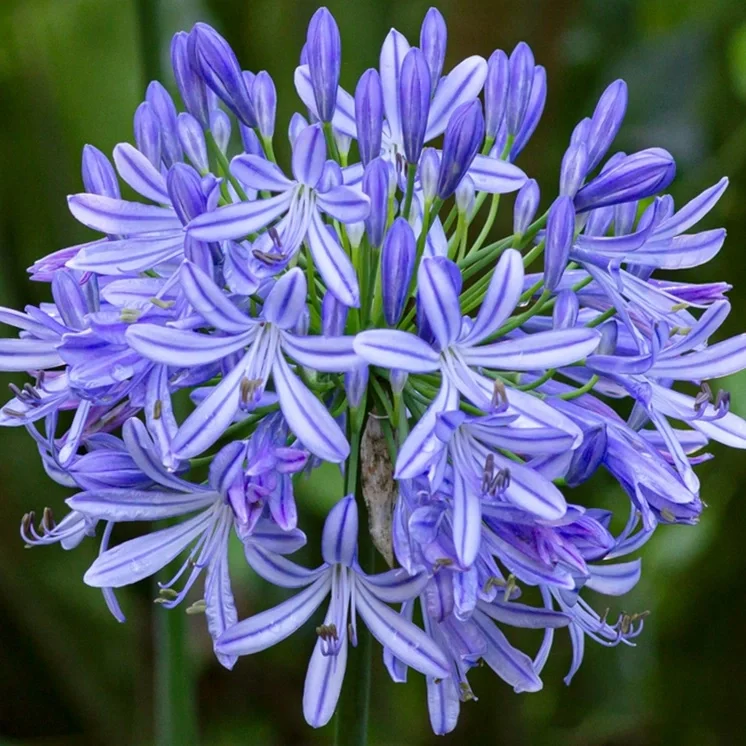
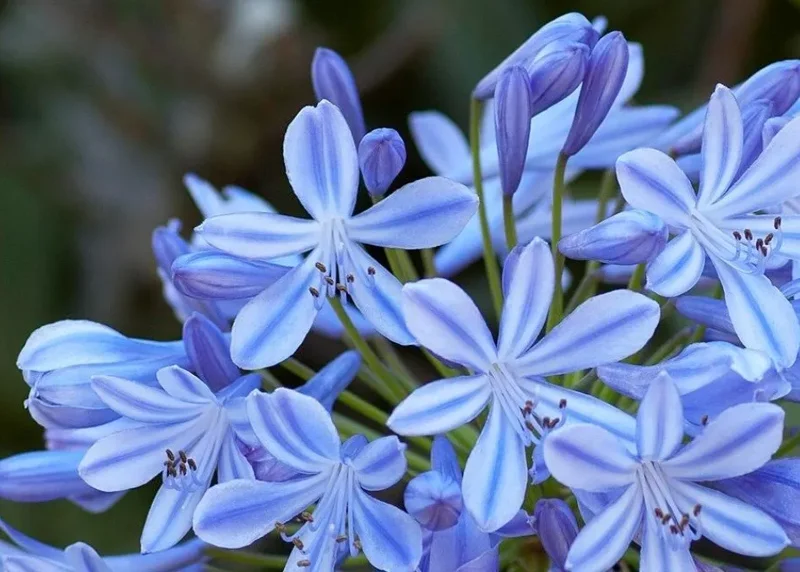
Original price was: $78.99.$40.99Current price is: $40.99.
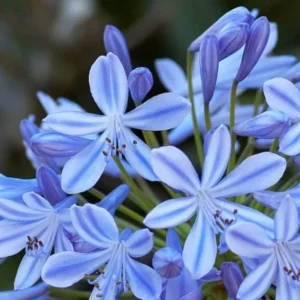
Enhance your garden with the beautiful Agapanthus Africanus bulb, also known as the Blue Lily of the Nile. This perennial flower bulb produces striking violet-blue flowers from spring through fall and is a drought-resistant plant, perfect for low-maintenance beauty. Shipped in a 4-inch pot, ready for planting.
Feb 04
Feb 09 - Feb 11
Feb 14 - Feb 18
USDA Hardiness Zone
Soil Type
Sunlight Exposure
Expected Planting Period
Shipping and return policies: Our Alive & Thrive Guarantee covers issues with your plants within the first 30 days. Get in touch with us via email, and our team will review your concerns and, if necessary, provide you with a one-time replacement at no cost.
If you're unsure about your hardiness zone, feel free to reach out to us. Our team will answer your questions and help you find the plants that are truly suitable for your environment, climate, and personal preferences.
Transform your outdoor space with the magnificent Agapanthus Africanus bulb. Also widely known as the Blue Lily of the Nile, this stunning perennial is celebrated for its vibrant violet-blue flowers that create a spectacular display. Ideal for gardeners seeking both beauty and resilience, the Agapanthus Africanus thrives in a variety of climates and soil conditions, making it a versatile choice for borders, containers, or mass plantings. Its elegant, globe-like flower clusters rise above lush, strap-like foliage, adding architectural interest and a touch of sophistication to any landscape. This perennial flower bulb is not only visually appealing but also a beacon for local wildlife, enhancing the ecological balance of your garden.
As a true perennial, the Agapanthus Africanus bulb promises years of enjoyment, returning faithfully season after season. It adapts well to different light exposures, from full sun to partial shade, and its robust nature makes it a favorite among both seasoned gardeners and beginners. The ease of care combined with its striking beauty ensures that the Blue Lily of the Nile remains a popular and cherished garden gem. Plant this extraordinary bulb and watch your garden come alive with its unique charm and enduring appeal.
The Agapanthus Africanus bulb offers a wealth of advantages for any garden, making it a highly desirable addition. Its numerous benefits contribute to a vibrant, low-maintenance, and ecologically friendly outdoor space.
Caring for your Agapanthus Africanus bulb, or Blue Lily of the Nile, is straightforward, ensuring a spectacular display of violet-blue flowers with minimal effort. This resilient plant is suitable for a wide range of gardeners, from novices to experts. For optimal growth and prolific blooming, plant your bulb in spring or fall. Choose a location that receives full sun to partial shade; while it tolerates some shade, more sunlight generally leads to more abundant flowers. The Agapanthus Africanus bulb is best suited for USDA hardiness zones 7-11, where it can be grown as a reliable perennial.
When it comes to soil, the Agapanthus Africanus bulb is quite adaptable, thriving in various types including clay, loam, peat, sand, and silt, as long as they are well-draining. Good drainage is crucial to prevent root rot. Water regularly, especially during dry periods and while the plant is establishing. Once established, this drought-resistant plant can tolerate drier conditions, making it a low-maintenance option. Medium watering is ideal to keep your Blue Lily of the Nile flourishing. Fertilize lightly in spring with a balanced slow-release fertilizer to encourage strong growth and abundant blooms. Deadheading spent flowers can also promote further blooming and maintain a tidy appearance.
This perennial flower bulb typically grows to a height of 2-4 feet, forming a substantial and beautiful presence in your garden. While generally pest and disease resistant, ensure good air circulation to prevent fungal issues in humid climates. Its heat-resistant properties also make it suitable for warmer regions. With proper care, your Agapanthus Africanus will be a long-lasting and vibrant addition to your garden, providing stunning color and attracting pollinators season after season.
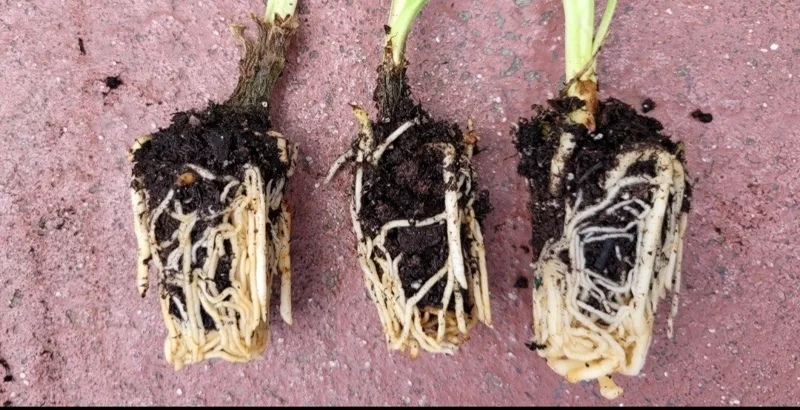
Each purchase includes one starter Agapanthus Africanus bulb, ready for planting. These bulbs may arrive trimmed or dormant, which is a natural state for healthy plants and does not affect their viability. The bulb is shipped in a 4-inch pot, providing a secure environment for transit and initial growth. Upon receipt, it is recommended to plant and water the bulb immediately to ensure a smooth transition and rapid establishment in its new home. The Blue Lily of the Nile typically grows to an impressive height of 2-4 feet, creating a significant and elegant presence in your garden landscape.
This perennial flower bulb is known for its moderate growth rate, establishing itself well within the first growing season and producing its characteristic violet-blue flowers from spring through fall. Its clumping growth habit ensures a full and lush appearance, making it an excellent choice for adding structure and continuous color to garden beds, borders, or large containers. The drought-resistant plant nature means it develops a robust root system capable of enduring periods of less water once mature, contributing to its overall hardiness and ease of care.
You must be logged in to post a review.
Sold 68 products
$13.98
Sold 83 products
Original price was: $49.99.$37.99Current price is: $37.99.
Sold 80 products
Original price was: $51.98.$25.99Current price is: $25.99.
Sold 84 products
Original price was: $47.99.$27.99Current price is: $27.99.
Sold 81 products
Original price was: $49.99.$36.99Current price is: $36.99.
Sold 50 products
$19.98
Sold 55 products
Original price was: $30.99.$18.99Current price is: $18.99.
Sold 95 products
Original price was: $55.99.$35.99Current price is: $35.99.
Reviews
There are no reviews yet.