NEED SUPPORT WITH YOUR ORDER? Get in touch
Not satisfied with your purchase?
Enter your Order ID on website, and we'll resolve it right away.

Original price was: $64.99.$56.99Current price is: $56.99.
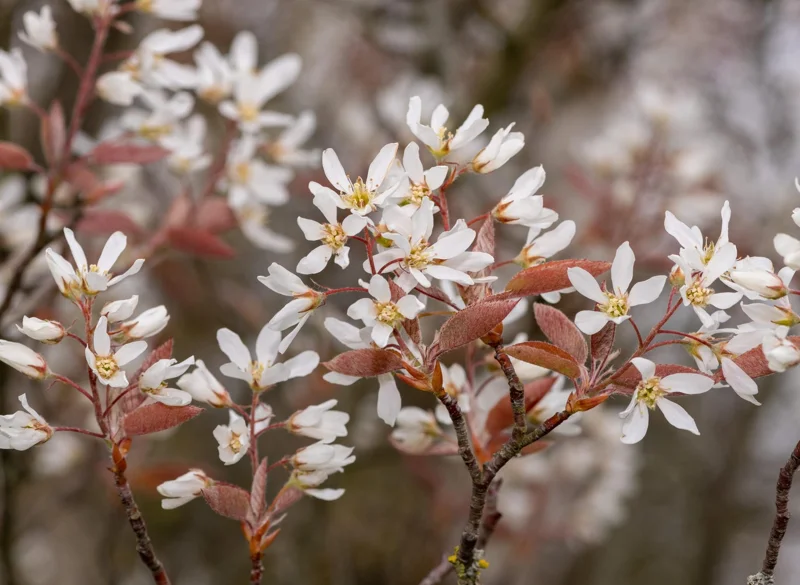
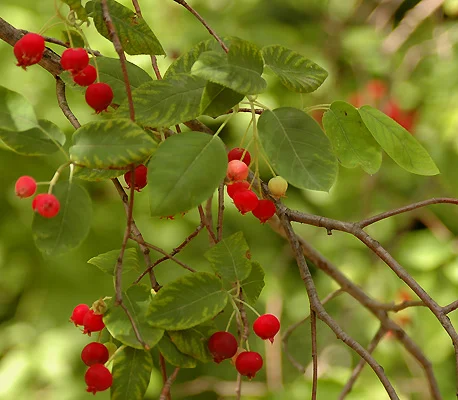
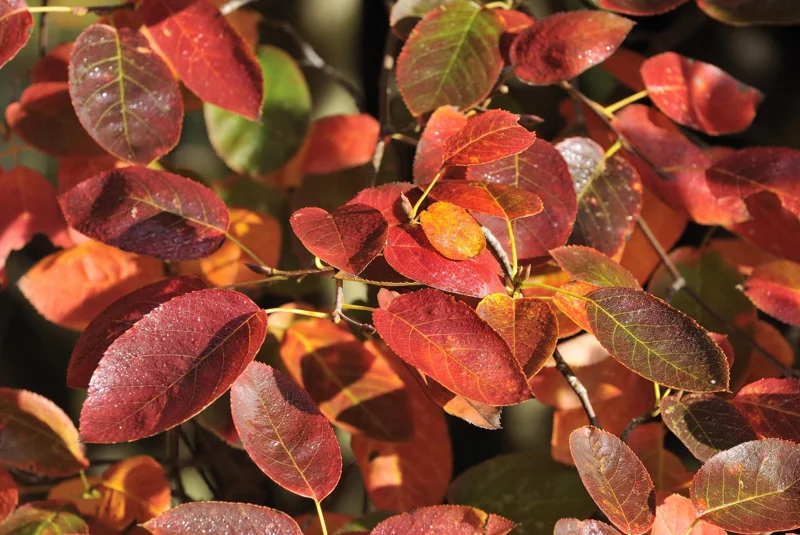
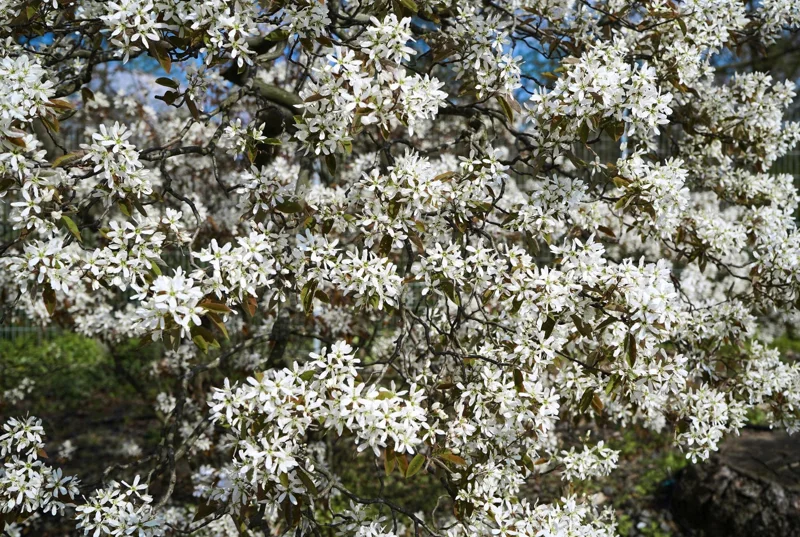
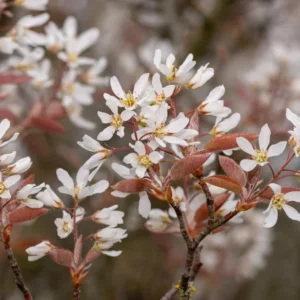
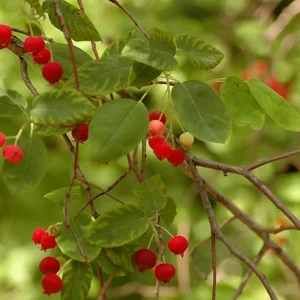
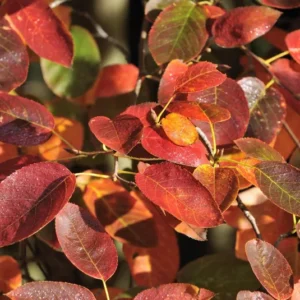
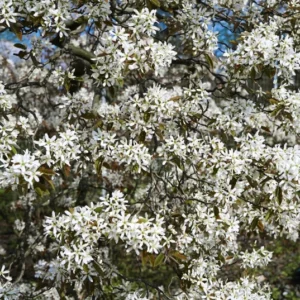
Enhance your landscape with the Allegheny Serviceberry live tree (Amelanchier Laevis), a versatile native plant. Enjoy delicate spring blossoms, delicious edible berries for wildlife and humans, and stunning orange-red fall foliage. This native serviceberry tree is easy to grow and provides continuous year-round interest tree.
Feb 04
Feb 09 - Feb 11
Feb 14 - Feb 18
USDA Hardiness Zone
Soil Type
Sunlight Exposure
Expected Planting Period
Shipping and return policies: Our Alive & Thrive Guarantee covers issues with your plants within the first 30 days. Get in touch with us via email, and our team will review your concerns and, if necessary, provide you with a one-time replacement at no cost.
If you're unsure about your hardiness zone, feel free to reach out to us. Our team will answer your questions and help you find the plants that are truly suitable for your environment, climate, and personal preferences.
The Allegheny Serviceberry live tree (Amelanchier Laevis) is a truly exceptional choice for gardeners seeking a plant that delivers beauty and ecological benefits throughout the seasons. This native tree, also known as the native serviceberry tree, is offered as a young plant, typically between 6-12 inches tall, making it easy to establish in your garden. From its delicate white spring blossoms that attract pollinators to its tasty summer berries cherished by birds and humans alike, and finally to its stunning orange-red autumn foliage, the Amelanchier Laevis tree provides continuous visual interest. Choosing this tree means embracing nature’s beauty and sustainability, contributing to a healthier environment while enjoying its changing displays. It’s an investment in both your landscape’s aesthetic and its ecological health.
This particular variety, Amelanchier Laevis, is celebrated for its graceful form and hardiness. It’s a versatile addition to various garden styles, from naturalized settings to more formal landscapes. The inclusion of an Allegheny Serviceberry live tree in your outdoor space not only enriches its appearance but also supports local ecosystems, making it a responsible and rewarding choice for any gardener looking for an edible berry tree with long-lasting appeal.
The Allegheny Serviceberry live tree offers a multitude of benefits that make it a standout choice for any garden. Its year-round appeal and ecological contributions are just a few reasons to consider this remarkable tree, providing continuous beauty and supporting local wildlife.
Caring for your Allegheny Serviceberry live tree is straightforward, ensuring it thrives and provides years of enjoyment. This resilient Amelanchier Laevis tree prefers well-drained soil and can adapt to various soil types, though a slightly acidic to neutral pH is ideal. When planting, ensure the site receives full sun to partial shade; at least 4-6 hours of direct sunlight daily will encourage the best flowering and fruiting. Adequate sunlight also contributes to the vibrant autumn color this year-round interest tree is known for.
Regular watering is essential, especially during the establishment period and dry spells. Aim to keep the soil consistently moist but never waterlogged. Once established, the tree becomes more drought-tolerant. Fertilization is generally not heavily required; a balanced slow-release fertilizer in early spring can be beneficial, particularly for young trees. Pruning should be done in late winter or early spring while the tree is dormant. Focus on removing any dead, damaged, or crossing branches to maintain a healthy structure and good air circulation. You can also prune to shape the tree or manage its size, as a mature native serviceberry tree can reach heights of 25-40 feet. Watch for common pests like aphids or diseases like powdery mildew, which can usually be managed with organic sprays or proper cultural practices. For more detailed guidance, consider researching Amelanchier Laevis care specific to your region.
For optimal growth and to ensure your Allegheny Serviceberry live tree establishes strongly, consider adding a layer of mulch around the base. This helps retain soil moisture, regulate soil temperature, and suppress weeds. With proper care, your serviceberry will flourish, providing not only aesthetic beauty but also a bountiful harvest of berries and a haven for local wildlife. This plant is a fantastic choice for those looking for an edible berry tree that is also low-maintenance.
This offering is for an Allegheny Serviceberry live tree, typically shipped as a young specimen measuring between 6-12 inches tall. It arrives ready for planting in your garden, generally as a bare-root or potted seedling, depending on the season and nursery practices. When mature, the Amelanchier Laevis tree can reach an impressive height of 25-40 feet and a spread of 15-25 feet, developing an attractive, multi-stemmed form. Its growth rate is moderate, allowing you to enjoy its development over the years. The tree will begin to produce its characteristic white flowers and edible berries within a few years of planting, making it a rewarding addition to your landscape. The exact size and vigor upon arrival may vary slightly based on natural growth patterns and shipping conditions, but each plant is carefully selected for health and quality.
You must be logged in to post a review.
Sold 65 products
Original price was: $45.98.$22.99Current price is: $22.99.
Sold 50 products
Original price was: $257.98.$128.99Current price is: $128.99.
Sold 89 products
Original price was: $243.98.$121.99Current price is: $121.99.
Sold 76 products
Original price was: $259.78.$129.89Current price is: $129.89.
Sold 85 products
Original price was: $219.98.$109.99Current price is: $109.99.
Sold 97 products
Original price was: $259.98.$129.99Current price is: $129.99.
Sold 67 products
Original price was: $371.98.$185.99Current price is: $185.99.
Sold 95 products
Original price was: $59.98.$29.99Current price is: $29.99.

Reviews
There are no reviews yet.