NEED SUPPORT WITH YOUR ORDER? Get in touch
Not satisfied with your purchase?
Enter your Order ID on website, and we'll resolve it right away.

Original price was: $55.99.$38.99Current price is: $38.99.
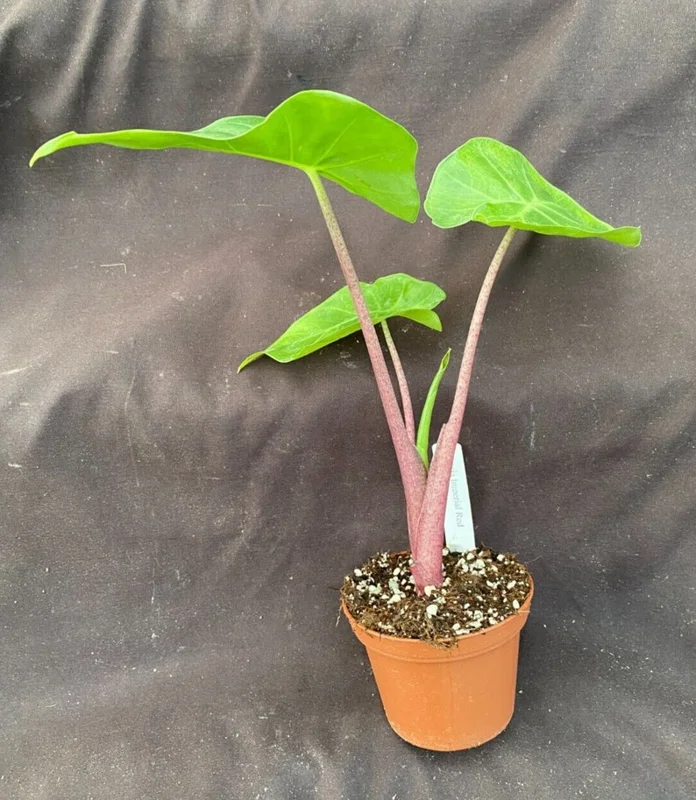
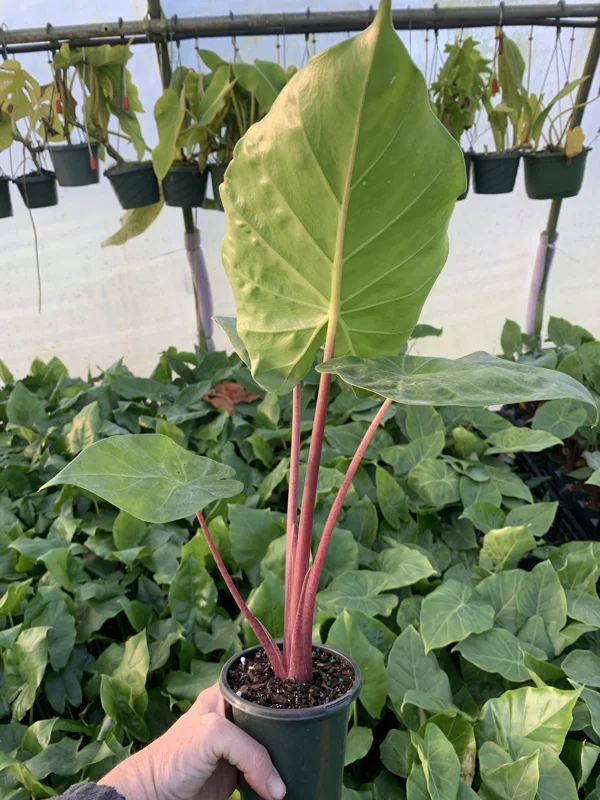
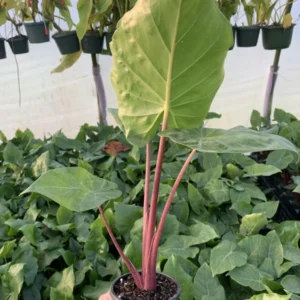
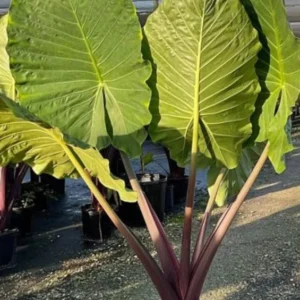
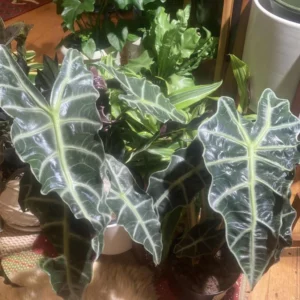
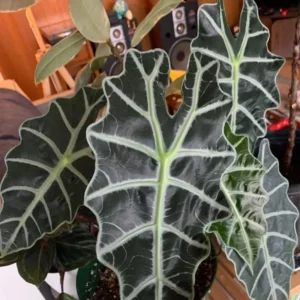
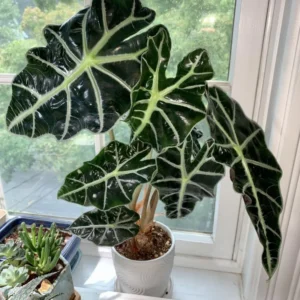
Introduce an exotic touch to your indoor garden with the Alocasia Imperial Red live plant. This stunning red stem elephant ear features large, glossy, metallic-looking foliage contrasted by vibrant crimson stems, making it an ideal large indoor plant for visual impact. Arrives rooted in a 3-inch pot.
Feb 04
Feb 09 - Feb 11
Feb 14 - Feb 18
USDA Hardiness Zone
Soil Type
Sunlight Exposure
Expected Planting Period
Shipping and return policies: Our Alive & Thrive Guarantee covers issues with your plants within the first 30 days. Get in touch with us via email, and our team will review your concerns and, if necessary, provide you with a one-time replacement at no cost.
If you're unsure about your hardiness zone, feel free to reach out to us. Our team will answer your questions and help you find the plants that are truly suitable for your environment, climate, and personal preferences.
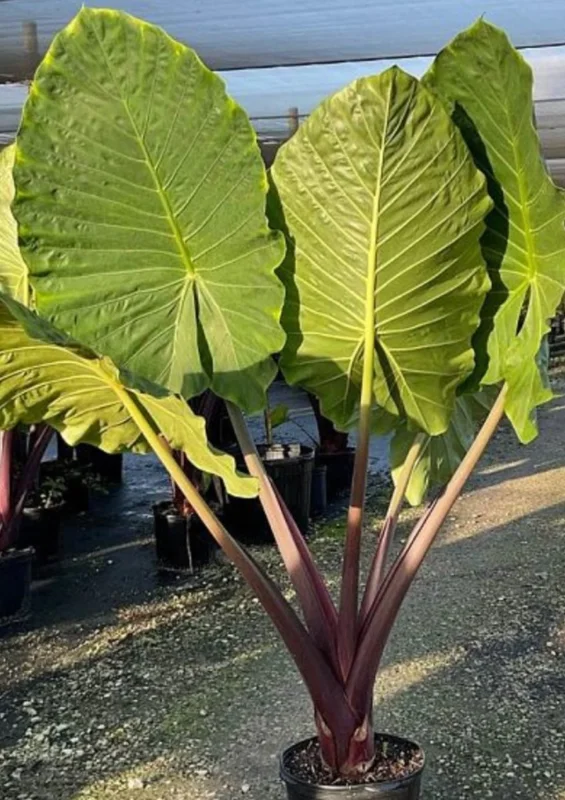
Transform your living space into a tropical oasis with the magnificent Alocasia Imperial Red live plant. Also commonly known as the red stem elephant ear, this impressive Alocasia variety, botanically known as Alocasia cuprea ‘Imperial Red’, is celebrated for its substantial, glossy leaves and uniquely vibrant red stems. Each plant arrives carefully rooted in a 3-inch pot, ensuring a healthy start for its journey to becoming a dramatic focal point in your indoor garden. This particular cultivar stands out with its rich, almost metallic-looking foliage that perfectly contrasts with its bold, crimson-colored petioles, making it an artistic statement rather than just a botanical specimen. Its lush appearance and distinctive coloration make it an ideal choice for those seeking a truly eye-catching and exotic addition to their plant collection. The Alocasia Imperial Red live plant is a true spectacle that will captivate all who behold it, bringing a piece of the exotic into your home and creating a serene and captivating environment.
Owning an Alocasia Imperial Red live plant offers numerous advantages, from enhancing your home’s aesthetic to improving your indoor environment. These benefits make it a truly worthwhile addition to any plant enthusiast’s collection.
To ensure your Alocasia Imperial Red live plant thrives and reaches its full potential, providing the right care is essential. This tropical beauty enjoys conditions that mimic its natural habitat, so a balance of light, water, and humidity will help it flourish. Understanding proper Alocasia plant care is key to maintaining its vibrant appearance and robust health.
For lighting, the red stem elephant ear prefers bright, indirect sunlight. Place it near a window that receives ample light but avoid direct, harsh sun exposure, which can scorch its delicate leaves. An east-facing window is often ideal, or a south/west-facing window with a sheer curtain to diffuse the light. Consistent watering is crucial; water thoroughly when the top inch or two of soil feels dry to the touch. It’s better to slightly underwater than to overwater, as Alocasias are prone to root rot in soggy conditions. Ensure your pot has excellent drainage to prevent water from accumulating. High humidity is also beneficial, so consider misting your plant regularly, placing it near a humidifier, or setting its pot on a pebble tray filled with water.
The ideal soil for your Alocasia should be well-draining yet retain some moisture. A good quality potting mix amended with perlite or orchid bark works well to provide the necessary aeration and drainage. This plant thrives in temperatures between 65°F and 80°F (18°C to 27°C) and should be protected from cold drafts. As a tropical plant, it is typically grown indoors in all USDA zones. During the growing season (spring and summer), fertilize every 2-4 weeks with a balanced liquid fertilizer diluted to half strength. Reduce feeding in fall and winter. Regularly inspect your plant for pests and wipe down leaves to keep them clean and allow for optimal photosynthesis. With consistent and proper Alocasia plant care, your Alocasia cuprea ‘Imperial Red’ will reward you with stunning foliage.
The Alocasia Imperial Red live plant is shipped as a healthy, rooted plant in a 3-inch nursery pot, ready for you to introduce into your home. At maturity, this impressive Alocasia can reach significant sizes, often growing several feet tall and wide, making it a truly large indoor plant. Its growth rate is moderate to fast under ideal conditions, allowing it to quickly develop into a prominent feature in your decor. The generous size of its leaves, combined with the striking red stems, creates a dramatic visual impact that is hard to miss.
Upon arrival, your plant will be carefully packaged to ensure its safety during transit. It’s recommended to allow it to acclimate to its new environment for a few days before considering repotting. While it arrives rooted in a 3-inch pot, you may wish to upgrade to a slightly larger decorative pot as it grows to accommodate its developing root system and provide stability. With proper care, you can expect this beautiful tropical foliage plant to continue growing and thriving, bringing lasting beauty and exotic charm to your living space.
You must be logged in to post a review.
Sold 93 products
Original price was: $35.98.$17.99Current price is: $17.99.
Sold 74 products
Original price was: $35.98.$17.99Current price is: $17.99.
Sold 99 products
Original price was: $79.96.$39.98Current price is: $39.98.
Sold 84 products
Original price was: $79.98.$39.99Current price is: $39.99.
Sold 71 products
Original price was: $79.96.$39.98Current price is: $39.98.
Sold 61 products
Original price was: $46.99.$32.99Current price is: $32.99.
Sold 61 products
Original price was: $45.99.$34.99Current price is: $34.99.
Sold 66 products
Original price was: $69.99.$43.99Current price is: $43.99.
Reviews
There are no reviews yet.