NEED SUPPORT WITH YOUR ORDER? Get in touch
Not satisfied with your purchase?
Enter your Order ID on website, and we'll resolve it right away.

Original price was: $46.99.$27.99Current price is: $27.99.
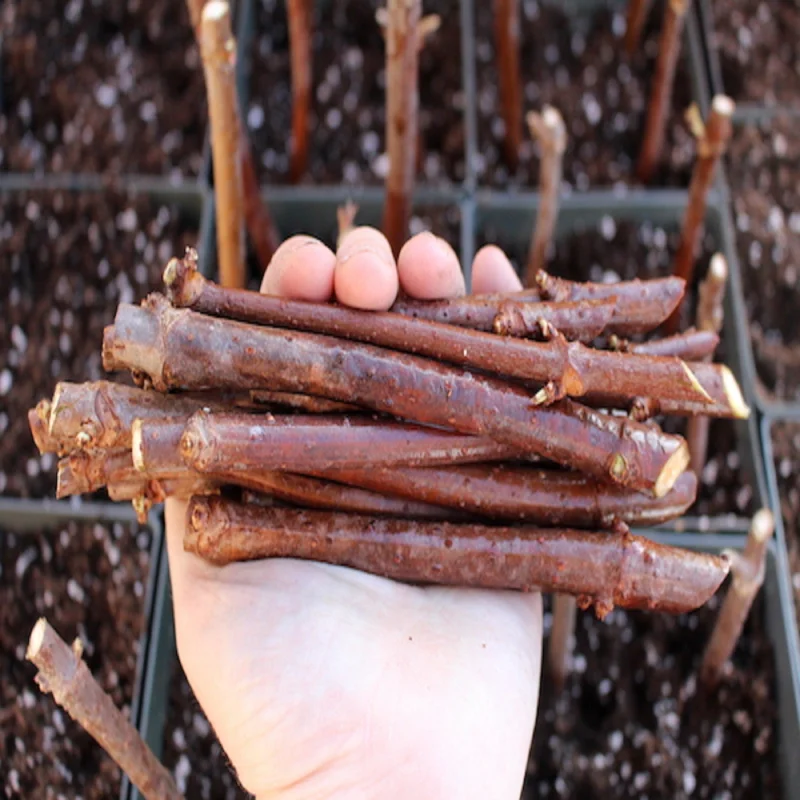
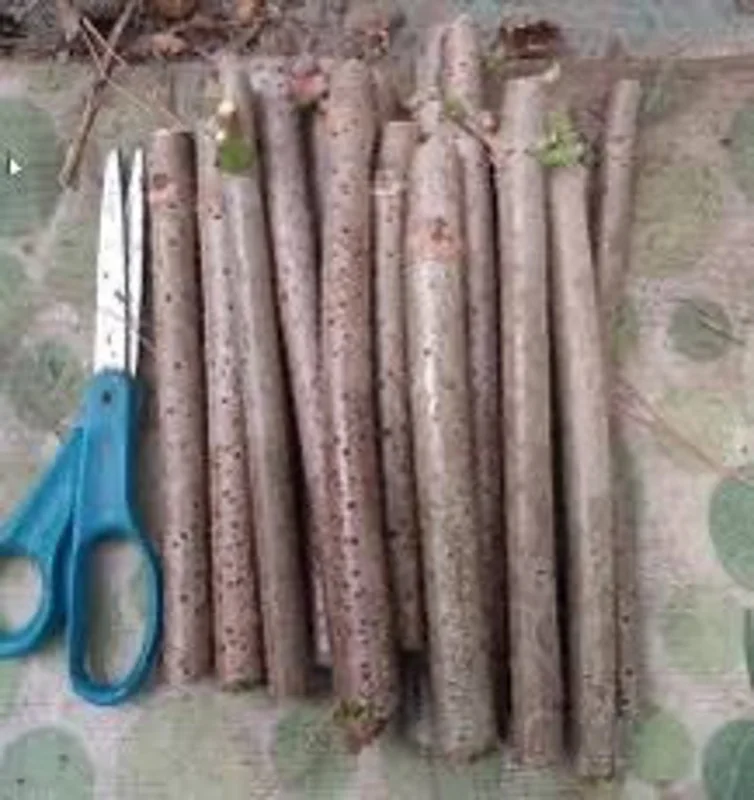
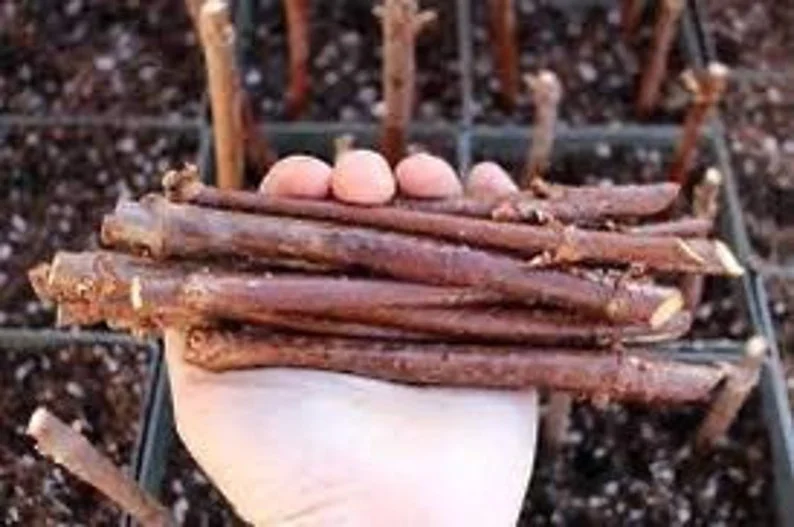
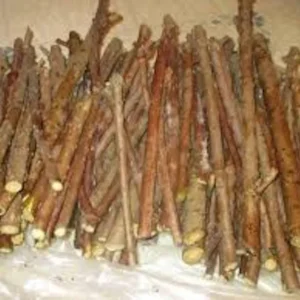
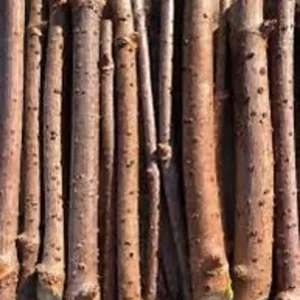
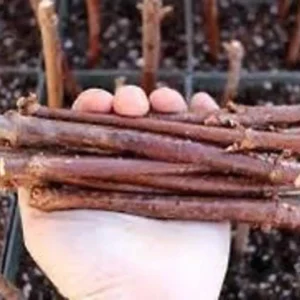
Start your own American Elderberry cuttings patch with this pack of 10 live, unrooted Sambucus Nigra live plant stems. Ideal for beginners, these cuttings quickly develop into fruit-bearing shrubs, offering delicious berries and attracting beneficial wildlife to your garden. Enjoy the many elderberry benefits right from your backyard.
Feb 04
Feb 09 - Feb 11
Feb 14 - Feb 18
USDA Hardiness Zone
Soil Type
Sunlight Exposure
Expected Planting Period
Shipping and return policies: Our Alive & Thrive Guarantee covers issues with your plants within the first 30 days. Get in touch with us via email, and our team will review your concerns and, if necessary, provide you with a one-time replacement at no cost.
If you're unsure about your hardiness zone, feel free to reach out to us. Our team will answer your questions and help you find the plants that are truly suitable for your environment, climate, and personal preferences.
Embark on a rewarding gardening journey with these premium American Elderberry cuttings. Each order provides 10 live, unrooted stems of Sambucus Nigra live plant, ready for propagation into robust, fruiting shrubs. Known for their rapid growth and abundant berry production, these cuttings offer an accessible way to establish your own organic elderberry patch. American Elderberry cuttings are cherished not only for their delicious, health-boosting berries but also for their ornamental value and ability to attract beneficial wildlife to your outdoor space. Whether you’re a seasoned gardener or a curious beginner, these cuttings provide an excellent foundation for growing your own elderberries, ensuring a fresh supply of this versatile fruit for culinary and wellness endeavors. With proper care, these unrooted stems will quickly develop into thriving plants, transforming your garden into a productive and beautiful sanctuary.
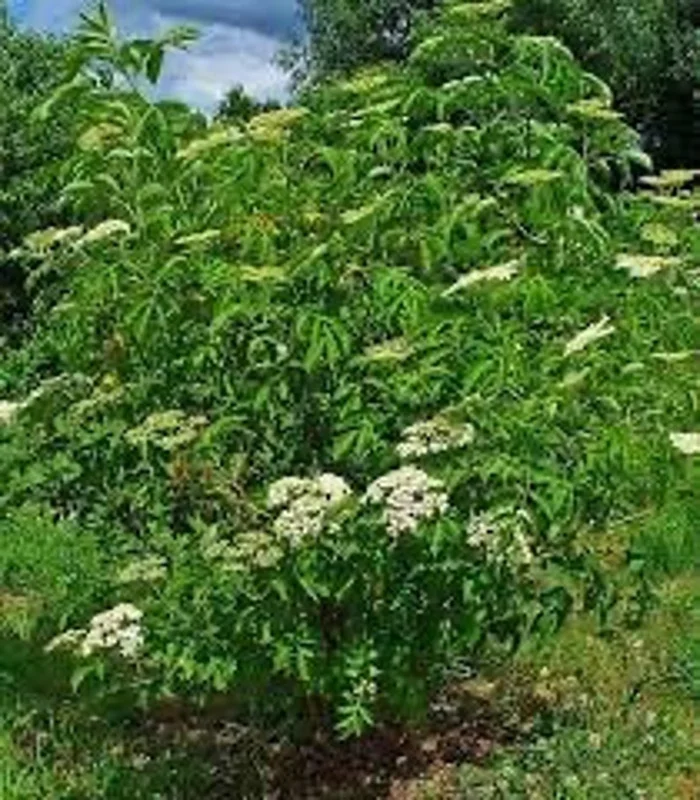
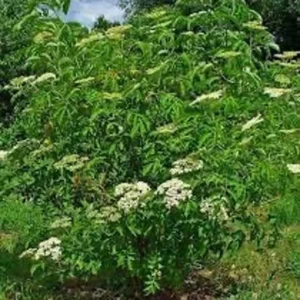
The American Elderberry cuttings are sourced from healthy, vibrant parent plants, ensuring high quality and strong growth potential. They are a fantastic choice for those looking to expand their edible garden with a plant that offers multiple benefits. From their beautiful white spring blossoms to the clusters of dark purple berries in late summer, elderberries provide visual appeal and a bountiful harvest. These cuttings are specifically chosen to give you the best chance of successful elderberry propagation, allowing you to enjoy the fruits of your labor relatively quickly once established. This offering makes it simple to grow elderberry plants, adding a valuable and enjoyable component to any garden setting.
Growing your own American Elderberry cuttings offers a multitude of advantages, enhancing both your garden and your lifestyle. These benefits make the elderberry a highly sought-after plant for various purposes:
Successful elderberry propagation and cultivation of your American Elderberry cuttings require attentive care, particularly during the initial rooting phase. Upon arrival, unwrap your cuttings promptly. It is recommended to place the base of the cuttings in water for a few hours before planting to rehydrate them. For rooting, prepare a well-draining potting mix, ideally a blend of peat moss and perlite or sand, in 4-inch pots. Insert the bottom 2-3 inches of each cutting into the soil, ensuring at least one node is buried, as roots typically emerge from these points. Maintain consistent moisture in the soil, but avoid waterlogging, which can lead to rot. A good practice is to water when the top inch of soil feels dry to the touch. Providing a humid environment, such as covering the pots with plastic domes or bags, can significantly aid rooting.
During the rooting process, provide bright, indirect sunlight. Direct, harsh sunlight can scorch the tender cuttings. An east-facing window or a shaded outdoor area with good ambient light is often ideal. Root development typically takes 4-8 weeks, depending on environmental conditions. Once roots are established and new leaf growth is evident, you can gradually acclimate your young elderberry plant care to more direct light. Elderberry plants thrive in full sun to partial shade, meaning they prefer at least 6 hours of direct sunlight per day for optimal fruiting. They are quite adaptable but perform best in rich, moist, well-drained soil with a slightly acidic to neutral pH (6.0-7.0).
For established plants, regular watering is crucial, especially during dry spells and fruit development. Fertilize in early spring with a balanced, slow-release fertilizer or a layer of compost to promote vigorous growth and fruit production. Pruning is best done in late winter or early spring to remove dead or weak canes and encourage new, productive growth. Elderberries are generally hardy plants, adaptable to a wide range of climates. They are typically hardy in USDA Zones 3-9. While relatively pest and disease resistant, monitoring for common garden issues and addressing them promptly will ensure a healthy and productive Sambucus Nigra live plant. Remember to only consume fully ripened berries, as green parts of the plant and unripe berries are not edible.
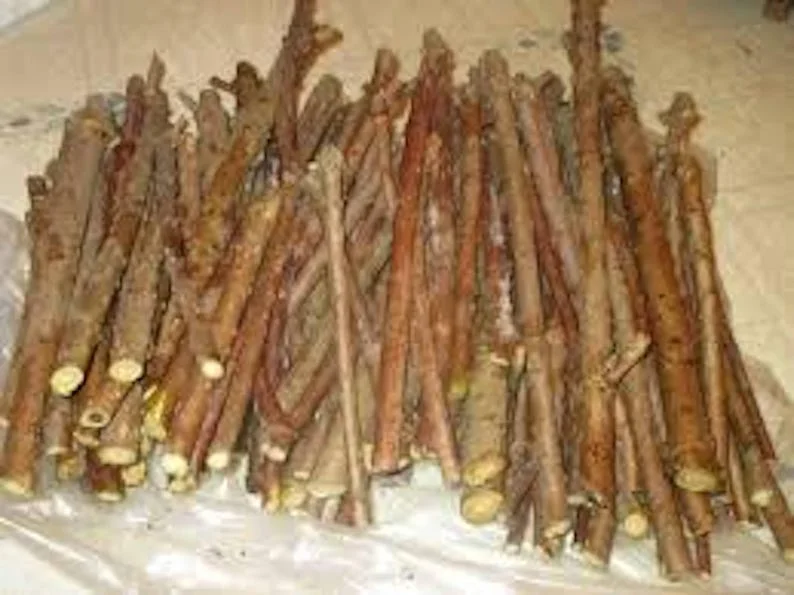
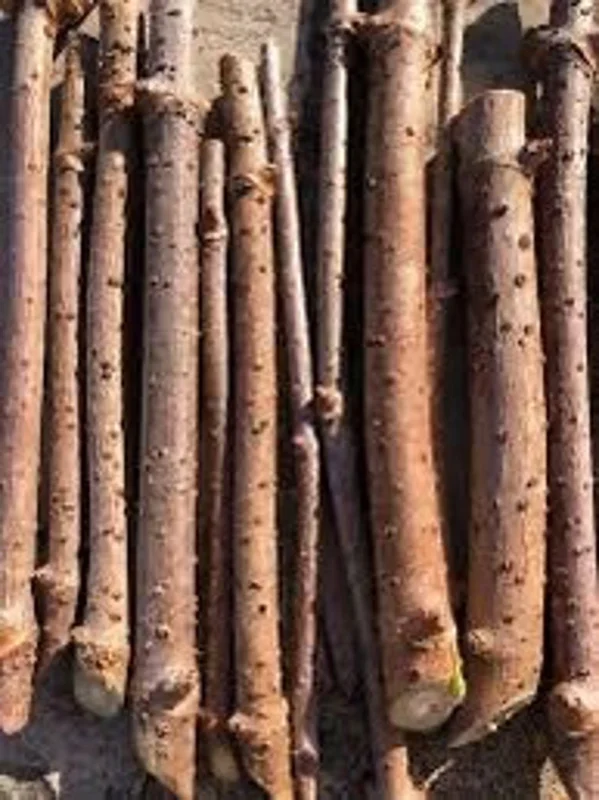
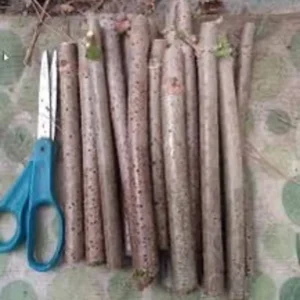
This offering includes a pack of 10 American Elderberry cuttings, each carefully selected for optimal propagation potential. The cuttings typically measure between 5 to 8 inches in length, providing ample material for successful rooting. Each cutting is unrooted, meaning it is a fresh stem segment ready for you to propagate using your preferred method. We ensure that each cutting is sourced from healthy, mature elderberry plants, increasing your chances of developing strong, viable plants. As a bonus, a detailed propagation manual is included with each order, providing step-by-step instructions and proven methods to help you achieve excellent results with your new American Elderberry cuttings. Occasionally, orders may include extra smaller or thinner cuttings, exceptionally thick cuttings, or even pre-rooted material as a special bonus. Once rooted and established, these elderberry plants can grow into substantial shrubs, often reaching heights of 6 to 12 feet with a similar spread, depending on growing conditions and pruning practices. They typically begin producing fruit within 1-2 years after successful rooting, with increasing yields as the plant matures.
You must be logged in to post a review.
Sold 100 products
Original price was: $77.99.$47.99Current price is: $47.99.
Sold 94 products
Original price was: $74.99.$44.99Current price is: $44.99.
Sold 70 products
Original price was: $74.99.$44.99Current price is: $44.99.
Sold 63 products
Original price was: $45.98.$22.99Current price is: $22.99.
Sold 79 products
Original price was: $76.99.$46.99Current price is: $46.99.
Sold 85 products
Original price was: $59.98.$29.99Current price is: $29.99.
Sold 68 products
Original price was: $110.99.$99.99Current price is: $99.99.
Sold 68 products
Original price was: $74.99.$44.99Current price is: $44.99.
Reviews
There are no reviews yet.