NEED SUPPORT WITH YOUR ORDER? Get in touch
Not satisfied with your purchase?
Enter your Order ID on website, and we'll resolve it right away.

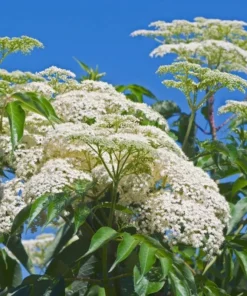
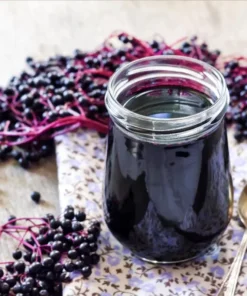
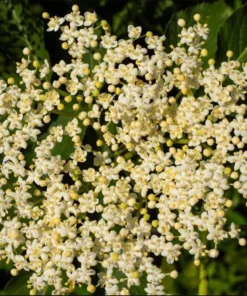
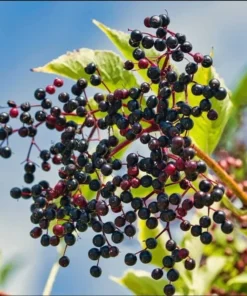
Original price was: $46.99.$26.99Current price is: $26.99.
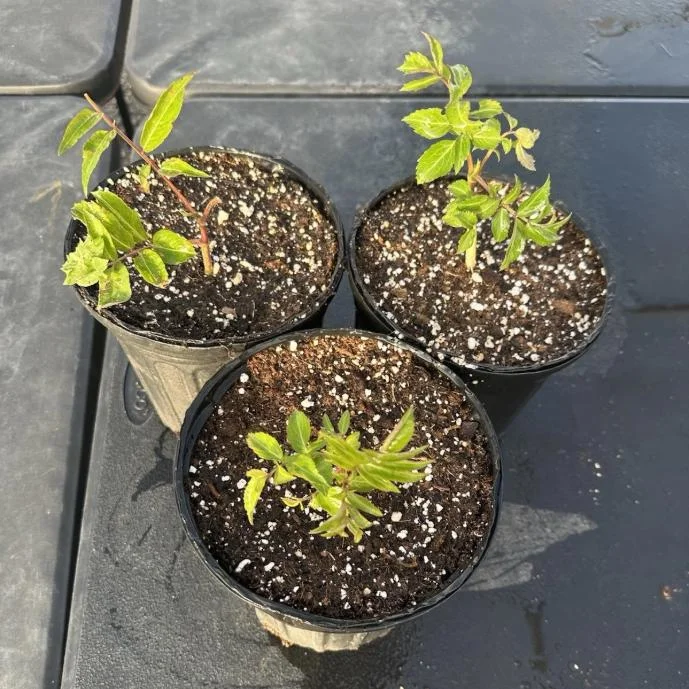
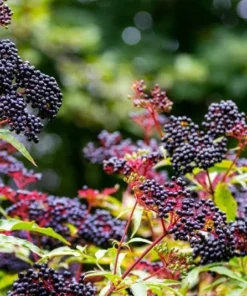
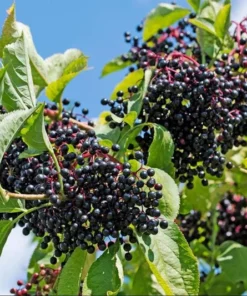
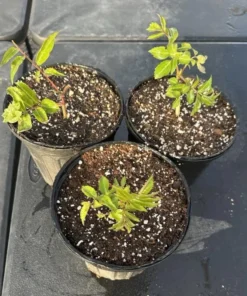
Cultivate your own healthy american elderberry live plant. This robust starter bush, measuring 5 to 10 inches tall, comes rooted in a 1-gallon nursery pot, ready for planting outdoors. Enjoy the beauty and potential for delicious black elderberries plant.
Feb 04
Feb 09 - Feb 11
Feb 14 - Feb 18
USDA Hardiness Zone
Soil Type
Sunlight Exposure
Expected Planting Period
Shipping and return policies: Our Alive & Thrive Guarantee covers issues with your plants within the first 30 days. Get in touch with us via email, and our team will review your concerns and, if necessary, provide you with a one-time replacement at no cost.
If you're unsure about your hardiness zone, feel free to reach out to us. Our team will answer your questions and help you find the plants that are truly suitable for your environment, climate, and personal preferences.
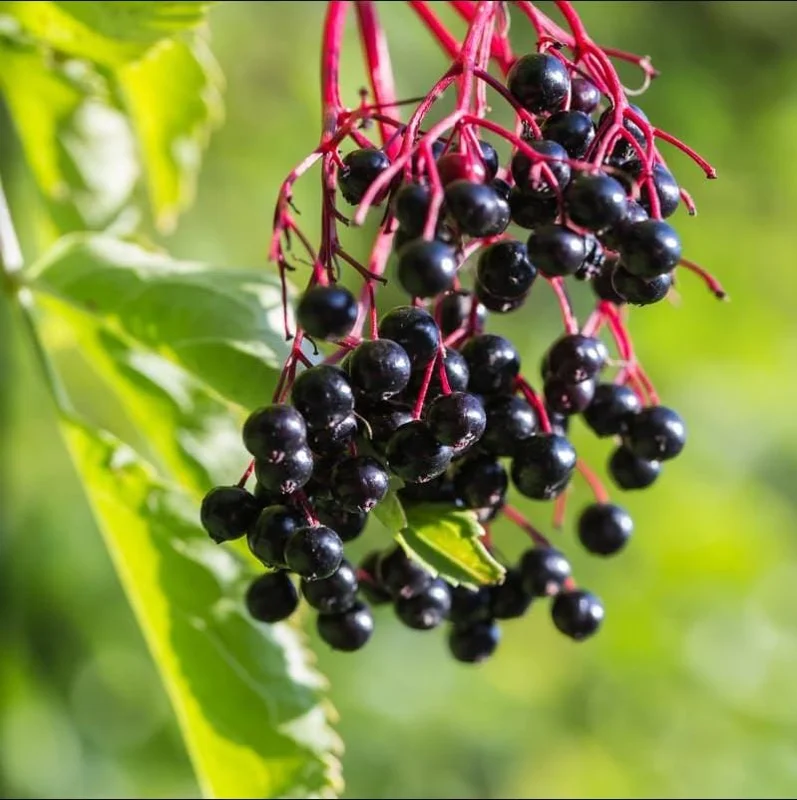
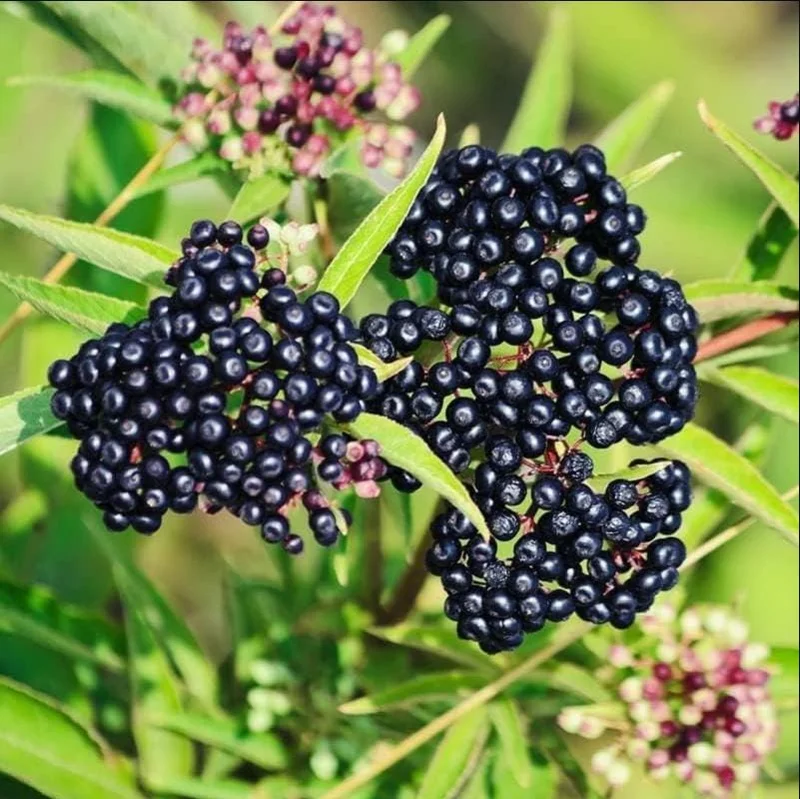
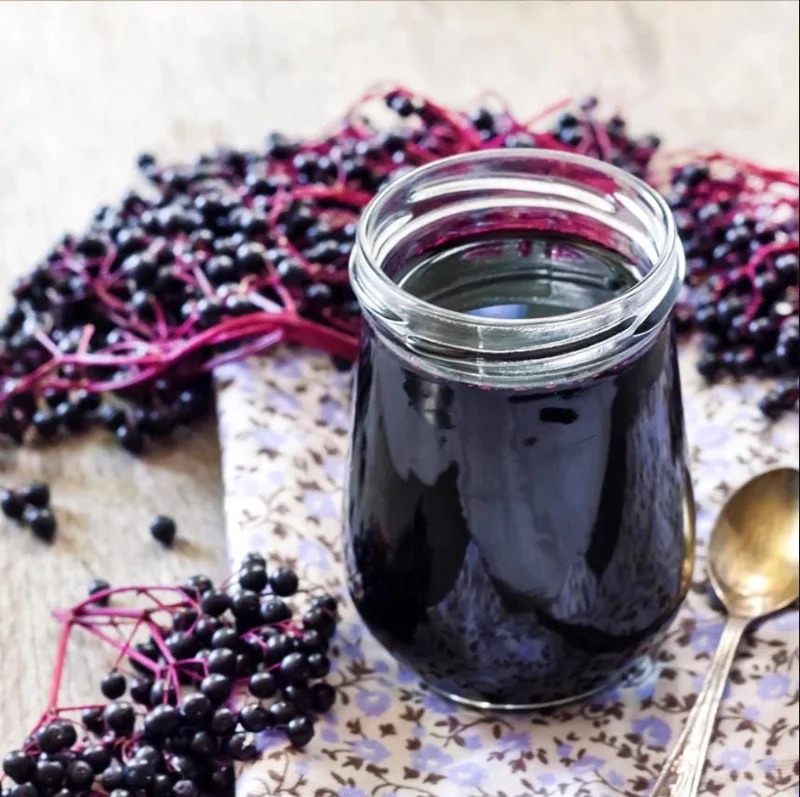
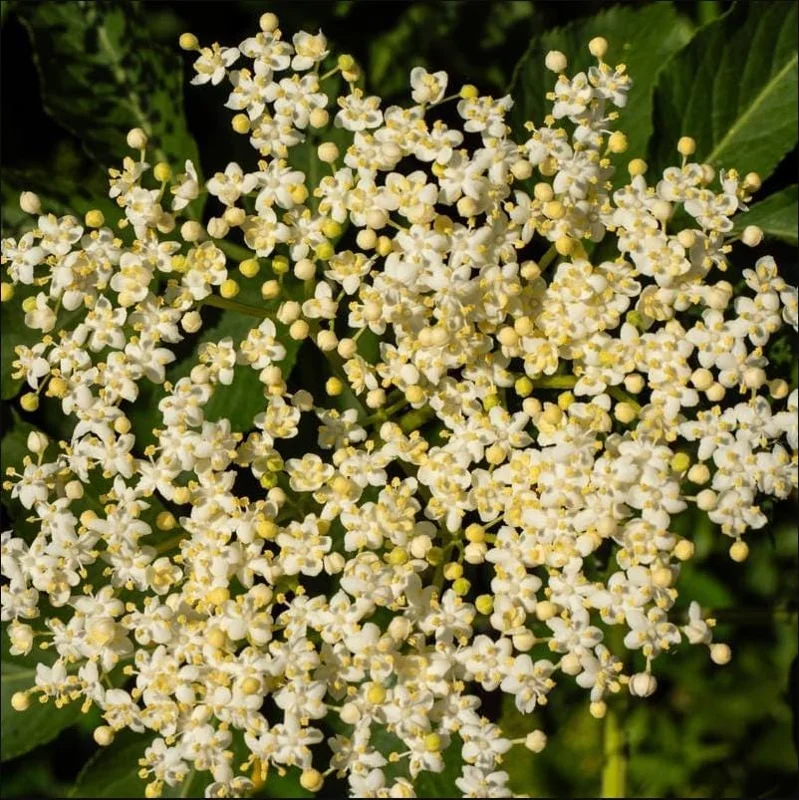
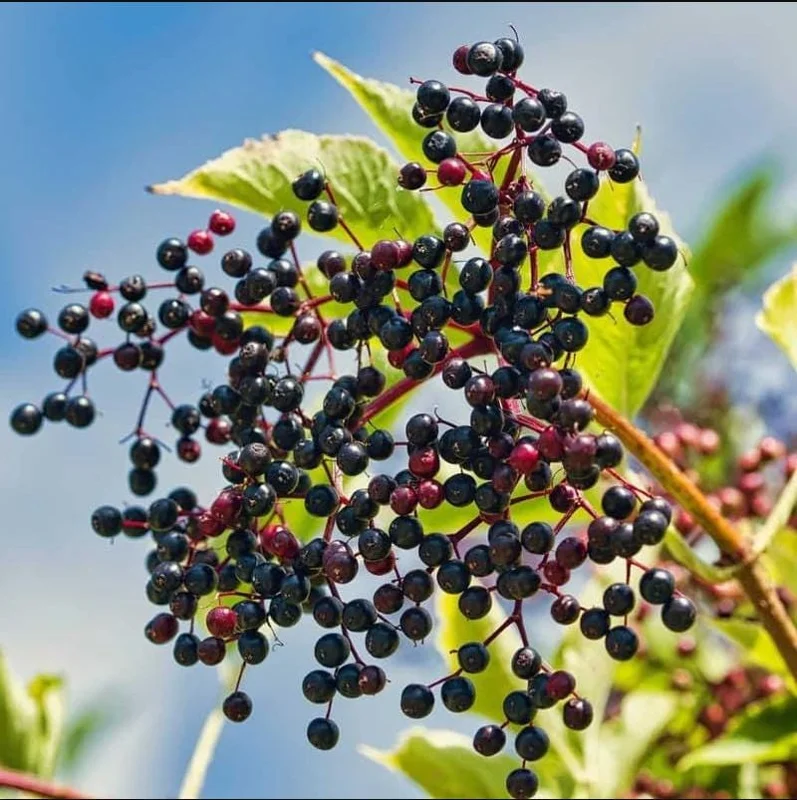
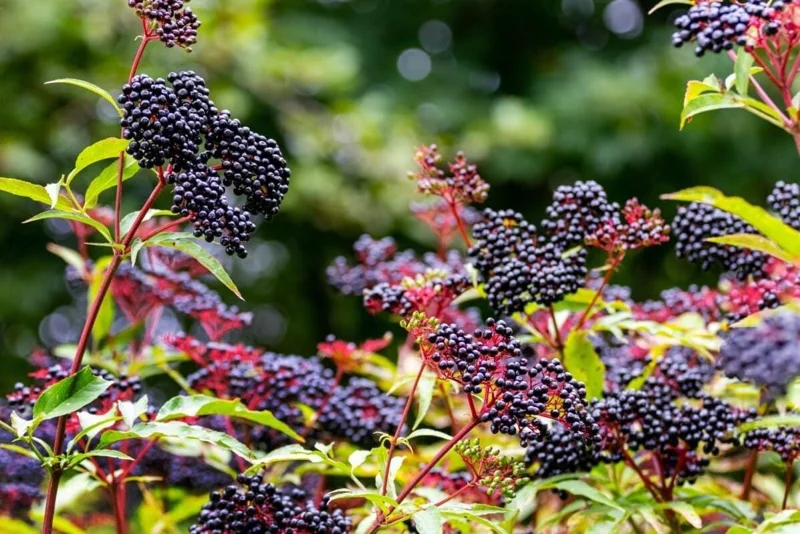
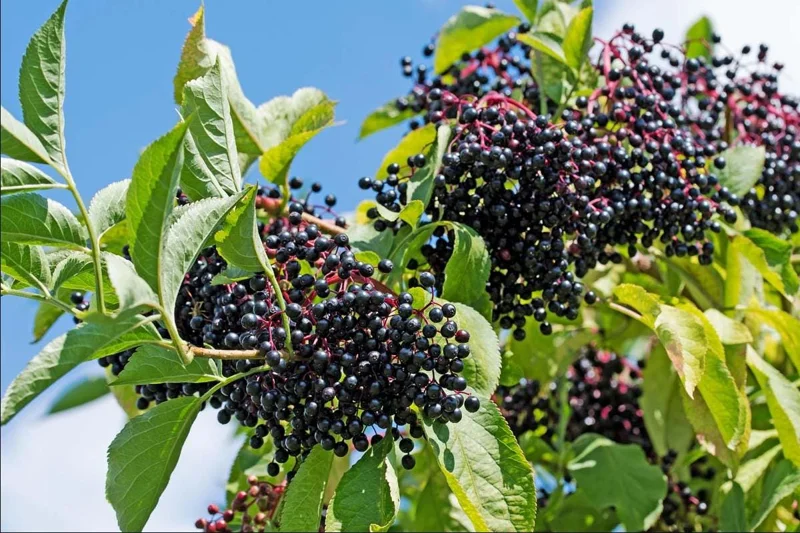
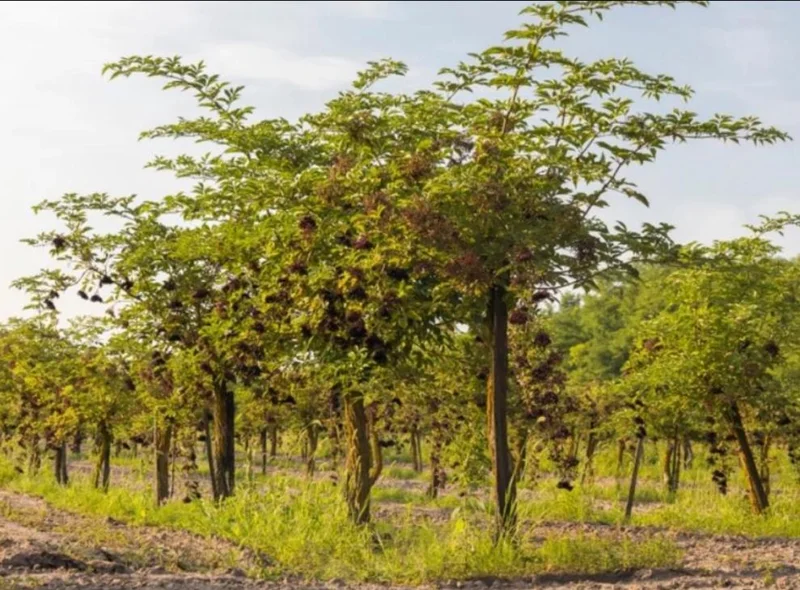
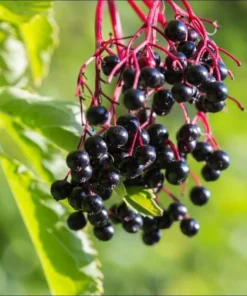
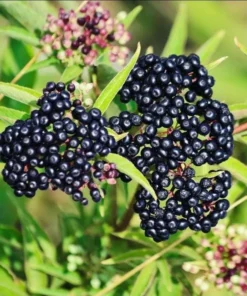
Introduce a vigorous and rewarding addition to your garden with this american elderberry live plant. Specifically, you will receive a healthy starter plant, typically 5 to 10 inches tall, well-rooted in a 1-gallon nursery pot. Known for its ornamental value and prolific berry production, the American Elderberry (Sambucus canadensis) is a deciduous shrub native to North America. This particular elderberry bush for sale offers an excellent opportunity to establish a plant that will mature into a beautiful, fruit-bearing specimen. While the starter plant will not have flowers or fruit immediately, it is poised to grow and thrive, eventually providing abundant clusters of dark purple to black elderberries, renowned for their culinary and traditional health applications. Plant this resilient shrub to enhance your landscape and enjoy the benefits of homegrown fruit.
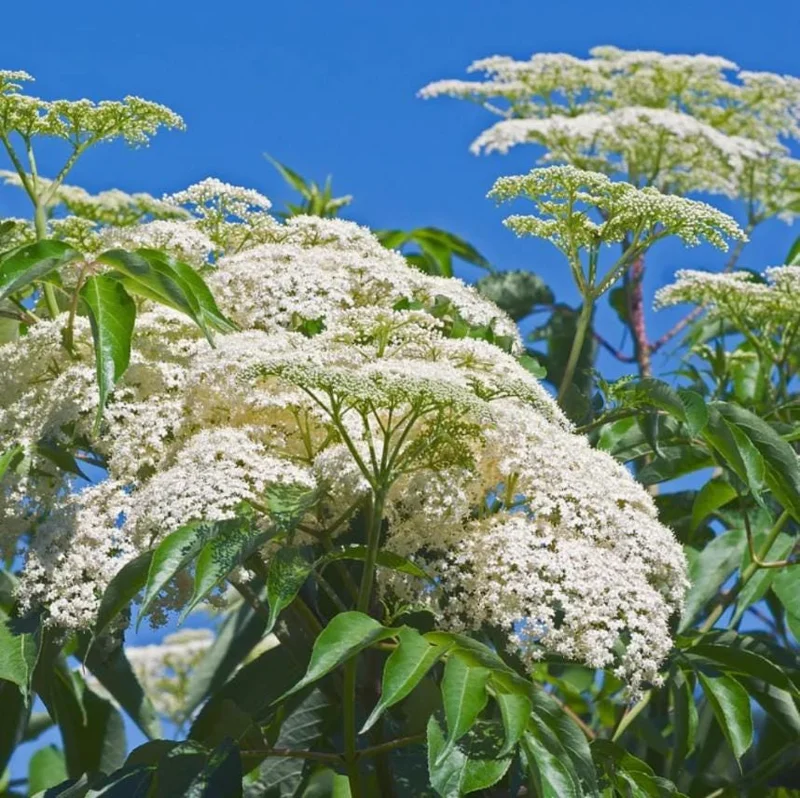
The American Elderberry is a fantastic choice for gardeners looking for a low-maintenance, high-yield plant. It’s a versatile shrub that can adapt to various soil conditions and light exposures, making it suitable for many garden settings. As it matures, this american elderberry live plant will attract pollinators and birds, contributing to the biodiversity of your outdoor space. Prepare to nurture this young plant as it establishes itself, and look forward to its future growth and bountiful harvests.
Adding an american elderberry live plant to your garden brings a multitude of advantages, from its aesthetic appeal to its practical uses. This hardy shrub is a valuable investment for any home gardener.
To ensure your american elderberry live plant thrives, understanding its basic care requirements is essential. This resilient shrub is generally easy to care for, making it suitable for both experienced and novice gardeners looking to grow elderberry bush.
Light Requirements: Elderberries perform best in full sun to partial shade. For optimal fruit production, aim for at least 6 hours of direct sunlight per day. While it can tolerate some shade, a sunnier location will result in more flowers and, consequently, a larger harvest of black elderberries plant. If planting in a hot climate, a location with afternoon shade can prevent leaf scorch.
Soil & Watering: This plant prefers rich, well-draining soil with a pH between 5.5 and 6.5. However, it is quite adaptable and can tolerate clay and moist soils better than many other shrubs. Before planting, enrich the soil with compost to improve fertility and drainage. Water regularly, especially during the first growing season, to help the plant establish a strong root system. Keep the soil consistently moist, but avoid waterlogging. Mulching around the base of the plant can help retain soil moisture and suppress weeds. Once established, elderberries are moderately drought-tolerant but will benefit from consistent moisture during dry spells, especially when fruiting.
Temperature & Climate: American Elderberry is a hardy perennial shrub, thriving in USDA zones 3-9. It is cold-tolerant once established and can withstand varying temperatures, from cool winters to warm summers. Protect young plants from extreme cold during their first winter with a layer of mulch. Fertilize annually in early spring with a balanced, all-purpose fertilizer or compost to encourage vigorous growth and fruit production. Pruning should be done in late winter or early spring to remove dead, damaged, or weak canes and to encourage new growth and better fruit yield. An elderberry starter plant will quickly grow into a robust shrub with proper care.
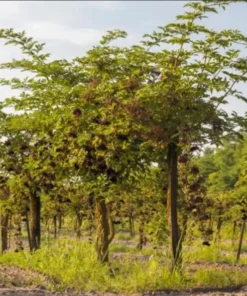
This offering is for one healthy american elderberry live plant, a starter bush that typically measures between 5 to 10 inches in height. The plant arrives well-rooted in a standard 1-gallon nursery pot, ensuring it is ready for successful transplanting into your garden. While these are young plants and will not have flowers or fruit upon arrival, they are robust and prepared to establish themselves in your landscape. Elderberries are known for their relatively fast growth rate, typically reaching a mature height of 5-12 feet tall and wide, depending on the variety and growing conditions. Expect your plant to begin producing flowers and fruit within 2-3 years after planting. This elderberry bush for sale is delivered with its root ball intact in soil, minimizing transplant shock and promoting healthy growth from day one.
You must be logged in to post a review.
Sold 55 products
Original price was: $74.99.$44.99Current price is: $44.99.
Sold 56 products
Original price was: $53.98.$26.99Current price is: $26.99.
Sold 85 products
Original price was: $70.99.$40.99Current price is: $40.99.
Sold 72 products
Original price was: $74.99.$44.99Current price is: $44.99.
Sold 79 products
Original price was: $70.99.$40.99Current price is: $40.99.
Sold 57 products
Original price was: $45.96.$22.98Current price is: $22.98.
Sold 96 products
Original price was: $37.98.$18.99Current price is: $18.99.
Sold 88 products
Original price was: $76.99.$46.99Current price is: $46.99.
Reviews
There are no reviews yet.